
Durable 52 Inch Square Tablecloths for Industrial Use | HBMec Textiles
Why a 52 inch square tablecloth Still Holds Industrial Charm
Having spent many years in the industrial equipment sector, I’ve seen how seemingly simple items can carry more engineering thought than meets the eye. Take the 52 inch square tablecloth. At first glance, it might seem like just another textile product, but oddly enough, its practical applications and design speak volumes about durability and versatility—qualities we engineers naturally appreciate.
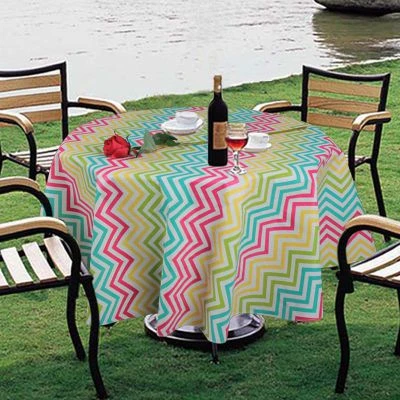
In warehouses, workshops, or even clean assembly rooms, tablecloths aren't only decorative—they safeguard surfaces from grease, scratches, and dust. The 52-inch dimension makes it a neat fit for small- to medium-sized tables—sort of the Goldilocks size for many industrial desks and inspection stations.
Materials for these tablecloths must be chosen carefully. I’ve noticed that high-grade polyester blends or treated cotton are common, offering that vital balance between toughness and ease of cleaning. Frankly, you want something that doesn’t degrade with exposure to chemicals or solvents, which occasionally happen in industrial environments.
One thing I found when visiting textile manufacturers is the meticulous quality control they put products through—things like tensile strength testing, colorfastness under UV light, and resistance to abrasion. These aren’t glamorous tests, but they ensure the tablecloth holds up after repeated use and washes. You don’t want your protective surface looking worn or worse, shedding fibers near sensitive equipment.
Now, customization is another aspect often overlooked. Many vendors offer options such as waterproof linings, anti-static coatings, or flame retardant treatments, which—if you ask me—can make a world of difference depending on your exact work environment. I recall one client in electronics assembly who swore by the anti-static treatment; it seemed tailor-made for preventing component damage.
| Feature | Value/Description |
|---|---|
| Dimensions | 52" x 52" |
| Material | Polyester/cotton blend or 100% polyester |
| Weight | 120-150 gsm (grams per square meter) |
| Finish | Water-resistant, stain-resistant, or untreated options |
| Care Instructions | Machine washable, tumble dry low recommended |
| Additional treatments | Anti-static, flame retardant (optional) |
Industrial buyers often ask me how to choose a reliable vendor. I mean, it’s not just about the cloth—it’s service, lead times, volume discounts, and flexibility that matter. Here’s a quick vendor comparison I put together based on my experience and feedback from suppliers over the years.
| Vendor | Product Range | Customization Options | Typical Lead Time | Pricing Level |
|---|---|---|---|---|
| HBMec Textiles | Extensive (various fabrics & treatments) | Waterproof, anti-static, flame retardant | 2-3 weeks | Mid-range |
| SteelWeave Corp | Limited (mainly polyester) | Basic colors, no special finishes | 1-2 weeks | Lower |
| IndustriTex Solutions | Moderate (polyester blends and cotton) | Custom sizes, limited finishes | 3-4 weeks | Higher |
Reflecting on a quick anecdote: I once helped a client who was struggling to keep their quality control station clean. They switched to a tablecloth with anti-static and waterproof treatments from HBMec Textiles, and the difference was tangible. Less dust sticking, no ruined electronics, and the surface stayed pristine longer. I suppose that’s the kind of practical benefit these textiles bring to the industrial table—literally.
So, next time you consider the little touches for your workspace, remember that a simple 52 inch square tablecloth isn’t just decor—it’s a piece of tough, thoughtfully made equipment. It’s kind of like the unsung hero of industrial maintenance, quietly protecting the surfaces we rely on day in, day out.
Takeaway: When selecting industrial tablecloths, prioritize material durability, finish options, and vendor reliability to maximize long-term value.
- Industrial Textile Standards, ASTM D5034 tensile test overview.
- Case study: Anti-static treatments in electronics assembly.
- Buyer’s Guide to Industrial Protective Fabrics, Textile World Journal.
-
How ironing board cover manufacturers can match USA and European cover specificationsNewsNov.09,2026
-
Iron shoes: fit, fabric protection and steam useNewsNov.02,2026
-
Extra Large Shopping Cart Liners: Specifications, Ordering and Support FAQNewsOct.28,2026
-
How to Buy Washing Machine Cover Stock: Choosing a PEVA Washing Machine CoverNewsOct.22,2026
-
Choose a Quality Ironing Board Cover for Professional ResultsNewsJul.01,2026
-
Best Mini Ironing Board Cover and Pad for Professional PressingNewsJun.29,2026
-
Improve Pressing Efficiency with Medium Ironing Board CoverNewsJun.27,2026