
Durable and Eco-Friendly Long Ironing Board Covers | HBME Textiles
Why a Long Ironing Board Cover Matters More Than You Think
At first glance, a long ironing board cover may seem like a trivial household accessory. But once you dive into its design, materials, and global usage, you realize it's a surprisingly critical tool — not just for neatness, but for efficiency, safety, and sustainability. Whether you're a home user, a commercial laundry operator, or an NGO working in relief zones, choosing the right cover can save time, reduce fire hazards, and cut down costs. It’s a small detail with a big impact worldwide.
The Global Context: Why Long Ironing Board Covers Are More Relevant Than Ever
Fact is, ironing remains a staple chore across households and industries globally. According to a UN report on domestic labor, millions rely on ironing tools daily. Yet, many ironing setups overlook the significance of the board cover’s size and material — which can make or break user experience.
Industrial laundry sectors, textile factories, even humanitarian organizations use ironing extensively. The problem? Most ironing boards are standardized for short or medium-sized covers, missing the mark on longer boards that better accommodate large garments or bulk ironing. Without the proper cover, surfaces scorch, wear unevenly, or simply wear out too fast. In hot climates or disaster relief camps, an effective long ironing board cover can help ensure safe, rapid garment processing — something that really matters to the people involved.
What Exactly Is a Long Ironing Board Cover?
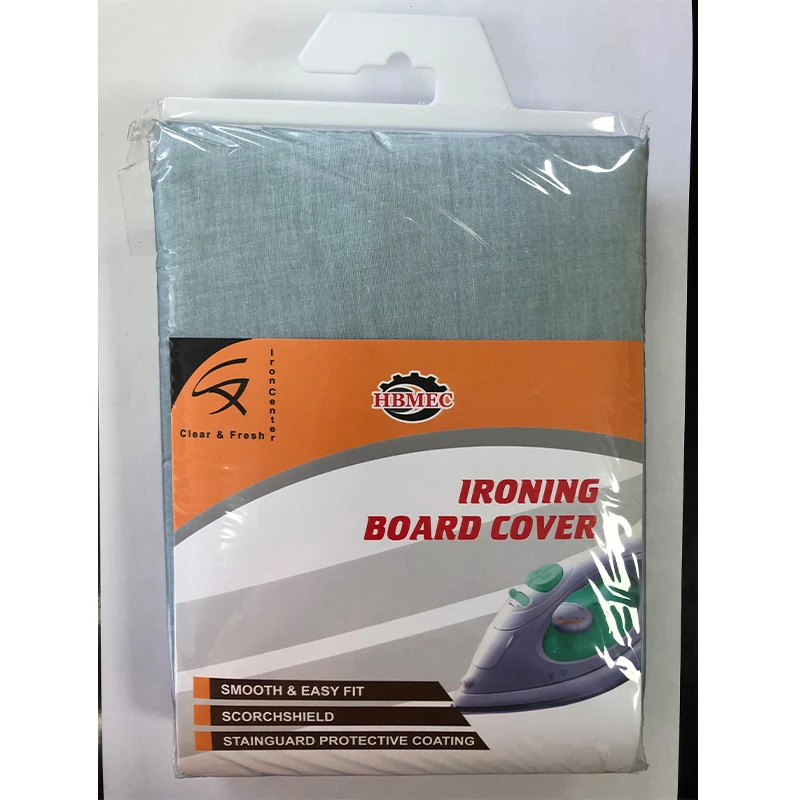
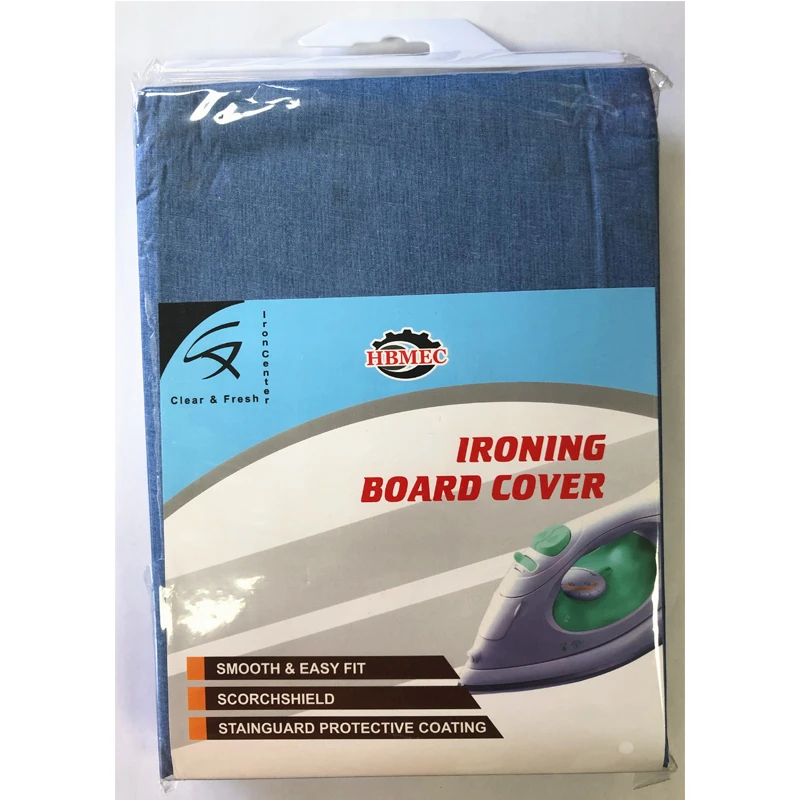
Put simply, it’s a protective fabric layer meant to snugly fit over ironing boards longer than the average. Typically, these covers stretch beyond the standard 54-inch length to 60 inches or more, designed for commercial-sized or specialty boards.
Its key role? To provide a heat-resistant, smooth surface that prevents burns on garments and the board itself. The cover also helps in reflecting heat back towards the fabric (rather than losing it into the board’s core), making ironing faster and more energy-efficient.
In industrial and humanitarian settings, these covers ensure durability and ease-of-use, cutting down on downtime — which may feel like a small convenience but can be crucial when hundreds of uniforms or bedding need processing daily. It truly ties an entire process together.
Key Features of Long Ironing Board Covers
1. Durability
Good covers are made from heavy-duty materials like cotton blends with reinforced layers. Many include fire-retardant coatings or heat-reflective pads. This prevents premature wear caused by high heat or steam, a common pain point when ironing large, thick fabrics.
2. Heat Resistance
Beyond basic protection, specialized coatings or thermal reflective foils are integrated to keep the surface insulation working efficiently. This translates to less wasted energy and less wear on the board and cover, in real terms – dollars saved and headaches avoided.
3. Fit & Scalability
The elongated design isn’t merely about length; it accounts for tapered irons and ergonomic improvements on modern boards. Adjustable drawsheets or elastic edges allow users to tailor the fit perfectly. Some covers even scale to different widths, so you’re not stuck with one size.
4. Cost Efficiency
Yes, these covers are a bit more expensive upfront—but fewer replacements, less ironing time, and reduced energy bills repay that cost quickly. Especially in large-scale operations, this cost efficiency makes a big difference.
5. Sustainability
Many manufacturers now favor organic cotton or recycled polyester blends, responding to consumer and corporate demand for greener products. A sustainably sourced cover that lasts twice as long just feels better … like doing right by the planet while tending to everyday chores.
Mini takeaway:
Choosing a long ironing board cover isn’t just a matter of size—it's a strategic decision touching heat efficiency, longevity, and environmental conscience.
How These Covers Are Used Across the Globe
- Domestic Use: Households with large or heirloom boards often opt for longer covers to tackle large bedding or garments easily.
- Hospitality Industry: Hotel laundries utilize long covers to speed up pressing of linens and curtains without constant replacements.
- Humanitarian & Relief Projects: NGOs in post-disaster camps rely on more robust covers to keep clothing and blankets clean and safe—often under tough conditions.
- Textile & Apparel Factories: Mass production settings need durable, heat-resistant covers that can handle dozens of garments hourly, reducing downtime for replacements.
- Fashion Designers & Tailors: Precision work requires smooth, reliable covers over larger boards for ease of manipulation and finishing.
Mini takeaway:
The wide variety of users underscores that a quality long ironing board cover is more than a niche product — it’s a global enabler of smooth ironing operations.
Advantages & Why They Are Worth It Long-Term
Here’s the kicker: investing in a long ironing board cover yields dividends beyond just easier ironing:
- Cost Savings: Reduced energy consumption and fewer replacements.
- Safety: Less risk of scorching fabric or ironing board fires.
- Social Impact: In humanitarian cases, preserving clothes equals preserving dignity.
- Innovation: Reflective materials speed ironing, saving labor hours.
- Environment: Durable, eco-conscious materials reduce landfill waste.
Product Specification Table
| Feature | Specification | Benefit |
|---|---|---|
| Length | 60 inches (approx. 152 cm) | Fits longer boards, accommodates large fabrics |
| Material | Heavyweight cotton blend with heat-reflective backing | Durable, withstands high temps |
| Fire Retardancy | Yes, meets ISO 6941 standards | Enhanced safety in industrial settings |
| Adjustment | Elasticated edges + drawstring | Perfect fit on various widths |
| Washability | Machine washable at 60°C | Easy maintenance and hygiene |
Vendor Comparison: Leading Long Ironing Board Covers
| Vendor | Material Quality | Price (USD) | Warranty | Eco-Friendly |
|---|---|---|---|---|
| HBME Textiles | Premium heavyweight cotton blend | $34.99 | 2 years | Yes (organic cotton certified) |
| PressPro Supplies | Standard cotton with thermal foam | $28.50 | 1 year | No |
| IronMaster Gear | Poly-cotton blend, heat reflective layer | $31.75 | 18 months | Partial (recycled fibers) |
Emerging Trends in Long Ironing Board Covers
The textile industry is slowly but surely embracing technology for better ironing solutions. In particular:
- Smart Materials: Some innovators are experimenting with temperature-sensitive fabrics that adjust heat reflection dynamically.
- Eco-conscious Manufacturing: An increasing demand for covers with zero-waste production and biodegradable fibers.
- Customization: Digital printing and modular cover design enable businesses to order tailored fits and branding options.
- Integration with Automated Ironing Systems: Automated presses need precision and uniform surface covers — long boards meet this demand perfectly.
Overcoming Challenges in Current Usage
Even with all these benefits, there are some sticking points. Improper fitting tops the list, causing slipping or bunching during ironing. Manufacturers tackle this with improved elastic systems and adjustable cords.
Another challenge is balancing thickness with heat transfer: thick covers protect better but can slow heating. This prompts R&D into layered fabrics that offer protection without heat loss.
Finally, eco-friendly yet durable covers are still not the norm. Industry watchers suggest growing consumer demand will push suppliers to innovate in that direction soon.
Frequently Asked Questions (FAQ) About Long Ironing Board Covers
Q1: How do I know if my ironing board needs a long cover?
If your ironing board measures over 54 inches or you frequently press large items like bedding, a long ironing board cover ensures full coverage and better durability. Oversized boards without fitting covers risk scorching and uneven surfaces.
Q2: Can I just use any cotton fabric as a cover?
While basic cotton is heat tolerant, a specialized long ironing board cover has reinforced layers and fire-retardant treatments for safety and longevity. Regular cloth may degrade quickly or pose fire risks under heavy heat.
Q3: Are long covers available for industrial ironing boards?
Yes, many vendors now produce commercial-grade covers sized specifically for industrial boards, often with enhanced heat reflection and durability features to withstand continuous use.
Q4: How often should I replace my ironing board cover?
Usual lifespan varies: home use covers may last 2–3 years; industrial or frequent use covers might need replacement after 1 year or sooner if signs of wear or scorching appear.
Q5: Can long ironing board covers be machine washed?
Most high-quality covers are machine washable (typically up to 60°C). Always check care labels to maintain protective coatings and prevent shrinkage.
Conclusion: Wrapping It Up
Ultimately, a long ironing board cover is a modest but mighty tool — one that supports not only smooth, efficient ironing but also greater safety, sustainability, and user satisfaction across many sectors. Whether your needs are domestic or industrial, investing in the right cover pays dividends. For those hunting for a reliable, eco-friendly long ironing board cover, visit our site at HBME Textiles and explore the full range designed to fit and perform.
Mini takeaway:
Tiny changes like upgrading your ironing board cover can ripple into huge benefits — more time saved, more threads preserved, and fewer worries about fire or waste. I suppose it’s one of those small details worth paying attention to!
References:
1. United Nations Conference on Trade and Development (UNCTAD) – Domestic Labor Trends (unctad.org)
2. ISO 6941: Burning behaviour of textiles
3. Environmental impact studies on textile waste – UNEP reports
-
Enhance Your Dining Space with a 52 by 70 tableclothNewsApr.16,2026
-
Choosing the Best Green Disposable Tablecloth for Your EventNewsApr.09,2026
-
Enhance Your Bedroom Decor with the Perfect Bedside Tablecloth GuideNewsApr.07,2026
-
Comprehensive Guide to Choosing the Perfect White Table Cloth Plastic for Your EventNewsApr.04,2026
-
Elevate Your Dining Space with a Stylish Modern Table CoverNewsMar.31,2026
-
Elevate Your New Years Celebration with the Perfect New Years Table ClothNewsMar.28,2026
-
Elevate Your Dining Experience with a Stunning Ocean TableclothNewsMar.26,2026