
Durable and Precise Ironing Board Covers with Grid | HBMEC Textiles
What’s an Ironing Board Cover with Grid and Why It Matters Worldwide?
At first glance, an ironing board cover with grid might just sound like a fancy household accessory. But dig in a little, and it’s clear this product has relevance far beyond neatly pressed shirts. Globally, industries—from textile manufacturing hubs to humanitarian aid organizations—have realized just how much a quality ironing board cover structured with a grid can improve efficiency, precision, and durability.
Why does this matter? Simple: ironing boards are the unsung heroes of fabric finishing, quality control, and even small-scale production lines. When these boards sport a well-designed grid cover, they become precise measuring tools right on your ironing surface. Understanding their design and use gives anyone from tailors to NGOs a key edge—saving time, reducing errors, and improving outcomes.
A Global Look: Why Ironing Board Covers with Grid Are Gaining Ground
The global textile market is a beast, estimated to be worth over $1.2 trillion by 2026 (source: Statista). From factories in Bangladesh to ateliers in Italy, finishing processes are under constant pressure to improve speed and accuracy. Enter the ironing board cover with grid.
These covers allow operators to quickly gauge measurements while pressing fabric, eliminating guesswork. They reduce mistakes in size, alignment, and seam spacing—problems that a UN report on sustainable garment manufacturing flagged as major contributors to waste and inefficiency (UN Environment Programme).
Oddly enough, beyond factories, these covers have also been useful in refugee camps or disaster zones where quick, makeshift textile repairs are needed. Aid workers find that the grid lines help volunteers with minimal sewing experience create cleaner, more durable fixes.
What Exactly Is an Ironing Board Cover with Grid?
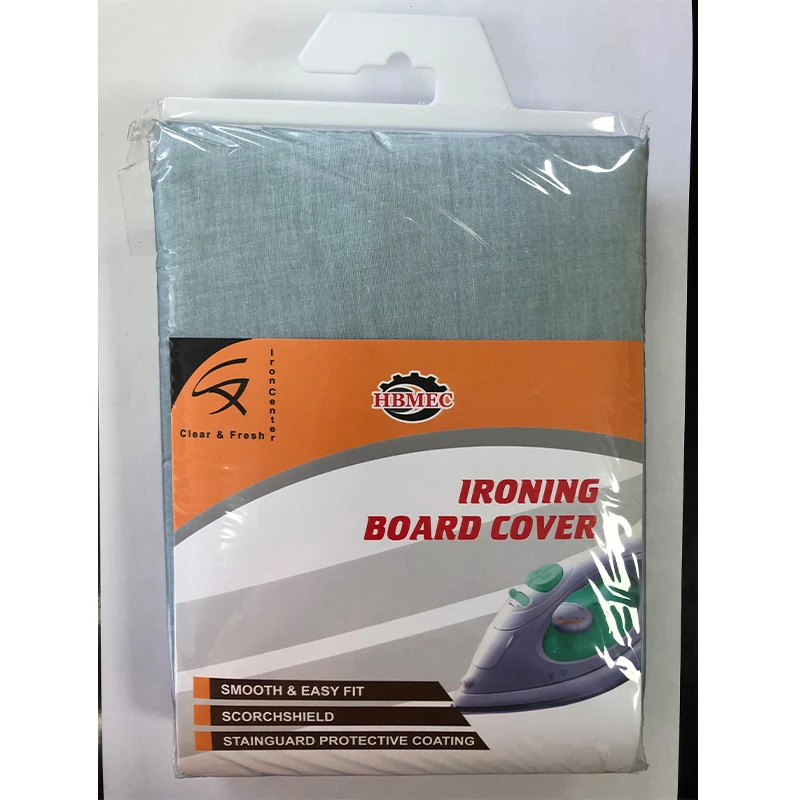
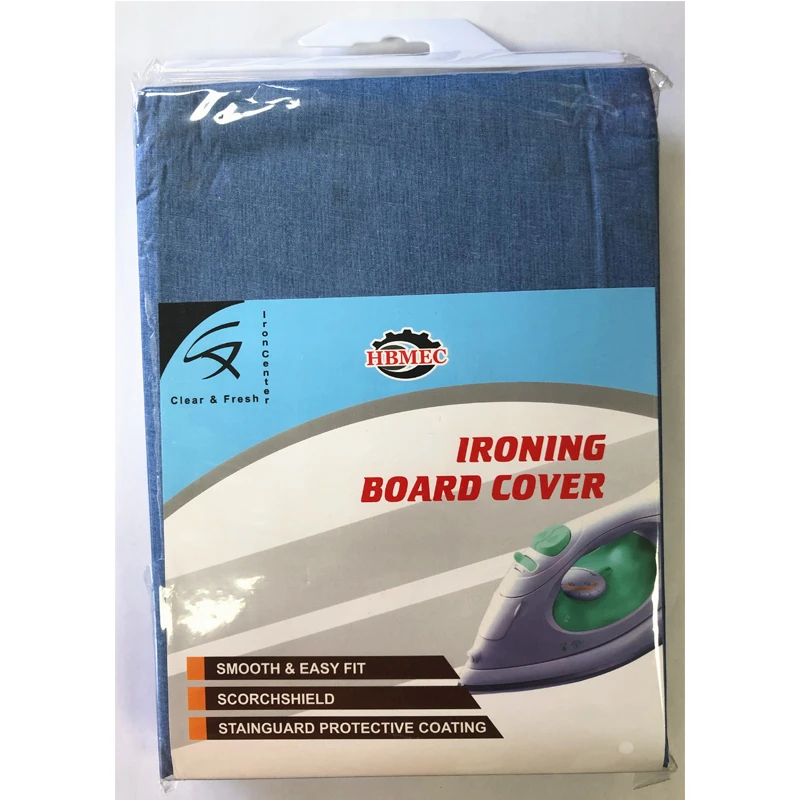
The term sounds straightforward—this is essentially a cover for your ironing board, printed or woven with a grid pattern. But it’s more than just fabric slapped on a board. The grid acts as a built-in measuring guide, allowing fabric handlers to align items perfectly, check seam positions, and maintain consistent pressing pressure.
This utility ties into today’s fast-paced, quality-demanding textile industries—or even educational setups training new tailors. On top of helping production, such covers support humanitarian sectors when speed and precision become urgent, not optional.
Core Components That Make These Covers Essential
1. Material Durability
These covers are usually made from heat-resistant, tightly woven cotton blends or fiberglass fabrics coated for extra insulation. Durability here isn’t just about lasting a season—it’s about surviving thousands of presses without fading, shrinking, or tearing. Many engineers I’ve spoken to swear by tightly knit layers paired with silicone coatings for strength.
2. Precision of the Grid
The grid’s accuracy is crucial. Imagine working on delicate lace or heavy denim; a misaligned seam can wreck the whole garment. The grid often uses metric and imperial measurements, sometimes overlaying diagonal angles for pattern cutting. It’s like your ruler and ironing board had a baby.
3. Heat & Steam Resistance
Because ironing involves high temps and steam, the cover materials must resist heat discoloration and moisture damage. So far, the top-tier covers combine breathable layers with reinforced steam holes that prevent bubbling or warping.
4. Non-Slip Fit & Easy Installation
The cover needs to stay put, no sliding—and yet be quick to put on or remove. Elastic edges, adjustable drawstrings, or silicone bands often do the trick. Convenience here is king, especially in busy workshops.
5. Size & Compatibility
Covers come in multiple sizes designed to fit standard and specialty ironing boards. This is where customization really matters because a sloppy fit ruins the entire precision effect.
Product Specification Table
| Specification | Typical Value / Feature |
|---|---|
| Material | Cotton/Fiberglass blend, silicone-coated |
| Grid Type | 1 cm and 1 inch squares, with diagonal guides |
| Heat Resistance | Up to 220°C (428°F) |
| Steam Permeability | Integrated vent holes to avoid warping |
| Sizes Available | Small, Medium, Large, Custom |
| Attachment | Elastic edges with adjustable drawstrings |
Global Use Cases of Ironing Board Covers with Grid
- Textile Factories in Asia: Mass production sites rely on grid covers to maintain precision, speed up quality control, and reduce fabric waste during pressing.
- Small Artisan Tailors in Europe: Independent tailors appreciate the grid for measuring and pressing bespoke garments without switching tools constantly.
- Humanitarian Aid Projects in Africa: Makeshift textile repairs and community sewing workshops use these covers for quick measurements and patching damaged clothes efficiently.
- Educational Institutions Worldwide: Fashion and sewing schools incorporate grid covers to teach students seam accuracy and fabric alignment.
What Makes These Covers So Advantageous Over Regular Covers?
On a purely practical note, grid covers save seconds and minutes every time you press or measure fabric. This adds up, trust me. Besides accelerating workflows, they reduce costly errors and fabric wastage. For industries trying to be greener, every saved scrap counts toward sustainability efforts.
Socially speaking, these covers bring a sense of professionalism and pride. Aid workers see it like a small dignity boost for recipients of clothing repairs during crises. It feels innovative—like you’re bringing industrial precision to far-flung, resource-limited settings.
Emerging Trends & Innovations
The future looks bright and smart for ironing board covers with grids. We’re seeing:
- Eco-friendly Materials: Organic cottons and biodegradable silicone coatings are becoming popular to meet ISO 14001 environmental standards.
- Digital Integration: A few startups experiment with grid covers that detect pressure and alignment electronically, syncing to apps that log ironing data for quality control.
- Modular & Custom Designs: Covers custom-fitted for industrial press machines or multi-texture grids to accommodate various fabric types.
Challenges and How Experts Are Tackling Them
One sticking point is balancing durability with heat and steam resistance while keeping costs low—especially for NGOs bulk-buying for relief zones. Another is ensuring the grid printing doesn’t fade or blur after repeated washings and ironing.
Innovative manufacturers are improving multi-layer weaving techniques and heat-set printing methods that embed grid lines permanently rather than surface-printed. Also, some are developing user-replaceable toplayers for extended product life.
Vendor Comparison Table for Ironing Board Covers with Grid
| Vendor | Material Quality | Grid Accuracy | Price Range (USD) | Customization Options |
|---|---|---|---|---|
| HBMEC Textiles | Premium cotton/fiberglass blend | ±0.5 mm precision, laser-engraved | $35 - $75 | Size & grid pattern customization |
| TextileGrid Co. | Cotton canvas | ±1 mm hand screen-printed | $25 - $50 | Limited colors and sizes |
| EcoPress Supplies | Organic cotton with silicone coating | ±0.7 mm digitally printed | $40 - $85 | Custom eco-friendly options |
FAQ: Your Top Questions About Ironing Board Covers with Grid
What makes an ironing board cover with grid better than a regular cover?
A grid cover doubles as a measuring and alignment tool, offering precision that isn’t available in plain covers. It reduces guesswork while pressing fabric, improving accuracy and saving costly fabric waste.
How do you ensure the grid remains visible after repeated ironing?
High-quality covers use laser-engraved or heat-set printing techniques rather than simple surface prints, ensuring the grid pattern stays sharp and doesn’t fade or blur over time.
Are grid covers compatible with all ironing board sizes?
Most come in standard sizes, but many vendors—including HBMEC Textiles—offer customization for atypical or industrial boards to guarantee a snug and non-slip fit.
Can I use an ironing board cover with grid in harsh environments?
Yes. Covers made with fiberglass blends and silicone coatings withstand high temperatures, steam, and rough handling common in industrial or relief work scenarios.
Where can I purchase durable ironing board covers with grid?
Specialized textile suppliers such as HBMEC Textiles are a great place to start, offering professional options with customization and bulk ordering.
Final Thoughts: Why Invest in an Ironing Board Cover with Grid?
Whether you’re running a bustling garment factory in Dhaka, teaching sewing in Paris, or aiding emergency textiles in remote zones, the ironing board cover with grid quietly transforms your workflow. It brings accuracy, efficiency, and sustainability into one fabric layer. As global industries rise to meet higher quality and environmental standards, such covers are no longer just optional—they’re essential tools for future-ready textile work.
Curious to see what the best ironing board cover with grid looks like? Head over to HBMEC Textiles for professional-grade solutions designed with modern demands in mind.
References
-
Enhance Your Dining Space with a 52 by 70 tableclothNewsApr.16,2026
-
Choosing the Best Green Disposable Tablecloth for Your EventNewsApr.09,2026
-
Enhance Your Bedroom Decor with the Perfect Bedside Tablecloth GuideNewsApr.07,2026
-
Comprehensive Guide to Choosing the Perfect White Table Cloth Plastic for Your EventNewsApr.04,2026
-
Elevate Your Dining Space with a Stylish Modern Table CoverNewsMar.31,2026
-
Elevate Your New Years Celebration with the Perfect New Years Table ClothNewsMar.28,2026
-
Elevate Your Dining Experience with a Stunning Ocean TableclothNewsMar.26,2026