
Essential Guide to Ironing Board Covers for Quilters | Features & Vendors
The Practical Art of Choosing an Ironing Board Cover for Quilters
At first glance, an ironing board cover might not seem like a world-shaking invention. But for quilters, sewing artisans, and textile professionals worldwide, the ironing board cover for quilters can be a tiny marvel that transforms the creative process. Given the global rise in handcrafted goods and sustainable fashion, understanding the intricacies of these covers holds more value than one might guess.
In fact, it’s estimated that the global textile craft industry supports millions of artisans, with countries like India, the USA, and parts of Europe leading in quilting communities. Yet a major challenge remains: how to preserve delicate fabrics while speeding up the technically precise task of pressing seams, patches, and blocks? This is precisely where a well-crafted ironing board cover transforms the workflow—and potentially, the final product quality.
Why Ironing Board Covers Matter in Quilting Around the World
If you’ve ever dabbled in quilting or sewn a quilt top from patchwork, you understand the need for precision. According to data from the International Labour Organization, skilled artisans spend nearly 30% of their worktime in preparation and finishing tasks like ironing to ensure crispness (ILO, 2021). But globally, traditional ironing board covers often fall short—the wrong fabric texture or poor heat resistance can lead to puckering, scorches, or inconsistent pressing. For this reason, specialized ironing board covers for quilters are becoming a must-have tool for workshop efficiency, quality control, and fabric longevity.
What Is an Ironing Board Cover for Quilters?
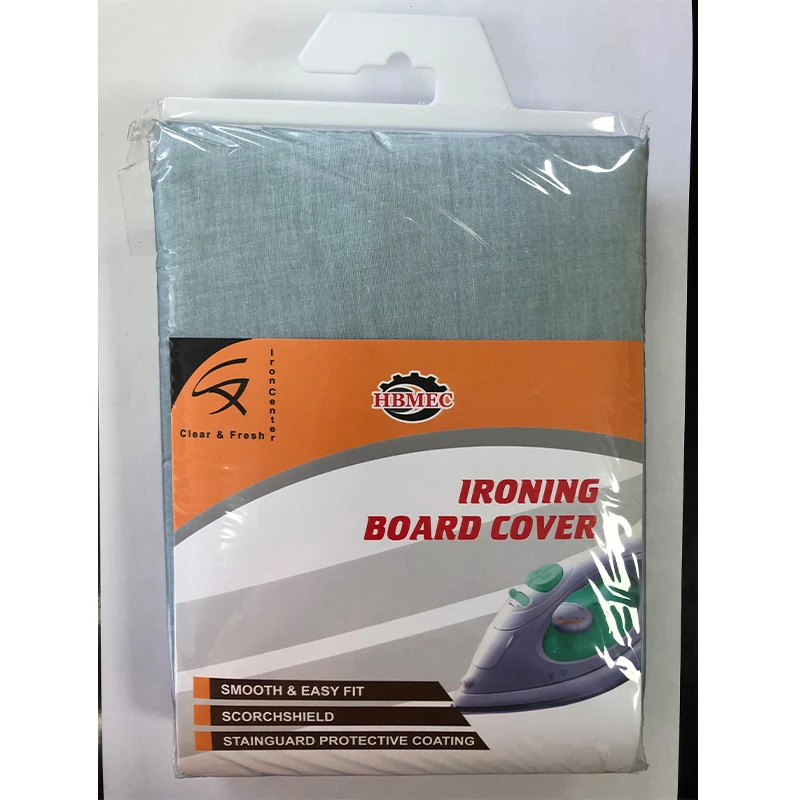
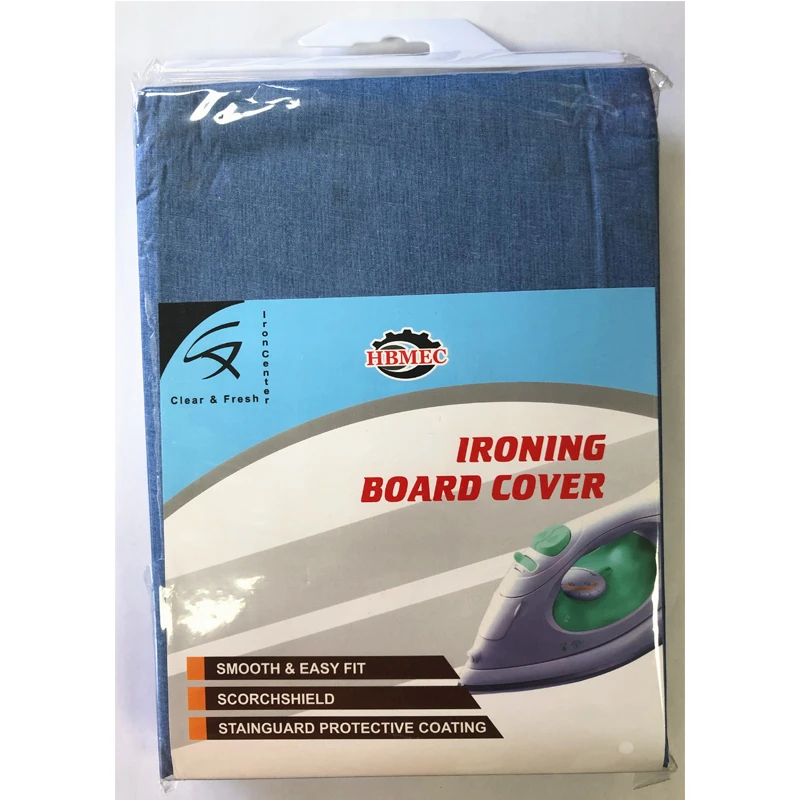
Simply put, an ironing board cover for quilters is a tailored fabric layer designed to fit over an ironing board, with properties optimized for quilting needs. Unlike generic covers, they often feature:
- Heat-reflective surfaces that increase ironing efficiency
- Padding that offers cushioning for delicate seams
- Durable, tightly woven fabrics to withstand repeated use
- Custom fits ensuring smooth, wrinkle-free pressing spaces
In today’s artisanal and commercial textile realms, a proper cover supports the precision cutting and ironing so critical to quilt construction. It’s a humble but important player in the chain—from the sew lines to the final stitches holding those quilt blocks together.
Key Features of High-Quality Ironing Board Covers
1. Heat Resistance and Reflectivity
The material must tolerate high ironing temperatures—often between 300°F and 400°F—without scorching or burning. Some covers incorporate aluminum or silicone-coated layers to bounce heat back into the fabric, effectively reducing ironing time. Many quilters swear by reflective covers to save energy, believe it or not.
2. Padding and Cushioning
Underneath the surface fabric, extra padding ensures the board doesn’t press too hard against the quilt seams, preventing accidental creasing or fabric distortion. Foam or felt inserts are commonly used, but multi-layered padding with a silicone base is gaining attention for longevity.
3. Durability and Fabric Quality
Quilters often work with cotton, silk, or blends that require a cover that won’t easily tear or degrade. Materials like cotton canvas fused with heat-resistant synthetic fibers give the board cover both strength and flexibility.
4. Fit and Stability
A snug cover fit is crucial—loose fabric can create unwanted wrinkles that ruin pressing results. Elastic edges or drawstrings are common to secure the cover firmly to the board’s shape.
5. Size and Shape Specifications
Because ironing boards come in various dimensions—from narrow sleeve boards to wide quilting tables—covers must be chosen or customized to match. This is where many quilters find value in specialized vendors offering tailored solutions.
Mini Takeaway:
In short, ironing board covers for quilters combine practical engineering with fabric science. A thoughtful cover equals better craftsmanship, fewer errors, and ultimately, quilts that last for generations.
Global Uses and Case Studies
Across continents, quilting holds cultural and economic significance. For example:
- In the U.S., Amish and other quilting groups use heavy-duty covers in community quilting barns, streamlining hours of labor-intensive pressing.
- Asian craft hubs, like in Thailand and Vietnam, emphasize covers with moisture-wicking properties, due to tropical humidity affecting fabric performance.
- European luxury textile makers often prioritize eco-friendly, organic material covers, aligning with strict sustainability regulations.
NGOs supporting displaced persons’ textile livelihoods in conflict zones, such as parts of Africa, have started distributing affordable ironing board covers designed specifically for quilters. These products aid both precision and fabric preservation, enhancing income stability for artisans.
Product Specification Table
| Specification | Standard Quilters Cover | Premium Heat-Reflective Cover |
|---|---|---|
| Material | Cotton canvas with felt padding | Aluminum-coated cotton with silicone foam |
| Heat Resistance | Up to 350°F (177°C) | Up to 450°F (232°C) |
| Thickness | 5 mm | 7 mm |
| Attachment | Elastic band | Adjustable drawstring with locking clip |
| Size Range | Standard 15" x 54" | Custom sizes available |
Vendor Comparison: Choosing the Right Source for Your Quilting Needs
| Vendor | Product Range | Customization Options | Price Range | Delivery Time |
|---|---|---|---|---|
| CoverMasters | Basic to premium covers | Limited (standard sizes) | $15 - $40 | 5-7 days |
| QuiltPro Supplies | Specialist quilting covers only | High (custom sizing, prints) | $30 - $65 | 7-10 days |
| EcoPress Covers | Organic and eco-friendly materials | Medium (select sizes, fabric choices) | $25 - $50 | 10-14 days |
Advantages & Long-Term Value of Specialized Quilting Board Covers
Now, why invest in these covers beyond basic models? For one, the sustained quality of quilts improves dramatically. Reduced fabric damage and precise seams mean quilts last longer and look sharper.
Cost-wise, a premium cover can save money by lowering energy consumption (less ironing time) and reducing fabric waste from mispressing. There’s also an emotional comfort in working with tools designed for your craft, which kind of uplifts morale—a small thing, but things like that add up.
Socially, these covers contribute to sustainable production practices by supporting artisans who produce quality goods intended to last, rather than fast, disposable fashion. Plus, many cover manufacturers are embracing eco-friendly textiles, aligning with global sustainability goals (see ISO 14001 related standards).
Future Trends to Watch in Quilting Board Covers
Interestingly, innovation in this niche is quietly booming. Some future developments include:
- Smart materials: Fabric covers infused with temperature sensors or microcapsules that adjust heat distribution dynamically.
- Eco-conscious fibers: Biodegradable, organic cotton blends reducing environmental footprint.
- Antimicrobial coatings: To maintain cover hygiene in shared workshop environments.
- Customization tech: Advanced 3D scanning to create absolutely perfect size and shape fits for each board.
Technology convergence means that even something as simple as the ironing board cover for quilters will soon step into the era of “smart crafting.”
Addressing Challenges & Innovative Solutions
Of course, no product is perfect. Common hassles with quilting boards and covers include slipping fabrics, uneven padding wear, and difficulty aligning covers on non-standard boards. Many quilters complain that off-the-shelf covers just don’t “sit right.”
Pro solutions include adding silicone backing strips to prevent slip, using modular padding inserts to swap out worn sections, and custom-order options that let quilters measure & specify their exact board dimensions.
FAQ: Practical Questions About Ironing Board Covers for Quilters
- Q: What types of fabric work best for quilting board covers?
- A: Generally, tightly woven cotton or cotton blends with heat-resistant coatings are ideal. They provide durability, heat reflectivity, and smooth surfaces necessary for precise pressing.
- Q: How often should I replace my quilting board cover?
- A: This depends on usage intensity, but typically every 1-3 years is recommended to maintain heat efficiency and avoid wear spots that affect ironing quality.
- Q: Can I use a regular ironing board cover for quilting?
- A: While you can, most generic covers lack sufficient heat reflectivity and padding needed for precise quilting work. Investing in a specialized cover can improve your results markedly.
- Q: How do I properly clean a heat-reflective ironing board cover?
- A: Check manufacturer guidelines, but typically spot cleaning with mild detergent is safest. Avoid soaking to preserve reflective coatings.
- Q: Where can I find custom-sized ironing board covers for quilting?
- A: Specialized online vendors like HBM Ec Textiles offer customization services tailored for quilters’ boards.
Wrapping Up
In the quiet corners of crafting studios and bustling quilting workshops, the ironing board cover for quilters plays an unglamorous yet crucial role. It’s one of those subtle investments that, perhaps strangely, pays off in precision, consistency, and the pure joy of perfect seams.
If you’re serious about quilting, taking the time to select a well-made, properly fitted cover isn’t just an option—it’s a craft secret that many seasoned quilters swear by. Ready to upgrade your setup or explore customized options? Feel free to visit our website: https://www.hbmectextiles.com. Your future quilts might just thank you.
References:
1. International Labour Organization (2021) – Artisanal Textile Data Report
2. ISO 14001 Environmental Management guidelines
3. Wikipedia contributors. Quilting. Wikipedia, The Free Encyclopedia
-
Enhance Your Dining Space with a 52 by 70 tableclothNewsApr.16,2026
-
Choosing the Best Green Disposable Tablecloth for Your EventNewsApr.09,2026
-
Enhance Your Bedroom Decor with the Perfect Bedside Tablecloth GuideNewsApr.07,2026
-
Comprehensive Guide to Choosing the Perfect White Table Cloth Plastic for Your EventNewsApr.04,2026
-
Elevate Your Dining Space with a Stylish Modern Table CoverNewsMar.31,2026
-
Elevate Your New Years Celebration with the Perfect New Years Table ClothNewsMar.28,2026
-
Elevate Your Dining Experience with a Stunning Ocean TableclothNewsMar.26,2026