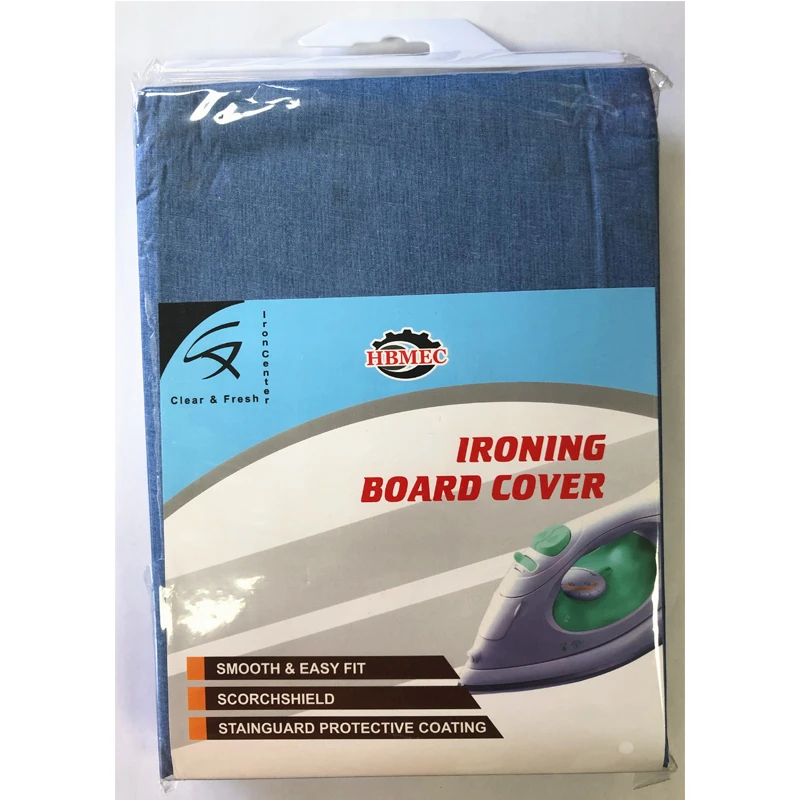

High-Quality Ironing Board Cover for Small Ironing Board – Durable & Eco-Friendly
The Subtle Power of the Ironing Board Cover for Small Ironing Board
It might seem like a small piece of fabric, but the ironing board cover for small ironing board is far more than just an accessory—it’s a quiet hero in laundry rooms and tailoring workshops worldwide. Beyond the obvious role it plays in making ironing smoother, understanding its significance ties into global trends in home care, sustainability, and even micro-industrial productivity. Curious why this humble product commands such attention? Let’s explore.
Why Does This Matter Globally?
In an increasingly urbanized and fast-paced world, with United Nations data showing that over 55% of the global population lives in urban areas (1), compact and efficient household tools are more relevant than ever. Small ironing boards and their covers epitomize this shift—space-saving, affordable, and user-friendly. Moreover, textile consumption contributes noticeably to environmental footprints (roughly 1.2 billion tons of CO2 equivalent emissions annually according to ISO 14040 standards), so thoughtful design and materials choices for covers can nudge this number down.
Additionally, in humanitarian relief and remote locales where fabric care is critical—think refugee camps or mobile tailors—small ironing boards with reliable covers become tools of dignity and professionalism.
Defining the Ironing Board Cover for Small Ironing Boards
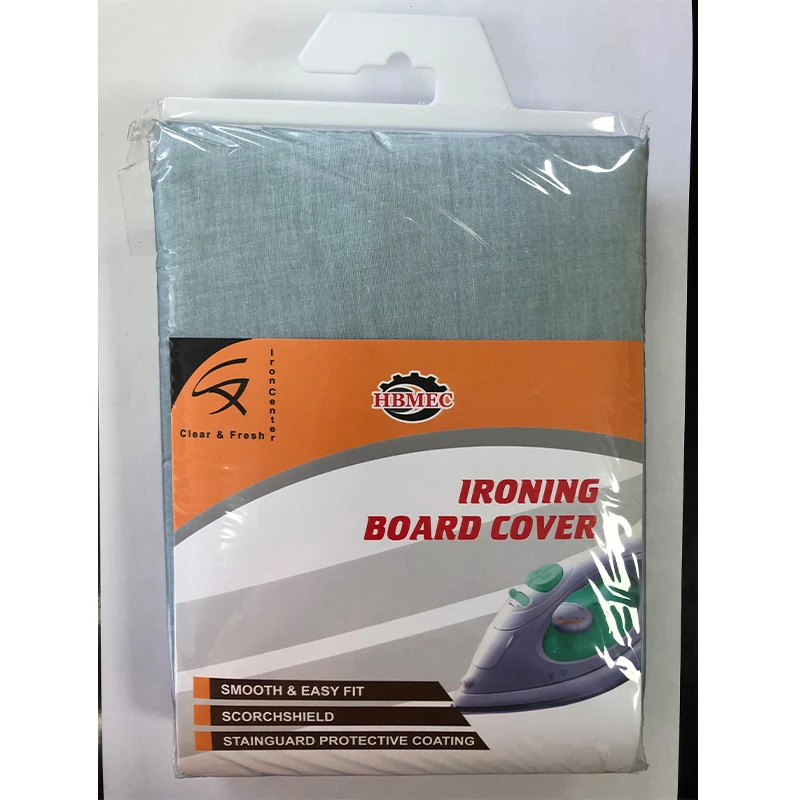
At its core, the ironing board cover for small ironing board is a precisely tailored fabric layer designed to fit snugly over the ironing surface. It’s engineered to handle high temperatures, provide padding, and offer a smooth surface that improves steam flow and reduces creases. Think of it as the ironing board’s “outfit” that ensures you get crisp results without the fabric or board suffering.
In industry terms, covers often combine heat-resistant textiles with foam or felt padding. Their design answers the need for portability and quick replacement, especially in places where continuous fabric maintenance is a daily ritual.
Key Characteristics of Ironing Board Covers for Small Ironing Boards
1. Heat Resistance
Covers must tolerate temperatures upwards of 220°C (about 428°F), especially for steam irons. Many feature reflective surfaces or silicone-coated fabrics that not only resist burns but also flip heat back into the fabric you’re ironing, improving efficiency.
2. Cushioning & Padding
The foam or felt layers aren’t just for comfort; they affect how well the iron presses into clothing. Too thin, and you risk imprinting the metal grid of the board. Too thick, and you lose heat transfer efficiency.
3. Size & Fit Customization
Small ironing boards vary — from compact travel sizes to petite home models. Covers designed for these require elasticized edges or Velcro straps to ensure a tight fit that won’t slip mid-press.
4. Durability & Washability
Given the frequency of use, covers demand materials that don’t degrade after repeated washings or prolonged heat exposure. Manufacturers often use a mix of cotton blends and special coatings to prolong lifespan.
5. Eco-Friendly Materials
Interest in sustainable fibers like organic cotton or bamboo blends is growing. These materials reduce environmental impact while often offering better breathability.
Product Specification Table for a Typical Ironing Board Cover for Small Ironing Board
| Feature | Specification | Benefit |
|---|---|---|
| Material | Cotton with heat-reflective silicone coating | Improves ironing efficiency and durability |
| Padding | 3mm felt layer | Prevents imprint from the ironing board grid |
| Size fit | Adjustable elastic edge, fits boards 36-42 inches | Secure and slip-resistant fit |
| Heat tolerance | Up to 230°C | Safe for almost any steam iron setting |
| Care | Machine washable, quick dry | Easy maintenance for busy households |
Who Benefits? Global Applications & Real-World Use
In many parts of Asia and Europe, tailoring remains a frontline craft. Mobile tailors often carry ironing board cover for small ironing board among their essentials, prized for portability and quick setup. In North America, the cover finds a home in apartments, where space-saving solutions are a must.
Non-profits working in remote areas use small boards and covers to help communities maintain clothing quality, which is crucial for school attendance and job interviews — small dignity boosts that humanitarian organizations recognize as huge.
Oddly enough, in post-disaster relief settings, where infrastructure is limited, simple quick-install covers improve clothes care, a small comfort that anchors normality. It’s often overlooked how such items affect morale.
Mini takeaway: These covers may be small, but their usage extends from tight city flats to refugee tents, proving their global relevance in diverse scenarios.
Why Should You Care? Advantages & Long-Term Value
- Cost efficiency: Replacing covers is less expensive and wasteful than damaged boards.
- Sustainability: Many options now use organic fibers and non-toxic coatings.
- Reliability and safety: High heat tolerance means fewer scorch marks and safer ironing.
- Emotional impact: Many users report better ironing results and smoother workflow, giving a sense of accomplishment.
Innovations on the Horizon
Manufacturers are experimenting with smart textiles—covers embedded with heat sensors to regulate temperature or warn of overheating. Others pursue ultra-sustainable fibers like hemp blends that require less water and energy to produce. Automation isn’t far behind; imagine covers that self-adjust tension or resist staining automatically.
Meanwhile, digital marketplaces have expanded availability, allowing customers worldwide to find the perfect fit for their unique ironing board cover for small ironing board needs, with rapid delivery.
Challenges & Clever Fixes
One persistent issue is fit—small boards come in many shapes, and ill-fitting covers can shift annoyingly mid-iron. Manufacturers are tackling this with adjustable designs and better elastic bands.
Durability remains a concern with cheaper covers, but several companies now pledge longer warranties and use abrasion-resistant fabrics as standard. Proper customer education about maintenance often helps avoid premature wear.
Vendor Comparison Table: Choosing Your Ironing Board Cover Supplier
| Vendor | Material Options | Price Range | Customization Services | Warranty |
|---|---|---|---|---|
| EcoCover Co. | Organic cotton, bamboo blends | $$$ | Size & color customization available | 2 years |
| HeatGuard Textiles | Cotton with silicone coating | $$ | Custom elastic sizing | 1 year |
| UrbanIron Essentials | Cotton blends only | $ | No customization | 6 months |
FAQs: Practical Questions About Ironing Board Covers for Small Ironing Boards
- How do I know if an ironing board cover fits my small board?
- Measure your ironing board’s length and width, then compare with the cover’s size range specified by the manufacturer. Look for features like elastic edges or adjustable straps which help ensure a snug fit.
- Can I use any ironing board cover for small ironing boards?
- Not always. Because small ironing boards vary widely, generic covers may not fit properly. Opting for covers designed specifically for smaller boards helps maintain the ironing surface’s integrity and safety.
- What materials are best for durability and heat resistance?
- Cotton blends with silicone or Teflon coatings tend to balance durability with heat tolerance. Eco-friendly options with organic cotton are gaining traction but may require more careful maintenance.
- How often should I replace my ironing board cover?
- Depending on frequency of usage and material, expect to replace your cover every 1–3 years. Signs for replacement include scorch marks, cracking, and loss of padding compactness.
- Are there covers suitable for travel ironing boards?
- Yes, many vendors offer specially designed covers for small, foldable travel boards with compact dimensions and lightweight materials, perfect for quick touch-ups on the go.
In Conclusion: Why This Little Cover Matters
The ironing board cover for small ironing board might fly under the radar, but it quietly impacts everyday life—from cramped city flats to humanitarian aid tents. Its blend of heat resistance, fit, durability, and emerging eco-trends mean it’s evolving alongside global needs for sustainability and efficient living.
Next time you iron a shirt or cover that tiny board, remember it’s not just a textile layer—it’s a blend of design, comfort, and care. For premium options tailored to your needs, visit our site and discover covers designed with you in mind.
Mini takeaway: Invest in quality ironing board covers—your clothes (and the planet) will thank you.
References:
- United Nations, "World Urbanization Prospects," 2018 Revision.
- ISO 14040: Environmental management — Life cycle assessment — Principles and framework.
- United Nations Environment Programme, "Sustainable Textile Production," 2021 Report.
-
Enhance Your Dining Space with a 52 by 70 tableclothNewsApr.16,2026
-
Choosing the Best Green Disposable Tablecloth for Your EventNewsApr.09,2026
-
Enhance Your Bedroom Decor with the Perfect Bedside Tablecloth GuideNewsApr.07,2026
-
Comprehensive Guide to Choosing the Perfect White Table Cloth Plastic for Your EventNewsApr.04,2026
-
Elevate Your Dining Space with a Stylish Modern Table CoverNewsMar.31,2026
-
Elevate Your New Years Celebration with the Perfect New Years Table ClothNewsMar.28,2026
-
Elevate Your Dining Experience with a Stunning Ocean TableclothNewsMar.26,2026