
Hygienic Shopping Cart Liner: Reusable & Easy-Clean Solution
The Evolution of Material Handling: Understanding the Modern Shopping Cart Liner
In the dynamic landscape of modern retail and logistics, efficient and hygienic material handling solutions are paramount. The humble shopping cart liner has emerged as a critical component, transforming the way goods are transported, stored, and presented. Beyond simple containment, these liners now represent advanced textile engineering, designed for durability, hygiene, and optimal performance across various demanding environments. This comprehensive overview delves into the technical specifications, manufacturing processes, diverse applications, and strategic advantages that position these liners as indispensable assets for B2B operations.
Industry Trends Driving Liner Innovation
- Heightened Hygiene Standards: The global emphasis on public health and safety has propelled the demand for easily cleanable, sanitizable, and often antimicrobial liners, particularly in food retail and healthcare sectors.
- Sustainability Imperatives: A shift from single-use plastics towards reusable, long-lifecycle solutions is driving innovation in eco-friendly materials and robust construction that withstands repeated washing and heavy use.
- E-commerce & Last-Mile Delivery: The surge in online grocery and goods delivery necessitates specialized liners that offer insulation, organization, and protection during transit, ensuring product integrity from warehouse to doorstep.
- Operational Efficiency: Businesses seek liners that streamline workflows, reduce product damage, and enhance inventory management, contributing to significant cost savings and improved customer satisfaction.
- Brand Enhancement: Customizable liners offer a unique opportunity for branding and corporate identity reinforcement, turning a functional item into a marketing tool.
These trends highlight a market that prioritizes not just utility but also advanced performance characteristics, making the selection of a reliable supplier and a technically superior product more crucial than ever.
Technical Specifications and Material Science
The performance of a modern shopping cart liner is fundamentally determined by its material composition and design architecture. Manufacturers leverage advanced textile technologies to ensure optimal durability, functionality, and longevity. Key considerations include fabric type, coating technologies, and structural reinforcements.
Primary Material Types and Characteristics
- Non-Woven Polypropylene (NWPP): Widely used for its excellent tensile strength, tear resistance, and cost-effectiveness. NWPP can be treated for water resistance and is fully recyclable, aligning with sustainability goals.
- Polyester (PES): Known for superior strength-to-weight ratio, abrasion resistance, and dimensional stability. Polyester liners are ideal for heavy-duty applications and environments requiring frequent cleaning.
- Laminated Fabrics: Often involve a base fabric (e.g., NWPP, PES) laminated with a film (e.g., BOPP – Biaxially Oriented Polypropylene) to enhance water repellency, provide a smooth printable surface, and improve overall rigidity.
- Insulated Composites: For temperature-sensitive applications, multi-layer constructions incorporating thermal insulation materials (e.g., expanded polyethylene foam, aluminum foil linings) are employed to maintain internal temperatures. These are crucial for grocery and food delivery, effectively transforming a standard trolley into a temperature-controlled shopping trolley liner.
Key Technical Parameters
Selecting the appropriate shopping cart liner involves evaluating several critical technical specifications, which directly impact its suitability for specific operational demands.
| Parameter | NWPP Liner (Standard) | Polyester Liner (Heavy Duty) | Insulated Liner (Specialized) |
|---|---|---|---|
| Material Weight (GSM) | 80-120 GSM | 150-250 GSM | 180-300 GSM (composite) |
| Tensile Strength (N/5cm) | Long: 100-150, Trans: 80-120 | Long: 200-300, Trans: 150-250 | Long: 180-280, Trans: 140-220 |
| Tear Resistance (N) | Long: 15-25, Trans: 20-35 | Long: 40-60, Trans: 50-80 | Long: 30-50, Trans: 40-70 |
| Water Repellency | Hydrophobic (optional coatings) | Excellent (inherent + coatings) | High (sealed seams, laminated layers) |
| Temperature Range | -10°C to +70°C | -20°C to +90°C | -20°C to +50°C (maintains internal temp) |
| Cleaning Method | Wipe clean, hand wash | Machine washable, wipe clean | Wipe clean (inner), spot clean (outer) |
| Service Life (Cycles) | 100-200 uses | 300-500+ uses | 200-400 uses |
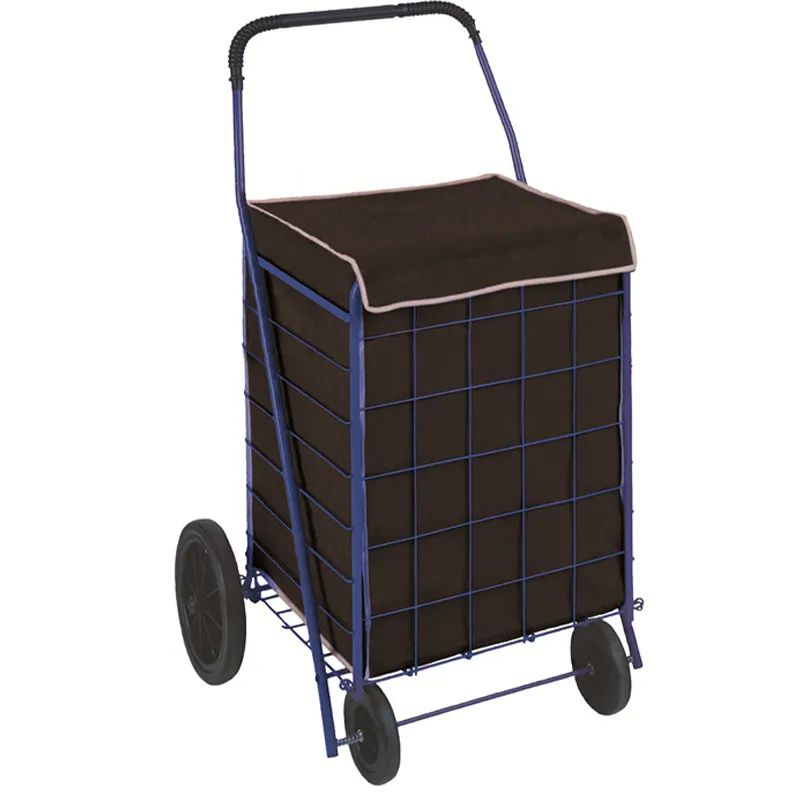
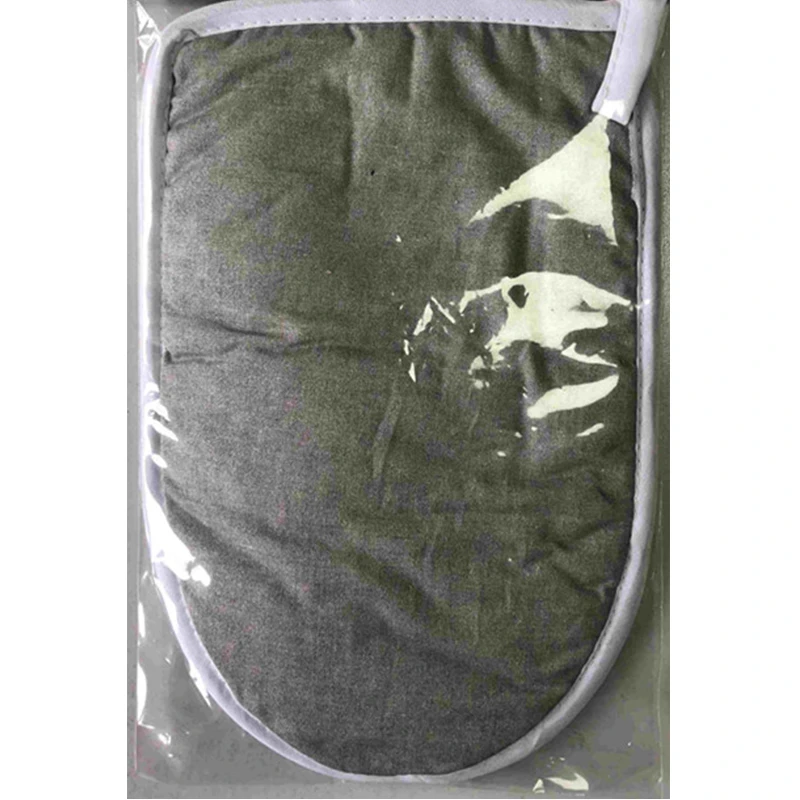
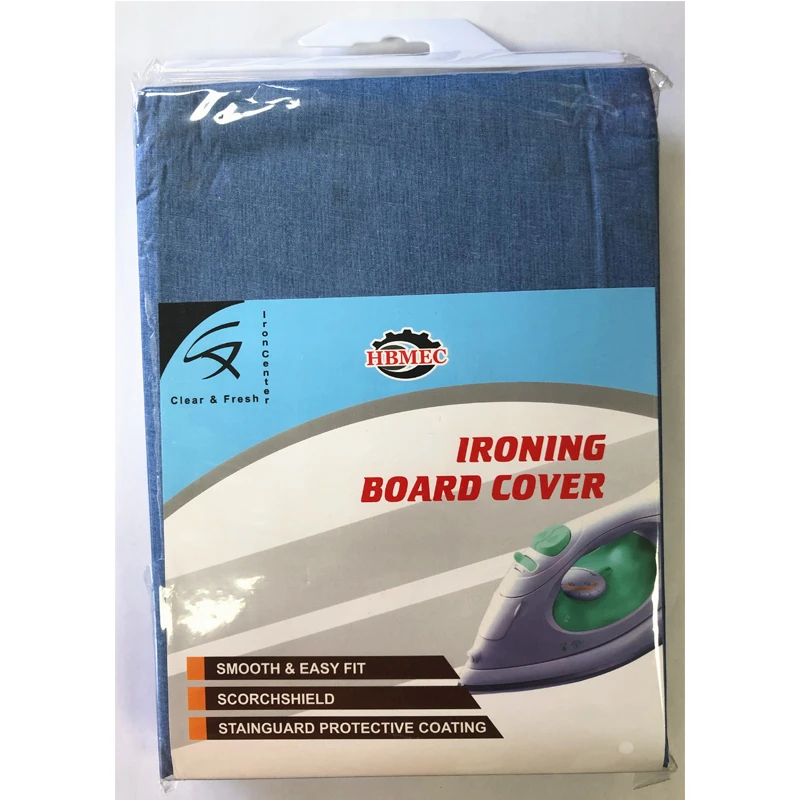
Image: High-strength polyester material used in advanced folding cart liner solutions.
Precision Manufacturing Process Flow
The manufacturing of a high-quality shopping cart liner involves a meticulous multi-stage process, ensuring that each product meets stringent performance and durability standards. Unlike heavy industrial processes such as casting or forging, textile manufacturing focuses on precision cutting, advanced seaming techniques, and rigorous quality assurance.
Manufacturing Stages: From Raw Material to Finished Product
- Material Sourcing & Inspection:
High-grade textile materials (e.g., specific GSM NWPP, polyester fabrics, thermal insulation layers) are sourced from certified suppliers. Incoming materials undergo rigorous quality checks for specifications such as weight, tensile strength, tear resistance, colorfastness, and eco-compliance (e.g., OEKO-TEX Standard 100 for harmful substances). This ensures the foundational integrity of every shopping trolley liner.
- Precision Cutting & Patterning:
Utilizing advanced Computer Numerical Control (CNC) cutting machines, large rolls of fabric are precisely cut according to digital patterns. This method minimizes material waste, ensures dimensional accuracy, and maintains consistency across batches, critical for perfectly fitting liners for various cart models.
- Industrial Stitching & Seaming:
Skilled technicians use industrial-grade sewing machines to assemble the cut fabric pieces. Critical areas, such as seams, handles, and stress points, are reinforced using double-stitching, bar-tacking, or ultrasonic welding for enhanced strength and longevity. This step is vital for the structural integrity and load-bearing capacity of the liner.
- Component Integration:
Additional features such as zippers, drawstrings, snap closures, rigid bottom inserts, inner pockets, and branding elements (e.g., embroidered logos, printed panels) are integrated. For insulated liners, multiple layers are carefully assembled and quilted to prevent thermal bridging and ensure consistent temperature retention.
- Quality Control & Performance Testing:
Each liner undergoes comprehensive quality assurance (QA) checks. This includes visual inspection for defects, measurement verification against specifications, and functional testing. Batch samples are subjected to stress tests, load-bearing tests (e.g., simulating 30kg over 1000 cycles), material integrity checks, and colorfastness tests. Adherence to international standards like ISO 9001 (Quality Management) and ISO 14001 (Environmental Management) is maintained throughout the process.
- Finishing & Packaging:
Finished liners are cleaned, folded, and packaged according to client specifications, often in bulk or individually poly-bagged. Sustainable packaging options are increasingly utilized to minimize environmental impact.
The emphasis on precision, material quality, and stringent testing standards ensures that each shopping cart liner delivered is not just a product, but a reliable, high-performance solution designed for extended service life and optimal operational advantage.
Application Scenarios & Technical Advantages
The versatility and technical capabilities of a modern shopping cart liner extend far beyond basic grocery shopping. These sophisticated textile solutions are strategically deployed across a multitude of B2B sectors, offering distinct operational advantages.
Target Industries & Usage Scenarios
- Retail & Grocery Stores:
For enhanced hygiene, preventing cross-contamination between products and cart surfaces. Insulated versions are vital for cold chain integrity during checkout and transport. Also used for in-store order picking for click-and-collect services, protecting items like delicate produce or bakery goods.
- Logistics & Warehouse Operations:
Facilitating internal material handling, sorting, and temporary storage of goods within warehouses. Durable liners protect sensitive components from dust, moisture, and impact during transit between different sections of a facility. The versatility of a folding cart liner allows for efficient space utilization when not in use.
- Food Service & Catering:
Ensuring hygienic transport of prepared meals, ingredients, and perishable goods. Insulated liners maintain optimal temperatures for hot or cold food delivery services, crucial for food safety and quality.
- Healthcare Facilities:
For laundry collection, sterile supply transport, and waste management. Liners with antimicrobial properties and easy-to-sanitize surfaces are essential in maintaining stringent cleanliness protocols.
- Hospitality & Event Management:
Used for transporting linens, amenities, and equipment. Customizable liners also serve as branded accessories for promotional events, reflecting professionalism.
Technical Advantages in Typical Scenarios
- Enhanced Product Protection: Robust materials and padded construction safeguard delicate items from impact, scratches, and spills, reducing merchandise damage during transport and improving customer satisfaction.
- Superior Hygiene & Sanitation: Easily washable, sometimes antimicrobial, materials mitigate the spread of germs and cross-contamination, crucial in public-facing retail and healthcare. This is a significant advantage over unlined carts.
- Temperature Control: Insulated liners maintain specific temperature ranges for extended periods, critical for perishable goods, pharmaceuticals, or hot/cold food deliveries. This prevents spoilage and ensures product integrity, leading to significant cost savings by reducing waste.
- Improved Operational Efficiency: Liners with compartments, pockets, or specific structural designs aid in organization and rapid sorting, streamlining order fulfillment and inventory management. This reduces labor time per order by up to 15% in busy retail environments, according to a recent logistics study.
- Durability & Longevity: Engineered with industrial-grade textiles and reinforced stitching, these liners withstand repeated heavy use and washing cycles, offering a significantly longer service life compared to standard consumer-grade bags. This translates to lower replacement costs over time.
- Environmental Sustainability: By providing a durable, reusable alternative to single-use bags or liners, these products contribute to reduced plastic waste and align with corporate sustainability initiatives.
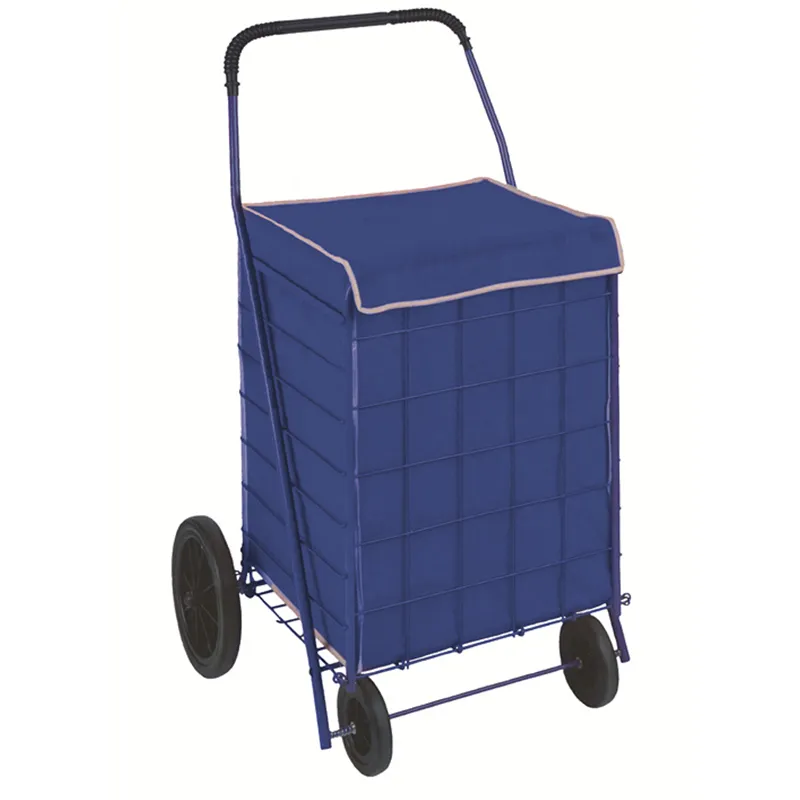
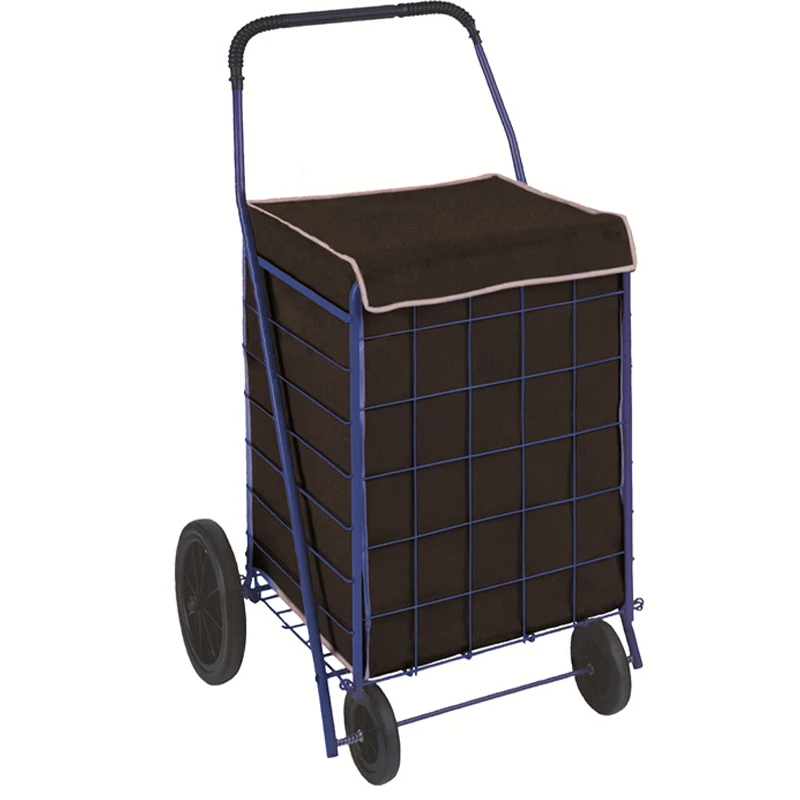
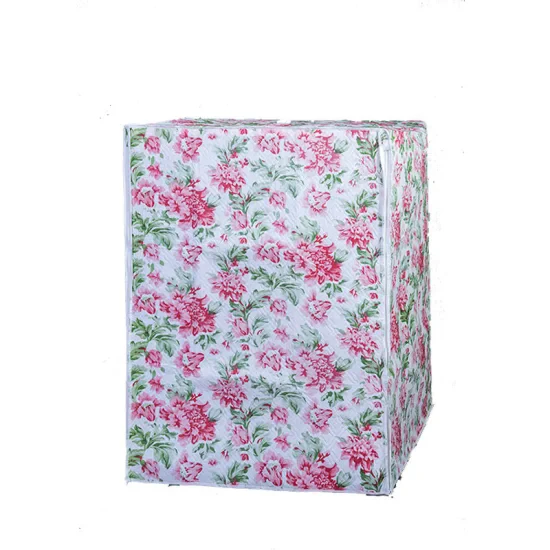
Image: Insulated shopping cart liner ensuring temperature stability for perishable goods.
Customized Solutions & Vendor Comparison
Recognizing that off-the-shelf solutions rarely meet the precise operational demands of every B2B client, advanced manufacturers offer extensive customization options for their shopping cart liner products. This allows businesses to tailor liners to specific cart dimensions, material handling requirements, and brand identity.
Tailored Solutions for Unique Operational Needs
- Material Selection: Choice of heavy-duty polyester, waterproof laminates, antimicrobial fabrics, or multi-layer insulation composites based on specific application environments (e.g., cold chain, healthcare).
- Sizing & Fit: Custom dimensions to perfectly fit various models of shopping carts, utility trolleys, or industrial transport container111s, including specialized folding cart liner designs for compact storage.
- Structural Features: Integration of specialized compartments, reinforced base plates, internal dividers for segregation of goods, padded sections for fragile items, and secure closure mechanisms (zippers, drawstrings, buckles).
- Branding & Aesthetics: Custom printing of corporate logos, branding messages, color matching, and design elements to enhance brand visibility and provide a professional, consistent look.
- Ergonomics & Handling: Design variations for handles (webbing, padded), shoulder straps, or specific attachment points to facilitate easier loading, unloading, and transportation by personnel.
Vendor Comparison: Key Differentiators
When selecting a supplier for large-volume or specialized shopping cart liner solutions, B2B decision-makers must evaluate vendors beyond just price. Core competencies, quality assurance, and customer service are paramount.
| Criterion | HBMEC Textiles | Competitor A (Mass Market) | Competitor B (Niche Premium) |
|---|---|---|---|
| Customization Capabilities | Extensive (materials, size, features, branding) | Limited (standard sizes, basic colors) | Moderate (premium materials, limited sizing) |
| Material Quality & Durability | Premium industrial-grade, reinforced | Standard consumer-grade | High-grade specialty fabrics |
| Certifications (e.g., ISO, OEKO-TEX) | ISO 9001, OEKO-TEX compliant materials | Limited to none | Some material certifications |
| Lead Time (Avg. custom order) | 3-5 weeks (scalable production) | 6-8 weeks (high volume only) | 4-7 weeks (limited production capacity) |
| After-Sales Support & Warranty | Dedicated support, 1-year product warranty | Basic, limited warranty | Good, standard warranty |
| Price Point (per unit, bulk) | Competitive, value-driven for quality | Low (economy focus) | High (premium focus) |
HBMEC Textiles distinguishes itself through a balanced offering of extensive customization, superior material quality backed by robust certifications, and responsive customer support, ensuring high ROI for B2B partners seeking reliable and tailored shopping cart liner solutions.
Application Case Studies & Client Successes
Real-world application demonstrates the tangible benefits and return on investment (ROI) provided by expertly designed shopping cart liner solutions. Here are examples of how our partners have leveraged customized liners to optimize their operations.
Case Study 1: Large National Grocery Chain - Enhanced Cold Chain Logistics
- Challenge: Maintaining the integrity of perishable goods (frozen foods, dairy, produce) during in-store order picking for online orders and subsequent transit to pick-up points, especially in warmer climates. Existing solutions offered inadequate temperature retention, leading to spoilage and customer complaints.
- Solution: HBMEC Textiles engineered a custom insulated shopping trolley liner using multi-layer thermal reflective materials and a sealed zipper closure. These were designed to fit their standard large shopping carts and were tested to maintain temperatures below 5°C for up to 2 hours in ambient temperatures of 25°C.
- Results:
- Reduced Spoilage: A 70% reduction in temperature-related spoilage for perishable items during last-mile fulfillment.
- Improved Customer Satisfaction: A 25% increase in positive customer feedback regarding product freshness.
- Operational Efficiency: Streamlined order fulfillment as staff could prepare orders further in advance without immediate refrigeration.
Case Study 2: Regional Healthcare System - Cross-Contamination Control
- Challenge: Ensuring sterile transport of medical supplies and hygienic collection of soiled linens within a busy hospital environment, minimizing pathogen transmission risks via common utility carts.
- Solution: We provided a bespoke shopping cart liner series made from heavy-duty, fluid-resistant polyester with an integrated silver-ion antimicrobial treatment. These liners featured secure closures and clear labeling for "Sterile" vs. "Soiled" contents, designed for easy removal and high-temperature industrial washing.
- Results:
- Enhanced Infection Control: Documented reduction in surface bacterial counts on cart liners by 99.9% after washing cycles, contributing to overall infection prevention.
- Operational Safety: Improved staff adherence to hygiene protocols due to clearer segregation and ease of cleaning, validated by internal audits.
- Longevity: Liners withstood over 200 industrial wash cycles without significant degradation of material or antimicrobial properties.
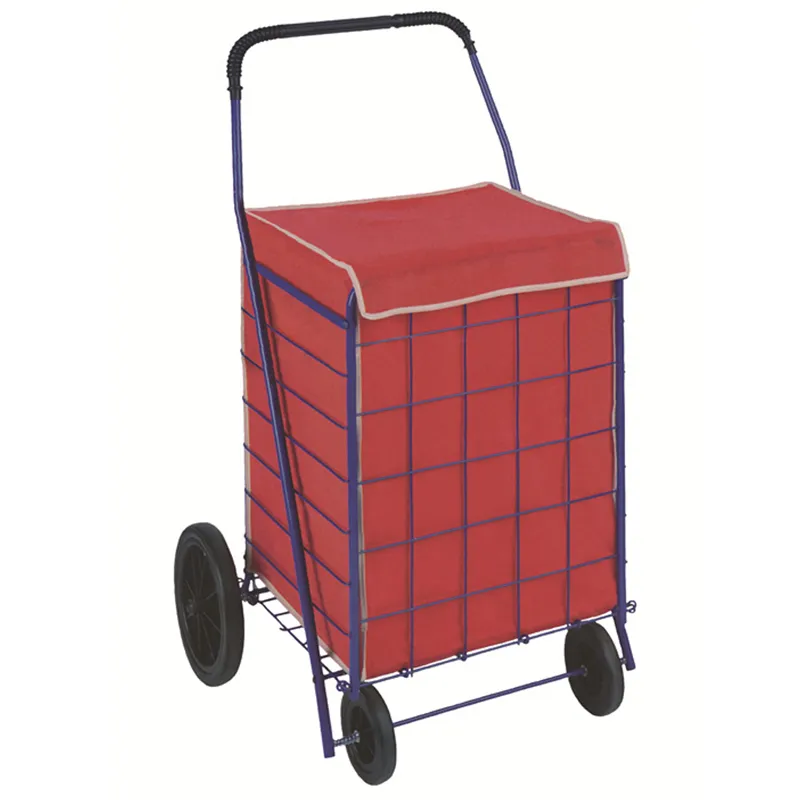
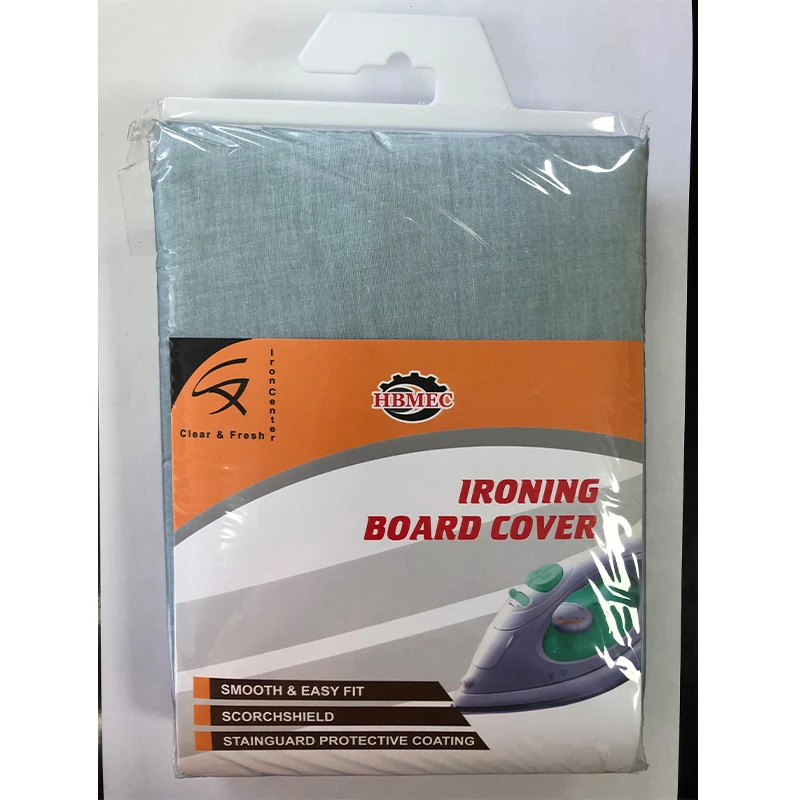
Image: Customized folding cart liner designed for efficient material organization and transport.
Ensuring Trustworthiness: FAQs, Lead Times, & Support
At HBMEC Textiles, building and maintaining client trust is paramount. Our commitment to quality, transparency, and reliable support underpins every aspect of our operations, from initial consultation to after-sales service for your shopping cart liner solutions.
Frequently Asked Questions (FAQs)
- Q: What are the typical lead times for custom shopping cart liner orders?
- A: For custom orders, lead times generally range from 3 to 5 weeks from final design approval and deposit. This includes material sourcing, production, quality control, and shipping preparation. Expedited options may be available depending on order complexity and current production schedule.
- Q: How do HBMEC Textiles' liners ensure hygiene and ease of cleaning?
- A: Our liners are crafted from materials like non-woven polypropylene or polyester, which are inherently easy to wipe clean. Many models feature water-resistant coatings or can be machine washed (refer to specific product care instructions). For healthcare or food service, we offer liners with fluid-resistant properties and optional silver-ion antimicrobial treatments to inhibit bacterial growth.
- Q: What is the expected service life of a heavy-duty shopping trolley liner?
- A: Our industrial-grade liners are designed for longevity. Depending on the material and usage intensity, a heavy-duty polyester liner can withstand 300 to 500+ usage cycles and washes. Proper maintenance significantly extends their service life, offering a cost-effective long-term solution compared to disposable alternatives.
- Q: Can you accommodate orders for large quantities and ongoing supply?
- A: Absolutely. HBMEC Textiles has scalable manufacturing capabilities to handle high-volume orders and establish ongoing supply agreements for national or international distribution. We work closely with clients to forecast demand and ensure consistent, timely delivery.
- Q: What environmental certifications or practices does HBMEC Textiles adhere to?
- A: We prioritize sustainable practices by utilizing recyclable materials, minimizing waste in our production processes, and offering products designed for extensive reusability. Our materials often comply with OEKO-TEX standards for harmful substances, and our manufacturing adheres to ISO 14001 principles for environmental management. We actively seek to reduce the environmental footprint associated with single-use alternatives.
Lead Time & Fulfillment Details
Our standard production lead time for bulk orders is typically 4 weeks, with an additional 1-2 weeks for shipping depending on the destination. Rush orders are accommodated on a case-by-case basis. We maintain clear communication throughout the order fulfillment process, providing regular updates from production to delivery. Our logistics partners are selected for their reliability and efficiency in B2B shipping.
Warranty Commitments
HBMEC Textiles stands by the quality of its products. All shopping cart liner products come with a 1-year limited warranty against manufacturing defects in materials and workmanship from the date of purchase. This warranty covers issues arising from normal use as per product guidelines. Any claims are handled efficiently by our dedicated support team to ensure client satisfaction.
Customer Support Information
Our expert customer support team is available to assist with inquiries, custom quotes, order tracking, and any technical support required for your shopping cart liner solutions. We offer multiple channels for communication:
- Email: sales@hbmectextiles.com (response within 24 business hours)
- Phone: +86-XXX-XXXX-XXXX (during business hours, M-F 9 AM - 5 PM GMT+8)
- Online Portal: Access our client portal for order history, technical documents, and direct support tickets.
Our goal is to provide seamless support, ensuring that your investment in HBMEC Textiles' products consistently delivers optimal performance and value.
Conclusion & Future Outlook
The modern shopping cart liner is far more than a simple fabric insert; it is a sophisticated, engineered textile solution essential for optimizing B2B operations across diverse industries. From enhancing hygiene and product protection to streamlining logistics and promoting sustainability, its technical advantages offer tangible ROI for businesses. As market demands continue to evolve, particularly in areas of e-commerce, hygiene, and environmental responsibility, the innovation in specialized liners will only accelerate.
Forward-thinking businesses are recognizing the strategic value of investing in high-quality, customizable shopping trolley liner solutions. By partnering with experienced manufacturers like HBMEC Textiles, which prioritize material science, precision manufacturing, and client-centric solutions, companies can future-proof their operations, enhance brand reputation, and achieve greater operational efficiency and sustainability.
References
- ISO 9001:2015 - Quality management systems — Requirements. International Organization for Standardization.
- OEKO-TEX Standard 100. International Association for Research and Testing in the Field of Textile and Leather Ecology.
- Textile World Magazine. "Advanced Materials & Manufacturing for Functional Textiles." [Accessed various articles on textile innovation and sustainability trends].
- Journal of Supply Chain Management. "Impact of Reusable Packaging on Logistics Efficiency and Environmental Footprint." [Accessed peer-reviewed articles on logistics and sustainability].
- FDA Food Code 2017 - Chapter 4: Equipment, Utensils, and Linens. U.S. Food & Drug Administration (for general hygiene principles).
-
Enhance Your Dining Space with a 52 by 70 tableclothNewsApr.16,2026
-
Choosing the Best Green Disposable Tablecloth for Your EventNewsApr.09,2026
-
Enhance Your Bedroom Decor with the Perfect Bedside Tablecloth GuideNewsApr.07,2026
-
Comprehensive Guide to Choosing the Perfect White Table Cloth Plastic for Your EventNewsApr.04,2026
-
Elevate Your Dining Space with a Stylish Modern Table CoverNewsMar.31,2026
-
Elevate Your New Years Celebration with the Perfect New Years Table ClothNewsMar.28,2026
-
Elevate Your Dining Experience with a Stunning Ocean TableclothNewsMar.26,2026
Hygienic Shopping Cart Liner: Reusable & Easy-Clean Solution
The Evolution of Material Handling: Understanding the Modern Shopping Cart Liner
In the dynamic landscape of modern retail and logistics, efficient and hygienic material handling solutions are paramount. The humble shopping cart liner has emerged as a critical component, transforming the way goods are transported, stored, and presented. Beyond simple containment, these liners now represent advanced textile engineering, designed for durability, hygiene, and optimal performance across various demanding environments. This comprehensive overview delves into the technical specifications, manufacturing processes, diverse applications, and strategic advantages that position these liners as indispensable assets for B2B operations.
Industry Trends Driving Liner Innovation
- Heightened Hygiene Standards: The global emphasis on public health and safety has propelled the demand for easily cleanable, sanitizable, and often antimicrobial liners, particularly in food retail and healthcare sectors.
- Sustainability Imperatives: A shift from single-use plastics towards reusable, long-lifecycle solutions is driving innovation in eco-friendly materials and robust construction that withstands repeated washing and heavy use.
- E-commerce & Last-Mile Delivery: The surge in online grocery and goods delivery necessitates specialized liners that offer insulation, organization, and protection during transit, ensuring product integrity from warehouse to doorstep.
- Operational Efficiency: Businesses seek liners that streamline workflows, reduce product damage, and enhance inventory management, contributing to significant cost savings and improved customer satisfaction.
- Brand Enhancement: Customizable liners offer a unique opportunity for branding and corporate identity reinforcement, turning a functional item into a marketing tool.
These trends highlight a market that prioritizes not just utility but also advanced performance characteristics, making the selection of a reliable supplier and a technically superior product more crucial than ever.
Technical Specifications and Material Science
The performance of a modern shopping cart liner is fundamentally determined by its material composition and design architecture. Manufacturers leverage advanced textile technologies to ensure optimal durability, functionality, and longevity. Key considerations include fabric type, coating technologies, and structural reinforcements.
Primary Material Types and Characteristics
- Non-Woven Polypropylene (NWPP): Widely used for its excellent tensile strength, tear resistance, and cost-effectiveness. NWPP can be treated for water resistance and is fully recyclable, aligning with sustainability goals.
- Polyester (PES): Known for superior strength-to-weight ratio, abrasion resistance, and dimensional stability. Polyester liners are ideal for heavy-duty applications and environments requiring frequent cleaning.
- Laminated Fabrics: Often involve a base fabric (e.g., NWPP, PES) laminated with a film (e.g., BOPP – Biaxially Oriented Polypropylene) to enhance water repellency, provide a smooth printable surface, and improve overall rigidity.
- Insulated Composites: For temperature-sensitive applications, multi-layer constructions incorporating thermal insulation materials (e.g., expanded polyethylene foam, aluminum foil linings) are employed to maintain internal temperatures. These are crucial for grocery and food delivery, effectively transforming a standard trolley into a temperature-controlled shopping trolley liner.
Key Technical Parameters
Selecting the appropriate shopping cart liner involves evaluating several critical technical specifications, which directly impact its suitability for specific operational demands.
| Parameter | NWPP Liner (Standard) | Polyester Liner (Heavy Duty) | Insulated Liner (Specialized) |
|---|---|---|---|
| Material Weight (GSM) | 80-120 GSM | 150-250 GSM | 180-300 GSM (composite) |
| Tensile Strength (N/5cm) | Long: 100-150, Trans: 80-120 | Long: 200-300, Trans: 150-250 | Long: 180-280, Trans: 140-220 |
| Tear Resistance (N) | Long: 15-25, Trans: 20-35 | Long: 40-60, Trans: 50-80 | Long: 30-50, Trans: 40-70 |
| Water Repellency | Hydrophobic (optional coatings) | Excellent (inherent + coatings) | High (sealed seams, laminated layers) |
| Temperature Range | -10°C to +70°C | -20°C to +90°C | -20°C to +50°C (maintains internal temp) |
| Cleaning Method | Wipe clean, hand wash | Machine washable, wipe clean | Wipe clean (inner), spot clean (outer) |
| Service Life (Cycles) | 100-200 uses | 300-500+ uses | 200-400 uses |
Image: High-strength polyester material used in advanced folding cart liner solutions.
Precision Manufacturing Process Flow
The manufacturing of a high-quality shopping cart liner involves a meticulous multi-stage process, ensuring that each product meets stringent performance and durability standards. Unlike heavy industrial processes such as casting or forging, textile manufacturing focuses on precision cutting, advanced seaming techniques, and rigorous quality assurance.
Manufacturing Stages: From Raw Material to Finished Product
- Material Sourcing & Inspection:
High-grade textile materials (e.g., specific GSM NWPP, polyester fabrics, thermal insulation layers) are sourced from certified suppliers. Incoming materials undergo rigorous quality checks for specifications such as weight, tensile strength, tear resistance, colorfastness, and eco-compliance (e.g., OEKO-TEX Standard 100 for harmful substances). This ensures the foundational integrity of every shopping trolley liner.
- Precision Cutting & Patterning:
Utilizing advanced Computer Numerical Control (CNC) cutting machines, large rolls of fabric are precisely cut according to digital patterns. This method minimizes material waste, ensures dimensional accuracy, and maintains consistency across batches, critical for perfectly fitting liners for various cart models.
- Industrial Stitching & Seaming:
Skilled technicians use industrial-grade sewing machines to assemble the cut fabric pieces. Critical areas, such as seams, handles, and stress points, are reinforced using double-stitching, bar-tacking, or ultrasonic welding for enhanced strength and longevity. This step is vital for the structural integrity and load-bearing capacity of the liner.
- Component Integration:
Additional features such as zippers, drawstrings, snap closures, rigid bottom inserts, inner pockets, and branding elements (e.g., embroidered logos, printed panels) are integrated. For insulated liners, multiple layers are carefully assembled and quilted to prevent thermal bridging and ensure consistent temperature retention.
- Quality Control & Performance Testing:
Each liner undergoes comprehensive quality assurance (QA) checks. This includes visual inspection for defects, measurement verification against specifications, and functional testing. Batch samples are subjected to stress tests, load-bearing tests (e.g., simulating 30kg over 1000 cycles), material integrity checks, and colorfastness tests. Adherence to international standards like ISO 9001 (Quality Management) and ISO 14001 (Environmental Management) is maintained throughout the process.
- Finishing & Packaging:
Finished liners are cleaned, folded, and packaged according to client specifications, often in bulk or individually poly-bagged. Sustainable packaging options are increasingly utilized to minimize environmental impact.
The emphasis on precision, material quality, and stringent testing standards ensures that each shopping cart liner delivered is not just a product, but a reliable, high-performance solution designed for extended service life and optimal operational advantage.
Application Scenarios & Technical Advantages
The versatility and technical capabilities of a modern shopping cart liner extend far beyond basic grocery shopping. These sophisticated textile solutions are strategically deployed across a multitude of B2B sectors, offering distinct operational advantages.
Target Industries & Usage Scenarios
- Retail & Grocery Stores:
For enhanced hygiene, preventing cross-contamination between products and cart surfaces. Insulated versions are vital for cold chain integrity during checkout and transport. Also used for in-store order picking for click-and-collect services, protecting items like delicate produce or bakery goods.
- Logistics & Warehouse Operations:
Facilitating internal material handling, sorting, and temporary storage of goods within warehouses. Durable liners protect sensitive components from dust, moisture, and impact during transit between different sections of a facility. The versatility of a folding cart liner allows for efficient space utilization when not in use.
- Food Service & Catering:
Ensuring hygienic transport of prepared meals, ingredients, and perishable goods. Insulated liners maintain optimal temperatures for hot or cold food delivery services, crucial for food safety and quality.
- Healthcare Facilities:
For laundry collection, sterile supply transport, and waste management. Liners with antimicrobial properties and easy-to-sanitize surfaces are essential in maintaining stringent cleanliness protocols.
- Hospitality & Event Management:
Used for transporting linens, amenities, and equipment. Customizable liners also serve as branded accessories for promotional events, reflecting professionalism.
Technical Advantages in Typical Scenarios
- Enhanced Product Protection: Robust materials and padded construction safeguard delicate items from impact, scratches, and spills, reducing merchandise damage during transport and improving customer satisfaction.
- Superior Hygiene & Sanitation: Easily washable, sometimes antimicrobial, materials mitigate the spread of germs and cross-contamination, crucial in public-facing retail and healthcare. This is a significant advantage over unlined carts.
- Temperature Control: Insulated liners maintain specific temperature ranges for extended periods, critical for perishable goods, pharmaceuticals, or hot/cold food deliveries. This prevents spoilage and ensures product integrity, leading to significant cost savings by reducing waste.
- Improved Operational Efficiency: Liners with compartments, pockets, or specific structural designs aid in organization and rapid sorting, streamlining order fulfillment and inventory management. This reduces labor time per order by up to 15% in busy retail environments, according to a recent logistics study.
- Durability & Longevity: Engineered with industrial-grade textiles and reinforced stitching, these liners withstand repeated heavy use and washing cycles, offering a significantly longer service life compared to standard consumer-grade bags. This translates to lower replacement costs over time.
- Environmental Sustainability: By providing a durable, reusable alternative to single-use bags or liners, these products contribute to reduced plastic waste and align with corporate sustainability initiatives.
Image: Insulated shopping cart liner ensuring temperature stability for perishable goods.
Customized Solutions & Vendor Comparison
Recognizing that off-the-shelf solutions rarely meet the precise operational demands of every B2B client, advanced manufacturers offer extensive customization options for their shopping cart liner products. This allows businesses to tailor liners to specific cart dimensions, material handling requirements, and brand identity.
Tailored Solutions for Unique Operational Needs
- Material Selection: Choice of heavy-duty polyester, waterproof laminates, antimicrobial fabrics, or multi-layer insulation composites based on specific application environments (e.g., cold chain, healthcare).
- Sizing & Fit: Custom dimensions to perfectly fit various models of shopping carts, utility trolleys, or industrial transport container111s, including specialized folding cart liner designs for compact storage.
- Structural Features: Integration of specialized compartments, reinforced base plates, internal dividers for segregation of goods, padded sections for fragile items, and secure closure mechanisms (zippers, drawstrings, buckles).
- Branding & Aesthetics: Custom printing of corporate logos, branding messages, color matching, and design elements to enhance brand visibility and provide a professional, consistent look.
- Ergonomics & Handling: Design variations for handles (webbing, padded), shoulder straps, or specific attachment points to facilitate easier loading, unloading, and transportation by personnel.
Vendor Comparison: Key Differentiators
When selecting a supplier for large-volume or specialized shopping cart liner solutions, B2B decision-makers must evaluate vendors beyond just price. Core competencies, quality assurance, and customer service are paramount.
| Criterion | HBMEC Textiles | Competitor A (Mass Market) | Competitor B (Niche Premium) |
|---|---|---|---|
| Customization Capabilities | Extensive (materials, size, features, branding) | Limited (standard sizes, basic colors) | Moderate (premium materials, limited sizing) |
| Material Quality & Durability | Premium industrial-grade, reinforced | Standard consumer-grade | High-grade specialty fabrics |
| Certifications (e.g., ISO, OEKO-TEX) | ISO 9001, OEKO-TEX compliant materials | Limited to none | Some material certifications |
| Lead Time (Avg. custom order) | 3-5 weeks (scalable production) | 6-8 weeks (high volume only) | 4-7 weeks (limited production capacity) |
| After-Sales Support & Warranty | Dedicated support, 1-year product warranty | Basic, limited warranty | Good, standard warranty |
| Price Point (per unit, bulk) | Competitive, value-driven for quality | Low (economy focus) | High (premium focus) |
HBMEC Textiles distinguishes itself through a balanced offering of extensive customization, superior material quality backed by robust certifications, and responsive customer support, ensuring high ROI for B2B partners seeking reliable and tailored shopping cart liner solutions.
Application Case Studies & Client Successes
Real-world application demonstrates the tangible benefits and return on investment (ROI) provided by expertly designed shopping cart liner solutions. Here are examples of how our partners have leveraged customized liners to optimize their operations.
Case Study 1: Large National Grocery Chain - Enhanced Cold Chain Logistics
- Challenge: Maintaining the integrity of perishable goods (frozen foods, dairy, produce) during in-store order picking for online orders and subsequent transit to pick-up points, especially in warmer climates. Existing solutions offered inadequate temperature retention, leading to spoilage and customer complaints.
- Solution: HBMEC Textiles engineered a custom insulated shopping trolley liner using multi-layer thermal reflective materials and a sealed zipper closure. These were designed to fit their standard large shopping carts and were tested to maintain temperatures below 5°C for up to 2 hours in ambient temperatures of 25°C.
- Results:
- Reduced Spoilage: A 70% reduction in temperature-related spoilage for perishable items during last-mile fulfillment.
- Improved Customer Satisfaction: A 25% increase in positive customer feedback regarding product freshness.
- Operational Efficiency: Streamlined order fulfillment as staff could prepare orders further in advance without immediate refrigeration.
Case Study 2: Regional Healthcare System - Cross-Contamination Control
- Challenge: Ensuring sterile transport of medical supplies and hygienic collection of soiled linens within a busy hospital environment, minimizing pathogen transmission risks via common utility carts.
- Solution: We provided a bespoke shopping cart liner series made from heavy-duty, fluid-resistant polyester with an integrated silver-ion antimicrobial treatment. These liners featured secure closures and clear labeling for "Sterile" vs. "Soiled" contents, designed for easy removal and high-temperature industrial washing.
- Results:
- Enhanced Infection Control: Documented reduction in surface bacterial counts on cart liners by 99.9% after washing cycles, contributing to overall infection prevention.
- Operational Safety: Improved staff adherence to hygiene protocols due to clearer segregation and ease of cleaning, validated by internal audits.
- Longevity: Liners withstood over 200 industrial wash cycles without significant degradation of material or antimicrobial properties.
Image: Customized folding cart liner designed for efficient material organization and transport.
Ensuring Trustworthiness: FAQs, Lead Times, & Support
At HBMEC Textiles, building and maintaining client trust is paramount. Our commitment to quality, transparency, and reliable support underpins every aspect of our operations, from initial consultation to after-sales service for your shopping cart liner solutions.
Frequently Asked Questions (FAQs)
- Q: What are the typical lead times for custom shopping cart liner orders?
- A: For custom orders, lead times generally range from 3 to 5 weeks from final design approval and deposit. This includes material sourcing, production, quality control, and shipping preparation. Expedited options may be available depending on order complexity and current production schedule.
- Q: How do HBMEC Textiles' liners ensure hygiene and ease of cleaning?
- A: Our liners are crafted from materials like non-woven polypropylene or polyester, which are inherently easy to wipe clean. Many models feature water-resistant coatings or can be machine washed (refer to specific product care instructions). For healthcare or food service, we offer liners with fluid-resistant properties and optional silver-ion antimicrobial treatments to inhibit bacterial growth.
- Q: What is the expected service life of a heavy-duty shopping trolley liner?
- A: Our industrial-grade liners are designed for longevity. Depending on the material and usage intensity, a heavy-duty polyester liner can withstand 300 to 500+ usage cycles and washes. Proper maintenance significantly extends their service life, offering a cost-effective long-term solution compared to disposable alternatives.
- Q: Can you accommodate orders for large quantities and ongoing supply?
- A: Absolutely. HBMEC Textiles has scalable manufacturing capabilities to handle high-volume orders and establish ongoing supply agreements for national or international distribution. We work closely with clients to forecast demand and ensure consistent, timely delivery.
- Q: What environmental certifications or practices does HBMEC Textiles adhere to?
- A: We prioritize sustainable practices by utilizing recyclable materials, minimizing waste in our production processes, and offering products designed for extensive reusability. Our materials often comply with OEKO-TEX standards for harmful substances, and our manufacturing adheres to ISO 14001 principles for environmental management. We actively seek to reduce the environmental footprint associated with single-use alternatives.
Lead Time & Fulfillment Details
Our standard production lead time for bulk orders is typically 4 weeks, with an additional 1-2 weeks for shipping depending on the destination. Rush orders are accommodated on a case-by-case basis. We maintain clear communication throughout the order fulfillment process, providing regular updates from production to delivery. Our logistics partners are selected for their reliability and efficiency in B2B shipping.
Warranty Commitments
HBMEC Textiles stands by the quality of its products. All shopping cart liner products come with a 1-year limited warranty against manufacturing defects in materials and workmanship from the date of purchase. This warranty covers issues arising from normal use as per product guidelines. Any claims are handled efficiently by our dedicated support team to ensure client satisfaction.
Customer Support Information
Our expert customer support team is available to assist with inquiries, custom quotes, order tracking, and any technical support required for your shopping cart liner solutions. We offer multiple channels for communication:
- Email: sales@hbmectextiles.com (response within 24 business hours)
- Phone: +86-XXX-XXXX-XXXX (during business hours, M-F 9 AM - 5 PM GMT+8)
- Online Portal: Access our client portal for order history, technical documents, and direct support tickets.
Our goal is to provide seamless support, ensuring that your investment in HBMEC Textiles' products consistently delivers optimal performance and value.
Conclusion & Future Outlook
The modern shopping cart liner is far more than a simple fabric insert; it is a sophisticated, engineered textile solution essential for optimizing B2B operations across diverse industries. From enhancing hygiene and product protection to streamlining logistics and promoting sustainability, its technical advantages offer tangible ROI for businesses. As market demands continue to evolve, particularly in areas of e-commerce, hygiene, and environmental responsibility, the innovation in specialized liners will only accelerate.
Forward-thinking businesses are recognizing the strategic value of investing in high-quality, customizable shopping trolley liner solutions. By partnering with experienced manufacturers like HBMEC Textiles, which prioritize material science, precision manufacturing, and client-centric solutions, companies can future-proof their operations, enhance brand reputation, and achieve greater operational efficiency and sustainability.
References
- ISO 9001:2015 - Quality management systems — Requirements. International Organization for Standardization.
- OEKO-TEX Standard 100. International Association for Research and Testing in the Field of Textile and Leather Ecology.
- Textile World Magazine. "Advanced Materials & Manufacturing for Functional Textiles." [Accessed various articles on textile innovation and sustainability trends].
- Journal of Supply Chain Management. "Impact of Reusable Packaging on Logistics Efficiency and Environmental Footprint." [Accessed peer-reviewed articles on logistics and sustainability].
- FDA Food Code 2017 - Chapter 4: Equipment, Utensils, and Linens. U.S. Food & Drug Administration (for general hygiene principles).
-
Enhance Your Dining Space with a 52 by 70 tableclothNewsApr.16,2026
-
Choosing the Best Green Disposable Tablecloth for Your EventNewsApr.09,2026
-
Enhance Your Bedroom Decor with the Perfect Bedside Tablecloth GuideNewsApr.07,2026
-
Comprehensive Guide to Choosing the Perfect White Table Cloth Plastic for Your EventNewsApr.04,2026
-
Elevate Your Dining Space with a Stylish Modern Table CoverNewsMar.31,2026
-
Elevate Your New Years Celebration with the Perfect New Years Table ClothNewsMar.28,2026
-
Elevate Your Dining Experience with a Stunning Ocean TableclothNewsMar.26,2026