
Nov . 14, 2025 07:30
Back to list
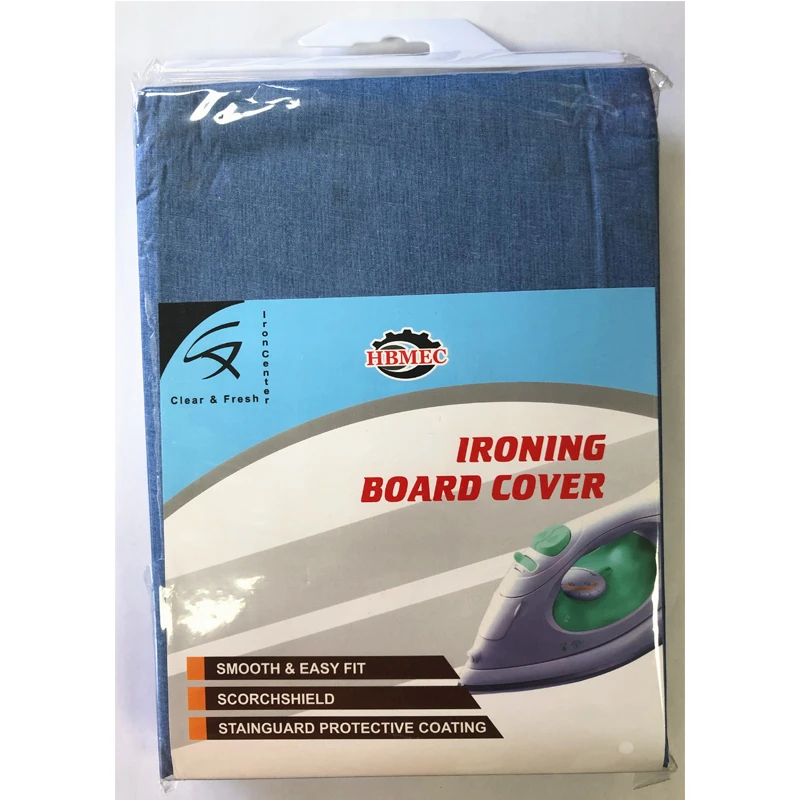
Industrial Grade Ironing Board Cover 115 x 38 – Durable & Custom Fit
Why the Right Ironing Board Cover 115 x 38 Matters in Industrial Settings
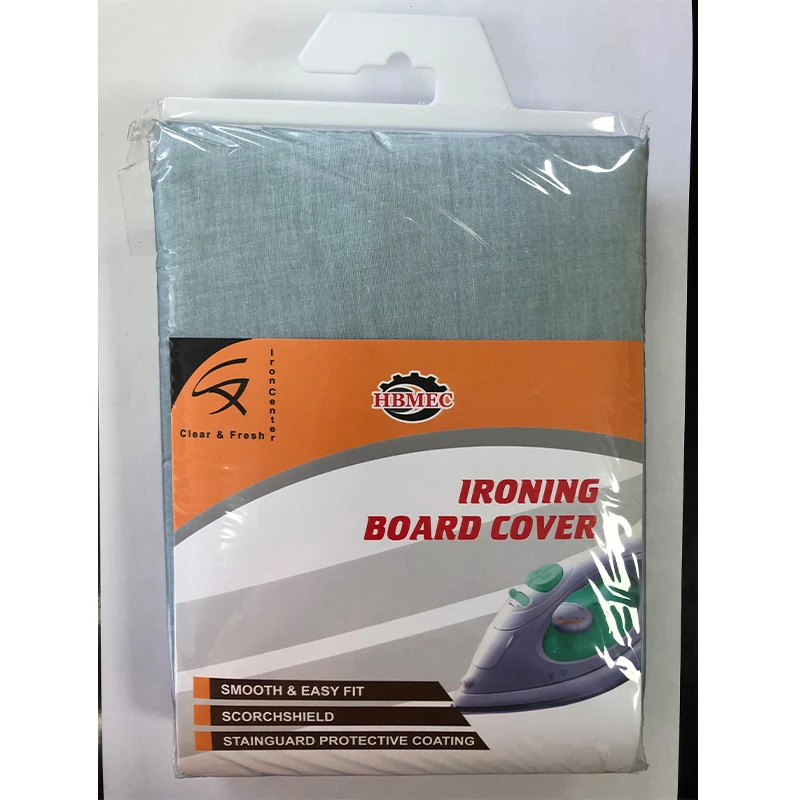
Working in industrial equipment for the better part of a decade, I’ve noticed something a bit unexpected: the ironing board cover isn’t just a trivial accessory. It’s a surprisingly crucial piece of gear—especially when you’re dealing with heavy daily usage, varied fabrics, and sometimes, the odd impatient operator who wants results fast. The ironing board cover 115 x 38 size is one of those sweet spots—large enough for most industrial needs yet tailored enough to avoid bunching or slipping. Honestly, the cover's material and fit can shave minutes off a pressing job or extend the life of the board itself. I recall a textile factory that switched to a well-fitted, heat-reflective, silicone-coated cotton cover for their 115 x 38 boards. The operators reportedly felt the difference immediately—smoother ironing, fewer burns on their products, and no more constant readjusting mid-shift. Oddly enough, it’s these little efficiency nudges that accumulate into big productivity gains.Key Features and Specifications of a Good Ironing Board Cover
To give a clearer picture, here’s a rundown of the specs that really make these covers industrial-strength. Many engineers and technicians I’ve spoken to put a premium on durability, heat resistance, and the quality of the padding underneath.| Feature | Specification | Why It Matters |
|---|---|---|
| Size | 115 x 38 cm | Fits standard industrial boards, avoids excess fabric folds |
| Material | Silicone-coated cotton or heavy-duty Teflon | Heat resistant, prevents scorching, smooth surface for easy ironing |
| Padding | High-density foam with felt base | Improves heat distribution and cushioning to avoid fabric marks |
| Attachment | Elasticized edges with drawstring or hook system | Ensures cover stays taut, reduces slipping during use |
| Durability | Washable and tear-resistant | Maintains shape and performance after repeated wash cycles |
Comparing Popular Industrial Ironing Board Cover Vendors
In real terms, sourcing the right cover involves balancing price, quality, and lead time. I’ve worked with a few vendors over the years — some local, some overseas — so here’s a quick vendor comparison that might help cut through the clutter:| Vendor | Material Quality | Customization | Price Range | Typical Lead Time |
|---|---|---|---|---|
| HBME Textiles | Top-grade cotton/silicone blend | Size & padding customization available | $$$ (mid to high) | 2-3 weeks |
| Industrial Covers Inc. | Standard cotton with basic heat coating | Limited | $ (budget) | 1-2 weeks |
| Pro Press Solutions | Premium Teflon-coated fabrics | High customization, including branding | $$$$ (premium) | 3-4 weeks |
A Small Customer Story That Sticks With Me
There was this manufacturing plant I visited, where they had two ironing stations side by side—one with old, worn covers and the other fitted with fresh, high-grade 115 x 38 covers. The difference? The team using the new covers reported clearer, faster pressing results and fewer complaints about fabric puckering. Even the supervisor commented that the downtime between shifts lessened because operators weren’t fiddling with covers that slipped or felt uneven. It’s not glamorous, but sometimes, the right cover really makes the job smoother. I suppose that’s the takeaway here: investing a touch more upfront on something like the ironing board cover 115 x 38 often pays itself back in time saved and product quality maintained. It’s easy to overlook, but covers are the unsung heroes in any serious laundry or textile operation.
References & Reflection
1. Personal experience from industrial laundry facilities visits (2015–2023)
2. Conversations with equipment maintenance engineers and textile operators
3. Vendor technical sheets and product tests for ironing board covers
1. Personal experience from industrial laundry facilities visits (2015–2023)
2. Conversations with equipment maintenance engineers and textile operators
3. Vendor technical sheets and product tests for ironing board covers
Share
Latest news
-
Enhance Your Dining Space with a 52 by 70 tableclothNewsApr.16,2026
-
Choosing the Best Green Disposable Tablecloth for Your EventNewsApr.09,2026
-
Enhance Your Bedroom Decor with the Perfect Bedside Tablecloth GuideNewsApr.07,2026
-
Comprehensive Guide to Choosing the Perfect White Table Cloth Plastic for Your EventNewsApr.04,2026
-
Elevate Your Dining Space with a Stylish Modern Table CoverNewsMar.31,2026
-
Elevate Your New Years Celebration with the Perfect New Years Table ClothNewsMar.28,2026
-
Elevate Your Dining Experience with a Stunning Ocean TableclothNewsMar.26,2026