
Iron Shoes for Protection
The humble act of ironing is a ritual practiced in households and industries worldwide, a final, transformative step that turns rumpled fabric into crisp, presentable clothing. However, this very power—the searing heat of the soleplate and the direct physical pressure—poses a significant risk to the fabrics it is meant to perfect. Delicate materials like silk and synthetic blends can easily scorch or develop an unwanted shine, while sticky residues from starches and fabric treatments can build up on the iron, impairing its glide and transferring stains to subsequent garments. This fundamental challenge of protecting delicate textiles from the tool designed to care for them has led to the development of one of the most crucial yet underappreciated ironing accessories: iron shoes for protection.
These specialized covers, often crafted from advanced materials, act as a protective barrier, a intermediary layer that diffuses heat and provides a flawless gliding surface. For professionals in the garment care industry, from dry cleaners to tailors, and for discerning home users who value their wardrobe investments, understanding and utilizing the right protective covering is as important as the iron itself. The evolution of these products, from basic cloth covers to sophisticated non-stick applications, represents a significant leap in textile care technology, ensuring that the pursuit of a perfect crease does not come at the cost of the garment's integrity. This commitment to innovation and quality in essential tools is reflected in the philosophy of long-standing manufacturers dedicated to comprehensive product solutions.
Unveiling the Teflon Iron Shoe
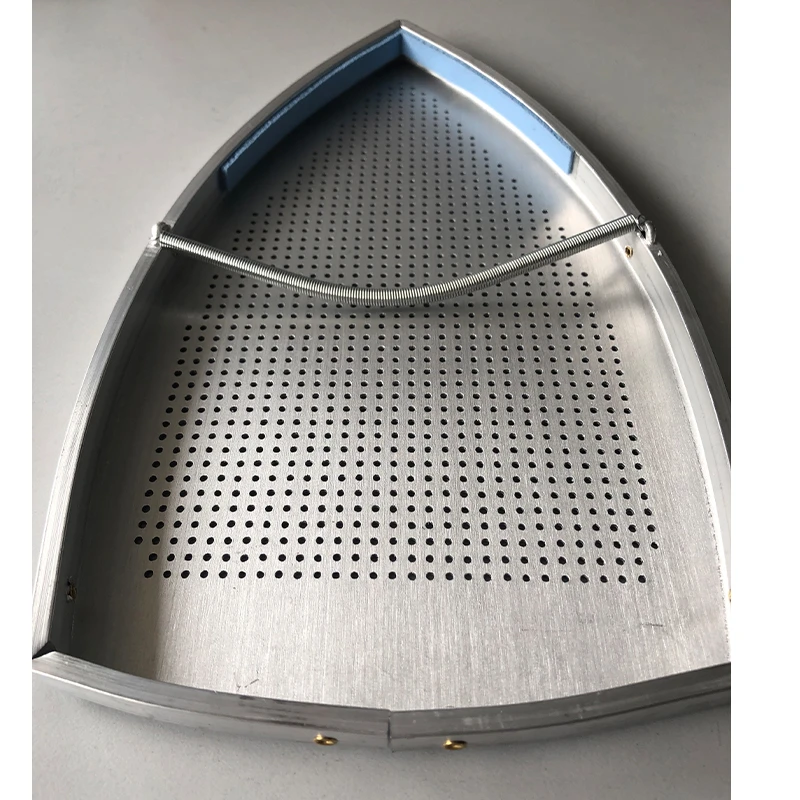
Among the various types of protective covers available, the teflon iron shoe stands out as a pinnacle of modern innovation in fabric care. This product is essentially a sleek, durable cover that fits securely over the soleplate of a steam iron, creating a smooth, non-porous, and non-stick surface between the hot metal of the iron and the delicate fibers of the garment.
- A teflon iron shoeallows the iron to glide effortlessly across any fabric, eliminating the drag and stickiness that can occur when a bare soleplate encounters starch, sizing, or certain synthetic materials. This effortless motion not only makes the physical act of ironing less strenuous but also significantly speeds up the process, as the iron does not catch or pull on the fabric.
- Most importantly, it serves as an impeccable heat diffuser. The intense, concentrated heat from the iron's soleplate is evenly distributed across the surface of the teflon iron shoe, preventing hot spots that are the primary cause of scorch marks and those dreaded shiny patches on dark trousers and suit jackets. This makes it an indispensable tool for ironing delicate and heat-sensitive materials that would otherwise be too risky to press with a conventional iron.
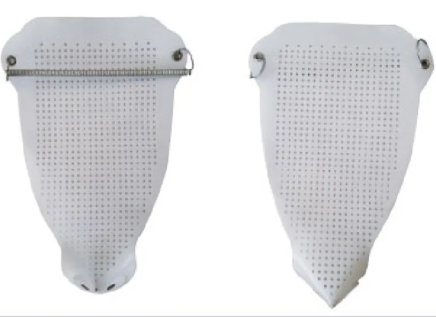
Understanding the Role of an Iron for Shoes
The core concept behind using an iron for shoes is the principle of a sacrificial, protective barrier. This fundamental idea is what makes iron shoes for protection so valuable across a wide spectrum of applications, from delicate home ironing to demanding industrial use. The term "shoe" is aptly chosen, as it functions much like a shoe for your foot, taking the brunt of the wear and tear while protecting what is inside. In the context of garment care, the primary garment is the valuable asset being protected. When you use an iron for shoes, you are proactively preventing a multitude of common ironing disasters. Scorching is the most obvious, but other issues include the transfer of sticky residues from one garment to another, which can create difficult-to-remove stains and attract lint. There is also the risk of melting, particularly with certain synthetic fabrics like polyester or nylon, which can fuse onto a hot soleplate, ruining both the garment and the iron. An iron for shoes acts as a reliable shield against all these hazards.
A Guide to Choosing Effective Iron Shoes
Selecting the most appropriate iron shoes for protection is critical to achieving the desired results and ensuring the safety of your garments. Not all covers are created equal, and the choice should be informed by the types of fabrics you most frequently iron and the specific features of your iron.
- The first and most important consideration is the fit. A poorly fitting shoe will be ineffective and potentially hazardous; it must sit snugly over the entire soleplate without obstructing the steam vents. Blocked steam vents can cause the iron to malfunction and lead to water leakage, which defeats the purpose of protection
- The material quality is another paramount factor. A high-quality teflon iron shoewill be made from a durable grade of PTFE that can withstand repeated exposure to high temperatures without degrading, peeling, or losing its non-stick properties. For those working with very delicate materials like velvet or sequins, a teflon iron shoe with a particularly smooth and flawless surface is essential to prevent snagging or crushing the delicate pile or decorations. The corporation's extensive experience in product development, having experienced a significant change in product structure and variety over the years, positions it well to understand these nuanced consumer needs.
FAQs about Demystifying the Use and Care of Protective Iron Shoes
Will using a teflon iron shoe affect the temperature or steam output of my iron?
A high-quality teflon iron shoe is designed to be thermally conductive, meaning it heats up quickly and does not significantly insulate the soleplate. You may need to set your iron to a slightly higher temperature setting to compensate for the thin layer, but it will not drastically reduce the heat.
How do I clean and maintain my iron for shoes to ensure its longevity?
Maintenance is simple and is a key part of its protective function. After the teflon iron shoe has cooled down completely, any residue or buildup can be wiped away with a damp cloth. For more stubborn deposits, a paste of baking soda and water can be gently applied. It is crucial to avoid using abrasive pads or harsh chemical cleaners, as these can scratch the non-stick surface, compromising its glide and protective qualities.
Are iron shoes for protection compatible with all types of irons?
Most iron shoes for protection are designed to be versatile and fit a wide range of standard steam irons. However, it is always best to check the product specifications for compatibility, particularly with irons that have unconventional soleplate shapes or unusually arranged steam vents.
Can a teflon iron shoe be used on all fabrics without any risk?
While a teflon iron shoe significantly reduces the risk of scorching and shining, it does not make an iron completely foolproof. It is always essential to select the appropriate heat setting for the specific fabric you are ironing. The shoe provides a vital layer of protection, but the user must still exercise judgment and refer to garment care labels to prevent heat damage.
How long does a typical teflon iron shoe last before it needs replacement?
The lifespan of a teflon iron shoe depends on the frequency of use and the types of products used on the garments. With regular cleaning and proper care, a high-quality shoe can last for many months of consistent use. The signs that it needs replacement are visible scratches on the surface, a loss of its non-stick properties causing the iron to drag, or any warping of the material.
The integration of iron shoes for protection into your ironing routine is a simple yet profoundly effective strategy for elevating the quality of your garment care while safeguarding your valuable clothing and appliance. The innovative teflon iron shoe, in particular, represents a perfect synergy of material science and practical application, offering an unparalleled non-stick glide and reliable heat diffusion that prevents common ironing mishaps. By selecting a high-quality, well-fitting cover and maintaining it properly, you can transform the chore of ironing into a safer, faster, and more consistently successful endeavor. This commitment to enhancing everyday tasks with reliable, well-engineered accessories reflects a broader dedication to quality and customer satisfaction, principles that have guided reputable manufacturers for decades.
-
Enhance Your Dining Space with a 52 by 70 tableclothNewsApr.16,2026
-
Choosing the Best Green Disposable Tablecloth for Your EventNewsApr.09,2026
-
Enhance Your Bedroom Decor with the Perfect Bedside Tablecloth GuideNewsApr.07,2026
-
Comprehensive Guide to Choosing the Perfect White Table Cloth Plastic for Your EventNewsApr.04,2026
-
Elevate Your Dining Space with a Stylish Modern Table CoverNewsMar.31,2026
-
Elevate Your New Years Celebration with the Perfect New Years Table ClothNewsMar.28,2026
-
Elevate Your Dining Experience with a Stunning Ocean TableclothNewsMar.26,2026