
Iron Shoes - Non-stick Protection for Steam Irons, No Scorch
The Quiet Upgrade Your Pressing Table Has Been Missing
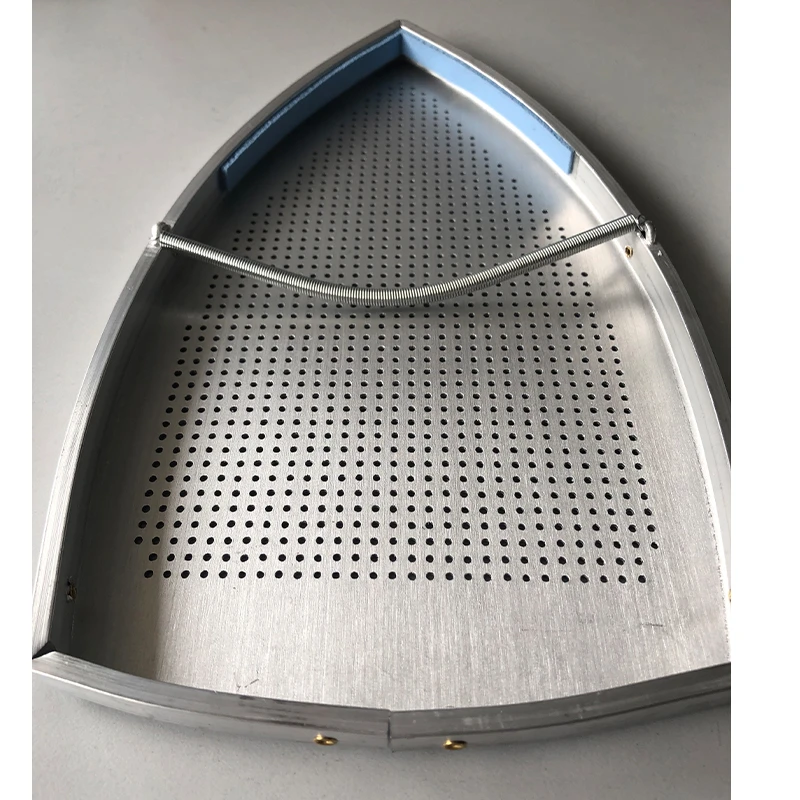
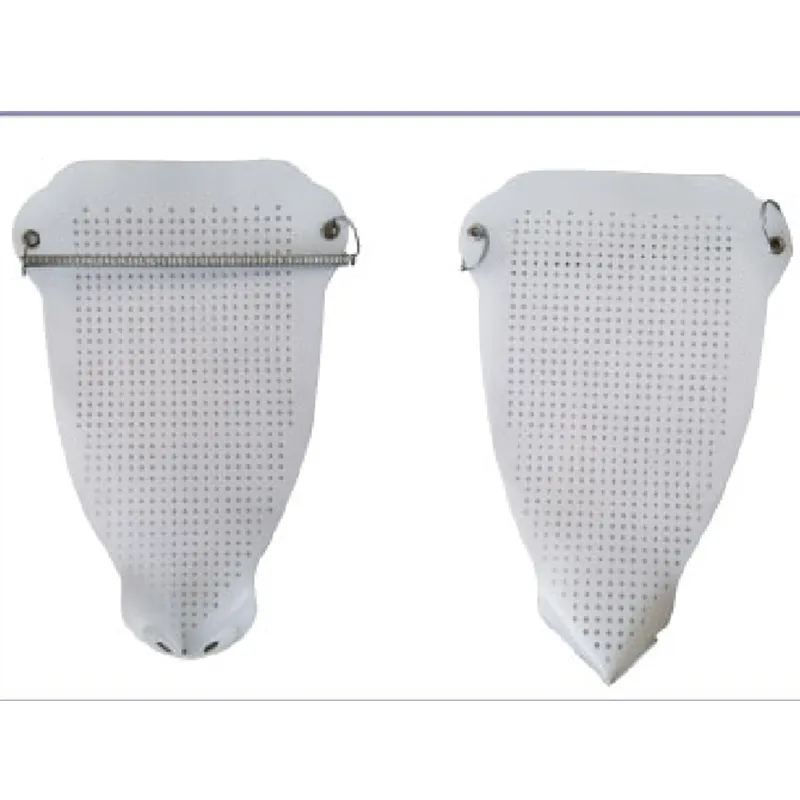
If you’ve ever scorched a silk blouse or left a shiny patch on dark wool, you already know why Iron Shoes are a thing in professional workrooms. In fact, many pattern rooms and dry cleaners treat them as PPE for fabrics—small cost, big insurance. And yes, they’re made from Teflon (PTFE), which is naturally slick and behaves nicely under heat and steam.
What’s Changing in the Industry
Two trends stand out. First, delicate and performance textiles are everywhere—satin blends, technical nylons, recycled polyesters—each with different heat tolerance. Second, to be honest, labor is tight: operators need tools that forgive minor mistakes. Iron Shoes spread heat more evenly, diffuse steam, and lower the friction at the fabric–soleplate interface. A lot of shops tell me their reject rate drops after adoption.
Technical Snapshot and Real-World Specs
| Product | Iron Shoes (PTFE shoe/cover) |
| Material | Teflon (PTFE), low-friction, high-temp |
| Continuous temp | ≈ 260°C (short peaks ≈ 300°C; real-world use may vary) |
| Coefficient of friction | ≈ 0.04 vs. fabric (ASTM D1894 guidance) |
| Thickness options | Around 0.6–1.2 mm |
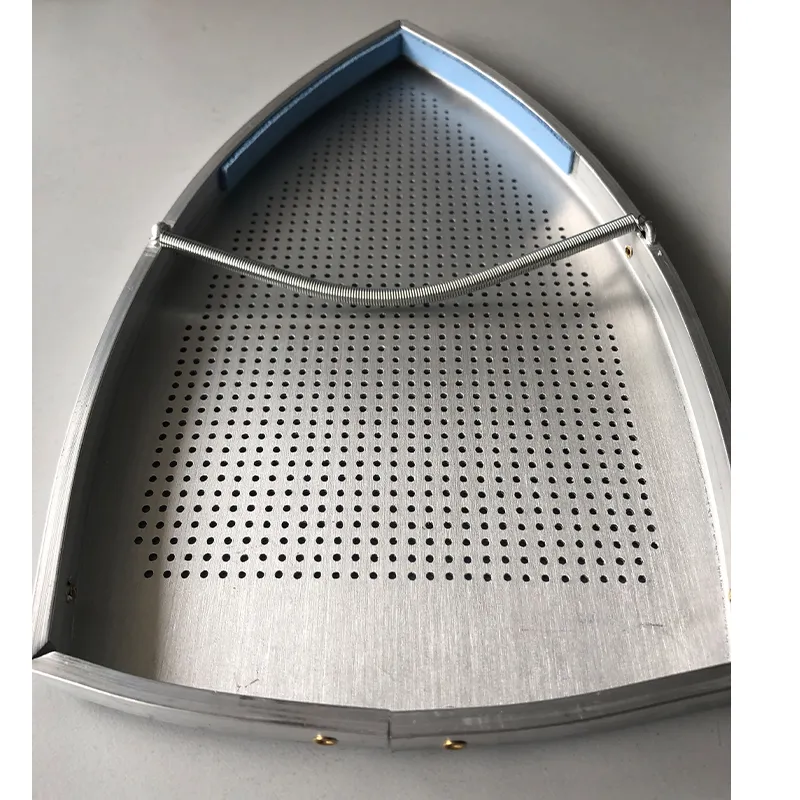
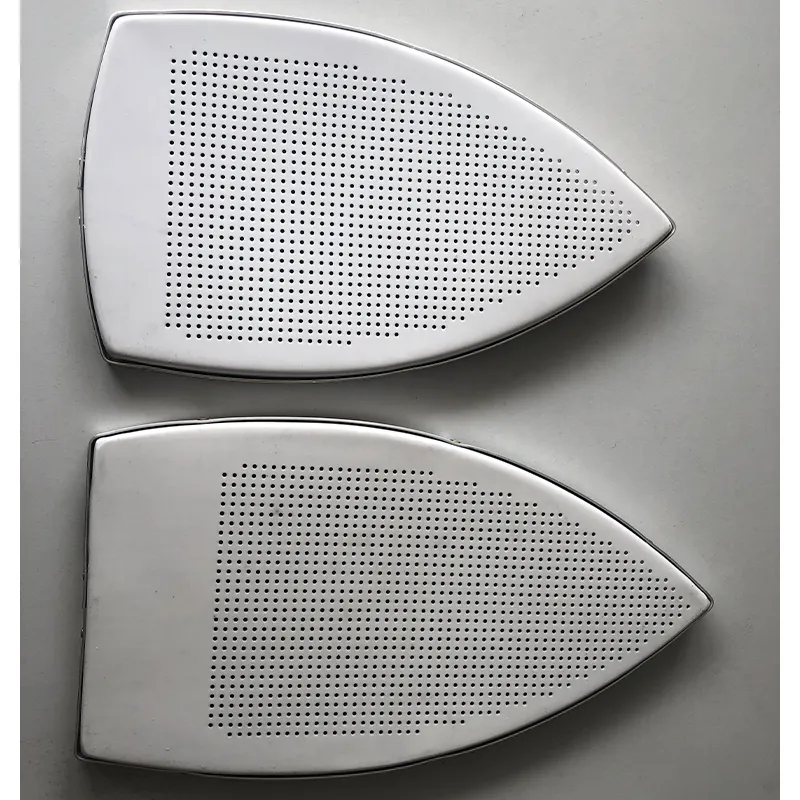
| Steam perforation | Uniform hole pattern for even diffusion |
| Mounting | Spring-clip / wrap strap; universal fits available |
| Origin | No.71, Hezuo Road, Shijiazhuang, P.R. China |
Quick test data from lab runs: Taber abrasion (ASTM D4060) mass loss measured low for PTFE; heat soak at 230°C for 2 hours showed no blistering; COF stayed stable after 5,000 strokes. Service life? Shops report ≈ 600–1,500 operating hours depending on pressure, cleaning, and soleplate condition.
Where They Shine (Literally Preventing Shine)
- Apparel factories and sample rooms: wool suiting, dark denims, interlinings
- Dry cleaners & tailoring: delicate synthetics, bridalwear, beaded areas
- Upholstery and automotive interiors: laminated fabrics, headliners
Advantages people mention: fewer gloss marks, better glide, easier rework on seams, and surprisingly, steadier steam—because the perforations diffuse hotspots.
Process Flow and Quality Controls
Materials: PTFE sheet; stainless clips. Methods: die-cut, edge finishing, perforation, clip assembly. Testing: thickness (ASTM D374), friction (ASTM D1894), abrasion (ASTM D4060), heat aging (shop-standard heat soak), steam distribution check over calibrated pad. Certifications typically requested: ISO 9001 factory QA; material compliance to REACH and RoHS. For end-use, operators still follow IEC 60335-2-3 iron safety on the appliance itself.
Vendor Comparison (What Buyers Usually Ask)
| Vendor | Material grade | Lead time | Warranty | Price (≈) |
|---|---|---|---|---|
| HBMEC Textiles (Iron Shoes) | PTFE, consistent thickness | 7–15 days | 12 months workmanship | Mid |
| Regional Importer A | PTFE blend | Stock/variable | 6–12 months | Low–Mid |
| OEM B (generic) | Unspecified PTFE | 20–30 days | 6 months | Low |
Customization & Feedback
Options: custom hole patterns, sizes for specific soleplates, logo etch, and OEM boxes. MOQs tend to start around 300 sets. Many customers say clip tension matters more than they expected—ask for a snug fit, not a fight.
Mini Case Notes
A Shenzhen suiting line cut returns by ≈35% after switching to Iron Shoes on pressing of dark wool. A boutique bridal shop reports fewer water spots because steam spreads more gently through the PTFE shoe—so operators can hover and press without fear.
Standards and Safety Notes
Materials should be traceable (PTFE grade; REACH/RoHS). Factory QA under ISO 9001 is a good sign. Always operate irons compliant with IEC 60335-2-3 and follow garment care symbols; the Iron Shoes reduce risk, they don’t rewrite physics.
References
- Chemours Teflon PTFE overview: https://www.chemours.com/en/brands-and-products/teflon/fluoropolymers/teflon-ptfe
- ASTM D1894 – Coefficient of Friction of Plastics: https://www.astm.org/d1894
- ASTM D4060 – Taber Abrasion: https://www.astm.org/d4060
- IEC 60335-2-3 – Safety for Electric Irons: https://webstore.iec.ch/publication/1198
- ISO 9001:2015 Quality Management Systems: https://www.iso.org/standard/62085.html
- ECHA REACH Regulation: https://echa.europa.eu/regulations/reach
-
Enhance Your Dining Space with a 52 by 70 tableclothNewsApr.16,2026
-
Choosing the Best Green Disposable Tablecloth for Your EventNewsApr.09,2026
-
Enhance Your Bedroom Decor with the Perfect Bedside Tablecloth GuideNewsApr.07,2026
-
Comprehensive Guide to Choosing the Perfect White Table Cloth Plastic for Your EventNewsApr.04,2026
-
Elevate Your Dining Space with a Stylish Modern Table CoverNewsMar.31,2026
-
Elevate Your New Years Celebration with the Perfect New Years Table ClothNewsMar.28,2026
-
Elevate Your Dining Experience with a Stunning Ocean TableclothNewsMar.26,2026