
Iron Shoes: Non-Stick Teflon Shield for Steam Irons
Teflon Pressing Accessories: A Pro’s Take from the Garment Floor
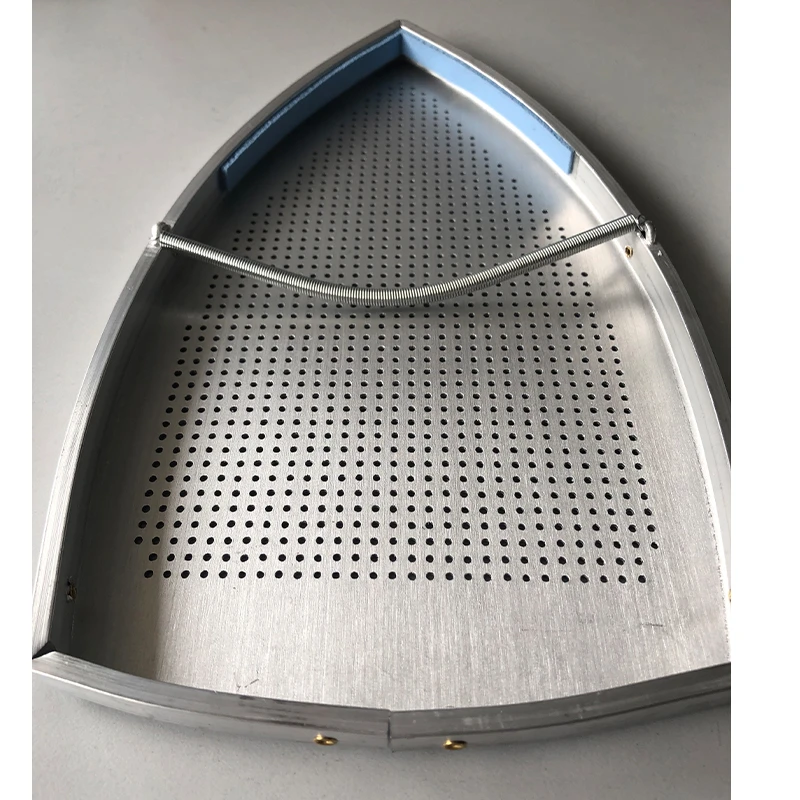
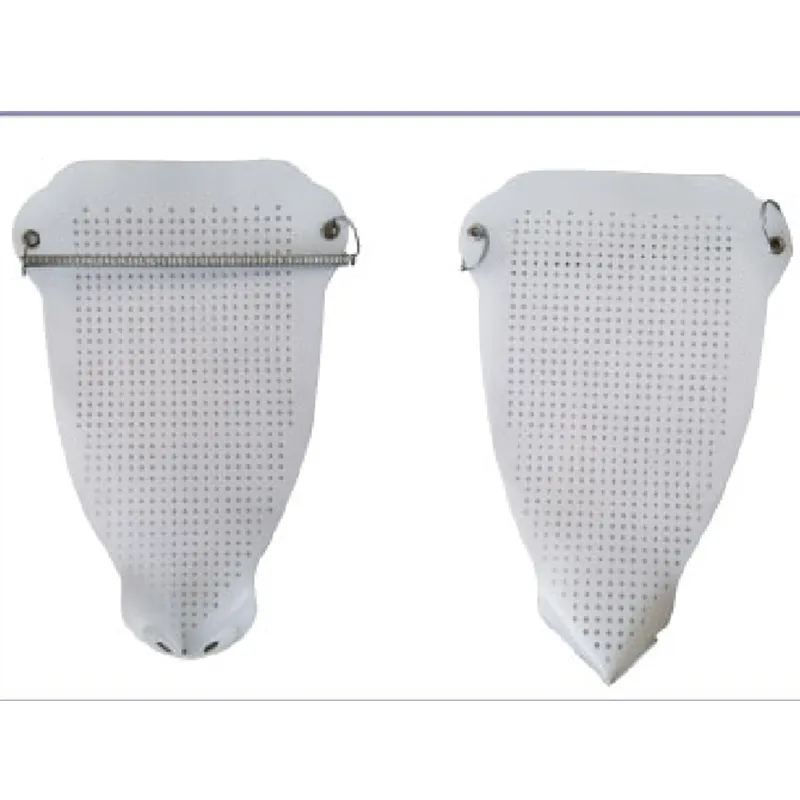
If you’ve ever scorched a delicate blouse two days before a runway show, you know why iron shoes are having a moment. In factories I’ve toured lately, supervisors quietly credit these lightweight add-ons for fewer reworks, smoother steam flow, and noticeably less “press shine.” It’s not hype—PTFE (Teflon) really does glide.
What’s driving the trend?
A few things: higher output targets, more delicate blends (silk-viscose, tencel-modal), sustainability pressure to cut rework, and operator safety. iron shoes disperse heat, reduce hotspots, and lower surface friction—so fabric fibers don’t get crushed and shiny. Many customers say they’re a small upgrade with outsized impact.
Product overview and specs
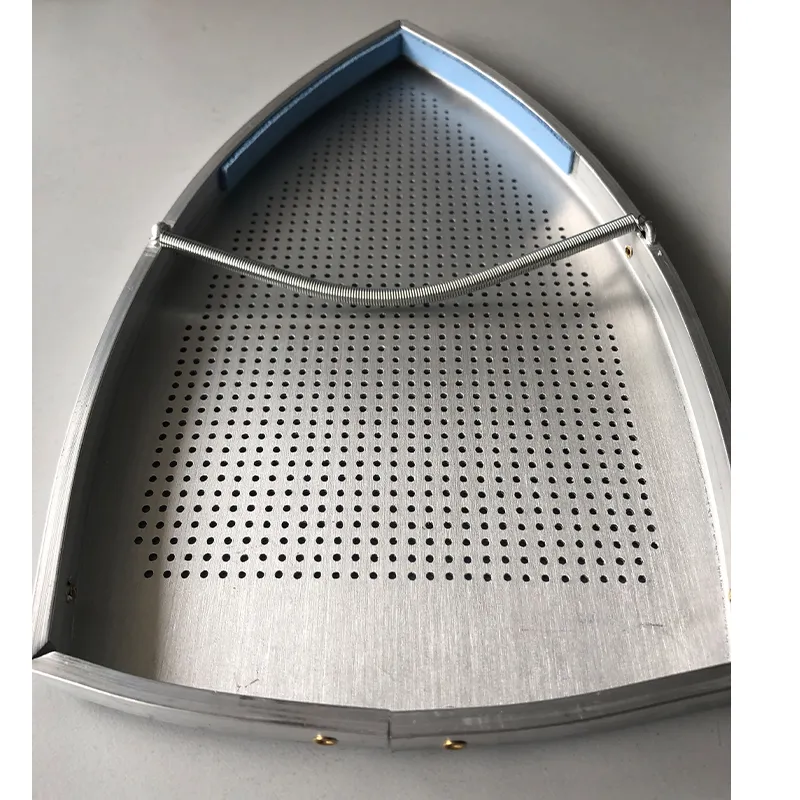
Product Name: Iron Shoes (PTFE pressing shoe), Origin: No.71, Hezuo Road, Shijiazhuang, P.R. China. The shell is Teflon (PTFE): high temperature resistance and ultra-low friction. In fact, PTFE handles continuous service near 260°C with a very low coefficient of friction.
| Parameter | Typical Value (≈, real-world may vary) |
|---|---|
| Material | PTFE (Teflon) with stainless hook/spring |
| Thickness | ≈ 0.7–1.0 mm |
| Temperature Range | Room temp to ≈ 260°C continuous (peaks ≈ 300°C) |
| Coefficient of Friction | ≈ 0.05–0.10 (ASTM D1894) |
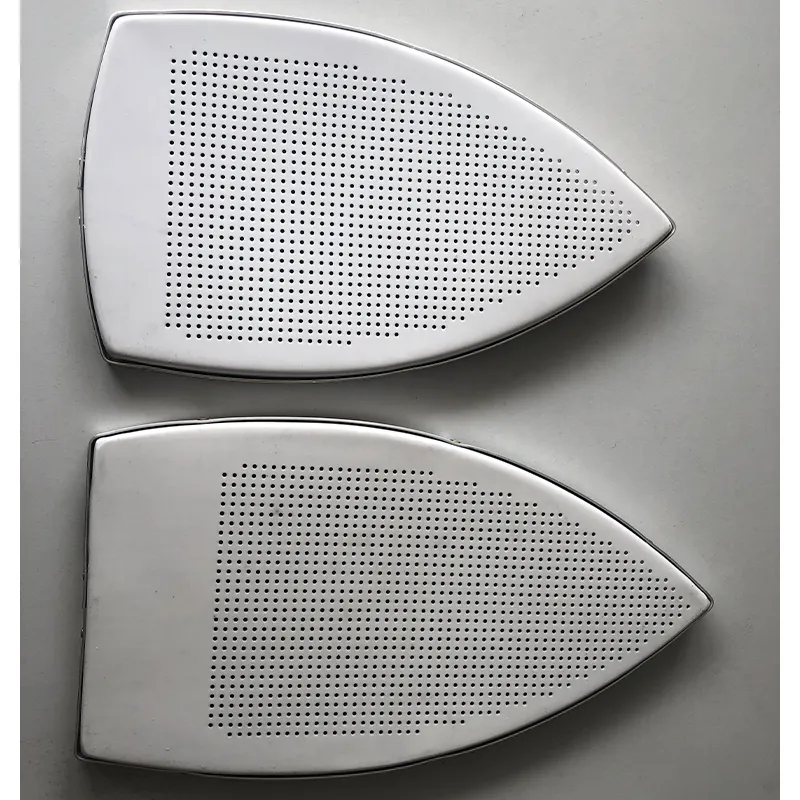
| Perforation | Uniform steam holes; custom patterns available |
| Compatible Irons | Household & industrial steam irons (select models) |
| Service Life | ≈ 6–18 months (duty cycle dependent) |
| Warranty | 12 months limited against manufacturing defects |
How they’re made (quick process flow)
- Materials: PTFE sheet (virgin or filled), stainless hook/spring, edge binding.
- Methods: CNC trimming, perforation mapping for steam distribution, edge finishing, mechanical hook fitment.
- Testing: CoF per ASTM D1894; temperature cycling to 260°C for 500–1,000 cycles; hook corrosion check (ASTM A967 passivation practices).
- QA: Dimensional fit test on sample iron plates; steam dispersion visual test; surface roughness spot checks.
Applications and advantages
- Industries: apparel manufacturing, dry cleaning, costume/props, upholstery, sample rooms.
- Use cases: dark wools (anti-shine), synthetics (anti-melt), silk (anti-scorch), printed logos (anti-stick), interlinings (no pickup).
- Benefits: fewer press marks, smoother glide, reduced rework, operator confidence, quicker training curves.
It seems that new operators adapt faster with iron shoes because the “forgiveness window” is wider—less chance of hot-spot accidents.
Vendor snapshot (quick comparison)
| Vendor | Origin | Material | Temp Rating | MOQ/Lead | Customization |
|---|---|---|---|---|---|
| HBMEC Textiles | No.71, Hezuo Rd, Shijiazhuang, China | PTFE + stainless hardware | ≈ 260°C cont. | Low / 10–15 days | Sizes, perforation, branding |
| Generic A (Import) | Mixed | PTFE-coated mesh | ≈ 230–250°C | Mid / 3–4 weeks | Limited |
| Brand B (EU) | EU | PTFE premium | ≈ 260°C | Low / 2–3 weeks | Broad options |
Customization, compliance, and real-world feedback
Options: fit to specific iron plates, logo etch, different hole maps, thicker PTFE for heavy-duty lines. Certifications often requested: ISO 9001 QA, REACH and RoHS compliance, supplier SGS reports. One Shenzhen sample room told me their iron shoes cut press-shine claims by ~40% month-on-month; a Midwest uniform plant reported fewer stick-on label mishaps—tiny wins that add up.
Case study (short and honest)
A 120-operator apparel factory swapped in iron shoes on three lines handling dark wool suits. After two weeks: rework down 18%, fabric burn incidents zero (from 3 minor incidents), operator training time on new hires down by about 30 minutes per person. Not magic—just smoother heat and less friction.
Bottom line
If your teams chase consistency across mixed fabrics, iron shoes are a low-cost, high-sanity upgrade. Check fit, verify PTFE quality, and ask for basic test data. Your finishing line—and your merchandisers—will probably thank you.
Authoritative citations
- Chemours: Teflon PTFE Fluoropolymer Properties and Temperature Limits — https://www.chemours.com/en/brands-and-products/teflon/teflon-fluoropolymers/ptfe
- ASTM D1894: Standard Test Method for Static and Kinetic Coefficients of Friction of Plastic Film and Sheeting — https://www.astm.org/d1894
- ISO 9001:2015 Quality Management Systems — https://www.iso.org/standard/62085.html
- ECHA: Understanding REACH; European Commission: RoHS Directive — https://echa.europa.eu/regulations/reach/understanding-reach; https://environment.ec.europa.eu/topics/waste-and-recycling/rohs-directive_en
-
Enhance Your Dining Space with a 52 by 70 tableclothNewsApr.16,2026
-
Choosing the Best Green Disposable Tablecloth for Your EventNewsApr.09,2026
-
Enhance Your Bedroom Decor with the Perfect Bedside Tablecloth GuideNewsApr.07,2026
-
Comprehensive Guide to Choosing the Perfect White Table Cloth Plastic for Your EventNewsApr.04,2026
-
Elevate Your Dining Space with a Stylish Modern Table CoverNewsMar.31,2026
-
Elevate Your New Years Celebration with the Perfect New Years Table ClothNewsMar.28,2026
-
Elevate Your Dining Experience with a Stunning Ocean TableclothNewsMar.26,2026