
Mesh Ironing Board Cover – Efficient, Durable & Eco-Friendly Solutions
Mesh Ironing Board Cover: More Than Just a Surface
At first glance, a mesh ironing board cover might seem like a small detail in the larger world of household essentials. But honestly, it’s one of those simple innovations that quietly improves everyday tasks globally. It marries practicality with durability, often addressing issues you didn’t even know existed—like heat distribution and airflow during ironing. Understanding these covers, their benefits, and why they're becoming more popular worldwide reveals interesting insights into textile design and utility.
Why Mesh Ironing Board Covers Matter Globally
Globally, ironing is a daily ritual in countless homes and industries. According to a 2022 report by the International Energy Agency (IEA), households spend roughly 2-5% of their annual electricity on ironing appliances alone. That’s a significant energy chunk when multiplied by millions of users worldwide. Mesh ironing board covers contribute by enabling better heat conduction and steam penetration, which means faster ironing and less energy wasted.
Frankly, one challenge that many ironing boards face is heat retention and moisture buildup, which can make ironing inefficient and even damage fabrics or boards. Mesh covers help resolve this by allowing hot steam and air to pass through, preventing sogginess and improving drying time.
What Exactly Is a Mesh Ironing Board Cover?
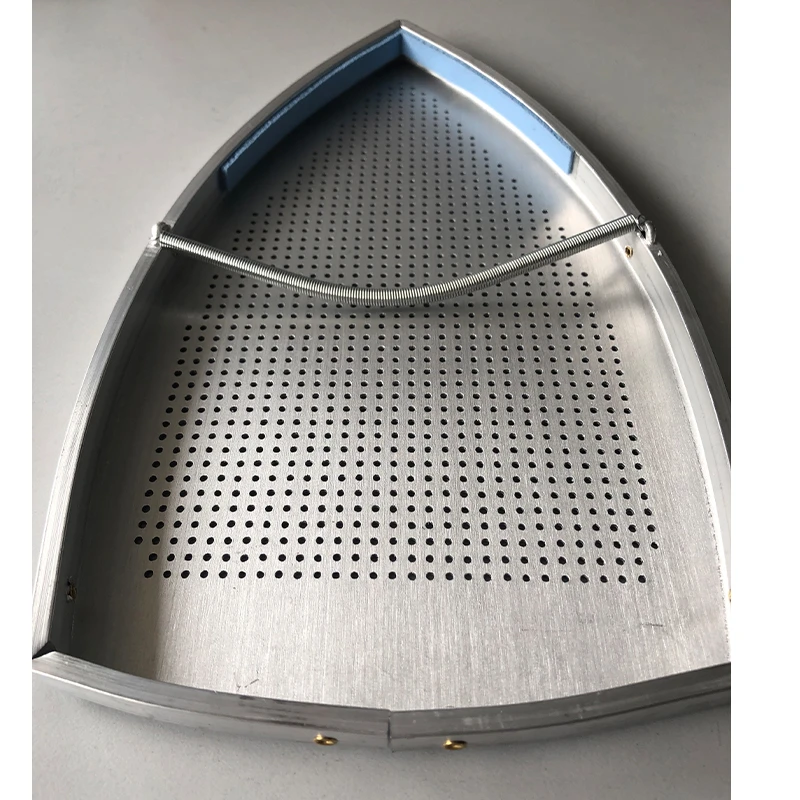
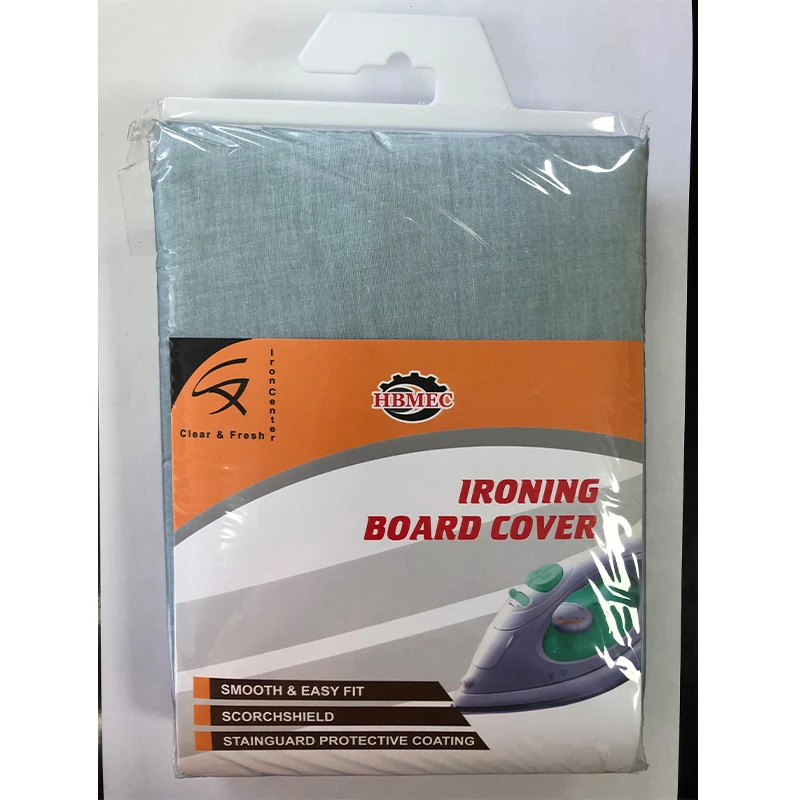
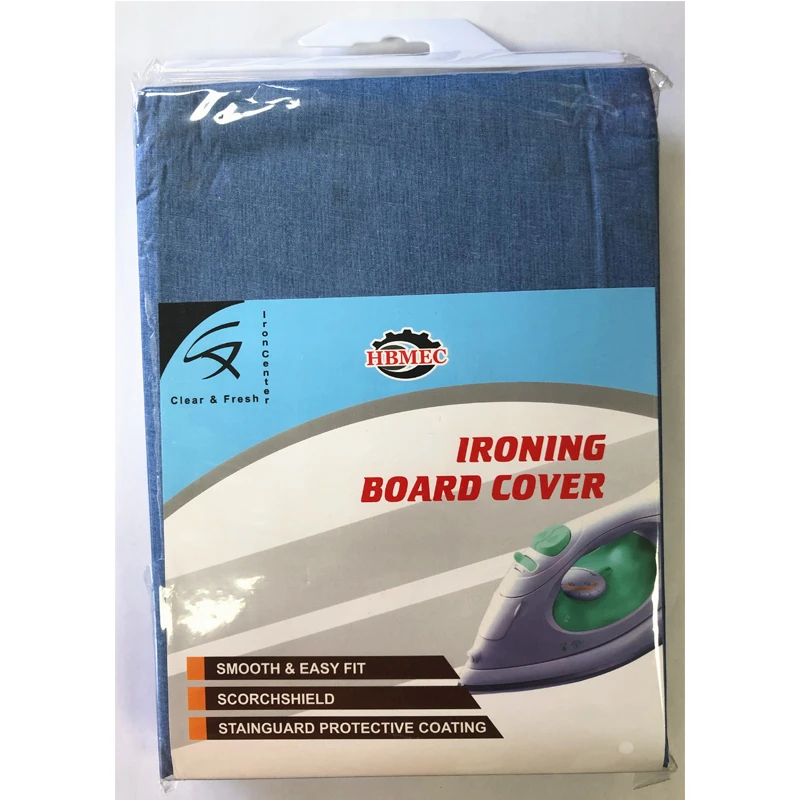
In essence, a mesh ironing board cover is a textile layer made with tightly woven, heat-resistant mesh fabric that fits snugly atop an ironing board. Unlike traditional padded covers, mesh ones allow steam to pass through effectively while maintaining enough cushioning to protect clothes and boards.
They're often paired with a thin silicone or foam padding underneath to soften the surface without compromising breathability. Modern covers combine technical fabrics, such as fiberglass or high-temperature polyester meshes, sometimes with reflective coatings to bounce heat back onto the garment.
Industrially, these covers can improve the working conditions of garment factories or laundries, where ironing efficiency impacts productivity. On the other hand, humanitarian programs relying on mobile textile care units appreciate covers that dry quickly and last longer under rigorous conditions.
Core Features of Mesh Ironing Board Covers Explained
1. Heat Resistance & Durability
These covers withstand frequent high-temperature exposure without degrading. Many use fiberglass mesh to resist scorching, sometimes combined with heat-reflective materials to enhance ironing speed.
2. Breathability and Steam Passage
Unlike thick cotton covers, mesh fabric allows steam and heat to move freely, reducing moisture accumulation and preventing fabric damage. This airflow reduces the chance of bacterial growth—oddly important if you’d like a hygienic, fresh-smelling garment right after.
3. Fit and Elasticity
Most mesh covers come with elastic edges or adjustable drawstrings to ensure a tight, smooth fit on various board sizes. A snug fit means smoother ironing with no annoying wrinkles or puckering.
4. Padding Compatibility
Mesh covers often go hand in hand with thin foam or silicone padding that’s heat-resistant, balancing softness and functionality.
5. Eco-Friendliness
Some newer designs use recycled or low-VOC materials, in line with today’s sustainability push in textiles.
Real-World Uses of Mesh Ironing Board Covers
Industries and households worldwide appreciate the practical advantage mesh covers deliver:
- Garment Factories: With massive daily ironing volume, breathable covers help speed production while protecting fabrics.
- Laundries and Dry Cleaners: Quick drying and durability reduce downtime and replacement costs.
- Households: In places with high humidity, steam escapes easily preventing soggy boards and mildewy smells.
- Post-Disaster Relief Operations: Portable ironing setups use mesh covers for fast deployment, easy cleaning, and long-term use.
For example, in Southeast Asia’s textile hubs, many workers prefer mesh covers for their smoothness and quick dry times. Remote NGOs setting up mobile laundries in tropical climates also find them indispensable.
Product Specification Table: Typical Mesh Ironing Board Cover
| Feature | Specification | Comment |
|---|---|---|
| Material | Fiberglass Mesh with Silicone Coating | Heat and steam resistant |
| Thickness | 2-3 mm (with padding) | Optimal balance for steam passage |
| Dimensions | 120cm x 40cm (Standard) | Fits most boards |
| Edge Style | Elastic band with drawstring | Ensures snug fit |
| Care Instructions | Wipe clean, no ironing on cover | Prolongs durability |
Vendor Comparison: Leading Mesh Ironing Board Covers
| Vendor | Material Quality | Price Range | Eco Features | Customer Ratings |
|---|---|---|---|---|
| HBME Textiles | High-grade fiberglass mesh | $15–$25 | Recycled materials available | 4.7/5 (1000+ reviews) |
| SteamTech Covers | Polyester mesh with silicone | $12–$20 | Limited eco options | 4.3/5 (850 reviews) |
| IronEase Solutions | Fiberglass with heat-reflective film | $18–$30 | Neutral | 4.6/5 (500 reviews) |
Why Choose Mesh Ironing Board Covers? Long-Term Benefits
Mesh covers reduce ironing times—practical and money-saving. They keep fabrics safe, avoiding the scorched patches or damp odors you sometimes get. In terms of sustainability, longer-lasting covers mean less waste and fewer replacements.
On a more human level, consider the dignity of a crisp shirt, a well-pressed uniform, or even a vacation outfit that’s ready quickly and hygienically. For garment workers, these covers reduce physical strain and help maintain quality control.
Looking Ahead: Trends Shaping Mesh Ironing Board Covers
The future seems geared towards even greener fabrics and smart textiles. Imagine mesh covers that incorporate temperature sensors or antimicrobial coatings. Automation in industrial ironing lines means covers will need to perform flawlessly under rapid cycles — a challenge many say is driving R&D today.
Meanwhile, companies like HBME Textiles are experimenting with bio-based coatings that reduce environmental impact without sacrificing durability.
Challenges & Solutions in Mesh Ironing Board Covers
Despite obvious benefits, mesh covers sometimes struggle with affordability, especially in emerging markets where traditional alternatives dominate. Also, they may require specific care, which some users overlook.
Experts suggest educational campaigns alongside product launches, plus modular designs that allow easy part replacements. Innovations in stretch fabrics help too; no one wants a loose, wrinkly fit.
FAQ About Mesh Ironing Board Covers
- Q: Can mesh ironing board covers be used on all ironing boards?
- A: Most mesh covers are designed with adjustable fitting mechanisms such as elastic drawstrings enabling compatibility with standard board sizes. However, very small or specialty boards might require custom covers.
- Q: How do mesh covers affect ironing with steam irons?
- A: Mesh covers improve steam penetration and evaporation, resulting in quicker drying and sharper creases. They minimize moisture build-up that can lead to fabric damage or board deterioration.
- Q: Are mesh ironing board covers harder to clean than traditional covers?
- A: Generally, mesh covers are easy to maintain — wiping down after use is usually sufficient. Avoid direct ironing over the cover to prolong lifespan.
- Q: Do mesh covers provide better heat reflection?
- A: Many mesh covers incorporate silicone or heat-reflective films that bounce heat back into fabrics, making ironing more energy-efficient.
Wrapping Up: Why Invest in a Mesh Ironing Board Cover?
Investing in a mesh ironing board cover isn’t just a minor purchase; it’s a small upgrade with outsized impact. From saving time and energy to protecting your garments and ensuring hygienic results, it’s a smart choice for homes and industries alike. If you want a lasting improvement to your ironing experience, look no further than specialized, quality mesh covers.
For a variety of premium options, visit mesh ironing board cover providers who truly understand the balance of utility and innovation.
References
-
Enhance Your Dining Space with a 52 by 70 tableclothNewsApr.16,2026
-
Choosing the Best Green Disposable Tablecloth for Your EventNewsApr.09,2026
-
Enhance Your Bedroom Decor with the Perfect Bedside Tablecloth GuideNewsApr.07,2026
-
Comprehensive Guide to Choosing the Perfect White Table Cloth Plastic for Your EventNewsApr.04,2026
-
Elevate Your Dining Space with a Stylish Modern Table CoverNewsMar.31,2026
-
Elevate Your New Years Celebration with the Perfect New Years Table ClothNewsMar.28,2026
-
Elevate Your Dining Experience with a Stunning Ocean TableclothNewsMar.26,2026