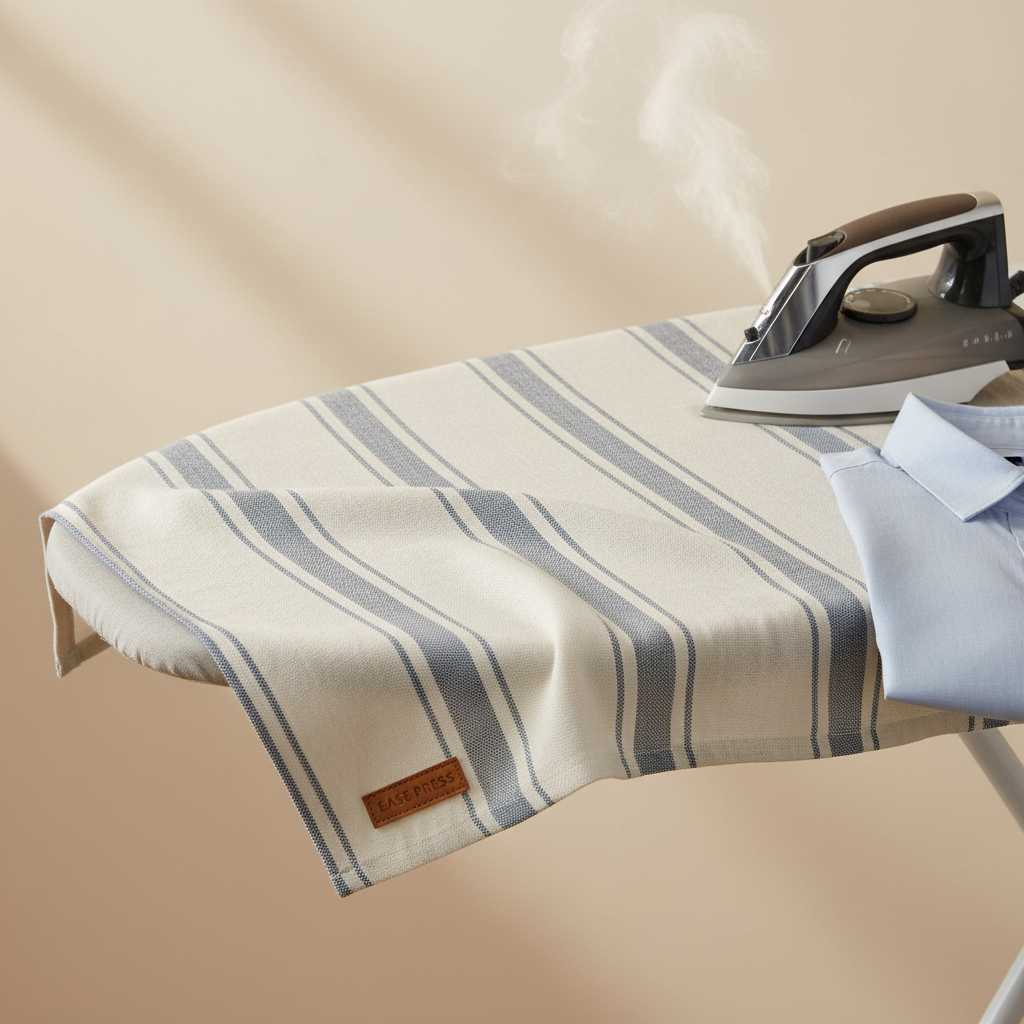
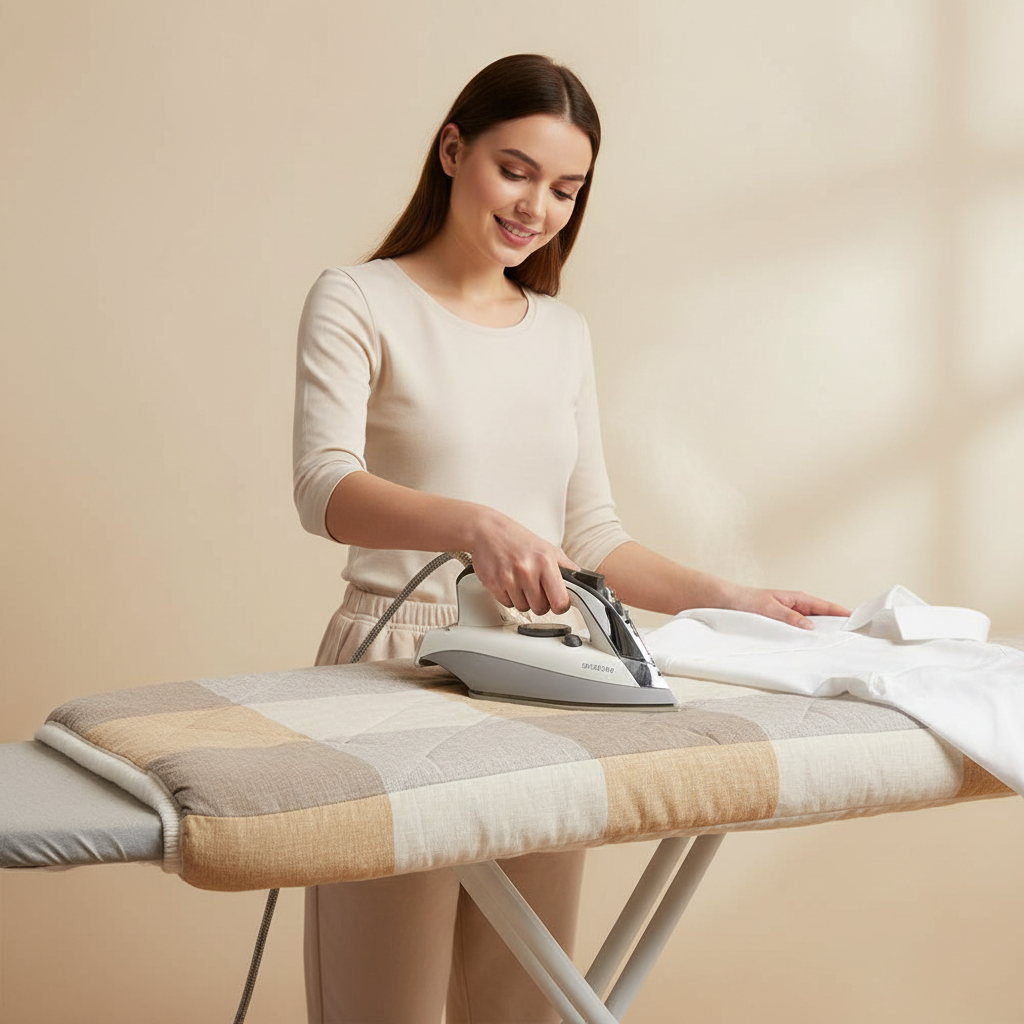
The humble table top ironing board cover often goes unnoticed, yet it’s a critical component in maintaining a tidy and efficient household. Globally, ironing remains a prevalent practice, especially in regions prioritizing a crisp, polished appearance in clothing. A quality table top ironing board cover isn't just about protecting the ironing board itself; it contributes to the overall ironing experience, impacting heat distribution, fabric care, and ultimately, the lifespan of garments. Understanding the nuances of these covers – materials, construction, and care – can significantly improve ironing results and household management.
The market for ironing-related products, including table top ironing board covers, is substantial and continues to evolve with changing lifestyles and fabric technologies. From traditional cotton covers to modern, heat-reflective materials, consumers are increasingly seeking options that enhance performance and durability. This demand fuels innovation in textile manufacturing, leading to specialized covers designed for specific ironing needs, such as delicate fabrics or high-temperature steaming. Efficient ironing practices, supported by a reliable table top ironing board cover, contribute to extended clothing life cycles, reducing textile waste.
Beyond the home, table top ironing board covers find applications in commercial settings like laundries, dry cleaners, and tailoring shops. These establishments require robust and long-lasting covers capable of withstanding frequent, intensive use. The importance of a well-maintained ironing setup extends to professional garment care, directly impacting service quality and customer satisfaction. Consequently, a durable table top ironing board cover becomes a crucial investment for these businesses.
The Core Significance of Table Top Ironing Board Covers
A table top ironing board cover serves as more than just a protective layer; it's an integral part of the ironing process, influencing steam distribution, preventing scorching, and ensuring a smooth finish on clothes. Without a suitable cover, the metal surface of the ironing board can directly damage fabrics and hinder effective wrinkle removal. A quality table top ironing board cover extends the life of both your ironing board and your garments.
The significance of a well-chosen cover is particularly evident with delicate fabrics like silk, linen, or synthetics. These materials require a smooth, protective barrier to prevent direct contact with the hot metal, reducing the risk of melting, discoloration, or damage. Investing in a cover specifically designed for these fabrics is crucial for maintaining their quality and appearance.
Defining a Table Top Ironing Board Cover
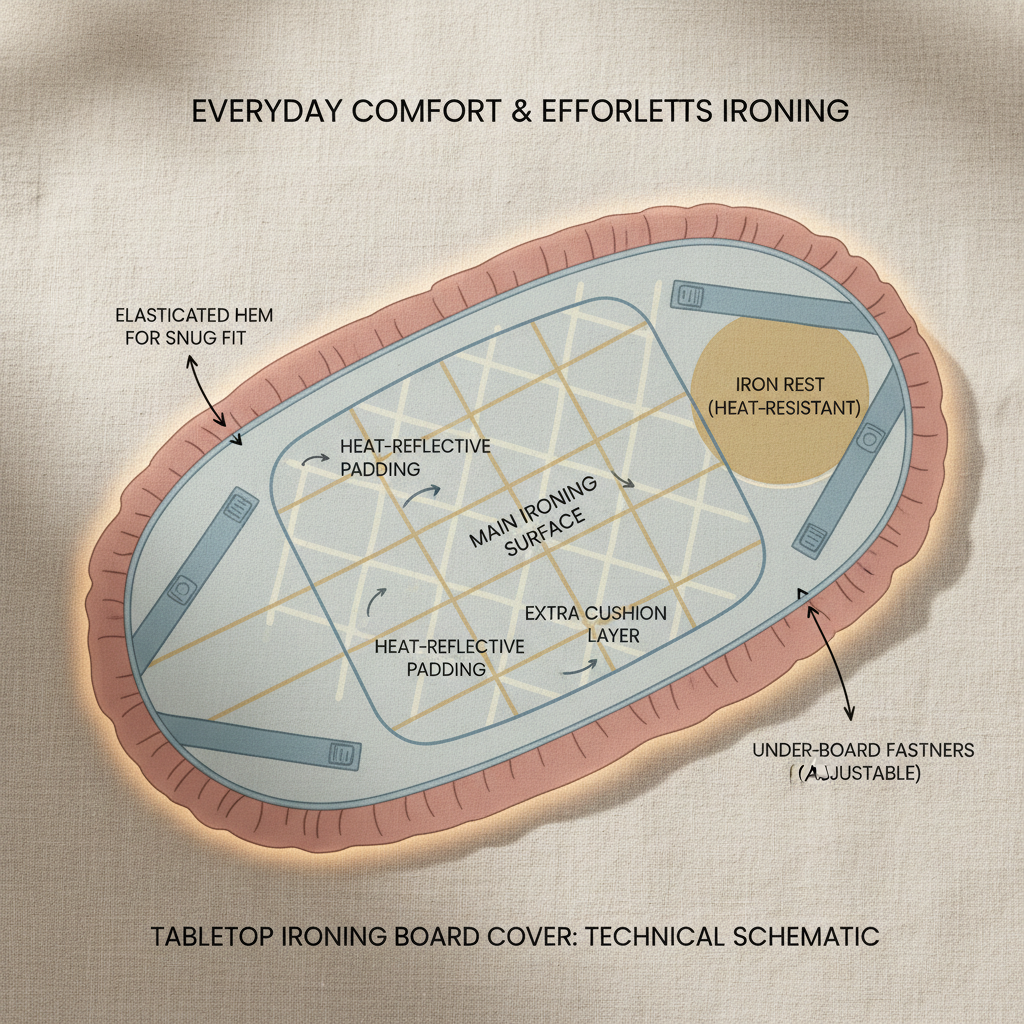
A table top ironing board cover is a padded fabric casing designed to fit over the surface of a table top ironing board. Its primary function is to provide a smooth, heat-resistant surface for ironing clothes, protecting both the board and the fabric being ironed. Covers are typically constructed from multiple layers, including a base fabric, padding for heat insulation and cushioning, and a top layer designed for durability and smooth gliding.
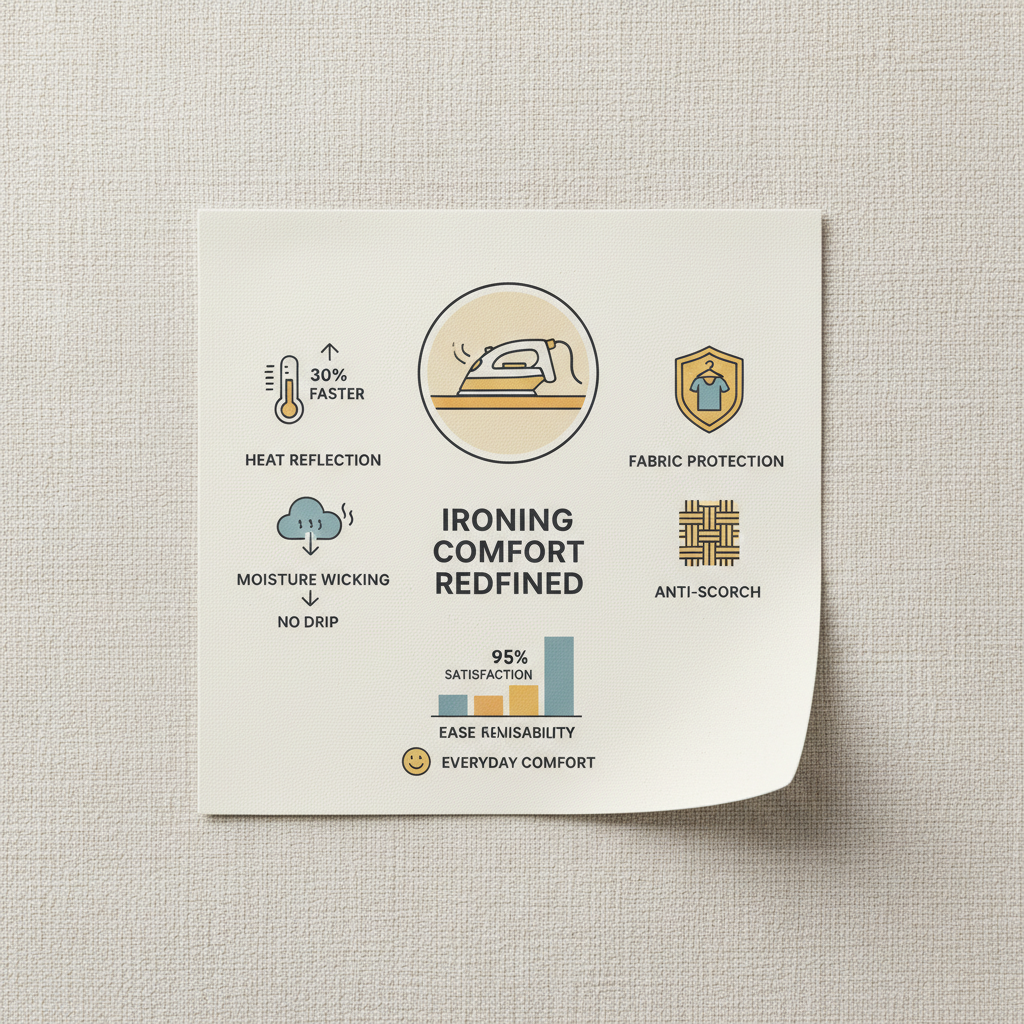
The connection to modern industry lies in the advancements in textile technology and manufacturing processes. Modern covers utilize materials like silicone-coated fabrics, heat-reflective layers, and moisture-wicking technologies to enhance performance and longevity. This reflects a broader trend toward specialized textiles engineered for specific applications.
In relation to humanitarian needs, while not a direct aid item, access to proper ironing facilities (equipped with functional covers) can contribute to dignity and hygiene, particularly in refugee or disaster relief settings. Clean, presentable clothing enhances self-esteem and fosters a sense of normalcy in challenging circumstances.
Key Factors Influencing Table Top Ironing Board Cover Quality
Several factors determine the quality and performance of a table top ironing board cover. Durability is paramount, determined by the strength and weave of the fabric, as well as the quality of the stitching. A robust cover withstands frequent use and high temperatures without tearing or wearing thin.
Heat Resistance is critical to prevent scorching and protect both the board and the garments. Materials like silicone-coated fabrics and heat-reflective layers excel in this aspect. Padding Density significantly impacts ironing comfort and the quality of the finished result. Adequate padding provides a smooth, cushioned surface, preventing imprints from the board onto the fabric.
Fabric Composition plays a vital role. Cotton offers good absorbency and comfort, while polyester provides durability and wrinkle resistance. Blends often combine the benefits of both. Ease of Cleaning and maintenance are also essential, as covers accumulate dust, lint, and starch residue over time. Machine-washable covers are preferred for convenience.
Practical Applications and Use Cases
Table top ironing board covers are ubiquitous in household settings globally, serving as an essential component of laundry routines. Beyond domestic use, they are indispensable in commercial laundries and dry-cleaning businesses, where they withstand heavy, continuous use. These businesses rely on durable, high-quality covers to maintain efficiency and service standards.
In the garment manufacturing industry, covers are used during quality control and finishing processes, ensuring garments meet required presentation standards. Tailoring shops also extensively utilize them for pressing and altering clothing. In post-disaster relief operations, providing access to ironing facilities—including covers—can offer a sense of normalcy and dignity to affected populations.
Remote industrial zones, such as garment factories in developing countries, also rely on a constant supply of durable covers. Maintaining a consistent ironing standard is crucial for meeting export quality requirements and upholding brand reputation.
Table Top Ironing Board Cover Performance Metrics
Advantages and Long-Term Value Proposition
Investing in a high-quality table top ironing board cover offers significant tangible benefits. Cost-effectiveness stems from increased durability, reducing the frequency of replacements. Sustainability is enhanced by prolonging the life of garments, decreasing textile waste and the environmental impact of clothing production.
Beyond the practical, a well-maintained ironing setup fosters a sense of pride and care in personal appearance. The emotional benefit of presenting a polished image boosts confidence and self-esteem. Reliable performance instills trust in the ironing process, ensuring consistent results and minimizing the risk of garment damage.
Future Trends and Innovations in Cover Technology
The future of table top ironing board covers is likely to incorporate smart textiles with embedded sensors capable of monitoring temperature and moisture levels, optimizing ironing performance and preventing damage. Biodegradable and compostable cover materials are gaining traction, aligning with growing sustainability concerns.
Digital integration, such as QR codes linking to ironing guides and fabric care instructions, could enhance user experience. Automation in manufacturing processes will further streamline production and lower costs, making advanced cover technologies more accessible to consumers.
Challenges and Solutions in Table Top Ironing Board Cover Implementation
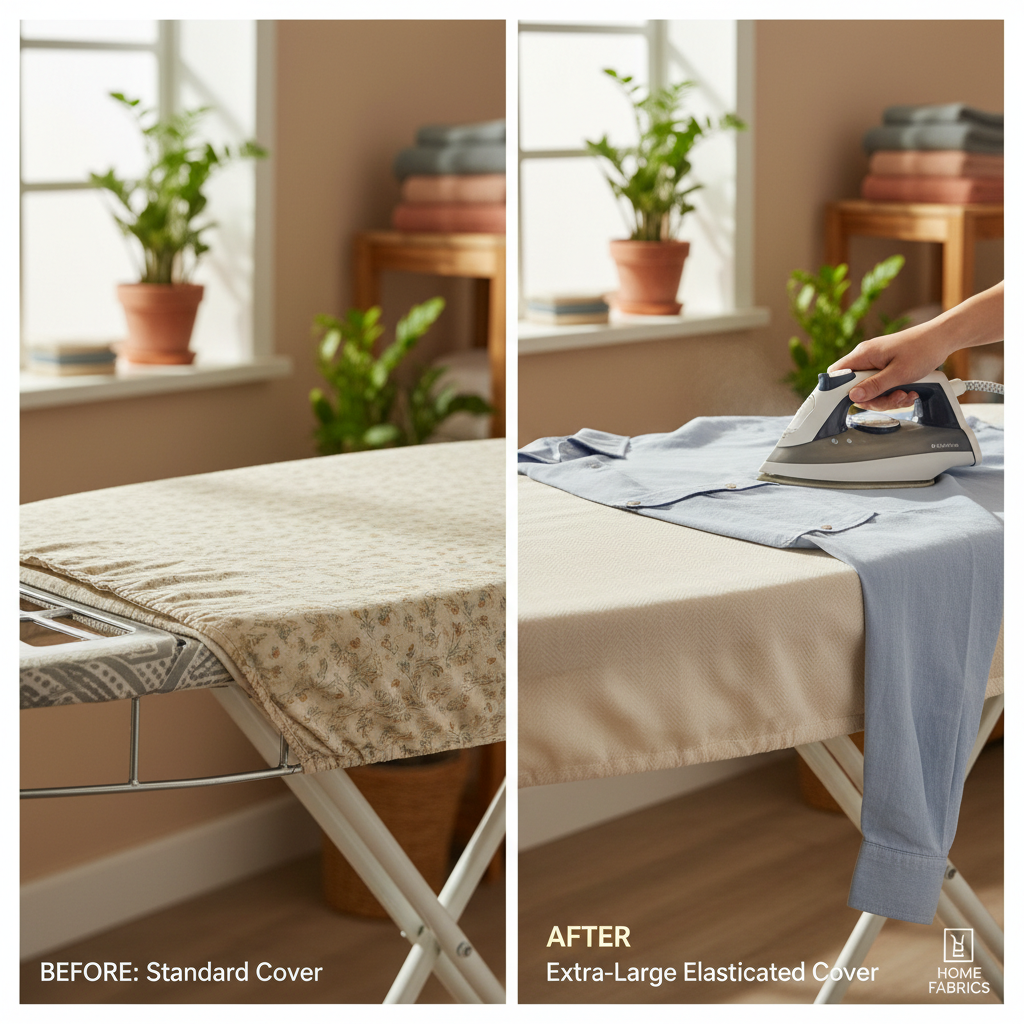
A common challenge is ensuring a secure and snug fit, especially with irregularly shaped or sized ironing boards. Elasticized edges and adjustable straps offer a solution, providing a customized fit. Another issue is maintaining hygiene, as covers can harbor bacteria and allergens. Regular washing and the use of antimicrobial fabrics can mitigate this risk.
The sourcing of sustainable materials remains a challenge, as eco-friendly options often come at a higher cost. Investing in research and development to create affordable, sustainable alternatives is crucial. Addressing the lack of consumer awareness regarding cover quality and performance through education and transparent labeling can also drive market improvements.
Finally, supply chain disruptions can impact the availability of materials and finished products. Diversifying sourcing and building resilient supply chains are essential for ensuring consistent supply and preventing price fluctuations.
Summary of Factors Influencing Table Top Ironing Board Cover Longevity
| Material Composition |
Washing Frequency |
Ironing Temperature |
Board Condition |
| 100% Cotton |
Weekly |
Medium Heat (150°C) |
Good |
| Polyester Blend |
Bi-Weekly |
High Heat (200°C) |
Fair |
| Silicone-Coated |
Monthly |
High Heat (230°C) |
Excellent |
| Organic Cotton |
Weekly |
Low Heat (110°C) |
Good |
| Microfiber Blend |
As Needed |
Medium Heat (170°C) |
Fair |
| Heat-Reflective Fabric |
Bi-Weekly |
High Heat (210°C) |
Excellent |
FAQS
The best material depends on your ironing needs. Cotton is great for everyday use and delicate fabrics, offering good heat absorption. Polyester blends are more durable and wrinkle-resistant, ideal for frequent ironing. Silicone-coated fabrics offer superior heat resistance and are excellent for high-temperature settings, like steaming. Consider your typical ironing tasks and fabric types when choosing a material.
You should wash your cover at least every month, or more frequently if you use starch or fabric softener. These products can build up residue, reducing the cover’s effectiveness and potentially causing scorching. Check the care label for specific washing instructions, as some materials may require hand washing or gentle cycles. A clean cover ensures optimal ironing performance.
It's generally not recommended to iron delicate fabrics directly on a standard ironing board cover. Although the cover provides a layer of protection, the heat can still damage these materials. Always use a pressing cloth (a thin cotton fabric) between the iron and the delicate garment to prevent scorching or melting. Specialized covers designed for delicate fabrics are also available.
Several signs indicate it’s time for a replacement. If the cover is visibly worn, torn, or stained, it should be replaced. If you notice scorching marks on your clothes, even when using the correct heat setting, the cover may have lost its protective properties. Also, if the cover no longer provides a smooth ironing surface, it’s time to invest in a new one.
Yes, increasingly there are eco-friendly options available. Look for covers made from organic cotton, recycled polyester, or other sustainable materials. Biodegradable covers are also emerging as a promising alternative. Choosing an eco-friendly cover reduces your environmental impact and supports responsible manufacturing practices.
Many covers come with elasticized edges or adjustable straps to secure them to the board. If your cover is slipping, ensure these features are properly tightened. You can also use double-sided tape specifically designed for fabrics to further secure the cover. Regularly checking and adjusting the cover will prevent it from shifting during use.
Conclusion
In conclusion, the table top ironing board cover, often underestimated, is a fundamental component of effective garment care and household efficiency. From protecting the ironing board to enhancing ironing results and extending garment lifespan, its benefits are numerous and far-reaching. Understanding the various materials, features, and maintenance requirements empowers consumers to make informed choices and optimize their ironing experience.
Looking ahead, innovations in fabric technology and sustainable materials promise even more advanced and environmentally friendly covers. By embracing these advancements and prioritizing quality, we can ensure that this humble accessory continues to play a vital role in maintaining a well-groomed and sustainable lifestyle. For quality table top ironing board covers, visit our website: www.hbmectextiles.com.