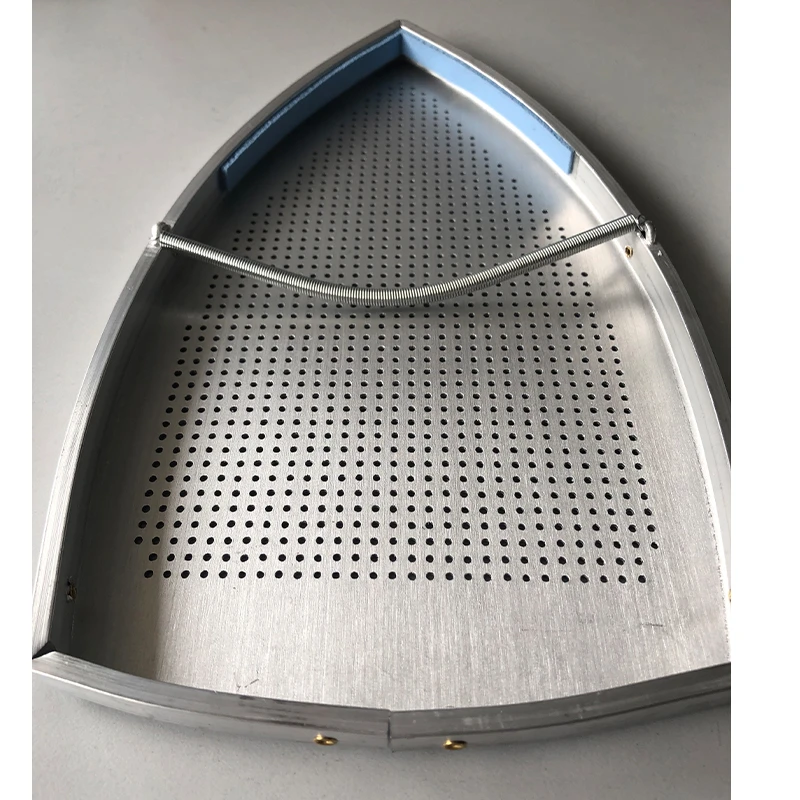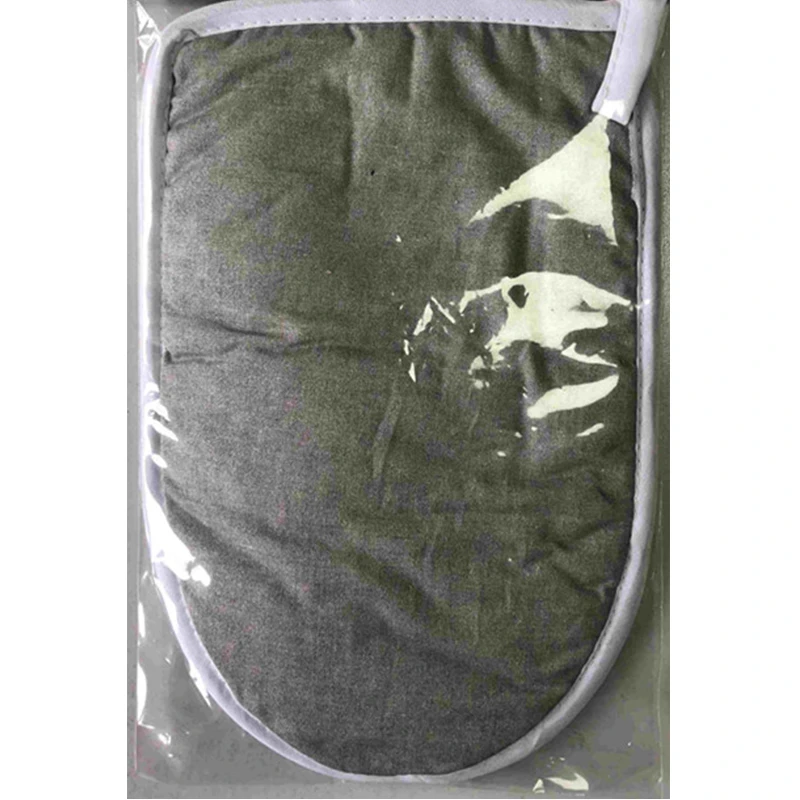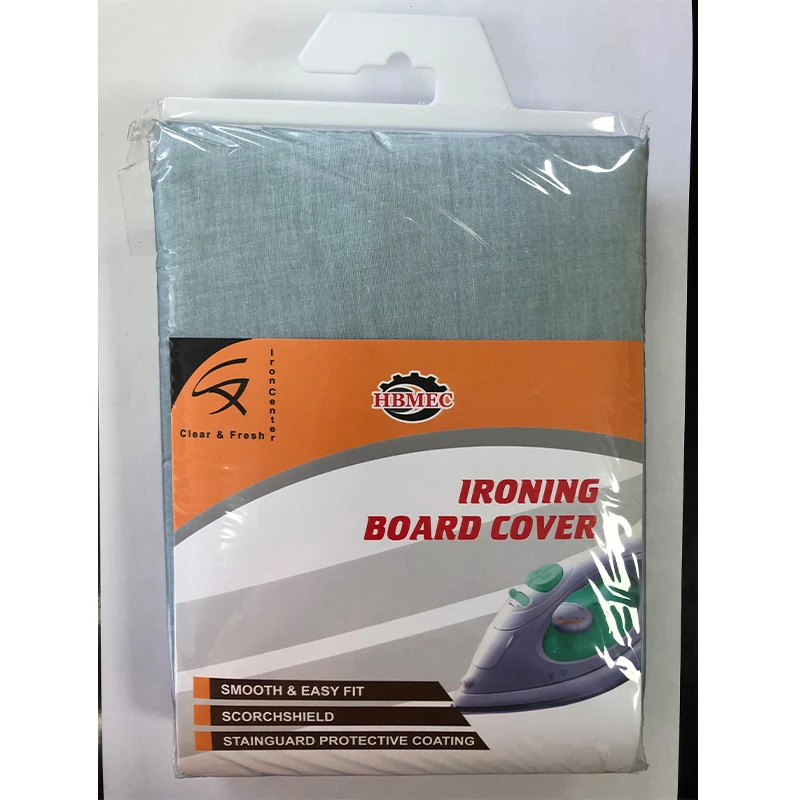

Premium Iron Shoes: Protect Fabrics, Glide Smoothly, No Scorch
Advancing Industrial Efficiency: The Critical Role of Iron Shoes
In demanding industrial environments, specialized components are crucial for optimizing operational efficiency, extending equipment lifespan, and ensuring process integrity. Among these, iron shoes stand out as indispensable tools across a myriad of applications, particularly where heat management, friction reduction, and surface protection are paramount. These precision-engineered accessories, often complemented by variants such as teflon shoes, play a vital role in preventing damage, improving material handling, and enhancing the quality of finished products.
The contemporary industrial landscape is characterized by an unyielding drive towards higher productivity, reduced downtime, and stringent quality control. This necessitates components that not only perform under extreme conditions but also contribute to energy conservation and material longevity. The evolution of iron shoes reflects this trend, incorporating advanced materials and manufacturing techniques to meet the escalating demands of sectors ranging from textiles and automotive to petrochemicals and heavy manufacturing. For instance, the application of iron shoes for steam irons in textile finishing exemplifies how these simple yet sophisticated accessories can prevent scorching and ensure a pristine finish, demonstrating their broad utility.
Industry trends indicate a growing preference for solutions that offer superior wear resistance, excellent thermal properties, and chemical inertness. This has spurred innovation in surface coatings and material composites, leading to the development of specialized iron shoes designed for specific thermal and mechanical stresses. The emphasis is increasingly on customized solutions that integrate seamlessly into existing machinery, providing measurable improvements in performance and cost-efficiency.
Manufacturing Precision: The Journey of an Iron Shoe
The production of high-performance iron shoes is a meticulous process, integrating advanced metallurgy with precision engineering. The objective is to create a component that offers optimal thermal conductivity, wear resistance, and structural integrity tailored to its intended application. The detailed manufacturing process ensures these critical properties are consistently met.
Material Selection: The Foundation of Durability
The selection of raw materials is the cornerstone of an iron shoe's performance. Typically, high-grade cast iron, ductile iron, or specialized steel alloys are chosen for their robust mechanical properties and thermal stability. For enhanced surface protection or specific low-friction requirements, these base materials can be coated. For example, teflon shoes incorporate a Polytetrafluoroethylene (PTFE) coating for unparalleled non-stick properties and chemical resistance, crucial in textile and food processing industries.
Core Manufacturing Stages
1. Casting
Molten metal is poured into meticulously designed molds, allowing for complex geometries and efficient initial shaping. This method is ideal for producing components with high mass and specific internal structures.
2. Forging
For applications requiring superior strength and grain refinement, billets are heated and shaped through controlled deformation. This enhances the material's structural integrity, making the iron shoes more resilient to impact and fatigue.
3. CNC Machining
Post-casting or forging, advanced Computer Numerical Control (CNC) machining ensures precise dimensions, fine surface finishes, and the integration of intricate features, critical for seamless integration into target machinery.
4. Surface Treatment & Coating
Depending on the application, surfaces may undergo heat treatment, passivation, or specialized coating applications like PTFE for teflon shoes, enhancing properties such as corrosion resistance, hardness, or non-stick capabilities.
Quality Assurance & Testing Standards
Strict adherence to international standards is fundamental. Our iron shoes undergo rigorous testing to comply with benchmarks such as ISO 9001 for quality management, ASTM International standards for material properties, and ANSI specifications for dimensional accuracy. Each batch is subjected to material composition analysis, hardness testing, tensile strength tests, and dimensional inspections to guarantee optimal performance and reliability.
Service Life and Target Industries
The expected service life of our iron shoes is significantly extended through superior material selection and manufacturing, often exceeding 5-7 years in demanding industrial applications with proper maintenance. These components are vital across a spectrum of industries, including:
- Petrochemical: Protecting sensitive equipment from high temperatures and corrosive substances.
- Metallurgy: Facilitating smooth material flow and reducing wear in high-friction processes.
- Water Supply & Drainage: Enhancing the lifespan of valves and pumps by reducing abrasive wear.
- Textile Manufacturing: Preventing scorching and ensuring smooth gliding for applications like iron shoes for steam irons.
- Automotive: Used in pressing and forming operations to protect dies and improve part quality.
In these scenarios, the advantages are palpable: enhanced energy saving through reduced friction, superior corrosion resistance prolonging equipment life, and minimized maintenance downtime.
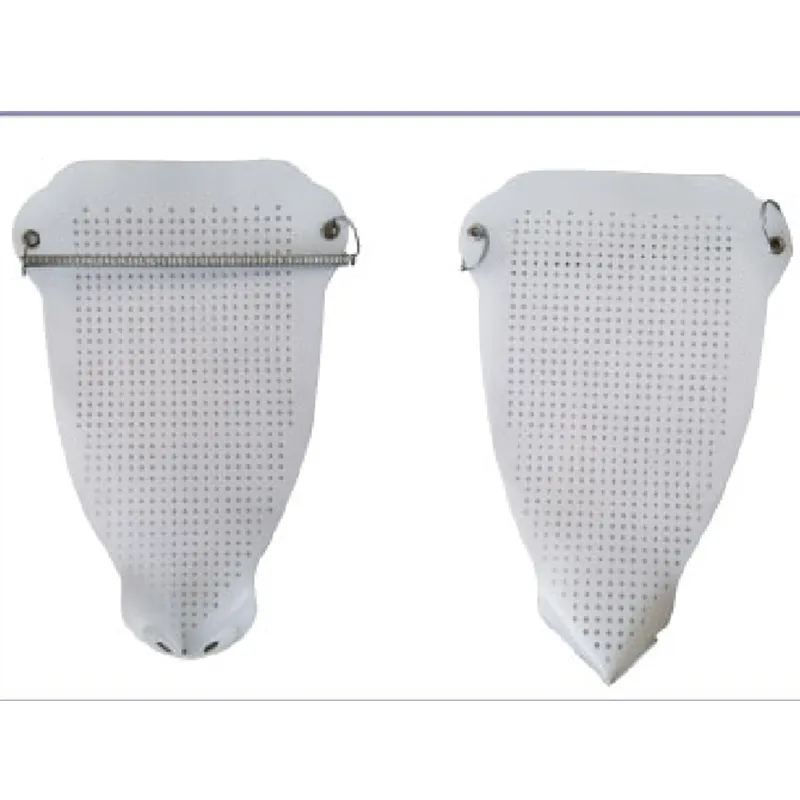
Figure 1: High-precision iron shoes designed for rigorous industrial applications.
Advanced Technical Specifications of Iron Shoes
Understanding the precise technical parameters of iron shoes is essential for selecting the correct component for specific industrial demands. Our products are engineered to deliver consistent performance under a range of operational conditions, with specifications carefully optimized for durability and efficiency.
Key Material & Performance Attributes
- Material Composition: High-carbon cast iron, nodular cast iron, or specialized high-strength steel alloys, ensuring robust mechanical properties. For teflon shoes, a composite structure with a PTFE overlay.
- Hardness: Typically ranging from 180 HB to 250 HB (Brinell Hardness) for standard cast iron variants, with surface-hardened options exceeding 60 HRC for extreme wear resistance.
- Temperature Resistance: Capable of continuous operation from -20°C to +300°C for standard iron, and up to +260°C for PTFE-coated teflon shoes, making them suitable for diverse thermal environments.
- Surface Finish: Precision ground or machined to Ra values as low as 0.8 µm, minimizing friction and ensuring smooth contact. For coated variants, the non-stick properties are paramount.
- Coefficient of Friction: Uncoated iron shoes typically exhibit a static coefficient of friction around 0.3-0.5. Teflon shoes, by contrast, offer an exceptionally low static coefficient of friction, often in the range of 0.05-0.10, significantly reducing drag and energy consumption.
Product Specification Table: Standard Industrial Iron Shoes
| Parameter | Specification (Standard Model) | Specification (PTFE-Coated / Teflon Shoes) |
|---|---|---|
| Base Material | Ductile Iron (ASTM A536) / Grey Cast Iron (ASTM A48 Class 30) | High-grade Aluminum or Steel with PTFE Coating |
| Surface Treatment | Machined, Optional Nitriding or Heat Treatment | Multi-layer PTFE Application |
| Operating Temperature Range | -20°C to +300°C | -50°C to +260°C |
| Hardness (HB) | 180-220 (Ductile Iron) / 190-240 (Grey Cast Iron) | Substrate Hardness: 60-70 HRB (Aluminum) / 120-150 HB (Steel) |
| Coefficient of Friction (Static) | 0.3 - 0.5 (varies with surface finish) | 0.05 - 0.10 (extremely low) |
| Corrosion Resistance | Moderate (improved with surface treatments) | Excellent (against most chemicals) |
| Typical Dimensions (Length x Width x Height) | Customizable, e.g., 150x80x20 mm | Customizable, e.g., 250x120x30 mm |
Note: Specifications can be further customized based on specific application requirements and environmental conditions.
Diverse Application Scenarios and Unrivaled Advantages
The versatility of iron shoes enables their deployment across a broad spectrum of industrial and commercial applications, where they consistently deliver enhanced performance and operational longevity. Their core advantage lies in providing a protective, low-friction, or heat-distributing interface between working surfaces.
Key Application Scenarios
- Textile and Garment Industry: Essential as iron shoes for steam irons, preventing scorching and sticking to delicate fabrics like silk, wool, and synthetics. They ensure a smooth glide, impeccable finish, and protection of expensive garments and iron soleplates.
- Industrial Pressing and Forming: In manufacturing processes involving hydraulic presses or stamping, iron shoes protect dies, workpieces, and conveyor systems from abrasive wear, heat damage, and surface marring.
- Material Handling Systems: Used in chutes, conveyors, and sliding mechanisms to reduce friction, prevent material buildup, and extend the life of moving parts, particularly when dealing with abrasive bulk materials.
- High-Temperature Furnaces and Kilns: Specialized iron shoes, often made from heat-resistant alloys, provide critical support and guidance for moving components within extreme thermal environments, minimizing thermal expansion stress.
- Chemical Processing Equipment: Teflon shoes, with their exceptional chemical inertness, are utilized in equipment handling corrosive chemicals, preventing degradation and ensuring system integrity.
Technical Advantages
- Enhanced Durability and Wear Resistance: Constructed from robust materials and often surface-hardened, iron shoes withstand severe abrasive and impact forces, significantly extending the lifespan of machinery and components.
- Superior Thermal Management: High thermal conductivity helps dissipate heat evenly, preventing localized overheating and thermal stress on contact surfaces. For steam irons, this ensures consistent heat transfer without scorching.
- Reduced Friction and Energy Consumption: Especially with PTFE-coated teflon shoes, friction is dramatically lowered, leading to smoother operation, less wear on driving mechanisms, and substantial energy savings due to reduced power requirements.
- Corrosion and Chemical Resistance: Select materials and coatings provide excellent resistance to corrosive chemicals, moisture, and oxidation, making them ideal for harsh operating environments.
- Improved Product Quality: By preventing scratches, scorches, and material adhesion, iron shoes contribute directly to higher quality output, particularly critical in textile and delicate material processing.
- Minimized Maintenance and Downtime: The extended service life and protective properties of these components reduce the frequency of repairs and replacements, leading to significant cost savings and increased operational uptime.
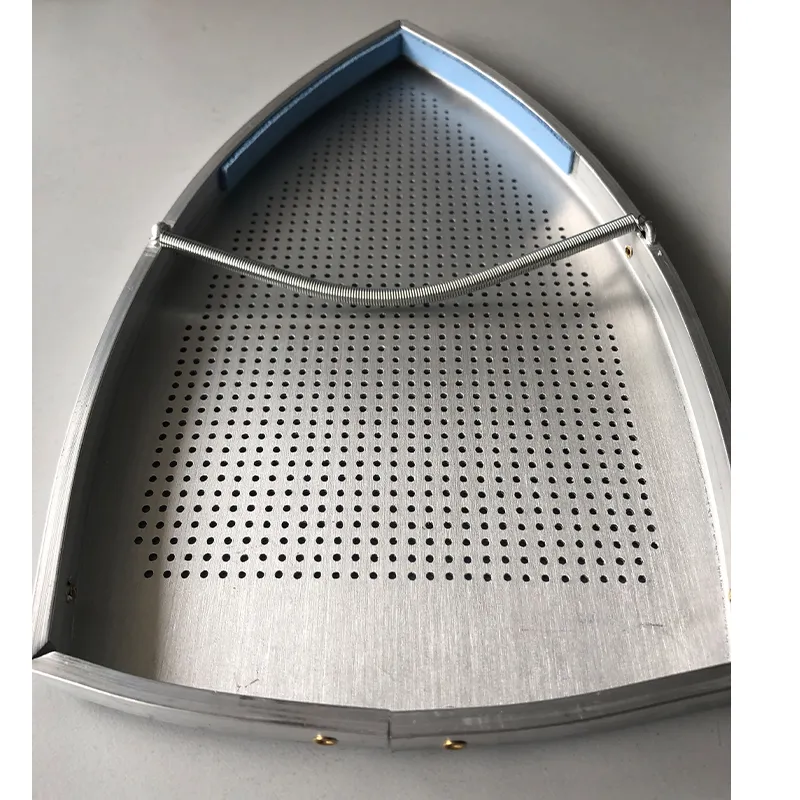
Figure 2: Teflon shoes in action, demonstrating superior non-stick performance.
Strategic Vendor Comparison and Tailored Iron Shoes Solutions
Choosing the right supplier for iron shoes is a strategic decision that impacts long-term operational costs and efficiency. A comprehensive vendor comparison should evaluate not just price, but also quality, innovation, support, and customization capabilities.
Vendor Comparison Table
| Feature/Service | Generic/Economy Supplier | Specialized/Premium Supplier (Our Offerings) |
|---|---|---|
| Material Quality | Standard alloys, limited traceability | Certified, high-grade alloys (e.g., ASTM, DIN), full traceability |
| Manufacturing Process | Basic casting/machining, less stringent QC | Advanced casting, forging, multi-axis CNC, ISO 9001 certified processes |
| Customization Options | Limited standard sizes and materials | Extensive: bespoke dimensions, material alloys, surface coatings (e.g., specific PTFE blends for teflon shoes) |
| Technical Support | Basic, reactive support | Proactive engineering consultation, application specialists, rapid response |
| Certifications | Minimal or localized standards | International (ISO, ASTM, REACH, RoHS), verifiable test reports |
| Warranty & Service Life | Short-term, limited coverage | Comprehensive warranty, engineered for extended service life (5+ years typical) |
Customized Solutions for Unique Challenges
Recognizing that off-the-shelf solutions rarely fit every unique industrial requirement, we specialize in providing bespoke iron shoes. Our engineering team collaborates closely with clients to develop tailor-made solutions addressing specific operational parameters, environmental factors, and machinery integrations. This includes:
- Material Adaptation: Sourcing specialized alloys for extreme temperature, chemical exposure, or load-bearing requirements.
- Dimension and Geometry: Precision engineering to match exact machine specifications, including intricate shapes and mounting designs.
- Surface Engineering: Applying custom coatings, such as high-temperature resistant ceramics or specialized low-friction polymers, for enhanced performance beyond standard PTFE teflon shoes.
- Performance Tuning: Optimizing parameters like thermal conductivity, electrical resistivity, and wear characteristics to meet critical application-specific metrics.
Real-World Impact: Iron Shoes in Action
Our commitment to delivering high-quality, reliable iron shoes is substantiated by their proven performance in diverse industrial settings. These case studies highlight the tangible benefits our solutions provide.
Case Study 1: Enhanced Efficiency in Textile Manufacturing
A major textile manufacturer faced persistent issues with scorching and sticking of delicate fabrics during steam ironing, leading to significant material waste and rework. Their existing iron shoes for steam irons offered inadequate protection.
- Solution: We provided custom-designed teflon shoes with an optimized PTFE coating thickness and a precision-engineered fit for their industrial steam irons.
- Results: The introduction of our specialized iron shoes resulted in a 95% reduction in scorching incidents and fabric sticking. Operational efficiency increased by 15% due to faster processing and reduced rework. The lifespan of the iron soleplates also saw a 40% extension.
Case Study 2: Extending Equipment Life in a Steel Mill
A large steel production facility experienced rapid wear and tear on the guide rails and conveyor components in their hot rolling mill, due to extreme temperatures and abrasive steel dust. Frequent replacements led to costly downtime.
- Solution: We engineered heavy-duty iron shoes from a specialized, high-temperature resistant, wear-resistant steel alloy, surface-hardened to achieve superior hardness and thermal stability. These were designed to fit critical friction points on their conveyor system.
- Results: The enhanced iron shoes extended the service life of the conveyor components by over 200%. This translated to a 70% reduction in replacement costs and a significant decrease in unscheduled maintenance downtime, improving overall mill productivity.
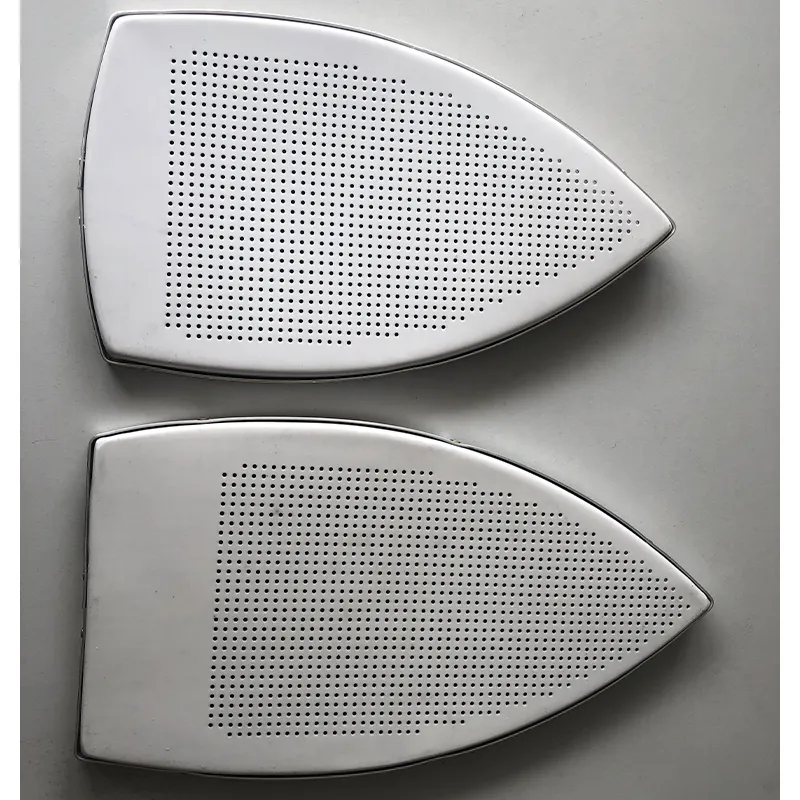
Figure 3: Customized iron shoes deployed in heavy industrial machinery for wear protection.
Our Commitment to Quality: Certifications, Support, and Guarantees
Our dedication to excellence extends beyond product design and manufacturing. We ensure every client benefits from our unwavering commitment to quality, transparency, and comprehensive support.
Certifications and Industry Recognition
We operate under stringent quality management systems, evidenced by our ISO 9001 certification. Our materials and processes adhere to international standards such as ASTM, ANSI, and DIN, ensuring global compatibility and reliability. We are proud to partner with industry leaders across various sectors, a testament to the trust placed in our products and expertise. Our years of service in specialized component manufacturing underscore our authoritative position in the market.
Frequently Asked Questions (FAQ)
What are iron shoes made of?
Our iron shoes are primarily crafted from high-grade cast iron, ductile iron, or specialized steel alloys. For non-stick and chemical-resistant applications, they may feature multi-layer PTFE coatings, effectively becoming teflon shoes.
How do iron shoes improve industrial efficiency?
By reducing friction, preventing wear and tear on costly equipment, ensuring smooth material flow, and providing superior thermal and chemical protection, iron shoes minimize downtime, reduce maintenance costs, and enhance the quality of finished products, thereby boosting overall efficiency.
What is the typical service life of your products?
With proper application and maintenance, our iron shoes are engineered for an extended service life, typically ranging from 5 to 7 years or more in demanding industrial environments, significantly outperforming generic alternatives.
Are custom solutions for iron shoes available?
Absolutely. We specialize in customized solutions. Our engineering team works directly with clients to design and manufacture iron shoes that precisely meet unique dimensional, material, and performance requirements for specific applications.
How do iron shoes for steam irons differ from regular ones?
While the principle is similar, iron shoes for steam irons are specifically designed to fit industrial irons, often featuring vents for steam distribution and specialized PTFE coatings to prevent fabric scorching and provide an ultra-smooth glide on delicate textiles. They are optimized for the unique demands of garment care and textile finishing.
Lead Time and Fulfillment
Our agile manufacturing processes and robust supply chain enable efficient fulfillment. Standard orders typically have a lead time of 2-4 weeks, while custom solutions may range from 4-8 weeks, depending on complexity and material sourcing. We prioritize clear communication on delivery schedules to align with client project timelines.
Warranty Commitments
We stand behind the quality of our iron shoes with a comprehensive warranty against manufacturing defects and material failures under normal operating conditions. Specific warranty terms are provided with each quotation and product delivery, reflecting our confidence in our engineering and production standards.
Dedicated Customer Support
Our commitment to client success is paramount. Our experienced technical support team is available to assist with product selection, installation guidance, troubleshooting, and post-sales inquiries. We provide ongoing support to ensure optimal performance and satisfaction throughout the product lifecycle.
Conclusion
The strategic deployment of high-quality iron shoes is a cornerstone for operational excellence in modern industrial settings. By investing in precision-engineered solutions, industries can achieve significant advancements in efficiency, reduce maintenance overheads, and elevate product quality. Our comprehensive approach, encompassing advanced manufacturing, stringent quality control, and tailored customization, positions us as a trusted partner for businesses seeking to optimize their processes and gain a competitive edge.
For more detailed information or to discuss your specific requirements, please visit our website or contact our technical sales team.
References
- ISO. (2015). ISO 9001:2015 Quality management systems – Requirements. International Organization for Standardization.
- ASTM International. (n.d.). Standard Specifications for Cast Iron. Retrieved from astm.org.
- DuPont. (2009). Properties of Teflon® Fluoropolymer Resins. DuPont Performance Elastomers.
- ASM Handbook. (2018). Volume 5A: Thermal Spray Technology. ASM International.
- National Institute of Standards and Technology (NIST). (n.d.). Materials Science and Engineering Division. Retrieved from nist.gov.
-
Enhance Your Dining Space with a 52 by 70 tableclothNewsApr.16,2026
-
Choosing the Best Green Disposable Tablecloth for Your EventNewsApr.09,2026
-
Enhance Your Bedroom Decor with the Perfect Bedside Tablecloth GuideNewsApr.07,2026
-
Comprehensive Guide to Choosing the Perfect White Table Cloth Plastic for Your EventNewsApr.04,2026
-
Elevate Your Dining Space with a Stylish Modern Table CoverNewsMar.31,2026
-
Elevate Your New Years Celebration with the Perfect New Years Table ClothNewsMar.28,2026
-
Elevate Your Dining Experience with a Stunning Ocean TableclothNewsMar.26,2026