
Replace Your Ironing Board Cover
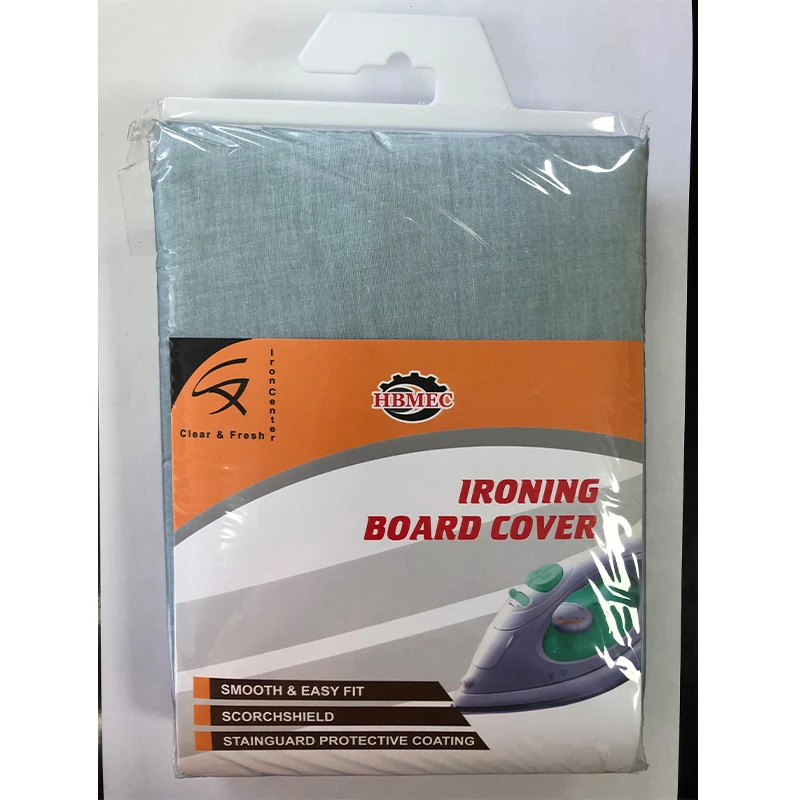
In the grand tapestry of household chores, ironing often occupies a curious space. It is a task of transformation, turning crumpled fabrics into smooth, presentable garments. Yet, for an activity so focused on creating perfection, many of us overlook the very foundation upon which this transformation occurs: the humble ironing board cover. This padded sheath is the unsung hero of your laundry room, the critical interface between the scorching soleplate of your iron and your cherished clothing. It is a piece of equipment that, when functioning correctly, operates in blissful obscurity. But when it fails, its absence of performance becomes glaringly obvious. The act to replace your ironing board cover is not merely a matter of maintenance; it is an investment in the longevity of your clothes and the efficiency of your ironing routine. A fresh cover can rejuvenate your entire ironing experience, making the task smoother, faster, and significantly more effective.
Consider for a moment the anatomy of a typical ironing station. The metal or wooden frame provides the structure, but it is the ironing board cover that does the heavy lifting. Its primary role is threefold: to provide a resilient, heat-resistant surface; to offer a cushioned layer that allows the iron to press seams and fabric layers effectively; and to present a taut, smooth face that doesn't introduce new wrinkles or imperfections. Over time, this multifaceted tool endures a tremendous amount of abuse. It faces relentless heat, pressurized steam, chemical residues from starch and spray-on fabric finishes, and the constant friction of a hot metal plate sliding back and forth. It is little wonder that even the highest quality covers eventually succumb to wear and tear. Recognizing the signs of this decline is the first step toward reclaiming a flawless ironing finish.
Time for a New Ironing Board Cover
The journey to a superior ironing experience begins with a simple diagnosis of your current equipment. Many people grow so accustomed to the gradual degradation of their ironing board cover that they fail to notice the clear signals indicating its retirement is overdue.
- Look closely at the surface. Are there any brown or black scorch marks from a moment when the iron was a little too hot? Are there small holes or tears, often starting at the seams or in the center of the board where the iron spends most of its time? These breaches are not just cosmetic flaws. They expose your clothes directly to the hard board underneath, creating a high-risk zone for scorching and sheening.
- It may appear the presence of stubborn stains or a sticky film on the cover's surface. These accumulations come from a variety of sources:
- Melted synthetic fibers from an overheated garment
- Residue from spray starch or fabric sizing
- Even the mineral deposits from hard water used in a steam iron.
5
Navigating the World of Large Ironing Board Covers and Materials
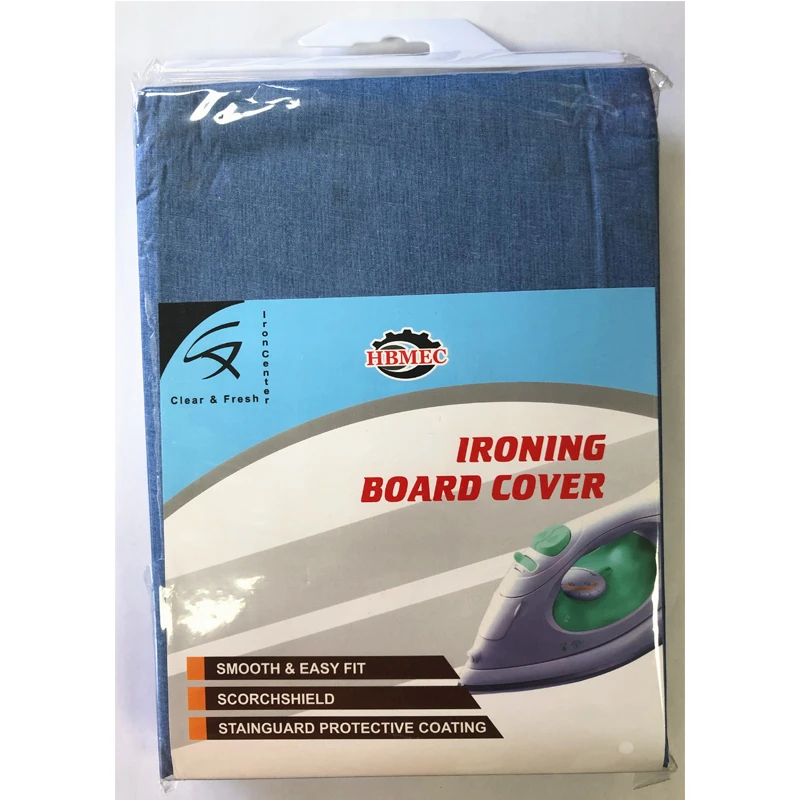
- The most fundamental consideration is size. It is imperative to measure your ironing board before purchasing a new cover. A standard cover on a large ironing board coverwill be stretched beyond its limits, leading to a poor fit and rapid failure, while a cover that is too large will be loose, wrinkled, and utterly ineffective.Hebei Machinery & Equipment Import & Export Co., Ltd. founded in 1978, for instance, has built its reputation on providing tailored solutions, understanding that a one-size-fits-all approach is rarely effective, whether in complex machinery or simple household tools.
- The material and features of the cover are paramount. This classic design is durable, breathable, and the reflective layer helps to direct heat back up through the fabric you are ironing, making for a more efficient press. For those who use a lot of steam, a silicone or non-stick ironing board covercan be a revelation. Its slick surface prevents sticking and glides effortlessly, making it ideal for delicate fabrics that might be prone to scorching. It is also exceptionally easy to wipe clean.
- A thick, high-density foam will provide that essential cushion and last much longer than a thin, cheap one. A strong, wide elastic edge is the most common and is usually sufficient for most boards. The corporation always adheres to the principle of “equality and mutual benefit” and the policy of “faith foremost, customer first; excellent quality, first-class service” to meet customers’ demands, a philosophy that, when applied to your own purchasing decisions, leads to long-lasting satisfaction with household investments.
A Guide to Fitting Your New Ironing Board Cover
With the perfect new cover selected, the final step is its proper installation. This is a simple yet vital process; a poorly fitted cover will undermine all the benefits of your careful selection. The goal is to achieve a surface that is impeccably smooth and taut, providing a flawless foundation for your ironing:
- Begin by completely removing the old cover. Unhook any straps, loosen the drawstring, or stretch off the old elastic. This is also an excellent time to give the actual ironing board a thorough cleaning. Wipe down the metal or wooden surface with a damp cloth to remove any accumulated dust, lint, or rust. A new ironing board coverplaced over old, compressed padding is like putting new tires on a car with broken suspension—the fundamental problem remains.
- Now, take your new ironing board cover. Unfold it and identify the front, which is typically the more pointed end. Align the cover over the board, making sure the patternis straight and the fabric is centered. Starting from the front tip, begin to pull the cover over the board. Work your way down the sides, stretching the material gently to eliminate any wrinkles. For a cover with an elastic edge, this process involves stretching the elastic over the rim of the board evenly all the way around. It can require a bit of strength, but take your time to ensure it is seated correctly on all sides.
The way of a New Ironing Board and Cover Enhances Your Routine
The most immediate benefit is the sheer efficiency gained. A smooth, taut surface allows the iron to glide with minimal effort. There is no more fighting against a sticky or wrinkled cover that creates drag and resistance. This effortless motion reduces physical fatigue and cuts down the time it takes to iron a single item. The improved glide, combined with effective heat retention from a reflective and well-padded surface, means that wrinkles surrender more quickly.
The psychological impact should not be underestimated either. A clean, bright, and new ironing board cover makes the entire ironing station look more appealing. This small upgrade can transform ironing from a dreaded chore into a more pleasant, almost therapeutic, ritual. The satisfaction of producing perfectly pressed garments from a well-maintained workstation is a simple but genuine pleasure.
FAQs about Ironing Board Cover
What is the average lifespan of a typical ironing board cover?
There is no single expiration date, as the lifespan depends heavily on frequency of use, the types of fabrics and products you use, and the inherent quality of the cover itself. The key is to perform regular inspections for the telltale signs of wear rather than relying on a calendar.
Can I just wash my old ironing board cover instead of replacing it?
Washing can certainly extend the life of a cover that is simply soiled but is otherwise structurally sound. However, washing will not repair burns, tears, or permanently compressed padding. If the damage is structural or the padding is no longer resilient, washing is only a temporary fix, and replacement is the definitive solution.
Are ironing board covers universally sized?
No, they are not. Ironing boards and their covers come in a range of sizes. It is absolutely essential to measure the length and width of your board before purchasing a new large ironing board cover. Using an incorrectly sized cover will lead to a host of problems, from poor performance to potential safety hazards, as a too-small cover can slip during use.
What does the reflective layer on some ironing board covers actually do?
The reflective layer, often a thin metallic coating on the underside of the cover, works by reflecting the heat from your iron back up through the fabric you are pressing. This effectively presses the garment from both sides simultaneously, which can help remove stubborn wrinkles more quickly and with less effort, especially on thicker materials.
Is my new ironing board cover having a chemical smell normal?
A slight odor from the manufacturing process or the materials is not uncommon with a new cover, especially those with a reflective coating or made from certain synthetics. This smell is usually harmless and will dissipate quickly. To speed up the process, you can leave the cover unfolded in a well-ventilated area for a day before use, or you can iron an old, damp towel on a steam setting across the entire surfacer.
The decision to replace your ironing board cover is a small one with a significant impact on a routine household task. It is an affirmation that you value the care and appearance of your clothing and linens. By learning to recognize the signs of wear, understanding the different options available in the market—from standard to large ironing board cover models—and mastering the simple installation process, you transform a neglected item into a powerful tool for efficiency and quality. Investing in a high-quality cover, and maintaining it properly, is an investment in the pristine condition of your wardrobe and the simple satisfaction of a job well done.
-
Enhance Your Dining Space with a 52 by 70 tableclothNewsApr.16,2026
-
Choosing the Best Green Disposable Tablecloth for Your EventNewsApr.09,2026
-
Enhance Your Bedroom Decor with the Perfect Bedside Tablecloth GuideNewsApr.07,2026
-
Comprehensive Guide to Choosing the Perfect White Table Cloth Plastic for Your EventNewsApr.04,2026
-
Elevate Your Dining Space with a Stylish Modern Table CoverNewsMar.31,2026
-
Elevate Your New Years Celebration with the Perfect New Years Table ClothNewsMar.28,2026
-
Elevate Your Dining Experience with a Stunning Ocean TableclothNewsMar.26,2026