You know, these days everyone's talking about 'smart' washing machines, self-cleaning filters, all that jazz. But honestly, after spending a year on construction sites, watching deliveries arrive and guys wrestling with appliances, the biggest trend I’ve noticed isn’t about features, it’s about protection. Specifically, protecting those machines during transport and, more importantly, during the inevitable chaos of a building site. It's not glamorous, but a scratched or dented machine is a costly headache.
Have you noticed how often things just…disappear on sites? Or get used for something they weren't meant to be? A washing machine dust cover seems simple enough, but it's got to be robust. Too many suppliers skimp on materials, thinking 'it's just a cover'. Big mistake.
To be honest, the number of times I’ve seen a seemingly ‘durable’ cover ripped to shreds within a week is astounding. It's like they design them in an office, not a workshop.
The Evolving Need for Washing Machine Dust Covers
I encountered this at a factory in Dongguan last time – they were shipping washing machines to Africa, and the covers were just…thin plastic. Ripped to pieces before they even left the port. They didn't realize the journey itself was the biggest stress test. That's when it hit me - it’s not just about keeping dust off the machine, it’s about preventing damage during a brutal logistical process.
Strangely, even the high-end manufacturers sometimes overlook this. They focus on the machine’s features, and the cover is an afterthought. But think about it – a damaged machine is a lost sale, a warranty claim, and a frustrated customer. It adds up.
Defining the Modern Washing Machine Dust Cover
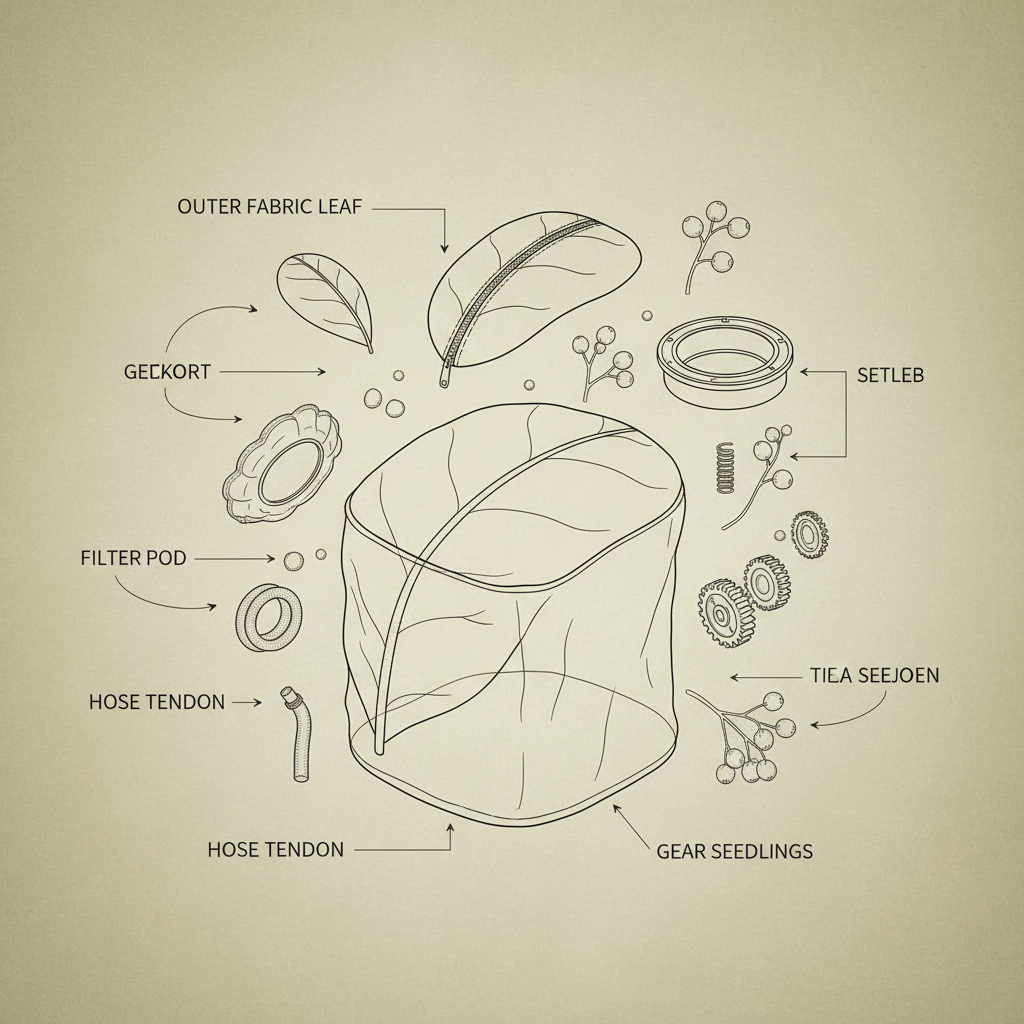
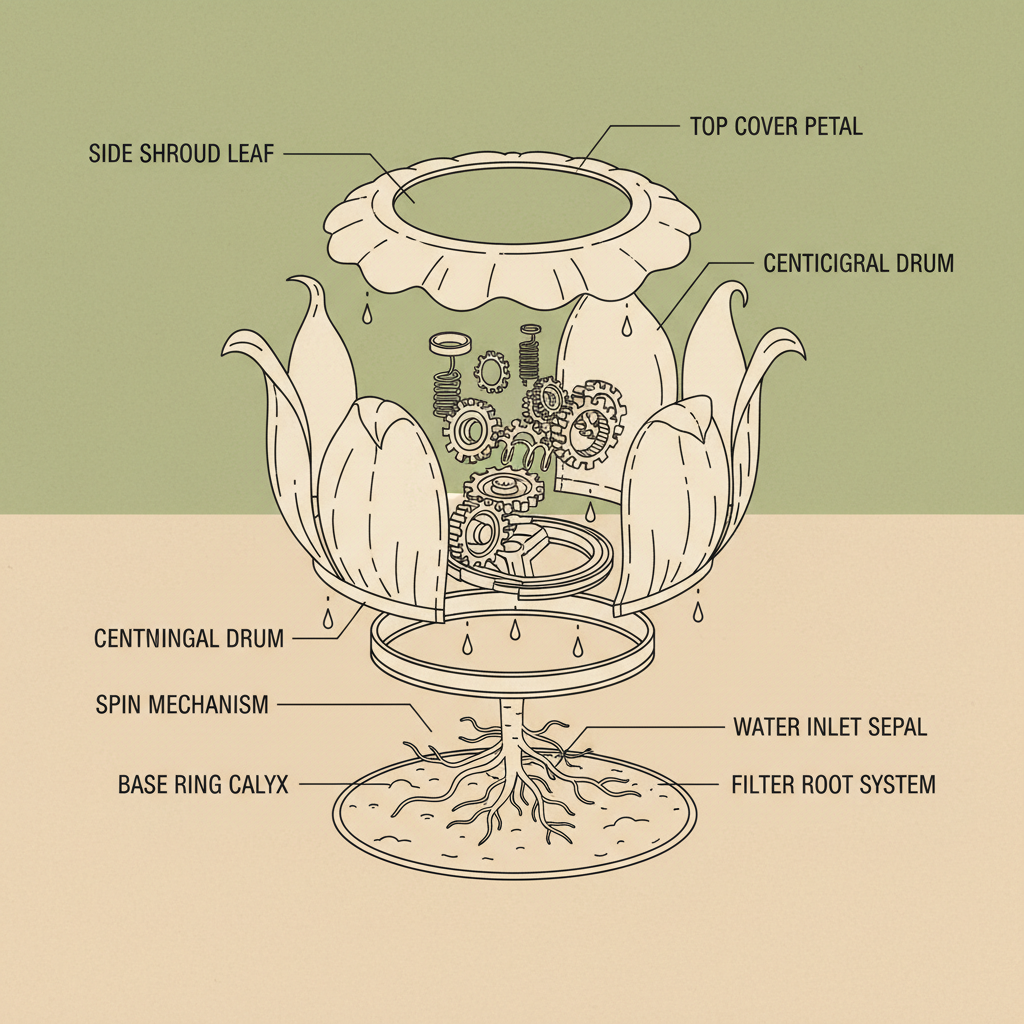
So, what is a modern washing machine dust cover? It’s more than just a sheet of plastic, okay? It’s a protective barrier, designed to withstand abrasion, punctures, UV exposure, and even a bit of rough handling. It needs to be breathable, to prevent condensation build-up. And it needs to be easy to put on and take off, because let's face it, no one wants to spend an hour wrestling with a cover.
It’s connected to the wider industry of protective packaging, which is huge. Think about everything that needs to be shipped – electronics, furniture, machinery. There’s a constant demand for better, more reliable protection, and the washing machine cover is just one piece of that puzzle.
And it’s increasingly important for humanitarian efforts, too. Sending washing machines to disaster relief areas – they need to arrive in working order, and the cover is often the only thing standing between a functional appliance and a pile of scrap metal.
Core Components and Material Science
The material is key, obviously. We’ve moved past the flimsy polyethylene stuff. Now you're looking at woven polypropylene, sometimes reinforced with a coating. It feels different – thicker, tougher, with a bit of a texture to it. And it smells…well, like plastic, but a higher-quality plastic. You can tell. The good stuff doesn’t tear just by looking at it.
Then you’ve got the seams – critical. Heat-sealed seams are okay, but sewn seams with reinforced stitching are much stronger. And the closure system – drawstrings are okay for temporary storage, but Velcro straps or buckles are better for long-distance shipping. They’re a pain to manufacture, mind you, but worth it in the long run. I spent three days arguing with a supplier about switching to better buckles. Three days!
And don’t forget the UV inhibitors. If the machine is stored outdoors, the sun will degrade the plastic in weeks. Good covers have UV stabilizers added during the manufacturing process. It's one of those things you don’t notice until it’s too late.
Practical Applications Across Industries
It's not just about consumers buying washing machines. Think about hotels, laundromats, hospitals – anywhere with multiple machines. They need covers to protect their investment. Construction sites, as I mentioned. Shipping containers. Even storage facilities. The applications are wider than you think.
Washing Machine Dust Cover Performance Metrics
Advantages and Long-Term Value Proposition
The obvious advantage is protection, right? But it’s also about extending the life of the machine, reducing warranty claims, and improving customer satisfaction. A happy customer is a repeat customer. Anyway, I think it's also about brand image - a machine that arrives looking pristine says something about the company that made it.
The disadvantage? Cost. Good covers aren’t cheap. But the cost of not using a good cover is usually much higher. It's a classic case of penny-wise, pound-foolish.
Future Trends and Innovations in Cover Technology
I'm seeing a lot of interest in biodegradable materials. The problem is finding something that's durable enough and cost-effective. There's also talk of smart covers, with sensors that detect damage or tampering. Sounds fancy, but I'm not sure how practical it is.
Personally, I think the biggest innovation will be in customization. Being able to tailor the cover to the specific machine model, with reinforced areas where it’s needed most.
And honestly, anything that makes the installers' lives easier is a win.
Challenges and Real-World Solutions
The biggest challenge is getting manufacturers to see the value. They often treat the cover as a cost center, not an investment. And finding suppliers who are willing to use high-quality materials and manufacturing processes is tough. Lots of corners are cut.
The solution? Education. Showing manufacturers the data – the cost of damage, the impact on customer satisfaction. And working with suppliers to develop better materials and manufacturing techniques. It's a slow process, but it's worth it.
Last month, that small boss in Shenzhen who makes smart home devices insisted on changing the interface to , and the result was a complete logistical nightmare. He thought it was a ‘feature’ and didn’t account for the extra protection needed around the port. Boxes were arriving crushed, devices broken. He learned a hard lesson.
A Simplified Comparison of Washing Machine Dust Cover Attributes
| Material |
Durability (1-5) |
Cost (USD) |
Ease of Use (1-5) |
| Polyethylene |
2 |
0.50 |
4 |
| Woven Polypropylene |
3 |
1.20 |
3 |
| Reinforced Polypropylene |
4 |
2.00 |
2 |
| Coated Polypropylene |
5 |
2.80 |
2 |
| Biodegradable PLA |
2 |
1.50 |
4 |
| Custom-Fit Woven Polypropylene |
5 |
3.50 |
1 |
FAQS
Woven polypropylene with a polyethylene coating generally provides the best balance of durability, water resistance, and cost. Reinforced versions are even better for harsh environments. Avoid thin, single-layer plastics – they tear easily and offer minimal protection. It’s not always about the price tag; it’s about how long the cover will actually last. You get what you pay for, honestly.
Yes, but only if they have UV inhibitors. Prolonged sun exposure will degrade the plastic over time, making it brittle and prone to tearing. Look for covers specifically labeled as UV-resistant. Also, a darker color can help absorb some of the UV rays. Think about it like sunscreen for the washing machine!
A snug fit is key. The cover should conform to the shape of the washing machine without being too tight. Drawstrings are okay for temporary storage, but Velcro straps or buckles are much more secure for shipping or long-term outdoor use. Make sure the closure system doesn’t scratch the machine’s finish. A little padding inside the straps can help.
Absolutely. Custom-fit covers offer the best protection because they eliminate gaps and loose areas where dust and debris can accumulate. The cost will be higher, but it's worth it for high-value machines or those stored in particularly harsh environments. I had a customer recently who wanted covers tailored to a new line of compact washers – they said it was a key selling point.
Forget the lab tests. We throw them on the back of a truck and drive over a bumpy road. We leave them out in the sun for a few weeks. We even let the guys on the construction site abuse them a little (within reason, of course!). Real-world testing is the only way to truly assess durability. Labs can tell you about tensile strength, but they can’t replicate a forklift accidentally running over a cover.
A high-quality cover, properly cared for, should last at least a year, even in a demanding environment. With careful handling and storage when not in use, it could last two or three years. The key is to inspect it regularly for tears or damage and replace it when necessary. It’s a small investment to protect a much larger one.
Conclusion
Ultimately, a washing machine dust cover isn't about aesthetics; it's about practicality. It's about protecting an investment, reducing costs, and ensuring customer satisfaction. It's about recognizing that the journey from the factory to the customer’s home is often a brutal one, and providing a shield against the inevitable bumps and scrapes. It’s about understanding that a small detail can make a big difference.
And let's be real, whether this thing works or not, the worker will know the moment he tightens the screw. If it tears immediately, it’s a waste of money. If it holds up, well, you’ve saved yourself a headache. And that, in the end, is all that matters. Visit our website at washing machine dust cover to find the perfect cover for your needs.