
Self Adhesive Ironing Board Cover: Durable, Heat-Resistant Solutions for Every Home and Industry
Understanding the Self Adhesive Ironing Board Cover: A Simple Innovation with Global Reach
At first glance, a self adhesive ironing board cover might seem like a small, even trivial item in the grand scheme of household or industrial textiles. But oddly enough, it’s actually a neat piece of engineering that addresses a widespread, practical challenge — how to keep ironing boards ready for efficient and safe use without frustrating slips, poor heat resistance, or constant adjustments.
In a world increasingly focused on convenience, sustainability, and efficiency, this item has quietly carved a place across homes and industries. Understanding its design and applications helps us appreciate how small innovations stack up to make everyday tasks easier and safer globally.
Why Does This Matter Globally?
Ironing remains a fundamental chore worldwide — whether for individual homes, garment factories, or large-scale laundry services. According to a 2019 report by the International Organization for Standardization (ISO), textile maintenance tools contribute significantly to household energy consumption and labor efficiency. Self adhesive covers play a role by reducing wear and tear, improving heat resistance, and making the ironing process smoother.
Moreover, reliable ironing tools contribute indirectly to industries such as hospitality and fashion manufacturing, where presentation quality affects brand trust and customer satisfaction.
“Small, focused usability improvements in everyday tools can make a large impact on energy consumption and workplace safety,” says Dr. Anne Whitfield, Textile Engineer.
The Self Adhesive Ironing Board Cover: What Is It Exactly?
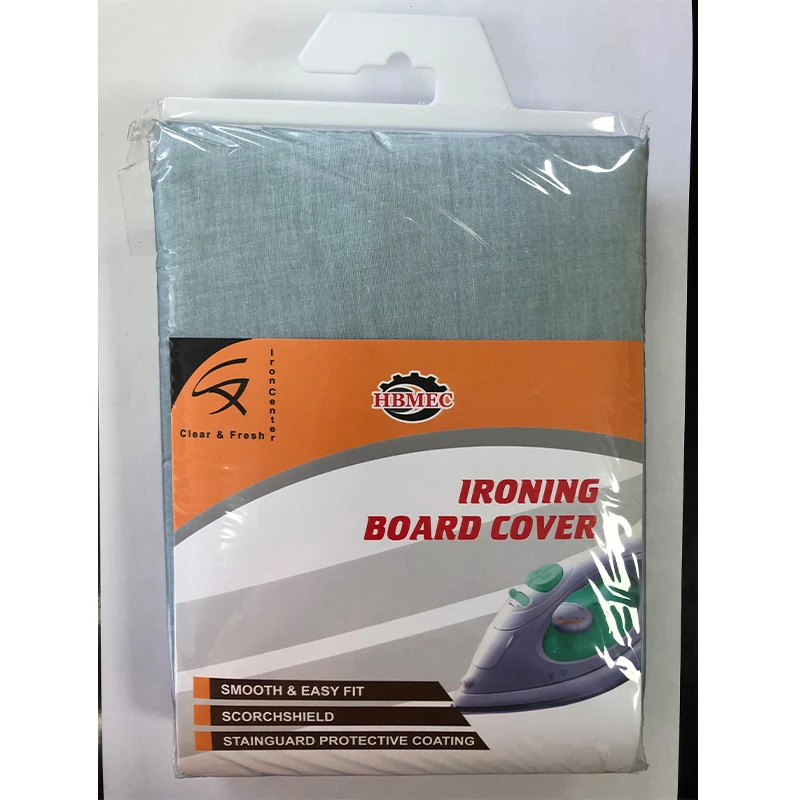
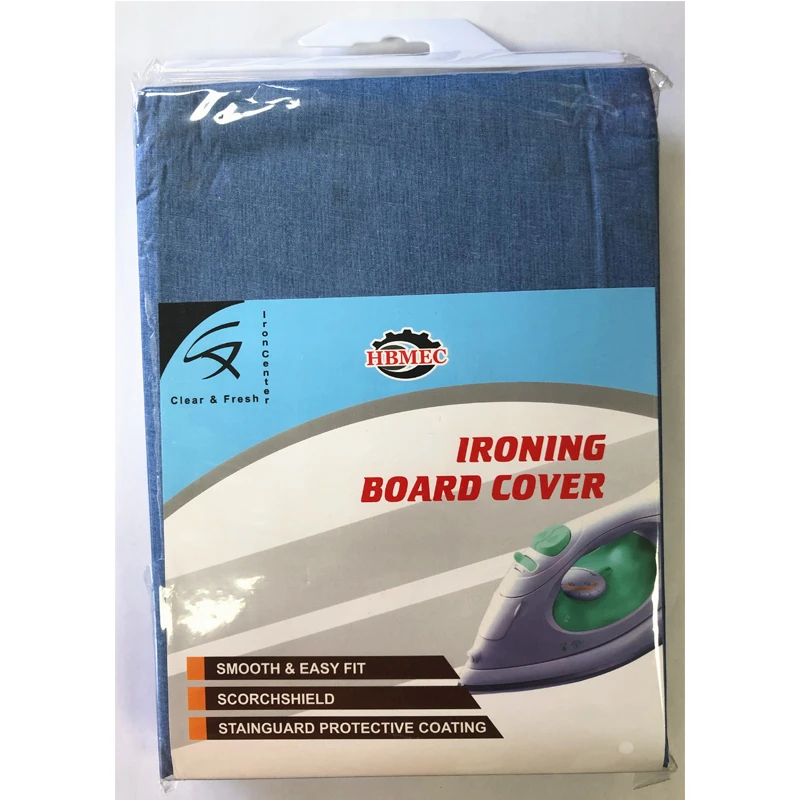
Simply put, a self adhesive ironing board cover is a heat-resistant fabric or pad designed to attach securely to your ironing board. Unlike traditional ties or elastic covers, this one sticks directly onto the surface, eliminating movement and wrinkling. The adhesive is formulated to withstand ironing temperatures without losing grip or leaving residue.
This design evolved as a response to frustrations in both homes and commercial environments — the struggle with slipping covers and inconsistent pressing surfaces that compromise work quality and safety.
Core Components and What Makes Them Tick
- Durability: The adhesive backing must last through repeated heat cycles and pressure without degrading or losing hold. The fabric itself often combines cotton meshes with reflective thermal foils.
- Heat Resistance: Crucial for safety and longevity — these covers can often handle temps upward of 220 °C (428 °F), ensuring no melting or warping during heavy-duty use.
- Ease of Installation: Peel-and-stick is no exaggeration. The cover must attach quickly and without bubbles or wrinkles, saving time in fast-paced environments.
- Non-Toxic & Residue-Free: Manufacturers often certify the adhesives as non-toxic and cleanly removable for easy replacement, aligning with health and environmental standards.
- Cost Efficiency: Compared to fully replaced ironing boards or complicated cover systems, these covers reduce maintenance and operational downtime.
These factors tightly connect to practical benefits, such as fewer accidents, less time fussing with covers, and better quality pressing results.
Global Applications & Where They Shine
From garment factories in Bangladesh to boutique dry cleaners in Europe, the self adhesive ironing board cover plays a subtly crucial role. In developing countries, these covers reduce injury risk and improve efficiency for garment workers — many of whom depend on manual pressing.
In hospitality and medical settings worldwide, the covers improve hygiene and reduce replacement cycles. Even post-disaster relief camps use ironing setups where sturdy, quick-to-install covers matter — clean clothes can bring a sense of dignity to tough situations.
| Product Feature | Typical Specification |
|---|---|
| Material | Heat-resistant cotton with silicone adhesive |
| Heat Tolerance | Up to 220 °C (428 °F) |
| Adhesive Type | Non-toxic, residue-free silicone adhesive |
| Dimensions | Fits boards from 110cm x 30cm standard size |
| Replacement Frequency | Every 12-24 months depending on use intensity |
Advantages & Long-Term Value That Matter
One major plus is cost savings. By limiting cover slippage and wear, you extend both the board’s and the cover’s lifespan. Then, there’s time saved — no more fiddling to align or re-tie covers. That can add up hugely, especially in commercial laundries.
From a social perspective, safer ironing conditions reduce accidents. This is no small matter when you consider the millions relying on ironing boards daily in factories or service sectors.
Emotionally, it might sound trivial, but reliable tools enhance worker dignity and pride. Innovation like this quietly translates into employee satisfaction and better care of garments.
Simple comparison: Popular Self Adhesive Ironing Board Covers
| Brand | Heat Resistance | Adhesive Type | Average Price | Warranty |
|---|---|---|---|---|
| EcoPress | 220 °C | Silicone | $25 | 1 year |
| SafeFit | 210 °C | Acrylic | $30 | 2 years |
| IronMate | 200 °C | Rubber-based | $18 | 6 months |
What’s Next? Future Trends in Ironing Technology
The future points towards even smarter materials — imagine coatings that self-repair or have embedded sensors to monitor temperature and wear. Sustainable, bio-based adhesives are gaining momentum, reducing environmental impact.
Moreover, digital transformation could bring us connected ironing boards with apps suggesting ideal press settings based on fabric — perhaps paired with advanced self adhesive covers that optimize heat distribution.
Facing Challenges Head-On
One lingering issue with self adhesive covers is residue or loss of adhesion over time, especially in high-temperature industrial settings. Manufacturers are tackling this by experimenting with layered adhesive systems and enhanced thermal barriers.
Meanwhile, educating users about proper cleaning and replacement cycles can extend product life. Sometimes, a tiny bit of care makes a big difference.
FAQ: Your Questions About Self Adhesive Ironing Board Covers Answered
- Q: How easy is it to replace a self adhesive ironing board cover?
- A: Very straightforward. You simply peel off the old cover and stick the new one on your clean ironing surface. The adhesive is designed for residue-free removal, so no scrubbing needed.
- Q: Can these covers handle industrial heat settings?
- A: Most of the high-quality covers withstand temperatures up to 220 °C (428 °F), suitable for many industrial environments. However, extremely high-temperature presses may require specialized versions.
- Q: Are self adhesive covers eco-friendly?
- A: Many brands are moving towards sustainable materials and non-toxic adhesives. While not all covers are biodegradable yet, the industry trend favors greener chemistry and recyclable components.
- Q: Will this cover fit non-standard ironing boards?
- A: Covers come in various sizes, and some manufacturers offer customization or trims for unusual board shapes. Checking measurements before buying helps avoid fit issues.
Wrapping Up: Why the Self Adhesive Ironing Board Cover Deserves Your Attention
So, next time you smooth out a shirt or prepare garments professionally, consider how the humble self adhesive ironing board cover supports that process quietly but effectively. It saves time, boosts safety, and enhances efficiency — qualities that add up meaningfully, whether in a family home or global manufacturing chain.
If you’re curious to explore quality options and see what fits your needs, you might want to check out self adhesive ironing board cover solutions with proven durability and customer satisfaction.
After all, ironing is one task where a little stickiness goes a long way!
Quick Final Thought: Innovations don’t always shout—sometimes, they stick quietly beneath your sleeve.
-
Enhance Your Dining Space with a 52 by 70 tableclothNewsApr.16,2026
-
Choosing the Best Green Disposable Tablecloth for Your EventNewsApr.09,2026
-
Enhance Your Bedroom Decor with the Perfect Bedside Tablecloth GuideNewsApr.07,2026
-
Comprehensive Guide to Choosing the Perfect White Table Cloth Plastic for Your EventNewsApr.04,2026
-
Elevate Your Dining Space with a Stylish Modern Table CoverNewsMar.31,2026
-
Elevate Your New Years Celebration with the Perfect New Years Table ClothNewsMar.28,2026
-
Elevate Your Dining Experience with a Stunning Ocean TableclothNewsMar.26,2026