
Small Elasticated Ironing Board Covers – The Key to Perfect Ironing Fit and Finish
Understanding Small Elasticated Ironing Board Covers: A Practical Guide
If you’ve ever wrestled with your ironing board cover slipping off mid-press or noticed the wrinkles that stubbornly refuse to smooth out, you’re not alone. Small elasticated ironing board covers might seem like a humble household accessory, but globally, they serve an important role in garment care, retail, and even industrial settings. Aside from making ironing easier and more effective, these covers contribute to fabric longevity and efficient heat distribution.
So why does it matter? Well, beyond the obvious convenience, these covers reflect a tiny slice of how textile design and materials science intersect with everyday life — enhancing quality, sustainability, and user comfort worldwide.
Global Context: Why Small Elasticated Ironing Board Covers Matter
It might surprise you, but ironing is a global practice affecting billions, with the global textile care market estimated to reach $31 billion by 2027 (Statista). Small elasticated ironing board covers play a surprisingly pivotal role here, offering practical solutions to common ironing problems.
In developing countries, efficient ironing translates to improved garment appearance and textile lifespan — which in turn supports better hygiene and professional presentation, especially in service industries. Meanwhile, industrial laundries and garment manufacturing lines depend heavily on durable, reliable ironing surfaces to keep production smooth.
However, there’s a challenge: ironing boards vary widely in size and shape, and covers often slip, wear unevenly, or fail to withstand repeated heat and steam. The elasticated element in these small covers addresses this, ensuring a snug fit and consistent surface tension — which is crucial for quality results.
What Are Small Elasticated Ironing Board Covers?
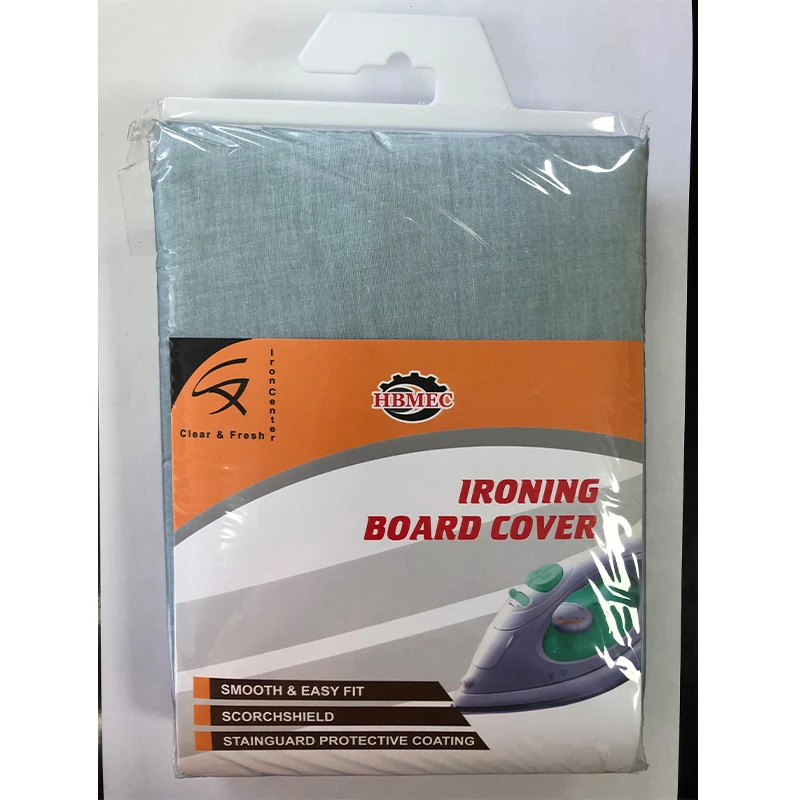
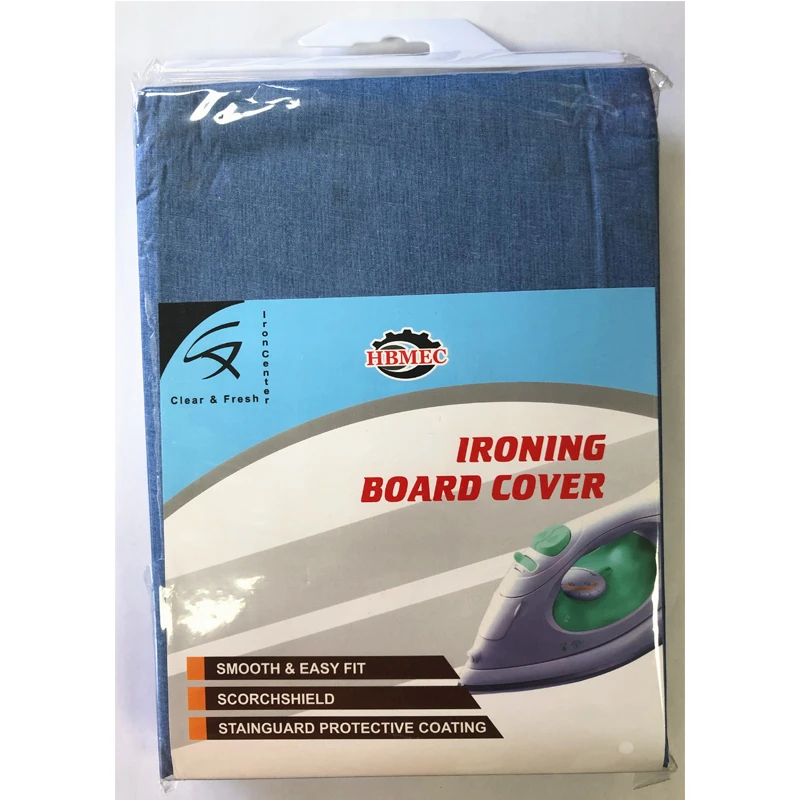
Simply put, these covers are fabric layers equipped with an elastic edging that snugly hugs smaller or compact ironing boards. Think of them as fitted sheets but designed to provide a smooth, heat-resistant platform where your iron glides effortlessly. Unlike traditional loose or tie-on covers, elasticated versions conform tightly, preventing bunching or slipping.
They often feature heat-resistant padding beneath the fabric, balancing softness with protection against scorch marks. While small covers are primarily aimed at compact boards — say, tabletop or travel-sized ones — their function is universal in aiding the ironing process.
From an industrial perspective, these covers are sometimes customized with fire-retardant materials or specialized coatings to meet rigorous safety standards — especially where constant high heat is routine.
Key Features and Components
1. Material Composition
Most small elasticated ironing board covers are crafted from heat-resistant cotton blends combined with felt or foam padding. Some utilize silicone coatings to boost durability and grip. This combination ensures the fabric withstands repeated high-temperature use without degradation.
2. Elastic Edge Quality
The elasticated band encircling the cover's perimeter needs to maintain enough stretch and strength to wrap tightly without losing elasticity over time. This small detail often determines how long the cover stays securely in place.
3. Size Compatibility
Although labeled “small,” ironing boards differ slightly in length and width. Covers usually come with measured dimensions or size ranges, enabling users to pick the best fit — ensuring the elastic works optimally.
4. Thermal Padding
Underneath the outer fabric, a soft yet heat-resistant padding smooths out the board surface, improving heat reflection and protecting the board itself.
5. Ease of Cleaning
Since ironing boards can accumulate starch, sweat, and dust, covers often feature removable or washable materials to prolong usability.
Mini Summary:
- These covers are protective, heat-resistant fabric layers with elastic edges ensuring a tight fit.
- They aid in smooth ironing, protect the board, and come sized for compact boards.
- Material and elasticity quality are key for longevity and effectiveness.
Small Elasticated Ironing Board Covers: Product Specs at a Glance
| Feature | Specification | Benefit |
|---|---|---|
| Material | Heat-resistant cotton blend with felt padding | Durability and smooth ironing surface |
| Elastic Band | Durable, flexible, retains elasticity | Secure, slip-free fit |
| Size | Typically 28 x 12 inches (small boards) | Fits most compact ironing boards snugly |
| Cleaning | Machine washable | Easy maintenance |
Global Applications & Use Cases
Where do these covers really shine? Oddly enough, their impact is far-reaching. In household settings, especially where space is limited — city apartments, dorm rooms, or travel packs — small elasticated ironing board covers enhance ease and speed.
Commercial laundries in Europe and Asia, tasked with massive garment loads, rely on high-quality covers to sustain operational efficiency and safety. In humanitarian contexts, recovery teams use portable ironing boards with specialized covers to help garment distribution centers present clothes properly during relief efforts.
Moreover, fashion retailers often employ these covers in fitting rooms or visual merchandising to display well-pressed garments, improving customer experience at point of sale.
Mini Summary:
- Used globally in homes, industries, and humanitarian operations.
- Improve garment appearance, operational efficiency, and safety.
- Adaptable for compact or portable ironing solutions.
Vendor Comparison: Small Elasticated Ironing Board Covers
| Vendor | Materials | Price Range | Durability | Special Features |
|---|---|---|---|---|
| IronEase | Cotton + felt padding | $15-$20 | Medium lifespan, washable | Anti-slip silicone dots |
| PressPro | Silicone-coated cotton | $25-$30 | High durability, fire-resistant | Extra thermal padding |
| BudgetBoard | Polyester blend | $10-$14 | Short lifespan, washable | Basic elastic edge |
Advantages & Long-Term Value
Frankly, the benefits of these small elasticated ironing board covers go beyond mere convenience. Cost-wise, investing in a quality cover means your ironed clothes look crisper and last longer — which indirectly saves money by reducing damage and premature replacements.
Sustainability is another angle. By extending textile life and preventing scorches and wear on ironing boards themselves, these covers support waste reduction. Plus, many manufacturers now lean toward using organic cotton or recycled fibers, furthering green credentials.
On the social side, well-pressed clothing can instill confidence and dignity—important when entering job interviews or public-facing roles. In essence, a humble ironing board cover quietly supports trust, professionalism, and a bit of everyday pride.
Future Trends & Innovations
Looking ahead, you can expect smart textile innovations to filter down here. Imagine ironing board covers embedded with heat sensors that regulate temperature distribution or fabrics treated with antibacterial coatings.
The sustainability angle is growing, too: manufacturers are exploring fully biodegradable padding and organic natural fibers certified by ISO standards. Meanwhile, customization using digital printing means covers can be tailored to brand colors or personal styles — nice if you want your ironing setup to feel a bit more unique.
Challenges & Solutions
One ongoing challenge is durability. Low-cost covers often lose elasticity quickly or fail to resist heat, requiring frequent replacements. The solution? Higher-quality elastic bands and advanced fabric treatments help increase lifespan, but this also means a slightly higher upfront price.
Another limitation is fit. Because ironing boards aren’t standardized globally, sizing can be tricky. Vendors addressing this offer adjustable or stretch-fit designs, or specific sizes corresponding to popular board types.
FAQ About Small Elasticated Ironing Board Covers
- Q: How do I choose the right size cover for my small ironing board?
A: Measure the length and width of your board’s surface, then compare to the cover’s size guide. Choose a cover with elastic that matches your measurements closely for a snug fit. - Q: Can I use these covers with steam irons?
A: Yes, most elasticated covers are designed to withstand heat and moisture from steam irons, provided they have quality heat-resistant padding. Avoid cheaper polyester-only covers for steam usage. - Q: Are there eco-friendly small ironing board covers available?
A: Absolutely. Organic cotton covers with natural, biodegradable padding are increasingly available. Look for certifications like GOTS or Oeko-Tex for assurance. - Q: How often should I replace my elasticated cover?
A: Depending on use and quality, covers may last 1–3 years. Signs for replacement include loss of elasticity, visible scorching, or persistent slippage.
Conclusion: The Long-Term Payoff
Small elasticated ironing board covers might sound niche, but they’re a simple yet effective textile accessory with global relevance—from households to humanitarian aid. They bring ironing ease, fabric protection, and sustainability benefits rolled into one. By paying a bit more attention to quality and fit, you not only safeguard your garments and boards but also invest in long-term value and satisfaction.
If you’re intrigued or need a reliable fit for your compact board, do check out small elasticated ironing board covers to explore options designed with both practicality and quality in mind.
Takeaway: Good ironing gear starts with the right foundation — and a well-fitted, elasticated cover just might be the missing piece you didn’t know you needed.
References
-
Enhance Your Dining Space with a 52 by 70 tableclothNewsApr.16,2026
-
Choosing the Best Green Disposable Tablecloth for Your EventNewsApr.09,2026
-
Enhance Your Bedroom Decor with the Perfect Bedside Tablecloth GuideNewsApr.07,2026
-
Comprehensive Guide to Choosing the Perfect White Table Cloth Plastic for Your EventNewsApr.04,2026
-
Elevate Your Dining Space with a Stylish Modern Table CoverNewsMar.31,2026
-
Elevate Your New Years Celebration with the Perfect New Years Table ClothNewsMar.28,2026
-
Elevate Your Dining Experience with a Stunning Ocean TableclothNewsMar.26,2026