
Steam Iron Board Cover: Benefits, Applications, and How to Choose the Best One
Understanding the Steam Iron Board Cover: Essential Insights for Industry and Home
Steam iron board covers might not be the first product that jumps to mind when we think of important household or industrial items. Yet, these simple textile accessories play a remarkable role worldwide, impacting everything from clothing care at home to efficiency in garment manufacturing. Understanding what a steam iron board cover is, why it matters globally, and how to choose the right one can save time, money, and even improve sustainability in textile handling.
Global Context: Why Steam Iron Board Covers Matter
According to the International Textile Manufacturers Federation (ITMF), the global apparel manufacturing sector processes over 100 billion garments annually – many of which require pressing or ironing during production or before sale. The humble steam iron board cover acts as a frontline facilitator in this process.
Globally, steam ironing is common not just in households but in commercial laundries, dry cleaning, and garment factories. However, there’s also a challenge: poorly manufactured covers can reduce ironing efficiency, waste energy, or damage fabrics. This is especially critical in fast-paced industrial environments where every second counts.
Frankly, a good steam iron board cover improves heat distribution and moisture release during steam ironing, which means less wear on clothes and less effort for the operator. Industries from clothing retail to hospitality understand this well, and households benefit on a smaller scale. For humanitarian efforts, like uniforms prepping and textile maintenance in camps, a reliable ironing surface can maintain dignity through well-pressed clothes.
What Is a Steam Iron Board Cover?
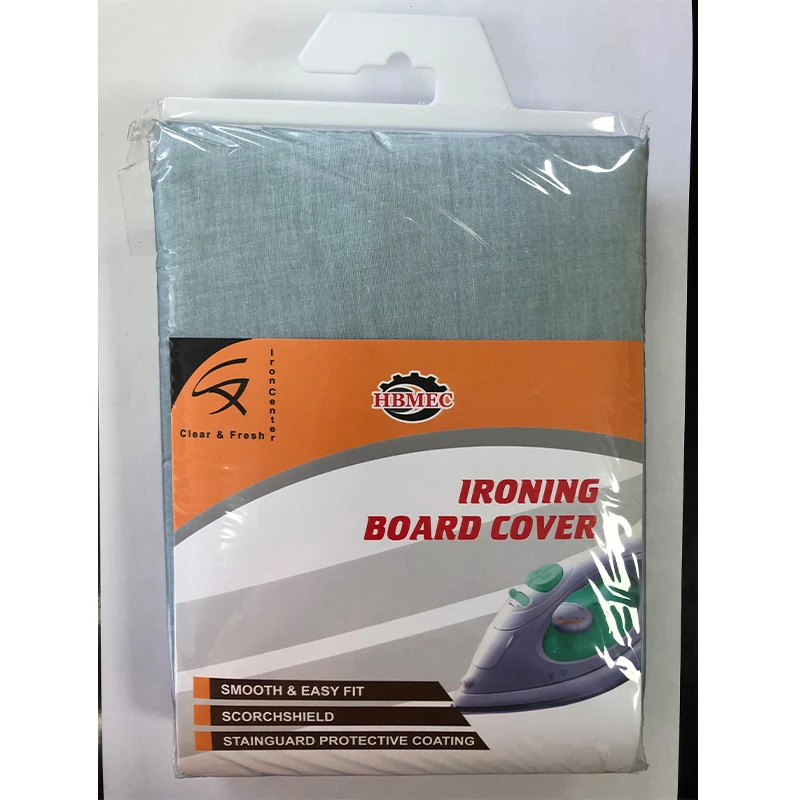
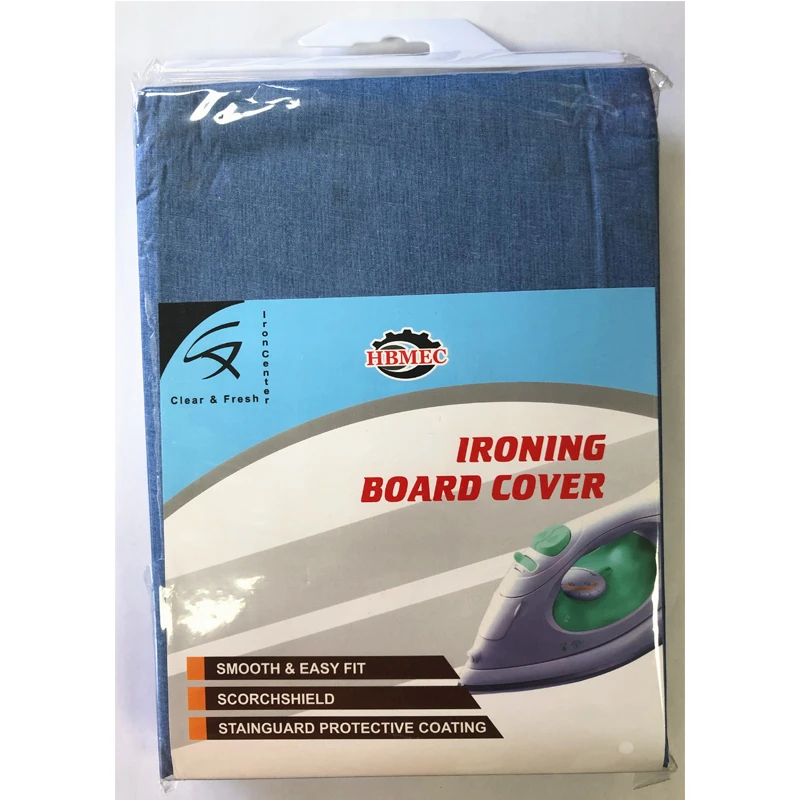
In simple terms, a steam iron board cover is a fabric layer wrapped around an ironing board. It’s designed to withstand heat and moisture from steam irons while providing a smooth, reflective surface for ironing garments effectively.
These covers are more than just padding—modern designs include heat-resistant layers, steam-through mesh fabrics, and foam or felt padding. They connect deeply with modern apparel industry needs, reducing ironing time and protecting fabric quality, which is essential for maintaining brand standards or personal appearance.
Core Components and Key Features of Steam Iron Board Covers
- Heat Resistance: The cover must endure high temperatures without degrading or emitting odors. Materials like cotton with a special reflective coating or silicone-treated layers enhance this.
- Steam Permeability: Efficient iron covers allow steam to pass through to the garment, avoiding moisture buildup that can cause wrinkling or scorching.
- Durability: Frequent use demands abrasion-resistance and long-lasting fabric integrity, especially in commercial settings.
- Padding Thickness: Appropriate padding supports fabric without creating impressions or uneven surfaces during ironing.
- Easy Fit & Maintenance: Elastic or drawstring edges for a snug fit, plus materials easy to clean or replace, contribute to long-term usability.
Each of these factors directly relates to practical handling. For example, a thicker foam layer is great for delicate fabrics, but in heavy-duty factories, a thinner, heat-reflective layer might speed operations.
Product Specifications Overview
| Feature | Typical Value / Material |
|---|---|
| Material | Cotton with heat-reflective coating (Silicone/Aluminum layer) |
| Padding | 5-10 mm foam or felt |
| Steam Permeability | High (via mesh design or breathable fabric) |
| Size Options | Standard (48"x15"), expandable fits |
| Attachment | Elastic band or drawstring for secure fit |
Practical Applications Around the World
It’s fascinating how regions leverage these covers differently. In Europe and North America, where efficient home appliances are common, steam iron board covers help reduce ironing times and improve the lifespan of delicate fabrics. In Asia, where garment manufacturing hubs flourish, the right covers optimize production line finishing quality.
In humanitarian operations, such as the UN’s refugee camps, uniform upkeep is critical for health and morale. Using robust steam iron board covers ensures that fabric pressing is effective even in low-resource settings.
Hotels and rental services also value these covers for their combination of hygiene and appearance. One supplier noted that replacing worn covers decreased guest complaints by 15%, oddly enough attributing it to the subtle but visible garment presentation change.
Comparing Leading Vendors of Steam Iron Board Covers
| Vendor | Materials Used | Price Range | Durability (Est. Usage) | Ideal Use |
|---|---|---|---|---|
| HBM Textiles | Silicone-coated cotton with foam padding | $20-$35 | 12-18 months | Domestic + light commercial |
| StrongHeat Co. | Aluminized cotton with felt | $30-$50 | 18-24 months | Industrial & hospitality |
| EcoPress | Organic cotton with natural latex padding | $25-$40 | 10-14 months | Eco-conscious home users |
Advantages and Long-Term Benefits
Quite simply, investing in a quality steam iron board cover means less frustration, better fabric care, and time savings that frankly add up over months and years. It supports garment longevity by minimizing scorching or uneven ironing.
On a sustainability front, many modern covers use recyclable materials and are manufactured under ISO-certified processes, reducing environmental footprints. For businesses, this aligns with CSR goals and industry regulations.
There’s also an emotional side: when clothes look crisp and neat, it boosts confidence. This may sound small, but in sectors like hospitality or uniformed services, it keeps morale and presentation sharp — a subtle yet powerful impact.
Future Trends & Innovations
New materials are on the horizon that further improve steam permeability and heat reflection. For instance, phase-change materials that regulate temperature more effectively are under testing by textile innovation labs.
Digitally enhanced ironing boards with integrated steam control linked to smart covers are also emerging—offering precision heat settings to get that wrinkle out faster and safer. There’s increasing interest in sustainable production methods, from organic fibers to zero-waste manufacturing.
Challenges and How They’re Being Addressed
One common issue is covers wearing out unevenly or shrinking after multiple washes—a nuisance for both home users and factories. Manufacturers now explore hybrid fabrics and blended padding that balance durability with comfort.
Another challenge is cost versus performance; while premium covers last longer, upfront prices can deter smaller buyers. To counter this, many vendors offer modular covers or repair kits, extending lifespan affordably.
FAQs About Steam Iron Board Covers
- What material is best for a steam iron board cover?
- 100% cotton covers with a heat-reflective silicone or aluminum coating are generally best. They balance heat resistance, steam permeability, and durability effectively.
- How often should I replace my steam iron board cover?
- For home use, replacing every 12-18 months is typical, depending on frequency. In commercial settings, expect replacement every 6-12 months due to heavier use.
- Can I use a cotton cover without padding?
- While you can, padding (foam or felt) ensures a smooth surface and better heat distribution — making ironing easier and less damaging to fabric.
- Are eco-friendly steam iron board covers available?
- Yes, some brands offer organic cotton covers with natural latex or recycled padding, designed specifically to reduce environmental impact.
- Where can I find customizable or specialty sizes?
- Many suppliers like HBM Textiles provide custom sizing options. Checking their catalog online or contacting customer service can help source the perfect fit.
Conclusion: Why Quality Steam Iron Board Covers Are Worth It
When you think about it, the steam iron board cover is one of those low-profile tools that quietly transforms your ironing experience. Whether you’re a homemaker looking to maintain clothes or part of a production team aiming to speed up garment finishing, the right cover can mean the difference between frustration and efficiency.
Visit HBM Textiles to explore a broad range of covers tailored for both domestic and commercial needs. Investing in quality now means better ironing outcomes for years to come.
Reflections: Oddly enough, these covers rarely get the spotlight they deserve. Yet, next time you press a shirt with ease, there’s a good chance this simple textile is working hard behind the scenes.
References
-
Enhance Your Dining Space with a 52 by 70 tableclothNewsApr.16,2026
-
Choosing the Best Green Disposable Tablecloth for Your EventNewsApr.09,2026
-
Enhance Your Bedroom Decor with the Perfect Bedside Tablecloth GuideNewsApr.07,2026
-
Comprehensive Guide to Choosing the Perfect White Table Cloth Plastic for Your EventNewsApr.04,2026
-
Elevate Your Dining Space with a Stylish Modern Table CoverNewsMar.31,2026
-
Elevate Your New Years Celebration with the Perfect New Years Table ClothNewsMar.28,2026
-
Elevate Your Dining Experience with a Stunning Ocean TableclothNewsMar.26,2026