
Steamer Ironing Glove: Heat-Proof, Anti-Scald—Why Choose It?
A Practical Insider’s Take on the Steamer Ironing Glove
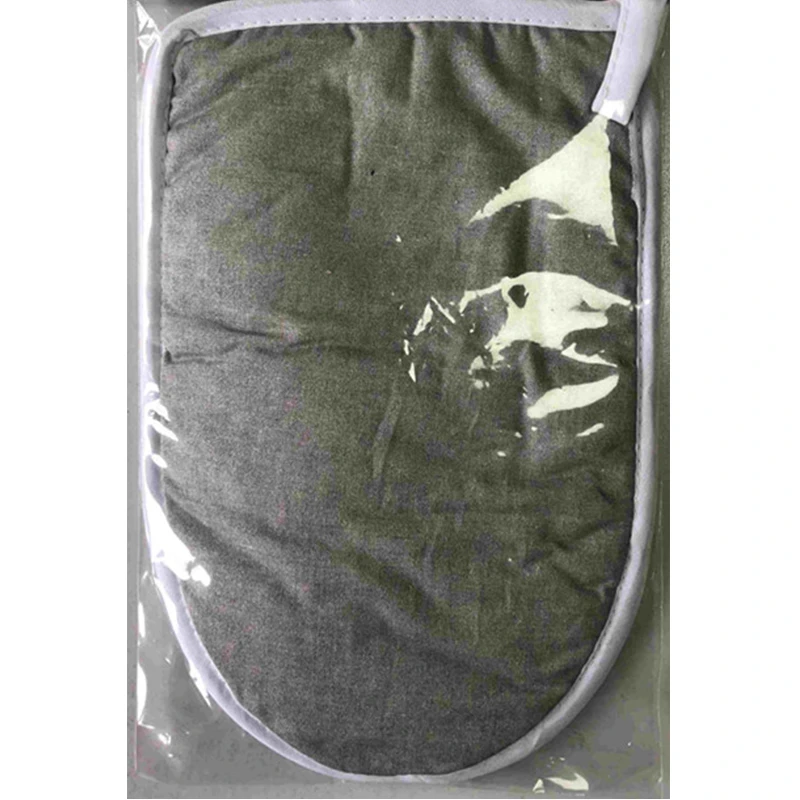
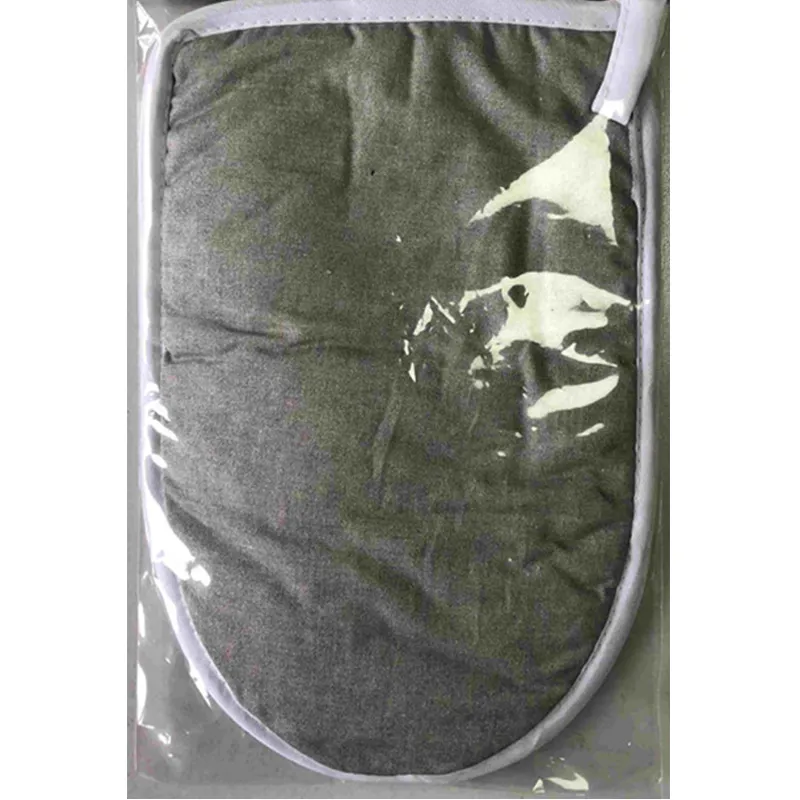
If you steam garments as often as I do—hotel rooms, backstage quick-fixes, sample rooms—you quickly learn that one small tool saves a lot of swearing: the steamer ironing glove. It sounds basic, and yes, it is, but the right construction makes all the difference between a calm touch-up and a scorched thumb. The Iron Glove from Hezuo Road, Shijiazhuang (China) has been turning heads in sourcing circles, and for good reasons I’ll explain.
What’s changing in this niche
Two quiet trends: more silicone-coated textiles for better heat reflection and grip, and a push for OEKO-TEX/REACH-compliant chemistries. Many customers say they want “soft but safe” gloves for delicate silks and wool blends. Surprisingly, the pros in fashion retail care just as much about lint and dye transfer. So a glove that’s silicone-coated, low-lint, and colorfast? It’s getting shortlisted.
Core build and specs (real-world oriented)
The Iron Glove pairs silicone-coated 100% cotton on the top and back with a thick sponge interlayer—practical, comfortable, safe. In fact, that layering is what keeps steam at bay while letting you press seams from behind. Here are indicative numbers from recent lab sheets and field use:
| Outer fabric | Silicone-coated 100% cotton twill, ≈ 220–260 GSM (ASTM D3776) |
| Insulation layer | High-density sponge, ≈ 6–10 mm, low thermal conductivity (k ≈ 0.04 W/m·K) |
| Thermal performance | Contact heat up to around 200–250°C for short durations; internal palm |
| Colorfastness | ISO 105-C06: ≥ 4 (washing), real-world use may vary with detergents |
| Service life | ≈ 18–24 months in retail backrooms (5–20 cycles/day); replace if compression set >30% |
| Certifications (typ.) | OEKO-TEX Standard 100 (components), REACH-compliant coatings |
Where it shines
- Retail visual merchandising: quick de-creasing on mannequins.
- Fashion production and QC: safe seam-opening during checks.
- Hospitality and events: on-the-fly tux and gown fixes, no ironing board.
- Home users: delicate silks, chiffon, wool—hold fabric taut without burns.
Process flow and testing (how it’s made right)
Materials are cut from silicone-coated cotton lots, sponge is die-cut, then the sandwich is stitched with heat-resistant thread. Edges are bias-bound to reduce fray. Typical QA includes:
- Thickness/loft check and compression set (ASTM D3574 guidance)
- Contact heat screening per EN 407 method; supplementary ASTM F1060 where applicable
- Martindale abrasion (ISO 12947) on outer surface
- Wash durability (ISO 6330) and tensile seams (ISO 13934)
Origin: No.71, Hezuo Road, Shijiazhuang, P.R. China. Lead times are sensible; I guess the sponge supply chain is stable again—finally.
Vendor comparison (what buyers actually weigh)
| Vendor | Fabric/Coating | Insulation | Heat Rating | Certs | MOQ | Customization |
|---|---|---|---|---|---|---|
| Iron Glove (HBMEC) | Silicone-coated 100% cotton | 6–10 mm sponge | ≈ 200–250°C short contact | OEKO-TEX, REACH | Flexible | Logo, size, color |
| Generic A | Poly-cotton, PU dots | 4 mm foam | ≈ 150–180°C | Limited | Low | Basic |
| Generic B | Silicone grid on polyester | 8 mm sponge | ≈ 200°C | Claimed | Medium | Color only |
Customization and purchasing notes
Branding via heat-transfer logo, custom pantones, and left/right sizing are typical. For corporate retail, I recommend a darker outer shell to hide shop wear. Also, ask for a test swatch with your exact steamer—steam flow and tip temperature vary more than you’d think.
Field feedback and quick case notes
A luxury boutique group told me their stylists kept one steamer ironing glove per floor to avoid “borrowing battles.” QC leads at a denim factory reported fewer singe incidents on pocket bags when using the steamer ironing glove for inside pressing. And a wedding planner—bless them—said it “saved” three chiffon gowns in one weekend.
Bottom line
There are plenty of gloves. But the silicone-coated cotton + thick sponge build, tested against recognized standards, and backed by sensible customization makes this one an easy recommend. It’s not flashy. It just works.
Authoritative citations
-
Enhance Your Dining Space with a 52 by 70 tableclothNewsApr.16,2026
-
Choosing the Best Green Disposable Tablecloth for Your EventNewsApr.09,2026
-
Enhance Your Bedroom Decor with the Perfect Bedside Tablecloth GuideNewsApr.07,2026
-
Comprehensive Guide to Choosing the Perfect White Table Cloth Plastic for Your EventNewsApr.04,2026
-
Elevate Your Dining Space with a Stylish Modern Table CoverNewsMar.31,2026
-
Elevate Your New Years Celebration with the Perfect New Years Table ClothNewsMar.28,2026
-
Elevate Your Dining Experience with a Stunning Ocean TableclothNewsMar.26,2026