
Steamer Ironing Glove | Heat-Resistant, Anti-Scald, Non-Slip
Iron Glove: the insider’s guide to a safer, smarter steaming routine
If you’ve ever flinched at a burst of hot vapor, you’ll get why a steamer ironing glove is quietly becoming a must-have. The Iron Glove from HBMEC Textiles, produced at No.71, Hezuo Road, Shijiazhuang, P.R. China, is one of those deceptively simple accessories that, to be honest, ends up saving fingers, clothes, and time. I’ve toured enough garment-care setups to know: once technicians and boutique staff try one, they don’t go back.
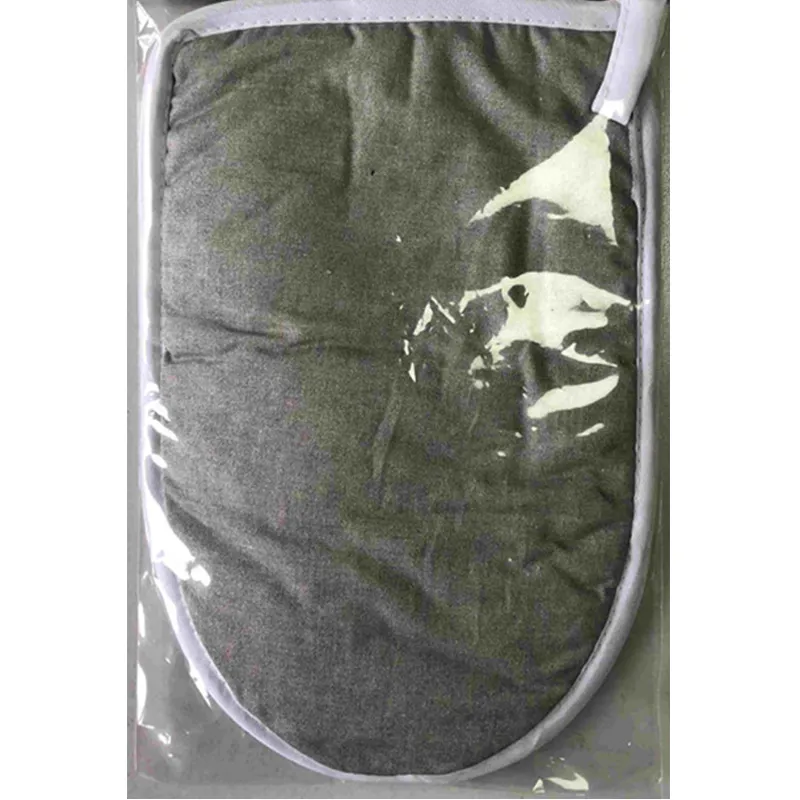
What it is and why it matters
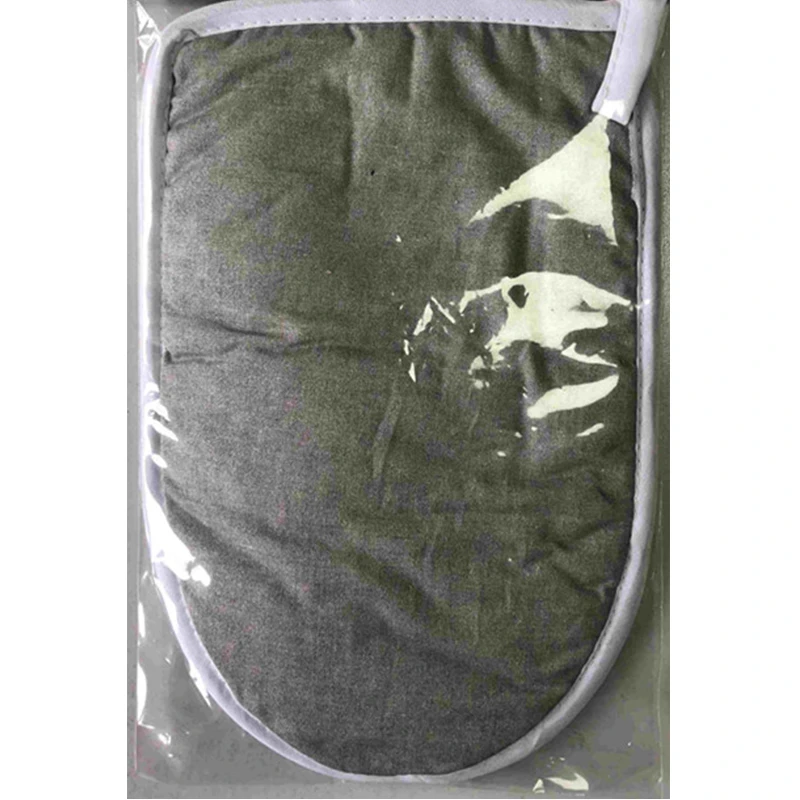
Iron Glove is a handheld pad made from silicone-coated 100% cotton (top and back) with a thick sponge interlayer. In practice, the silicone coating adds grip and a moisture barrier; the cotton breathes; the sponge buffers contact heat. The result? You can hold hems, collars, or delicate embroidery while you steam, without that “uh-oh” moment. Many customers say it feels “obvious in hindsight”—like an oven mitt tailored for fabric care.
Market trend snapshot
Household and travel steamers have exploded as people downshift from heavy ironing to quick de-wrinkling. Retailers tell me attachment sales (pads, mitts, lint brushes) are rising faster than the devices themselves. Sustainability plays a role too—steam refresh extends wear time between washes. A robust steamer ironing glove is now standard kit for boutique fitting rooms, hotel housekeeping, and costume departments.
Key specifications (typical)
| Model | Iron Glove |
| Construction | Silicone-coated 100% cotton (top/back) + thick sponge interlayer |
| Approx. size | ≈ 240 × 160 mm (custom sizes available) |
| Thermal performance | Designed for typical garment steamer output; contact-heat handling targeted up to around 200°C tip touch in real-world use (duration-dependent) |
| Exterior grip | High-friction silicone for fabric control |
| Care | Spot clean; air dry; avoid bleach/solvents |
| Service life | ≈ 12–24 months under routine boutique/household use (may vary) |
How it’s made (process flow)
- Material selection: OEKO-TEX Standard 100–eligible cotton; food-grade or apparel-grade silicone coatings; high-resilience sponge.
- Coating & lamination: controlled silicone coating on cotton; layered with sponge for thermal buffering.
- Cutting & stitching: pattern cutting, edge binding, and seam reinforcement for grip zones.
- QA and testing: contact heat checks referencing EN 407 and ISO 12127-1 methods; colorfastness tests (ISO 105 series, as needed); visual and dimensional inspection.
Usage scenarios
Vertical steaming of suits and dresses, pressing cuffs/collars, smoothing pleats, safe handling of appliqués and embroidery, backstage quick-fixes, hotel room refresh. With a steamer ironing glove, you can hold fabric taut while the steamer head glides—less shine, fewer accidental creases.
Testing, certifications, and data
- Thermal/contact heat: evaluated against EN 407 contact heat procedures and ISO 12127-1 concepts for heat transfer (non-PPE product; for comparative benchmarking).
- Textile safety: materials can be sourced to comply with REACH and OEKO-TEX Standard 100 requirements, upon request.
- Typical observation: users report skin comfort maintained during short steamer bursts; performance depends on steamer output and dwell time.
Vendor comparison (indicative)
| Vendor | Heat handling (≈) | Material certification | Customization | Lead time |
|---|---|---|---|---|
| HBMEC Textiles Iron Glove | Up to ~200°C tip contact (short) | OEKO-TEX/REACH-ready materials | Logo, size, color, packaging | Typically 2–4 weeks |
| Generic import | Varies; often untested | Not stated | Limited | 4–8 weeks |
| Boutique brand | ~180–200°C | Usually stated | Good; higher MOQ | 3–6 weeks |
Customization and aftercare
Options include size tweaks, silicone color, hanging loop, branding, and retail packaging. For best longevity, avoid prolonged direct contact with metal soleplates; use steady, short bursts of steam. Real-world service life often stretches a year or two in boutiques—hotel teams sometimes rotate two gloves per station to extend lifespan.
Mini case notes
- Hospitality: a mid-size hotel group reported quicker room turns after issuing a steamer ironing glove with every steamer—fewer fabric snags, less rework.
- Costume shop: technicians liked the silicone grip for sequins and appliqués; “surprisingly steady” was the phrase I kept hearing.
Sources and standards:
- EN 407:2020 – Protective gloves against thermal risks (overview and test methods).
- ISO 12127-1:2016 – Determination of contact heat transmission of protective clothing materials.
- OEKO-TEX Standard 100 – Textile safety certification framework: https://www.oeko-tex.com
- ECHA REACH Regulation summary: https://echa.europa.eu/regulations/reach/understanding-reach
-
Enhance Your Dining Space with a 52 by 70 tableclothNewsApr.16,2026
-
Choosing the Best Green Disposable Tablecloth for Your EventNewsApr.09,2026
-
Enhance Your Bedroom Decor with the Perfect Bedside Tablecloth GuideNewsApr.07,2026
-
Comprehensive Guide to Choosing the Perfect White Table Cloth Plastic for Your EventNewsApr.04,2026
-
Elevate Your Dining Space with a Stylish Modern Table CoverNewsMar.31,2026
-
Elevate Your New Years Celebration with the Perfect New Years Table ClothNewsMar.28,2026
-
Elevate Your Dining Experience with a Stunning Ocean TableclothNewsMar.26,2026