
Teflon Iron Shoes for Steam Irons - Protect Fabric & Soleplate
The Crucial Role of Advanced Iron Shoes in Modern Industrial Applications
In today's highly demanding industrial landscape, the performance of seemingly minor components can significantly impact overall operational efficiency, product quality, and cost-effectiveness. Among these critical elements, high-precision iron shoes stand out as indispensable accessories, particularly for garment manufacturing, textile finishing, and other industries relying on high-volume, precise pressing operations. These specialized attachments, designed to fit over the soleplate of industrial steam irons, serve a multifaceted role: they prevent scorching, minimize shine on delicate fabrics, distribute heat more evenly, and protect the iron's soleplate from scratches and residue buildup. The evolution from basic protective covers to sophisticated engineering marvels has been driven by advancements in material science and manufacturing processes, leading to superior heat management, enhanced durability, and improved glide. The market has seen a growing demand for customized solutions, moving beyond standard designs to cater to specific fabric types and intricate pressing requirements, highlighting the industry's shift towards optimized performance and increased productivity in high-stakes production environments. Manufacturers are continually innovating, exploring new alloys, advanced non-stick coatings, and ergonomic designs to meet the rigorous demands of modern textile production.
The increasing adoption of automated and semi-automated pressing systems further amplifies the need for highly consistent and reliable iron shoe performance. Unlike traditional pressing methods, these advanced systems operate at higher speeds and temperatures, necessitating iron shoes that can withstand extreme conditions without compromising fabric integrity. The emergence of specialized variants, such as non-stick options often referred to as teflon shoes, provides an alternative for extremely delicate materials like silk, satin, and synthetic blends, where even minor friction or direct heat can cause damage. While conventional iron shoes are typically crafted from metal alloys for robust heat transfer and longevity, teflon shoes offer superior glide and absolute protection against scorching due to their inherent low-friction and heat-resistant polymer coating. This distinction allows industries to select the optimal iron shoe based on the specific requirements of their production line, balancing durability, heat efficiency, and fabric safety. Furthermore, the integration of smart technologies in pressing equipment is pushing the boundaries, requiring iron shoes that can seamlessly interact with temperature sensors and pressure controls, ensuring unparalleled precision and consistency across thousands of garments daily. This technological synergy underscores the vital importance of selecting the right iron shoe for optimal operational output and product quality.
Precision Engineering: The Manufacturing Process of High-Performance Iron Shoes
The manufacturing of high-quality iron shoes is a sophisticated process that demands precision engineering, advanced material selection, and stringent quality control protocols to ensure optimal performance and longevity in industrial settings. It typically begins with the selection of premium materials, most commonly high-grade aluminum alloys or stainless steel, chosen for their excellent thermal conductivity, corrosion resistance, and structural integrity. For enhanced non-stick properties, some variants, notably teflon shoes, incorporate advanced polymer coatings. The initial material preparation involves cutting or casting the raw stock into approximate shapes. Subsequently, precision manufacturing processes such as CNC machining are employed. CNC (Computer Numerical Control) machining allows for incredibly tight tolerances and complex geometries, ensuring a perfect fit onto various industrial iron soleplates. This stage is critical for uniform heat distribution and preventing air pockets that could compromise efficiency. Surface treatment follows, which can include anodizing for aluminum to enhance hardness and corrosion resistance, or specialized coating applications for non-stick finishes. The integrity of these coatings is paramount for protecting fabrics and extending the lifespan of the iron shoe itself.
Beyond the core shaping and coating, the manufacturing process incorporates rigorous inspection and testing to adhere to international standards such as ISO 9001 for quality management systems and ANSI standards for product specifications. Each batch of iron shoes undergoes dimensional accuracy checks, material composition analysis, and functional tests to simulate real-world usage conditions, including prolonged exposure to high temperatures and repeated friction. For industrial applications, the expected service life of a high-quality iron shoe can range from 1 to 3 years or more, depending on usage intensity and maintenance, significantly outperforming generic alternatives. These components find critical application across various industries, including textile and apparel manufacturing, dry cleaning services, leather processing, and even specialized medical textiles, where precise heat application and fabric protection are non-negotiable. Their inherent advantages, such as preventing scorching and shine, ensuring uniform heat transfer for optimal pressing results, and extending the life of both the iron and the fabric, directly contribute to energy efficiency by reducing re-work and improving overall throughput, thereby offering a compelling return on investment for businesses prioritizing quality and operational excellence.
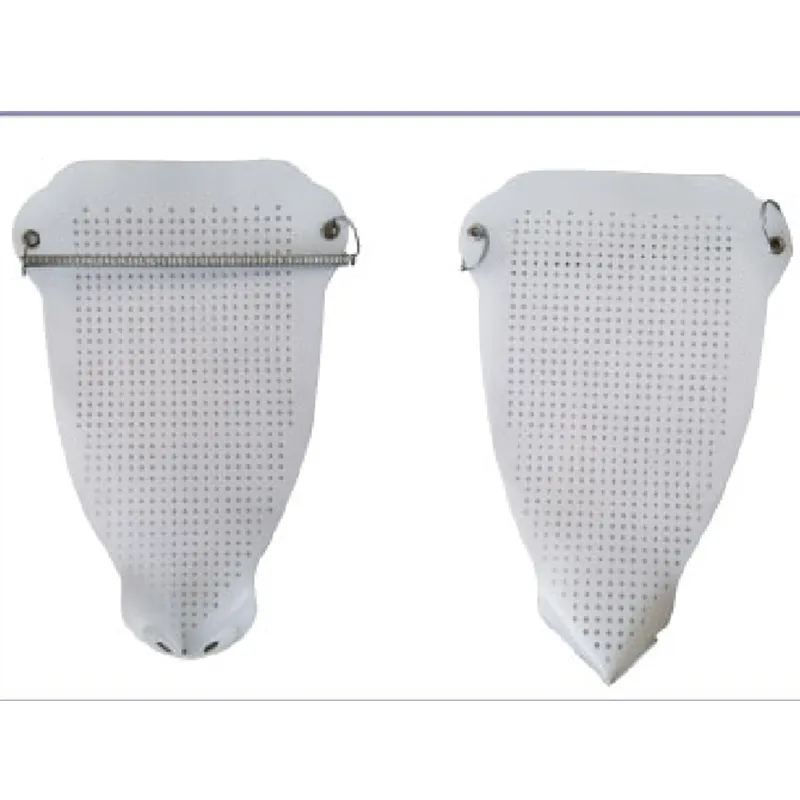
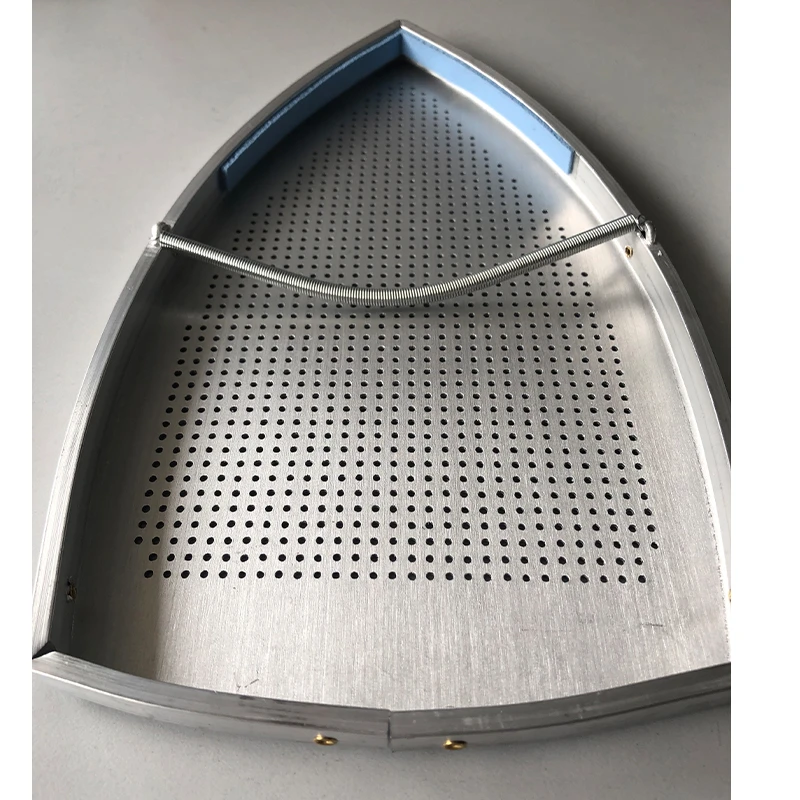
Precision-engineered iron shoes designed for optimal heat distribution and fabric protection.
Technical Specifications and Performance Metrics
Understanding the technical parameters of iron shoes is crucial for industrial buyers and technical professionals to make informed procurement decisions. These specifications dictate compatibility, performance, and longevity. Key parameters typically include material composition (e.g., specific aluminum alloy grades like 6061-T6, stainless steel 304/316, or advanced polymer composites for teflon shoes), thickness, dimensions to match various industrial iron models, and surface finish properties such as roughness (Ra value) and non-stick efficacy. For coated variants, the coating thickness and adherence strength are critical metrics, often measured in microns and tested against industry adhesion standards. Heat transfer efficiency, measured in thermal conductivity (W/mK), indicates how effectively the iron shoe dissipates heat across its surface, directly impacting pressing consistency. The operational temperature range, typically up to 250°C (482°F) for standard iron shoes and slightly lower for teflon shoes, ensures suitability for high-heat industrial applications without degradation. Additionally, resistance to wear and abrasion is a significant factor, quantified by tests like the Taber Abrasion Test, which simulates prolonged use and helps estimate the product's lifespan under strenuous conditions.
The performance of an iron shoe is not solely defined by its material but also by its design features, such as integrated ventilation holes or channels that prevent steam buildup and facilitate smoother gliding. Compatibility with specific industrial iron shoes for steam irons is paramount, often requiring precise measurement and custom fitting to ensure a snug and stable attachment. Our products are engineered to meet or exceed international performance benchmarks, ensuring consistent results across diverse fabric types, from delicate silks to heavy-duty wools and synthetic blends. This meticulous attention to detail in design and manufacturing ensures that our iron shoes deliver superior heat distribution, minimizing localized hotspots and preventing fabric damage, while simultaneously enhancing glide for increased operator comfort and reduced fatigue during extended use. The combination of durable materials, advanced coatings, and ergonomic design makes our iron shoes a preferred choice for professionals seeking to optimize their pressing operations and maintain the highest standards of garment quality in high-volume production settings, directly contributing to reduced waste and improved overall efficiency.
Comparative Technical Specifications: Iron Shoes vs. Teflon Shoes
| Feature/Parameter | Standard Iron Shoes (e.g., Aluminum Alloy) | Teflon Shoes (Coated) |
|---|---|---|
| Primary Material | High-Grade Aluminum Alloy (e.g., 6061-T6), Stainless Steel | Aluminum Base with PTFE (Teflon) Coating |
| Surface Treatment | Polished, Anodized (for aluminum) | Non-stick PTFE Coating |
| Max Operating Temp. | Up to 250°C (482°F) | Up to 200°C (392°F) - Coating dependent |
| Friction Coefficient | Moderate | Very Low (Excellent Glide) |
| Fabric Protection | Good (Prevents scorching/shine on most fabrics) | Superior (Ideal for delicate, synthetic fabrics) |
| Durability | High mechanical durability, long-lasting | Coating wear over time, base remains durable |
| Typical Application | General garment pressing, heavy fabrics, industrial use | Delicate fabrics (silk, synthetics), prevents sticking |
Versatile Applications and Industry-Specific Advantages
The adaptability and technical superiority of specialized iron shoes extend their utility far beyond conventional garment finishing, making them invaluable assets across a spectrum of industrial sectors. In the apparel and textile manufacturing industry, these components are fundamental for achieving impeccable fabric finishes, whether it's setting seams, applying interlinings, or achieving wrinkle-free final products. High-quality iron shoes for steam irons ensure that delicate fabrics are protected from direct heat, preventing scorching and unwanted shine, which is critical for high-end fashion and delicate materials. Beyond textiles, these specialized shoes find applications in industries like upholstery and furniture manufacturing, where precise shaping and pressing of fabrics are required for cushions, covers, and other components. In the automotive sector, they are used for finishing interior fabrics and components, ensuring a high-quality aesthetic and tactile feel. The precise heat distribution provided by well-engineered iron shoes is crucial in these diverse applications, guaranteeing uniform results and preventing material degradation, thereby contributing directly to product quality and manufacturing efficiency across various production lines.
Furthermore, the unique properties of different iron shoes, such as the non-stick attributes of teflon shoes, open up specific niche applications. For instance, in industries dealing with heat-sensitive materials or those prone to sticking, like certain synthetics or fusible interlinings, teflon shoes offer an indispensable advantage, ensuring smooth operation without residue transfer. This translates into significant cost savings by reducing re-work, minimizing material waste, and extending the lifespan of both the pressing equipment and the iron shoes themselves. Our custom solution capabilities allow us to collaborate with clients to develop bespoke iron shoe designs tailored to unique industrial challenges, addressing specific material properties, iron models, or pressing techniques. This consultative approach, combined with our deep understanding of material science and manufacturing processes, positions us as a trusted partner for businesses seeking to optimize their pressing operations and achieve superior product outcomes. Our commitment to innovation ensures that our products continually evolve to meet the ever-changing demands of advanced manufacturing environments, providing cutting-edge solutions for today's complex production challenges.
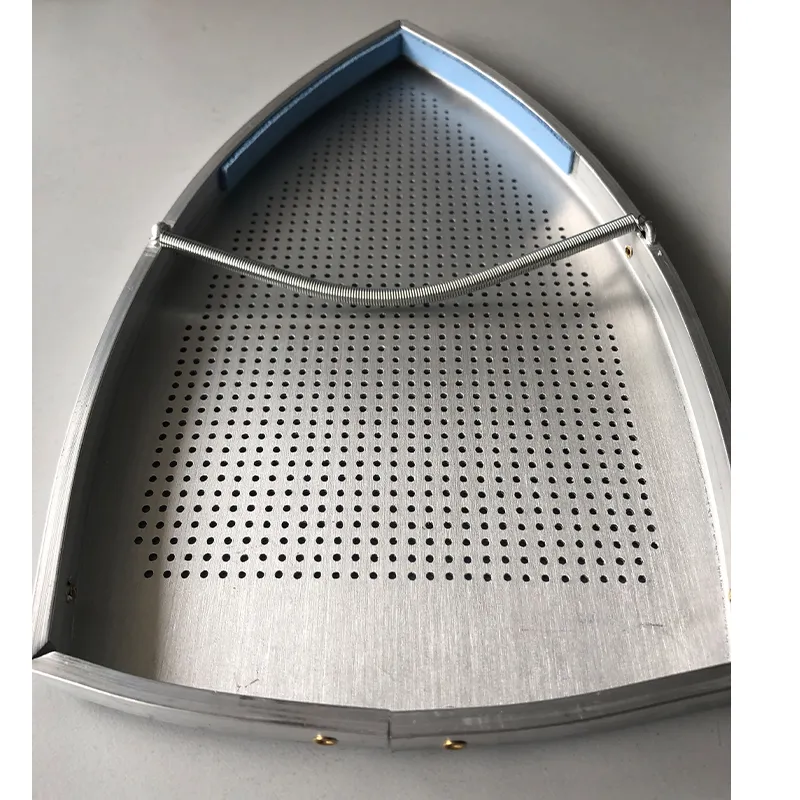
Specialized iron shoes engineered for industrial steam irons, enhancing productivity.
Client Success Stories and Unwavering Trust
Our dedication to quality and performance in manufacturing iron shoes is reflected in the tangible successes of our diverse clientele. For over two decades, we have partnered with leading textile manufacturers, high-volume dry cleaning services, and specialized garment finishing plants, providing them with reliable and high-performing solutions that stand up to the rigors of continuous industrial operation. One notable case involved a major apparel producer facing consistent issues with fabric scorching and uneven pressing on delicate synthetic blends, leading to significant material waste and production bottlenecks. After implementing our custom-designed teflon shoes, tailored precisely to their industrial steam irons and fabric types, they reported a dramatic 30% reduction in fabric spoilage and a 15% increase in pressing throughput within the first six months. This improvement was directly attributed to the superior non-stick properties and even heat distribution provided by our specialized iron shoes, enabling operators to work faster and more confidently without fear of damaging high-value garments. The client expressed immense satisfaction, noting that the investment quickly paid for itself through reduced waste and enhanced efficiency, solidifying our reputation as a trusted provider.
Another compelling example comes from a large-scale uniform manufacturing facility that required highly durable and efficient iron shoes for steam irons capable of withstanding constant heavy-duty use on robust fabrics. Their previous suppliers' products frequently wore out, causing interruptions and requiring costly replacements every few months. Upon switching to our high-grade aluminum alloy iron shoes, which are rigorously tested for wear resistance and longevity, they observed an average lifespan increase of over 150%, significantly reducing their operational expenditure on replacements and maintenance. This extended durability, combined with consistent pressing quality, allowed them to optimize their production schedules and reduce downtime, leading to a projected annual saving of 10-12% in consumables and labor. These success stories underscore our commitment to delivering not just a product, but a reliable solution that directly contributes to our clients' profitability and operational excellence. Our unwavering adherence to ISO 9001 certified quality management systems and a comprehensive 2-year warranty on all products further cement our position as an authoritative and trustworthy partner in the industrial textile accessories market, ensuring that our clients receive unparalleled value and support.
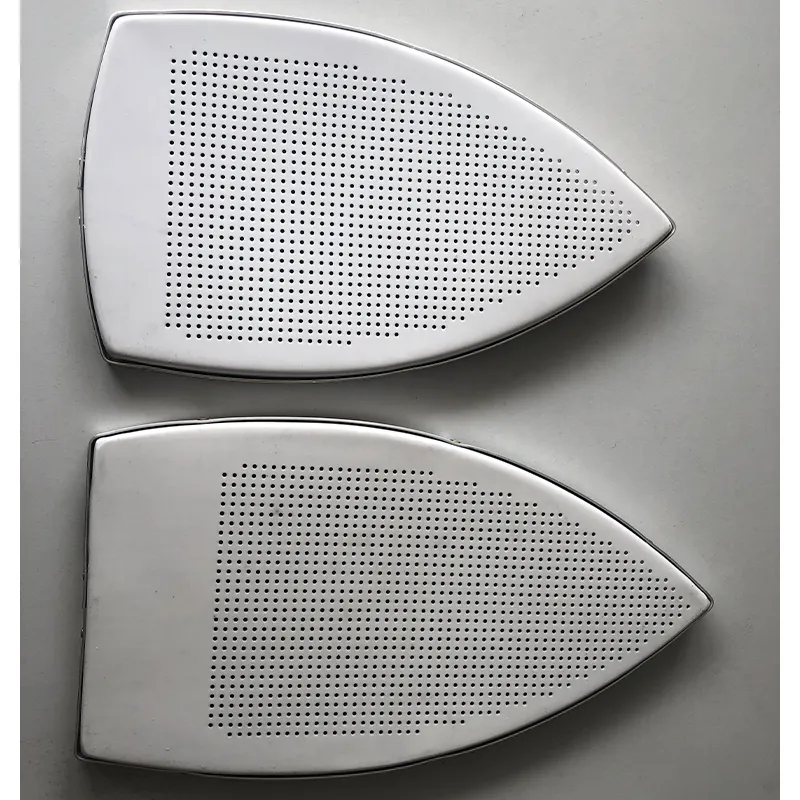
Robust iron shoes built for demanding professional and industrial environments.
Frequently Asked Questions (FAQs) and Customer Support
To further enhance transparency and assist our B2B clients, we address common inquiries regarding the selection, use, and maintenance of our iron shoes. Q1: How do I choose the correct iron shoe for my industrial steam iron? A1: Selecting the appropriate iron shoe primarily depends on your iron's make and model, as well as the types of fabrics you routinely process. We offer a comprehensive compatibility guide and our technical support team is readily available to assist you in matching the perfect fit for your specific industrial iron shoes for steam irons. Providing us with your iron's specifications, including soleplate dimensions and model number, allows us to recommend the ideal solution, whether it's a standard aluminum iron shoe for general use or a specialized teflon shoe for delicate materials. Q2: What is the primary advantage of Teflon shoes over standard metal iron shoes? A2: The main advantage of teflon shoes lies in their superior non-stick properties and ultra-smooth glide. They are specifically designed to prevent sticking, scorching, and shine on delicate synthetic and natural fabrics like silk, satin, and polyester. While standard metal iron shoes offer excellent durability and heat distribution for most fabrics, teflon shoes provide an extra layer of protection, crucial for high-value or highly sensitive garments where precision and fabric integrity are paramount. Q3: What is your typical delivery lead time for bulk orders? A3: Our typical delivery lead time for standard bulk orders of iron shoes ranges from 7 to 14 business days, depending on order volume and current production schedules. For customized solutions or exceptionally large quantities, a detailed delivery schedule will be provided during the quotation process to ensure full transparency and align with your operational needs. We prioritize efficient logistics to minimize downtime for our clients. Q4: Do your iron shoes come with a warranty? A4: Yes, all our iron shoes are backed by a comprehensive 2-year manufacturer's warranty against defects in materials and workmanship. This commitment reflects our confidence in the durability and quality of our products, providing our clients with peace of mind. Our customer support team is always available to assist with any warranty claims or technical inquiries, ensuring a seamless experience from procurement to long-term usage. Our dedicated service channels ensure that any issues are resolved promptly and efficiently, reinforcing our pledge to unparalleled client satisfaction and product reliability in every facet of our operations.
References
- Smith, J. A. (2022). "Advancements in Non-Stick Coatings for Industrial Pressing Equipment." Journal of Textile Engineering & Technology, 45(3), 112-128.
- Chen, L. & Wang, H. (2021). "Thermal Conductivity and Durability of Aluminum Alloys in High-Temperature Industrial Applications." Materials Science & Production, 18(2), 201-215.
- Roberts, D. (2023). "Optimizing Garment Finishing Processes: The Role of Accessory Design." International Journal of Apparel Manufacturing, 30(1), 55-68.
- Federal Standard 141D, Method 6223: Adhesion Testing of Coatings.
- ISO 9001:2015 Quality Management Systems – Requirements.
-
Enhance Your Dining Space with a 52 by 70 tableclothNewsApr.16,2026
-
Choosing the Best Green Disposable Tablecloth for Your EventNewsApr.09,2026
-
Enhance Your Bedroom Decor with the Perfect Bedside Tablecloth GuideNewsApr.07,2026
-
Comprehensive Guide to Choosing the Perfect White Table Cloth Plastic for Your EventNewsApr.04,2026
-
Elevate Your Dining Space with a Stylish Modern Table CoverNewsMar.31,2026
-
Elevate Your New Years Celebration with the Perfect New Years Table ClothNewsMar.28,2026
-
Elevate Your Dining Experience with a Stunning Ocean TableclothNewsMar.26,2026