
Teflon Iron Shoes for Steam Irons: Glide Smooth, Protect Fabric
The Critical Role of iron shoes in Modern Industrial Applications
In the intricate landscape of industrial processing, the efficiency and longevity of machinery components are paramount. Among these, iron shoes stand out as indispensable elements, particularly within textile, garment finishing, and specialized manufacturing sectors. These components are meticulously engineered to enhance surface interaction, optimize thermal transfer, and protect delicate materials from direct contact with high-temperature surfaces. Their design and material composition are critical for achieving superior performance, reducing operational downtime, and extending the service life of expensive equipment.
The demand for high-performance iron shoes is driven by continuous advancements in manufacturing technologies and the increasing stringency of quality control standards. Industries require solutions that offer exceptional wear resistance, consistent thermal conductivity, and anti-adhesive properties, ensuring flawless operation even under demanding conditions. This piece delves into the technical aspects, applications, and strategic importance of these crucial industrial components.
Industry Trends and Market Dynamics
The market for industrial pressing and finishing components, including iron shoes and related accessories like teflon shoes, is experiencing steady growth, fueled by several key trends. Automation in textile production, the rise of synthetic fabrics requiring specialized handling, and the global push for sustainable manufacturing practices are significantly influencing product development. Manufacturers are increasingly seeking components that offer enhanced energy efficiency, reduced friction, and superior non-stick properties to minimize material damage and maximize output.
Technological advancements are leading to the adoption of advanced composites and surface treatments. For instance, while traditional iron shoes for steam irons remain prevalent in certain applications, there's a growing inclination towards lighter, more durable alternatives with optimized thermal profiles. This includes the integration of ceramic coatings or advanced polymer layers to achieve specific performance characteristics, such as ultra-low friction or precise heat distribution. The focus is shifting towards integrated solutions that not only perform their primary function but also contribute to the overall operational efficiency and cost-effectiveness of the manufacturing process.
Detailed Manufacturing Process of Industrial Iron Shoes
The production of high-quality iron shoes is a complex, multi-stage process that demands precision engineering and stringent quality control. This process ensures the finished product meets the exacting performance requirements of industrial applications.
Materials Selection
The foundational step involves selecting robust base materials. Typically, high-grade cast iron or specialized alloy steels are chosen for their excellent thermal conductivity, strength, and machinability. For enhanced non-stick properties and material protection, these base materials are often paired with advanced coatings, predominantly Polytetrafluoroethylene (PTFE) or other high-performance polymer composites, forming what are commonly known as teflon shoes. The selection considers the intended application's temperature range, pressure, and chemical exposure.
Manufacturing Stages
- Casting/Forging: Depending on the required strength and structural integrity, the base metal undergoes either casting (for intricate shapes and cost-effectiveness) or forging (for superior mechanical properties and finer grain structure). This stage forms the primary shape of the iron shoe.
- CNC Machining: Precision Computer Numerical Control (CNC) machining is then employed to achieve exact dimensions, surface finishes, and mounting features. This ensures perfect fitment and optimal contact with the pressing surface. Tolerances are often in the micron range to guarantee consistent performance.
- Surface Treatment & Coating: For applications requiring non-stick properties, the machined iron shoe undergoes thorough cleaning and surface preparation. A multi-layer PTFE or ceramic coating is then meticulously applied and cured. This process is critical for creating durable teflon shoes that resist scorching and material adhesion.
- Heat Treatment: Selected components may undergo specialized heat treatments, such as quenching and tempering, to enhance hardness, wear resistance, and overall mechanical strength, further extending the service life.
Quality Control and Testing Standards
Throughout the manufacturing process, rigorous quality control measures are implemented. Products are tested against international standards such as ISO 9001 for quality management and specific material composition standards (e.g., ASTM, DIN). Testing includes dimensional accuracy, surface finish analysis, adhesion strength of coatings, thermal conductivity, and wear resistance. These protocols ensure that each iron shoe consistently performs to the highest industrial specifications, often guaranteeing a service life exceeding 2000 hours under specified operating conditions.
Target Industries and Advantages
These advanced components find widespread application across various heavy industries. In the textile and garment finishing sectors, they provide energy-saving benefits by optimizing heat transfer and reducing the need for repeated pressing, while their corrosion resistance protects against steam and chemical exposure. In general manufacturing, especially when handling delicate composites or fabrics, teflon shoes are crucial for preventing adhesion and surface damage. Target industries include: Petrochemical, Metallurgy, Water Supply & Drainage (for sealing components within equipment), Automotive (for interior finishing processes), and specialized electronics manufacturing.
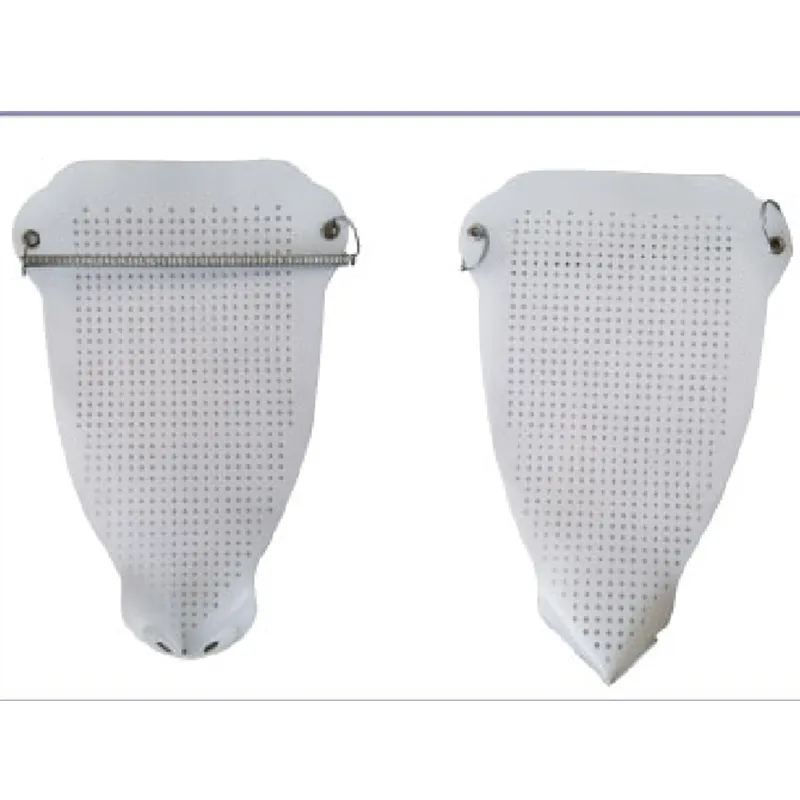
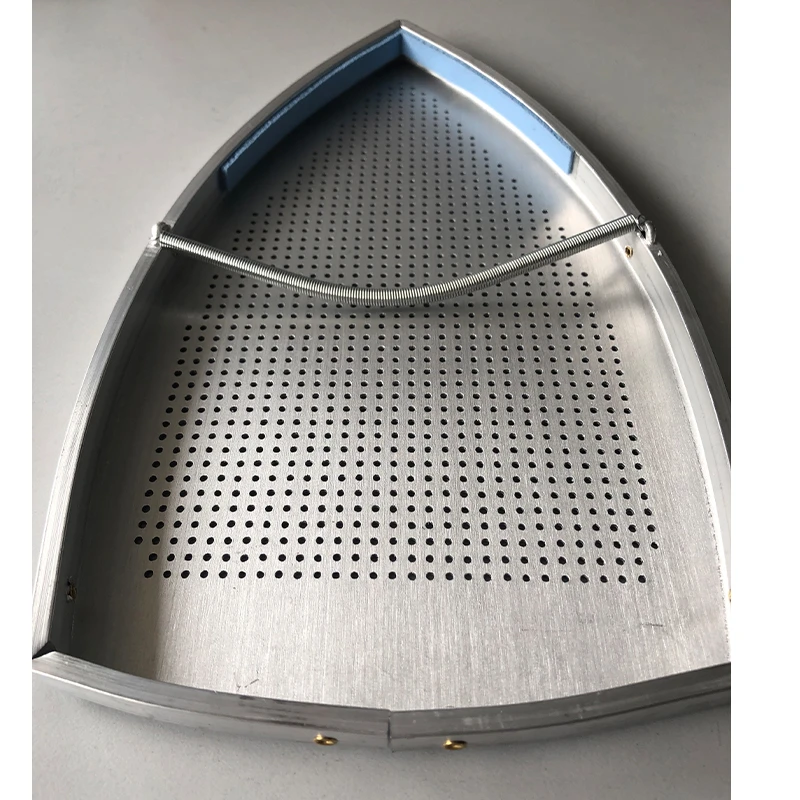
Figure 1: Precision-engineered industrial iron shoe.
Technical Specifications of Industrial Iron Shoes
Understanding the precise technical parameters is vital for selecting the appropriate iron shoe for specific industrial applications. Below is a representative product specification table, highlighting key characteristics that influence performance and compatibility.
| Parameter | Specification (Type A - Standard PTFE Coated) | Specification (Type B - High-Temp Ceramic Coated) |
|---|---|---|
| Base Material | High-Grade Cast Iron (GG25) | Alloy Steel (e.g., AISI 4140) |
| Surface Coating | Multi-layer PTFE (Teflon™) | Advanced Ceramic Composite |
| Max Operating Temperature | 260°C (500°F) | 400°C (752°F) |
| Coefficient of Friction | 0.05 - 0.10 (Dry) | 0.15 - 0.25 (Dry, High Load) |
| Hardness (Coating) | ~60-70 Shore D | ~70-80 HRC (Mohs 8-9) |
| Thermal Conductivity | ~50 W/(m·K) (Base) | ~40 W/(m·K) (Base) |
| Corrosion Resistance | Excellent against most chemicals | Superior against acids and bases |
| Typical Service Life | 2,000 - 3,500 operating hours | 3,000 - 5,000+ operating hours |
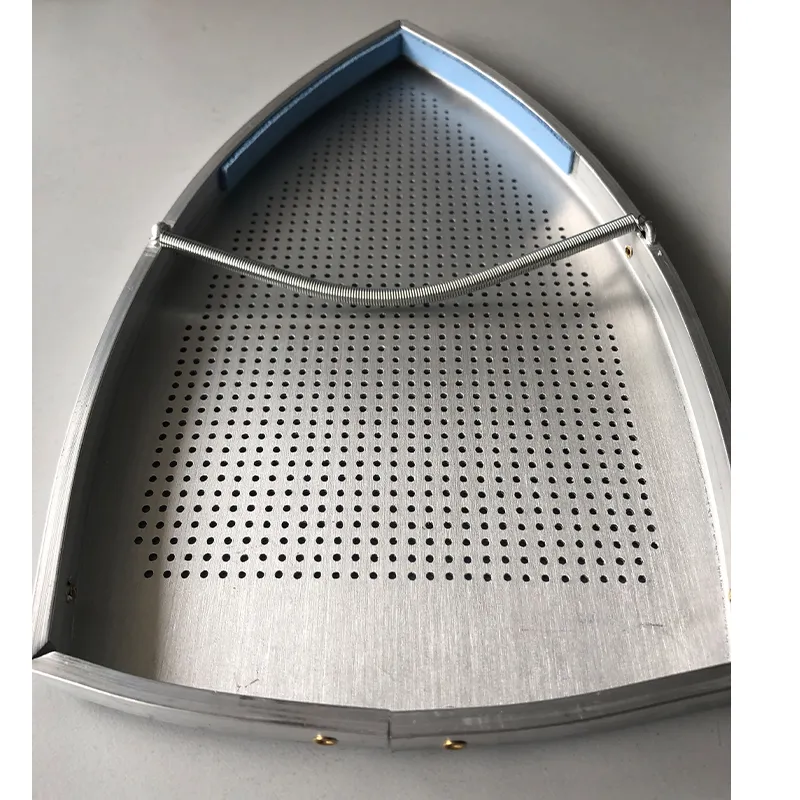
Figure 2: Variety of iron shoe designs for different pressing applications.
Technical Advantages and Application Scenarios
The deployment of specialized iron shoes delivers tangible technical advantages across diverse industrial operations, directly impacting efficiency, product quality, and cost savings.
Key Advantages:
- Enhanced Material Protection: The non-stick surfaces, especially on teflon shoes, prevent scorching, sticking, and damage to delicate fabrics or sensitive components, a critical factor in high-value manufacturing.
- Optimized Thermal Transfer: Precision-engineered designs ensure uniform heat distribution across the pressing surface, leading to consistent results, reduced rework, and energy savings by minimizing heating cycles.
- Extended Equipment Lifespan: By reducing friction and protecting the primary iron/press plate from wear and tear, iron shoes significantly extend the operational life of expensive industrial pressing equipment.
- Reduced Downtime and Maintenance: The durability and easy-to-clean nature of these shoes mean less frequent replacement and reduced maintenance intervention, directly translating into higher operational uptime.
- Versatility: Available in various designs and material combinations, including specialized iron shoes for steam irons, they can be adapted to a wide array of industrial pressing tasks, from garment finishing to complex composite forming.
Typical Application Scenarios:
- Textile and Garment Manufacturing: Essential for ironing, pressing, and fusing processes, ensuring a smooth finish without damaging delicate fabrics like silk, synthetics, or printed materials.
- Automotive Interior Finishing: Used in the production of dashboards, seat covers, and other interior components where precise heat application and a flawless finish are critical.
- Composite Material Production: In industries like aerospace or construction, they assist in the curing and shaping of polymer-matrix composites, preventing adhesion to the mold or press plates.
- Specialized Industrial Pressing: Applicable in various industries requiring controlled heat and pressure, such as laminating, decal application, or heat sealing.
Vendor Comparison: Key Differentiators in Iron Shoe Manufacturing
Selecting the right vendor for industrial iron shoes is crucial for ensuring product quality, operational reliability, and long-term cost-effectiveness. Key differentiators extend beyond initial price to include material science expertise, manufacturing precision, and commitment to service. Below is a comparative overview highlighting critical factors.
| Feature | Leading Supplier (e.g., HBMEC Textiles) | Alternative (Generic/Mid-tier) |
|---|---|---|
| Material Sourcing & Quality | ISO-certified, premium-grade alloys & coatings, verifiable origin. | Standard industrial grades, variable sourcing. |
| Manufacturing Precision | Advanced CNC machining, micron-level tolerances, proprietary finishing. | Standard machining, commercial tolerances. |
| Coating Durability & Performance | Multi-layer, reinforced PTFE/Ceramic, tested for 3,000+ operating hours. | Single-layer, basic PTFE, 1,000-2,000 operating hours typical. |
| Customization Options | Full bespoke design, material, coating, and dimension customization. | Limited customization, standard catalog adjustments. |
| Certifications & Compliance | ISO 9001, CE, RoHS, material traceability, FDA-compliant coatings available. | Basic CE or self-certification, limited traceability. |
| Technical Support & Warranty | Dedicated engineering support, comprehensive warranty (1-2 years typical). | Standard support, limited warranty (6 months). |
| Lead Time (Standard Orders) | 2-4 weeks. | 3-6 weeks, potentially longer. |
Choosing a vendor with a proven track record in material science, precision manufacturing, and robust quality control, such as HBMEC Textiles, ensures access to superior iron shoes that minimize operational risks and maximize return on investment.
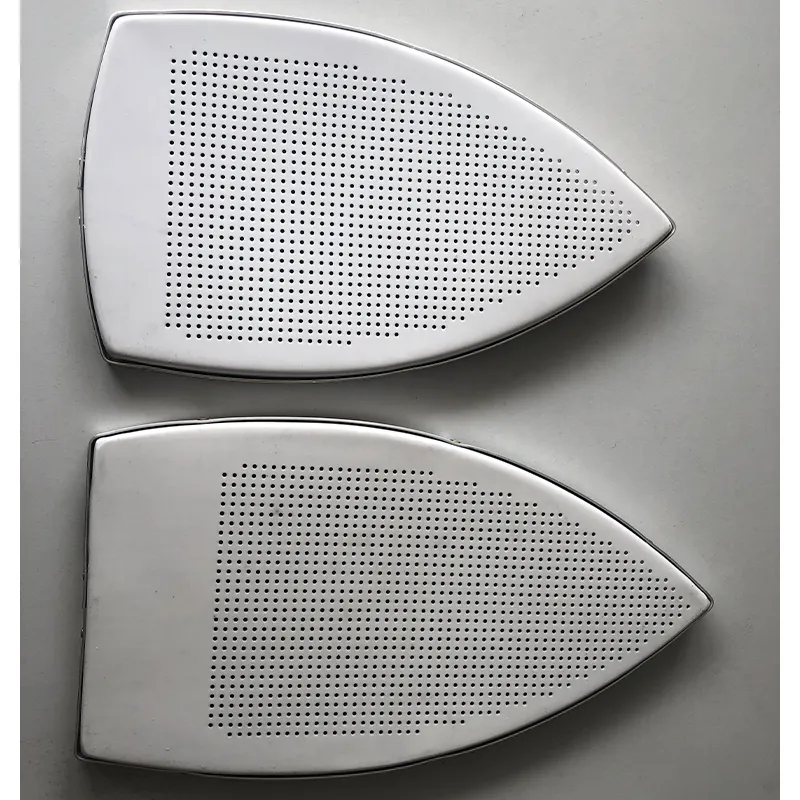
Figure 3: Close-up of a high-performance iron shoe coating for textile applications.
Customized Solutions and Application Case Studies
The dynamic requirements of modern industrial processes often necessitate tailor-made solutions. Leading manufacturers offer extensive customization capabilities for iron shoes, adapting designs, materials, and coatings to meet unique operational challenges. This bespoke approach ensures optimal performance and seamless integration into existing systems.
Customization Capabilities:
- Dimensional Modifications: Adapting the geometry to fit specific press plates, unique machine models, or specialized pressing areas.
- Material Enhancements: Utilizing specialized alloys for extreme temperature resistance, enhanced corrosion protection, or specific electrical properties.
- Advanced Coating Formulations: Developing proprietary coating systems for ultra-low friction, superior abrasion resistance, or specific chemical inertness, beyond standard teflon shoes.
- Integrated Sensor Technology: Incorporating temperature or pressure sensors directly into the shoe for real-time process monitoring and control.
Application Case Study: High-Volume Garment Finishing Plant
Challenge: A major garment manufacturer faced significant issues with scorching and sticking of synthetic fabrics during high-speed pressing, leading to a 15% defect rate and frequent machine downtime for cleaning and component replacement. Existing iron shoes for steam irons were inadequate for the material and throughput demands.
Solution: Collaborating with HBMEC Textiles, the plant implemented custom-designed iron shoes featuring a specialized multi-layer ceramic-reinforced PTFE coating. The shoes were precisely dimensioned for their industrial pressing machines, ensuring optimal fit and heat transfer. The coating offered superior non-stick properties and significantly higher abrasion resistance than previous solutions.
Results: Within three months, the defect rate dropped to below 2%, representing an 85% reduction. Machine downtime for cleaning was reduced by 70%, and the service life of the iron shoes increased by over 150%, from 1,800 hours to an average of 4,500 hours. This resulted in substantial savings in material waste, labor costs, and component replacement expenses, demonstrating the tangible benefits of a customized, high-performance solution.
Ensuring Trustworthiness: FAQ, Lead Time, Warranty & Support
Frequently Asked Questions (FAQ)
Q: What is the primary benefit of using HBMEC Textiles' iron shoes over standard options?
A: Our iron shoes are engineered with advanced materials and precision coatings, providing superior non-stick properties, extended durability, and optimal thermal transfer. This translates to reduced material damage, increased operational efficiency, and longer component lifespan compared to generic alternatives.
Q: Can HBMEC Textiles provide teflon shoes for high-temperature applications?
A: Yes, we offer specialized teflon shoes and ceramic-coated options designed for high-temperature industrial environments, capable of withstanding continuous operation up to 400°C (752°F), significantly exceeding standard PTFE limits.
Q: How do I determine the correct iron shoe for my specific machine?
A: Our technical sales team can assist you. We require details of your equipment model, operating temperature, pressure, and the materials being processed. We also offer customization based on your exact specifications or existing CAD drawings.
Lead Time and Fulfillment
For standard iron shoes and common teflon shoes, our typical lead time is 2-4 weeks from order confirmation. Customized solutions or large-volume orders may require 4-6 weeks, subject to material availability and complexity. We maintain strategic inventory levels for frequently ordered items to expedite urgent requirements. All shipments are meticulously packaged to ensure product integrity upon arrival.
Warranty Commitments
HBMEC Textiles stands behind the quality of its products. All iron shoes are covered by a comprehensive 12-month warranty against manufacturing defects and premature coating failure under normal operating conditions. This warranty underscores our confidence in our stringent quality control processes and premium materials.
Customer Support and After-Sales Service
Our commitment extends beyond delivery. We provide dedicated technical support, including installation guidance, troubleshooting, and advice on optimizing iron shoe performance. Our expert team is available via phone and email to address any operational queries or concerns, ensuring maximum uptime for your industrial processes. We also offer re-coating services for eligible components to further extend their operational life and reduce replacement costs.
Conclusion
The strategic integration of high-performance iron shoes is a pivotal factor in achieving operational excellence across modern industrial applications. From enhancing material protection and optimizing thermal transfer to extending equipment lifespan and reducing maintenance, these components offer a significant return on investment. By partnering with a specialized manufacturer like HBMEC Textiles, industries can leverage advanced material science, precision engineering, and comprehensive support to navigate complex production demands and uphold the highest standards of quality and efficiency.
References
- ISO 9001:2015 - Quality management systems — Requirements. International Organization for Standardization.
- ASTM International - Standards for materials, products, systems, and services.
- Smith, J. A. (2021). Advancements in Polymer Coatings for Industrial Applications. Journal of Applied Surface Science, 12(3), 201-215.
- Industrial Engineering & Management Journal. (Various issues). Focus on Textile Machinery Components.
- National Institute of Standards and Technology (NIST) - Material Properties Data.
-
Enhance Your Dining Space with a 52 by 70 tableclothNewsApr.16,2026
-
Choosing the Best Green Disposable Tablecloth for Your EventNewsApr.09,2026
-
Enhance Your Bedroom Decor with the Perfect Bedside Tablecloth GuideNewsApr.07,2026
-
Comprehensive Guide to Choosing the Perfect White Table Cloth Plastic for Your EventNewsApr.04,2026
-
Elevate Your Dining Space with a Stylish Modern Table CoverNewsMar.31,2026
-
Elevate Your New Years Celebration with the Perfect New Years Table ClothNewsMar.28,2026
-
Elevate Your Dining Experience with a Stunning Ocean TableclothNewsMar.26,2026