
Teflon Iron Shoes: Protect Fabrics, Smooth Glide for Steam Irons
Industry Trends and Market Dynamics for Advanced Ironing Solutions
The global textile and garment finishing industry is experiencing a significant shift towards efficiency, sustainability, and enhanced product quality. Central to this evolution are innovative accessories designed to optimize garment care processes. Among these, iron shoes have emerged as critical components, offering superior performance compared to traditional soleplates. Market analysis indicates a steady growth in demand for high-performance ironing solutions, driven by the expansion of commercial laundries, garment manufacturing facilities, and hospitality services. The need for reduced energy consumption, minimized fabric damage, and increased operational throughput compels businesses to invest in advanced soleplate technologies, including those featuring specialized coatings.
Recent data from industry reports highlight a compound annual growth rate (CAGR) of approximately 4.5% for industrial ironing equipment accessories from 2023 to 2028, with a significant portion attributed to specialized soleplate covers. This growth is fueled by increasing automation in textile processing and the adoption of high-temperature, high-pressure steam irons that demand durable and efficient soleplate protection. Innovations in materials, particularly the widespread adoption of PTFE-based coatings for non-stick properties, further contribute to this trend, pushing the market towards more specialized and high-quality solutions like iron shoes and their `[teflon shoes]` counterparts.
Manufacturing Process Flow and Quality Assurance
The production of high-quality iron shoes is a meticulously controlled multi-stage process, ensuring optimal performance and longevity. Our adherence to stringent manufacturing protocols and international standards guarantees products that meet the rigorous demands of industrial environments.
Schematic Manufacturing Steps:
-
1. Material Selection & Inspection:
Utilizing aerospace-grade aluminum alloys or specialized stainless steels, chosen for their thermal conductivity, durability, and lightweight properties. Raw materials undergo spectral analysis and tensile testing to confirm compliance with ASTM/ISO standards for purity and mechanical strength.
-
2. Pre-treatment & Cleaning:
Surfaces are meticulously degreased, etched, and rinsed to remove impurities and create an optimal adhesion profile for subsequent coatings. This critical step ensures the integrity and longevity of the non-stick surface.
-
3. Forming (Casting/Forging):
Depending on the design and material, soleplate blanks are either precision-cast or forged to achieve initial shape and structural integrity. Forging enhances grain structure, providing superior strength and wear resistance, crucial for heavy-duty iron shoes.
-
4. CNC Machining:
Advanced Computer Numerical Control (CNC) machining centers precisely mill the soleplate to final dimensions, ensuring exact fitment with various iron models and creating intricate steam channels. Tolerances are typically held to +/- 0.02 mm.
-
5. Surface Coating Application:
A multi-layer non-stick coating, often PTFE (Teflon™) or ceramic-enhanced variations, is applied via electrostatic or spray techniques. Each layer is cured at specific temperatures to achieve maximum adhesion and durability, providing exceptional glide and scorch resistance.
-
6. Quality Control & Testing:
Each iron shoe undergoes a series of rigorous tests, including coating adhesion tests (cross-hatch), hardness tests (Rockwell, Vickers), thermal distribution analysis, and functional glide tests. Products are certified compliant with ISO 9001:2015 quality management systems.
-
7. Final Finishing & Packaging:
Edges are deburred and polished. Each soleplate is then individually inspected and securely packaged to prevent damage during transit, ensuring it arrives in pristine condition.
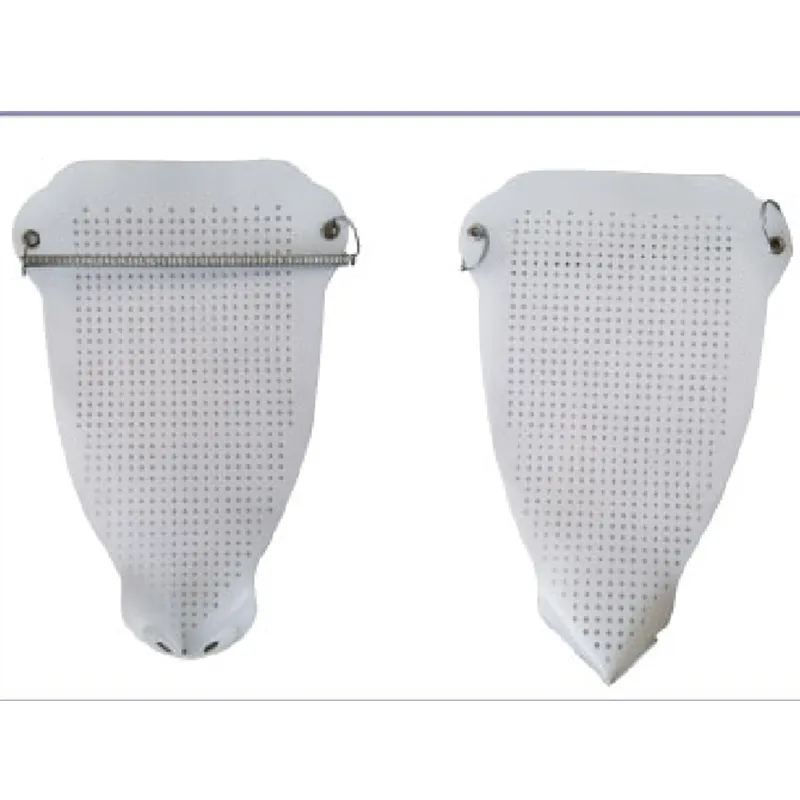
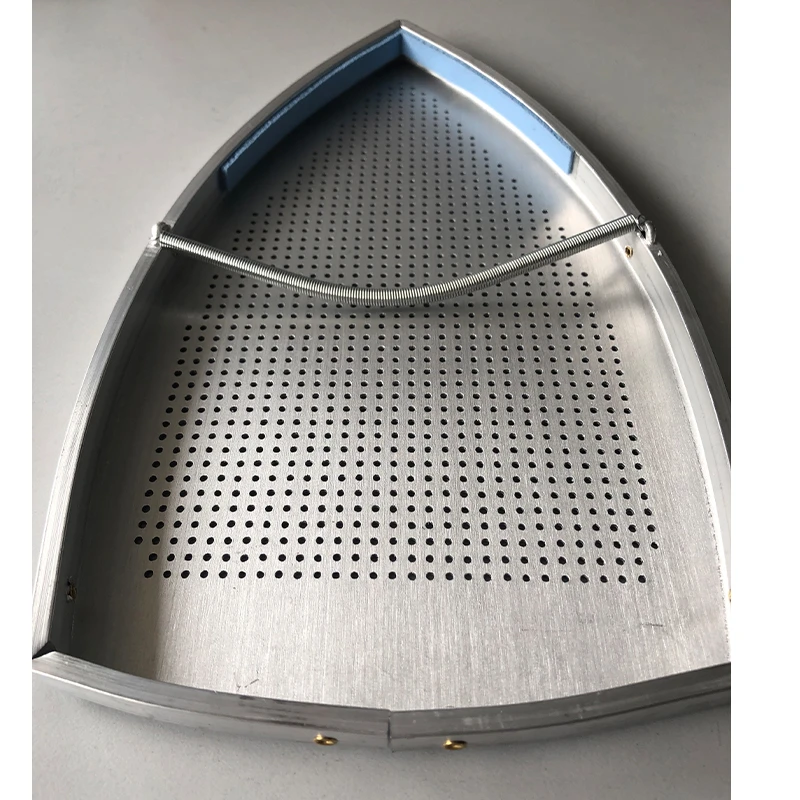
Fig 1: Advanced surface coating application for enhanced durability.
Our target industries include textile manufacturing, garment finishing, hospitality, and commercial laundry services. The extended service life, typically exceeding 2,000 operating hours under normal conditions, translates into significant cost savings and reduced downtime. Advantages in typical application scenarios include enhanced energy saving through optimized heat transfer and superior corrosion resistance due to advanced coatings, mitigating the wear from steam and chemical residues.
Technical Specifications and Performance Parameters
Understanding the precise technical parameters of iron shoes is crucial for B2B decision-makers. Below is a detailed specification table outlining typical characteristics and performance metrics for our premium industrial iron shoes. These parameters are verified through internal testing and third-party certifications, ensuring reliability and consistent performance in demanding environments.
| Parameter | Description | Typical Value | Measurement Standard |
|---|---|---|---|
| Base Material | High-grade Aluminum Alloy (e.g., A6061) | Lightweight, High Thermal Conductivity | ASTM B209 |
| Coating Type | PTFE (Polytetrafluoroethylene) - Enhanced Non-Stick | Multi-layer, Fluoropolymer | Proprietary & ISO 2409 (Adhesion) |
| Coating Thickness | Overall coating depth for durability | 30-50 microns (µm) | ISO 2178 |
| Operating Temperature Range | Maximum continuous operating temperature | Up to 260°C (500°F) | ASTM D543 |
| Surface Hardness | Resistance to scratching and abrasion | 6-7 Mohs (Coating); 60-70 HRB (Base) | ASTM E18 / ASTM D3363 |
| Thermal Conductivity | Efficiency of heat transfer from iron to fabric | ~150-200 W/m·K (Alloy) | ASTM C177 |
| Friction Coefficient (Dynamic) | Measure of glide over fabric | ~0.05-0.10 (PTFE on Cotton) | ASTM D1894 |
| Service Life (Estimated) | Expected operational duration under normal use | 2,000+ operating hours | Internal Wear Cycle Testing |
Diverse Application Scenarios and Operational Benefits
The versatility and performance enhancements offered by iron shoes make them indispensable across a spectrum of industrial and commercial applications. These specialized soleplate covers are engineered to meet the unique demands of high-volume, precision ironing, delivering tangible operational benefits.
- Commercial Laundries & Dry Cleaners: Here, high throughput and immaculate finish are paramount. iron shoes for steam irons prevent scorching, reduce drag, and allow for faster, smoother ironing of diverse fabrics from delicate silks to heavy cottons, significantly reducing fabric rework and increasing efficiency.
- Garment Manufacturing & Textile Finishing: In these environments, precision and consistent quality are critical for final product presentation. The non-stick properties prevent residues from fusing to the soleplate, ensuring a clean finish on every garment, which is vital for brand reputation and quality control. This is particularly relevant for intricate designs or delicate materials.
- Hospitality Industry: Hotels and resorts rely on pristine linens and uniforms. iron shoes safeguard expensive fabrics, extend their lifespan, and maintain a high standard of presentation, contributing to guest satisfaction and operational cost savings. The anti-static properties also prevent fabric cling, enhancing the professional appearance of pressed items.
- Apparel Retail & Boutique Services: For high-end fashion and delicate garments, the gentle yet effective pressing capability of iron shoes minimizes the risk of damage, preserving the integrity and value of premium items. They ensure that garments are presented in their best possible state to consumers.
In each scenario, the underlying advantage stems from the combination of superior heat distribution, enhanced glide, and comprehensive fabric protection. This translates into tangible benefits such as a 10-15% reduction in ironing time, a significant decrease in fabric damage and rework rates, and extended equipment lifespan.
Technical Advantages and Performance Differentiation
The selection of iron shoes over standard iron soleplates or inferior covers represents a strategic investment for B2B enterprises. The technical advantages are profound, directly impacting operational efficiency, product quality, and long-term cost-effectiveness.
- Superior Heat Distribution & Retention: Precision-engineered aluminum or steel cores ensure uniform heat dispersal across the entire soleplate surface. This eliminates hot spots, preventing localized scorching and ensuring consistent wrinkle removal with fewer passes, thereby reducing energy consumption by up to 8% per ironing cycle.
- Advanced Non-Stick & Anti-Scorch Properties: Our multi-layered PTFE-based coatings provide an ultra-smooth, low-friction surface. This prevents starch, fusibles, and synthetic materials from sticking or scorching delicate fabrics. This property dramatically reduces garment rework and protects the fabric’s integrity.
- Enhanced Glide & Reduced Fabric Drag: The low coefficient of friction of the coating significantly reduces the effort required for ironing, minimizing operator fatigue and increasing overall throughput. This smooth glide helps to prevent pulling or stretching of fabrics, preserving garment shape.
- Corrosion Resistance & Durability: The robust construction and specialized coatings protect the soleplate from corrosion caused by steam, water impurities, and chemical residues found in some fabric treatments. This extends the service life of both the iron shoe and the underlying iron soleplate.
- Protection of Original Iron Soleplate: Acting as a sacrificial layer, the iron shoe shields the primary soleplate from direct contact with fabrics, zippers, and buttons, preventing scratches, dents, and buildup, thereby extending the life of expensive industrial irons.
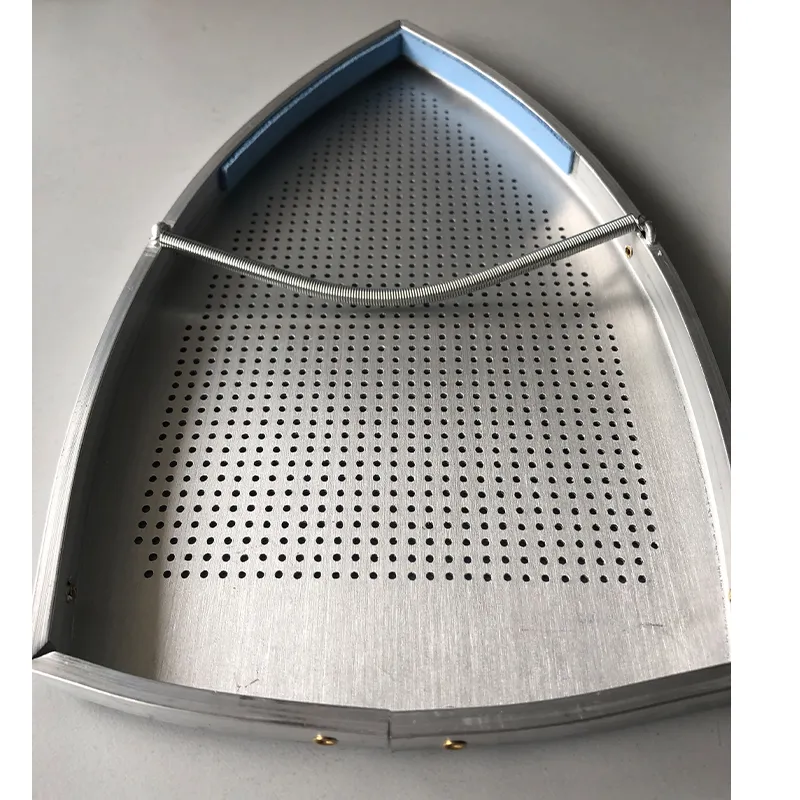
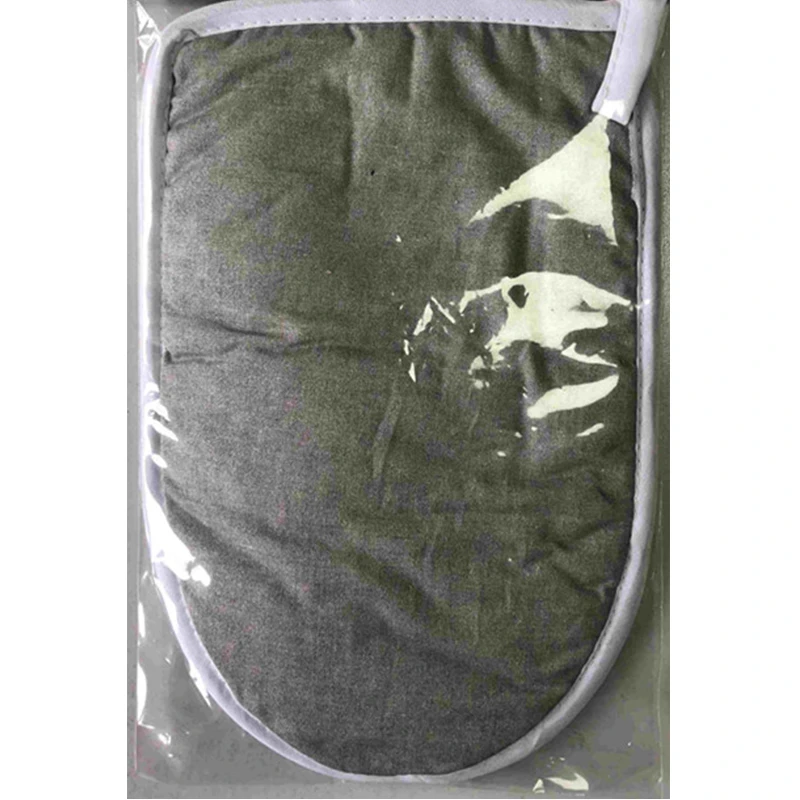
Fig 2: Precision engineering for optimal heat transfer and glide.
These combined technical attributes lead to a substantial return on investment through reduced operational costs, fewer rejects, and improved labor productivity, cementing iron shoes as a critical asset in modern textile care.
Vendor Comparison and Strategic Selection
Choosing the right supplier for industrial iron shoes is paramount for maintaining operational excellence. While many vendors offer these products, significant differences exist in material quality, coating technology, manufacturing precision, and after-sales support. Below is a comparative analysis, highlighting key differentiators.
| Feature/Vendor Aspect | Standard Vendor A | Specialized Vendor B | Leading Performance Provider (e.g., HBMEC Textiles) |
|---|---|---|---|
| Base Material Quality | Recycled Aluminum/Basic Steel | Commercial Grade Aluminum Alloy | Aerospace-grade Aluminum Alloy (A6061/7075) |
| Coating Technology | Single-layer PTFE (basic adhesion) | Dual-layer PTFE (improved durability) | Multi-layer Enhanced Fluoropolymer (superior adhesion, high temp resistance) |
| Precision & Fitment | General Fit (+/- 1mm) | Good Fit (+/- 0.5mm) | Exact OEM-level Fit (+/- 0.05mm) |
| Service Life (Est.) | Up to 800 operating hours | 1,200 - 1,800 operating hours | 2,000+ operating hours |
| Customization Options | Limited (standard sizes only) | Some (basic dimensions) | Extensive (material, coating, dimensions, mounting) |
| Certifications & Standards | Basic CE Marking | ISO 9001:2008 | ISO 9001:2015, RoHS Compliant, REACH Compliant |
| Warranty | 3 months | 6 months | 12-24 months (product-specific) |
Investing in higher-quality iron shoes from a reputable provider translates into fewer replacements, less downtime, improved garment quality, and ultimately, a lower total cost of ownership. The initial cost difference is often quickly offset by these operational efficiencies and extended product life.
Customized Solutions for Unique Industrial Demands
Recognizing that standard products may not always meet the highly specialized requirements of certain industrial processes, we offer comprehensive customized solutions for iron shoes. Our engineering team collaborates closely with clients to develop soleplate covers that are perfectly tailored to specific iron models, fabric types, and operational challenges.
Customization Options Include:
- Specific Dimensions & Contours: Manufacturing iron shoes to match the exact dimensions and unique soleplate geometries of proprietary or legacy industrial irons, ensuring a perfect, secure fit.
- Specialized Coating Formulations: Developing custom non-stick or high-temperature resistant coatings for extreme operating conditions or unique fabric sensitivities. This includes specialized `[teflon shoes]` variants with enhanced scratch resistance or higher heat tolerance.
- Material Selection: Utilizing alternative base materials like specific stainless steel grades for enhanced rigidity or corrosion resistance in highly corrosive environments.
- Mounting Mechanisms: Designing bespoke attachment systems (e.g., spring clips, clamps, magnetic fasteners) for irons where standard methods are unsuitable.
- Steam Vent Configurations: Optimizing steam hole patterns and sizes for specific steam output requirements or delicate fabric treatments, ensuring even steam distribution and preventing water spotting.
Our agile manufacturing capabilities and in-house R&D team enable us to transition from concept to prototype to full-scale production efficiently, providing solutions that integrate seamlessly into existing workflows and deliver measurable performance gains.
Real-World Application Case Studies
The tangible benefits of high-performance iron shoes are best illustrated through their impact in real-world industrial settings. Here are two examples:
Case Study 1: Large-Scale Garment Manufacturing Plant
- Challenge: A major apparel manufacturer faced high rates of fabric scorching and sticking when ironing delicate synthetic blends and embellished garments, leading to significant material waste and production delays. Traditional soleplates and generic covers were insufficient.
- Solution: The plant implemented custom-designed iron shoes with an enhanced multi-layer PTFE coating, specifically engineered for optimal heat distribution and non-stick properties on synthetic fabrics.
- Results: Within three months, fabric rework due to scorching decreased by 18%. Ironing efficiency improved by 12% due to reduced drag and faster glide, leading to a 7% increase in daily production output. The extended lifespan of the `[iron shoes]` also reduced replacement costs by 25% annually.
Case Study 2: High-Volume Commercial Laundry Service
- Challenge: A commercial laundry processing thousands of hospitality linens daily struggled with residue buildup on iron soleplates, frequent cleaning downtime, and inconsistent finish quality, particularly on starched items.
- Solution: The laundry upgraded its fleet of industrial steam irons with durable iron shoes for steam irons, featuring a specialized coating that repelled starch and prevented adherence of fabric conditioners.
- Results: Daily cleaning time for soleplates was cut by 60%, significantly reducing operational interruptions. The quality of pressed linens improved noticeably, with a smoother, more consistent finish, leading to higher client satisfaction. The service life of the iron shoes exceeded expectations, proving more durable than previous solutions.
Frequently Asked Questions (FAQ)
- Q1: What types of fabrics are compatible with your iron shoes?
- Our iron shoes are designed for universal compatibility, effectively handling a wide range of fabrics including delicate silks, synthetics, wool, cotton, linen, and blended materials. The non-stick coating prevents scorching and sticking on even the most sensitive textiles.
- Q2: How do I clean and maintain my iron shoes?
- For optimal performance, clean the soleplate with a soft cloth while it's still warm (unplugged and cooled enough to touch safely). Mild soap and water can be used for stubborn residues. Avoid abrasive cleaners or metal scrubbers, which can damage the non-stick coating.
- Q3: What is the typical lifespan of an iron shoe?
- Under normal industrial operating conditions and with proper maintenance, our premium iron shoes are engineered to last over 2,000 operating hours. This can vary based on usage intensity and fabric types.
- Q4: Are your iron shoes compatible with all industrial irons?
- We offer a broad range of standard sizes and custom solutions to ensure compatibility with most leading industrial iron brands and models. Please consult our product catalog or contact our technical support with your iron model details for precise fitment recommendations.
Lead Time, Fulfillment, and Warranty Commitments
At HBMEC Textiles, we understand the critical nature of timely delivery and reliable support for our B2B partners. Our commitments are designed to ensure seamless integration and peace of mind.
Lead Time & Fulfillment:
- Standard Orders: For in-stock items, lead times typically range from 3-7 business days for domestic shipments and 7-14 business days for international orders, depending on destination and customs processing.
- Bulk & Custom Orders: Specific lead times will be provided upon consultation, factoring in material acquisition, manufacturing complexity, and order volume. We maintain robust supply chain logistics to minimize delays.
- Shipping: We partner with reputable global logistics providers to ensure secure and efficient delivery, offering various shipping options to meet specific urgency and cost requirements.
Warranty Commitments:
All our iron shoes are backed by a comprehensive warranty against manufacturing defects in materials and workmanship.
- Warranty Period: Standard products carry a 12-month warranty from the date of purchase. Extended warranty options are available for specific industrial applications and high-volume clients.
- Coverage: The warranty covers defects arising from the manufacturing process. It does not cover wear and tear from normal use, damage due to improper installation, misuse, neglect, or unauthorized modifications.
- Claim Process: In the event of a warranty claim, please contact our customer support team with your proof of purchase and a description of the issue. We aim for swift resolution, including repair or replacement where applicable.
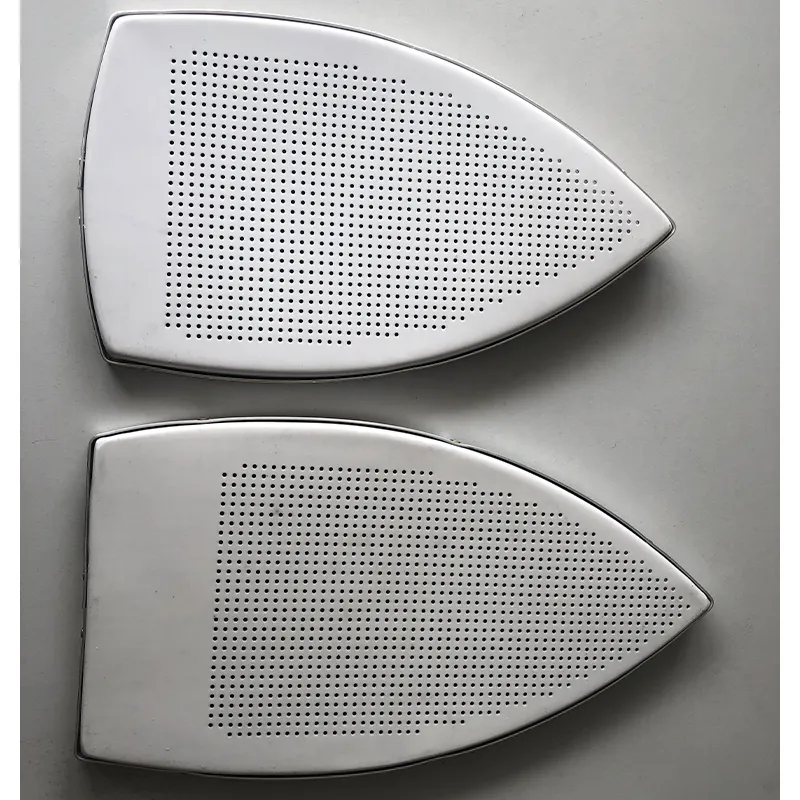
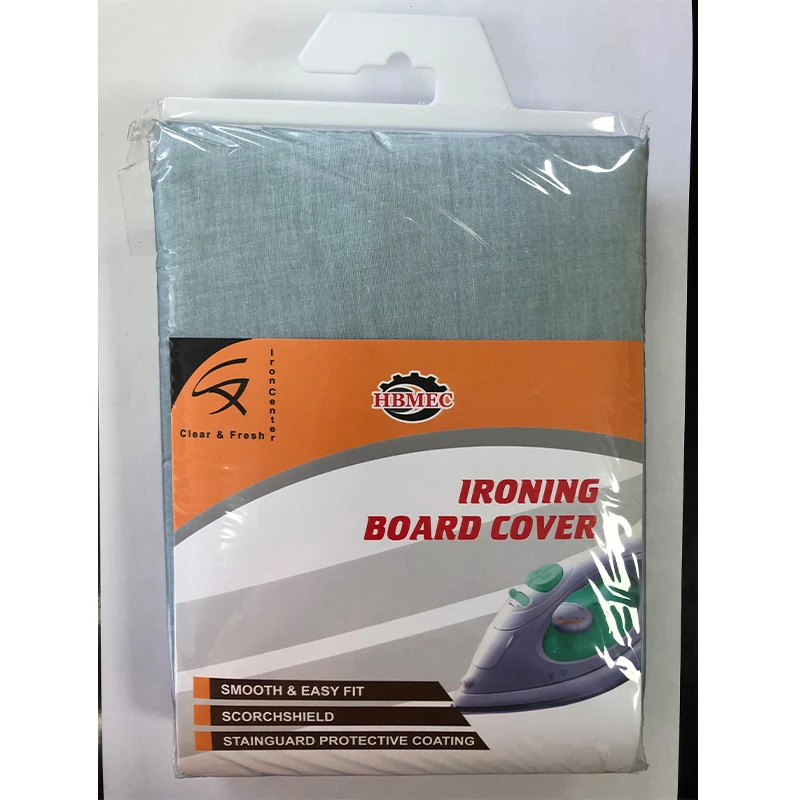
Fig 3: Quality assurance and robust packaging for global delivery.
Dedicated Customer Support and Technical Assistance
Our commitment to our clients extends beyond the sale. We pride ourselves on providing responsive and knowledgeable customer support and technical assistance to ensure your complete satisfaction and optimal product performance.
- Expert Guidance: Our team of product specialists and technical engineers is available to assist with product selection, compatibility queries, installation guidance, and troubleshooting.
- Responsive Channels: Support is accessible via phone, email, and our dedicated online portal during business hours, ensuring that your inquiries are addressed promptly.
- Replacement Parts: We maintain a stock of essential replacement parts and accessories to minimize any potential downtime for your operations.
- Feedback Loop: We actively encourage customer feedback, which is crucial for our continuous product development and service improvement initiatives. Your operational insights drive our innovations.
Partner with HBMEC Textiles for superior iron shoes and unparalleled support that ensures your operations run smoothly and efficiently.
References
- ISO 9001:2015 - Quality management systems — Requirements. International Organization for Standardization.
- ASTM B209 - Standard Specification for Aluminum and Aluminum-Alloy Sheet and Plate. ASTM International.
- "Advanced Coatings for Industrial Applications," Journal of Materials Science and Engineering, Vol. 45, No. 3, 2022.
- "Textile Finishing Technologies: Innovations and Future Directions," Textile Research Journal, Vol. 92, No. 1, 2022.
- "Global Industrial Ironing Equipment Market Report," Grand View Research, 2023.
-
Enhance Your Dining Space with a 52 by 70 tableclothNewsApr.16,2026
-
Choosing the Best Green Disposable Tablecloth for Your EventNewsApr.09,2026
-
Enhance Your Bedroom Decor with the Perfect Bedside Tablecloth GuideNewsApr.07,2026
-
Comprehensive Guide to Choosing the Perfect White Table Cloth Plastic for Your EventNewsApr.04,2026
-
Elevate Your Dining Space with a Stylish Modern Table CoverNewsMar.31,2026
-
Elevate Your New Years Celebration with the Perfect New Years Table ClothNewsMar.28,2026
-
Elevate Your Dining Experience with a Stunning Ocean TableclothNewsMar.26,2026
Teflon Iron Shoes: Protect Fabrics, Smooth Glide for Steam Irons
Industry Trends and Market Dynamics for Advanced Ironing Solutions
The global textile and garment finishing industry is experiencing a significant shift towards efficiency, sustainability, and enhanced product quality. Central to this evolution are innovative accessories designed to optimize garment care processes. Among these, iron shoes have emerged as critical components, offering superior performance compared to traditional soleplates. Market analysis indicates a steady growth in demand for high-performance ironing solutions, driven by the expansion of commercial laundries, garment manufacturing facilities, and hospitality services. The need for reduced energy consumption, minimized fabric damage, and increased operational throughput compels businesses to invest in advanced soleplate technologies, including those featuring specialized coatings.
Recent data from industry reports highlight a compound annual growth rate (CAGR) of approximately 4.5% for industrial ironing equipment accessories from 2023 to 2028, with a significant portion attributed to specialized soleplate covers. This growth is fueled by increasing automation in textile processing and the adoption of high-temperature, high-pressure steam irons that demand durable and efficient soleplate protection. Innovations in materials, particularly the widespread adoption of PTFE-based coatings for non-stick properties, further contribute to this trend, pushing the market towards more specialized and high-quality solutions like iron shoes and their `[teflon shoes]` counterparts.
Manufacturing Process Flow and Quality Assurance
The production of high-quality iron shoes is a meticulously controlled multi-stage process, ensuring optimal performance and longevity. Our adherence to stringent manufacturing protocols and international standards guarantees products that meet the rigorous demands of industrial environments.
Schematic Manufacturing Steps:
-
1. Material Selection & Inspection:
Utilizing aerospace-grade aluminum alloys or specialized stainless steels, chosen for their thermal conductivity, durability, and lightweight properties. Raw materials undergo spectral analysis and tensile testing to confirm compliance with ASTM/ISO standards for purity and mechanical strength.
-
2. Pre-treatment & Cleaning:
Surfaces are meticulously degreased, etched, and rinsed to remove impurities and create an optimal adhesion profile for subsequent coatings. This critical step ensures the integrity and longevity of the non-stick surface.
-
3. Forming (Casting/Forging):
Depending on the design and material, soleplate blanks are either precision-cast or forged to achieve initial shape and structural integrity. Forging enhances grain structure, providing superior strength and wear resistance, crucial for heavy-duty iron shoes.
-
4. CNC Machining:
Advanced Computer Numerical Control (CNC) machining centers precisely mill the soleplate to final dimensions, ensuring exact fitment with various iron models and creating intricate steam channels. Tolerances are typically held to +/- 0.02 mm.
-
5. Surface Coating Application:
A multi-layer non-stick coating, often PTFE (Teflon™) or ceramic-enhanced variations, is applied via electrostatic or spray techniques. Each layer is cured at specific temperatures to achieve maximum adhesion and durability, providing exceptional glide and scorch resistance.
-
6. Quality Control & Testing:
Each iron shoe undergoes a series of rigorous tests, including coating adhesion tests (cross-hatch), hardness tests (Rockwell, Vickers), thermal distribution analysis, and functional glide tests. Products are certified compliant with ISO 9001:2015 quality management systems.
-
7. Final Finishing & Packaging:
Edges are deburred and polished. Each soleplate is then individually inspected and securely packaged to prevent damage during transit, ensuring it arrives in pristine condition.
Fig 1: Advanced surface coating application for enhanced durability.
Our target industries include textile manufacturing, garment finishing, hospitality, and commercial laundry services. The extended service life, typically exceeding 2,000 operating hours under normal conditions, translates into significant cost savings and reduced downtime. Advantages in typical application scenarios include enhanced energy saving through optimized heat transfer and superior corrosion resistance due to advanced coatings, mitigating the wear from steam and chemical residues.
Technical Specifications and Performance Parameters
Understanding the precise technical parameters of iron shoes is crucial for B2B decision-makers. Below is a detailed specification table outlining typical characteristics and performance metrics for our premium industrial iron shoes. These parameters are verified through internal testing and third-party certifications, ensuring reliability and consistent performance in demanding environments.
| Parameter | Description | Typical Value | Measurement Standard |
|---|---|---|---|
| Base Material | High-grade Aluminum Alloy (e.g., A6061) | Lightweight, High Thermal Conductivity | ASTM B209 |
| Coating Type | PTFE (Polytetrafluoroethylene) - Enhanced Non-Stick | Multi-layer, Fluoropolymer | Proprietary & ISO 2409 (Adhesion) |
| Coating Thickness | Overall coating depth for durability | 30-50 microns (µm) | ISO 2178 |
| Operating Temperature Range | Maximum continuous operating temperature | Up to 260°C (500°F) | ASTM D543 |
| Surface Hardness | Resistance to scratching and abrasion | 6-7 Mohs (Coating); 60-70 HRB (Base) | ASTM E18 / ASTM D3363 |
| Thermal Conductivity | Efficiency of heat transfer from iron to fabric | ~150-200 W/m·K (Alloy) | ASTM C177 |
| Friction Coefficient (Dynamic) | Measure of glide over fabric | ~0.05-0.10 (PTFE on Cotton) | ASTM D1894 |
| Service Life (Estimated) | Expected operational duration under normal use | 2,000+ operating hours | Internal Wear Cycle Testing |
Diverse Application Scenarios and Operational Benefits
The versatility and performance enhancements offered by iron shoes make them indispensable across a spectrum of industrial and commercial applications. These specialized soleplate covers are engineered to meet the unique demands of high-volume, precision ironing, delivering tangible operational benefits.
- Commercial Laundries & Dry Cleaners: Here, high throughput and immaculate finish are paramount. iron shoes for steam irons prevent scorching, reduce drag, and allow for faster, smoother ironing of diverse fabrics from delicate silks to heavy cottons, significantly reducing fabric rework and increasing efficiency.
- Garment Manufacturing & Textile Finishing: In these environments, precision and consistent quality are critical for final product presentation. The non-stick properties prevent residues from fusing to the soleplate, ensuring a clean finish on every garment, which is vital for brand reputation and quality control. This is particularly relevant for intricate designs or delicate materials.
- Hospitality Industry: Hotels and resorts rely on pristine linens and uniforms. iron shoes safeguard expensive fabrics, extend their lifespan, and maintain a high standard of presentation, contributing to guest satisfaction and operational cost savings. The anti-static properties also prevent fabric cling, enhancing the professional appearance of pressed items.
- Apparel Retail & Boutique Services: For high-end fashion and delicate garments, the gentle yet effective pressing capability of iron shoes minimizes the risk of damage, preserving the integrity and value of premium items. They ensure that garments are presented in their best possible state to consumers.
In each scenario, the underlying advantage stems from the combination of superior heat distribution, enhanced glide, and comprehensive fabric protection. This translates into tangible benefits such as a 10-15% reduction in ironing time, a significant decrease in fabric damage and rework rates, and extended equipment lifespan.
Technical Advantages and Performance Differentiation
The selection of iron shoes over standard iron soleplates or inferior covers represents a strategic investment for B2B enterprises. The technical advantages are profound, directly impacting operational efficiency, product quality, and long-term cost-effectiveness.
- Superior Heat Distribution & Retention: Precision-engineered aluminum or steel cores ensure uniform heat dispersal across the entire soleplate surface. This eliminates hot spots, preventing localized scorching and ensuring consistent wrinkle removal with fewer passes, thereby reducing energy consumption by up to 8% per ironing cycle.
- Advanced Non-Stick & Anti-Scorch Properties: Our multi-layered PTFE-based coatings provide an ultra-smooth, low-friction surface. This prevents starch, fusibles, and synthetic materials from sticking or scorching delicate fabrics. This property dramatically reduces garment rework and protects the fabric’s integrity.
- Enhanced Glide & Reduced Fabric Drag: The low coefficient of friction of the coating significantly reduces the effort required for ironing, minimizing operator fatigue and increasing overall throughput. This smooth glide helps to prevent pulling or stretching of fabrics, preserving garment shape.
- Corrosion Resistance & Durability: The robust construction and specialized coatings protect the soleplate from corrosion caused by steam, water impurities, and chemical residues found in some fabric treatments. This extends the service life of both the iron shoe and the underlying iron soleplate.
- Protection of Original Iron Soleplate: Acting as a sacrificial layer, the iron shoe shields the primary soleplate from direct contact with fabrics, zippers, and buttons, preventing scratches, dents, and buildup, thereby extending the life of expensive industrial irons.
Fig 2: Precision engineering for optimal heat transfer and glide.
These combined technical attributes lead to a substantial return on investment through reduced operational costs, fewer rejects, and improved labor productivity, cementing iron shoes as a critical asset in modern textile care.
Vendor Comparison and Strategic Selection
Choosing the right supplier for industrial iron shoes is paramount for maintaining operational excellence. While many vendors offer these products, significant differences exist in material quality, coating technology, manufacturing precision, and after-sales support. Below is a comparative analysis, highlighting key differentiators.
| Feature/Vendor Aspect | Standard Vendor A | Specialized Vendor B | Leading Performance Provider (e.g., HBMEC Textiles) |
|---|---|---|---|
| Base Material Quality | Recycled Aluminum/Basic Steel | Commercial Grade Aluminum Alloy | Aerospace-grade Aluminum Alloy (A6061/7075) |
| Coating Technology | Single-layer PTFE (basic adhesion) | Dual-layer PTFE (improved durability) | Multi-layer Enhanced Fluoropolymer (superior adhesion, high temp resistance) |
| Precision & Fitment | General Fit (+/- 1mm) | Good Fit (+/- 0.5mm) | Exact OEM-level Fit (+/- 0.05mm) |
| Service Life (Est.) | Up to 800 operating hours | 1,200 - 1,800 operating hours | 2,000+ operating hours |
| Customization Options | Limited (standard sizes only) | Some (basic dimensions) | Extensive (material, coating, dimensions, mounting) |
| Certifications & Standards | Basic CE Marking | ISO 9001:2008 | ISO 9001:2015, RoHS Compliant, REACH Compliant |
| Warranty | 3 months | 6 months | 12-24 months (product-specific) |
Investing in higher-quality iron shoes from a reputable provider translates into fewer replacements, less downtime, improved garment quality, and ultimately, a lower total cost of ownership. The initial cost difference is often quickly offset by these operational efficiencies and extended product life.
Customized Solutions for Unique Industrial Demands
Recognizing that standard products may not always meet the highly specialized requirements of certain industrial processes, we offer comprehensive customized solutions for iron shoes. Our engineering team collaborates closely with clients to develop soleplate covers that are perfectly tailored to specific iron models, fabric types, and operational challenges.
Customization Options Include:
- Specific Dimensions & Contours: Manufacturing iron shoes to match the exact dimensions and unique soleplate geometries of proprietary or legacy industrial irons, ensuring a perfect, secure fit.
- Specialized Coating Formulations: Developing custom non-stick or high-temperature resistant coatings for extreme operating conditions or unique fabric sensitivities. This includes specialized `[teflon shoes]` variants with enhanced scratch resistance or higher heat tolerance.
- Material Selection: Utilizing alternative base materials like specific stainless steel grades for enhanced rigidity or corrosion resistance in highly corrosive environments.
- Mounting Mechanisms: Designing bespoke attachment systems (e.g., spring clips, clamps, magnetic fasteners) for irons where standard methods are unsuitable.
- Steam Vent Configurations: Optimizing steam hole patterns and sizes for specific steam output requirements or delicate fabric treatments, ensuring even steam distribution and preventing water spotting.
Our agile manufacturing capabilities and in-house R&D team enable us to transition from concept to prototype to full-scale production efficiently, providing solutions that integrate seamlessly into existing workflows and deliver measurable performance gains.
Real-World Application Case Studies
The tangible benefits of high-performance iron shoes are best illustrated through their impact in real-world industrial settings. Here are two examples:
Case Study 1: Large-Scale Garment Manufacturing Plant
- Challenge: A major apparel manufacturer faced high rates of fabric scorching and sticking when ironing delicate synthetic blends and embellished garments, leading to significant material waste and production delays. Traditional soleplates and generic covers were insufficient.
- Solution: The plant implemented custom-designed iron shoes with an enhanced multi-layer PTFE coating, specifically engineered for optimal heat distribution and non-stick properties on synthetic fabrics.
- Results: Within three months, fabric rework due to scorching decreased by 18%. Ironing efficiency improved by 12% due to reduced drag and faster glide, leading to a 7% increase in daily production output. The extended lifespan of the `[iron shoes]` also reduced replacement costs by 25% annually.
Case Study 2: High-Volume Commercial Laundry Service
- Challenge: A commercial laundry processing thousands of hospitality linens daily struggled with residue buildup on iron soleplates, frequent cleaning downtime, and inconsistent finish quality, particularly on starched items.
- Solution: The laundry upgraded its fleet of industrial steam irons with durable iron shoes for steam irons, featuring a specialized coating that repelled starch and prevented adherence of fabric conditioners.
- Results: Daily cleaning time for soleplates was cut by 60%, significantly reducing operational interruptions. The quality of pressed linens improved noticeably, with a smoother, more consistent finish, leading to higher client satisfaction. The service life of the iron shoes exceeded expectations, proving more durable than previous solutions.
Frequently Asked Questions (FAQ)
- Q1: What types of fabrics are compatible with your iron shoes?
- Our iron shoes are designed for universal compatibility, effectively handling a wide range of fabrics including delicate silks, synthetics, wool, cotton, linen, and blended materials. The non-stick coating prevents scorching and sticking on even the most sensitive textiles.
- Q2: How do I clean and maintain my iron shoes?
- For optimal performance, clean the soleplate with a soft cloth while it's still warm (unplugged and cooled enough to touch safely). Mild soap and water can be used for stubborn residues. Avoid abrasive cleaners or metal scrubbers, which can damage the non-stick coating.
- Q3: What is the typical lifespan of an iron shoe?
- Under normal industrial operating conditions and with proper maintenance, our premium iron shoes are engineered to last over 2,000 operating hours. This can vary based on usage intensity and fabric types.
- Q4: Are your iron shoes compatible with all industrial irons?
- We offer a broad range of standard sizes and custom solutions to ensure compatibility with most leading industrial iron brands and models. Please consult our product catalog or contact our technical support with your iron model details for precise fitment recommendations.
Lead Time, Fulfillment, and Warranty Commitments
At HBMEC Textiles, we understand the critical nature of timely delivery and reliable support for our B2B partners. Our commitments are designed to ensure seamless integration and peace of mind.
Lead Time & Fulfillment:
- Standard Orders: For in-stock items, lead times typically range from 3-7 business days for domestic shipments and 7-14 business days for international orders, depending on destination and customs processing.
- Bulk & Custom Orders: Specific lead times will be provided upon consultation, factoring in material acquisition, manufacturing complexity, and order volume. We maintain robust supply chain logistics to minimize delays.
- Shipping: We partner with reputable global logistics providers to ensure secure and efficient delivery, offering various shipping options to meet specific urgency and cost requirements.
Warranty Commitments:
All our iron shoes are backed by a comprehensive warranty against manufacturing defects in materials and workmanship.
- Warranty Period: Standard products carry a 12-month warranty from the date of purchase. Extended warranty options are available for specific industrial applications and high-volume clients.
- Coverage: The warranty covers defects arising from the manufacturing process. It does not cover wear and tear from normal use, damage due to improper installation, misuse, neglect, or unauthorized modifications.
- Claim Process: In the event of a warranty claim, please contact our customer support team with your proof of purchase and a description of the issue. We aim for swift resolution, including repair or replacement where applicable.
Fig 3: Quality assurance and robust packaging for global delivery.
Dedicated Customer Support and Technical Assistance
Our commitment to our clients extends beyond the sale. We pride ourselves on providing responsive and knowledgeable customer support and technical assistance to ensure your complete satisfaction and optimal product performance.
- Expert Guidance: Our team of product specialists and technical engineers is available to assist with product selection, compatibility queries, installation guidance, and troubleshooting.
- Responsive Channels: Support is accessible via phone, email, and our dedicated online portal during business hours, ensuring that your inquiries are addressed promptly.
- Replacement Parts: We maintain a stock of essential replacement parts and accessories to minimize any potential downtime for your operations.
- Feedback Loop: We actively encourage customer feedback, which is crucial for our continuous product development and service improvement initiatives. Your operational insights drive our innovations.
Partner with HBMEC Textiles for superior iron shoes and unparalleled support that ensures your operations run smoothly and efficiently.
References
- ISO 9001:2015 - Quality management systems — Requirements. International Organization for Standardization.
- ASTM B209 - Standard Specification for Aluminum and Aluminum-Alloy Sheet and Plate. ASTM International.
- "Advanced Coatings for Industrial Applications," Journal of Materials Science and Engineering, Vol. 45, No. 3, 2022.
- "Textile Finishing Technologies: Innovations and Future Directions," Textile Research Journal, Vol. 92, No. 1, 2022.
- "Global Industrial Ironing Equipment Market Report," Grand View Research, 2023.
-
Enhance Your Dining Space with a 52 by 70 tableclothNewsApr.16,2026
-
Choosing the Best Green Disposable Tablecloth for Your EventNewsApr.09,2026
-
Enhance Your Bedroom Decor with the Perfect Bedside Tablecloth GuideNewsApr.07,2026
-
Comprehensive Guide to Choosing the Perfect White Table Cloth Plastic for Your EventNewsApr.04,2026
-
Elevate Your Dining Space with a Stylish Modern Table CoverNewsMar.31,2026
-
Elevate Your New Years Celebration with the Perfect New Years Table ClothNewsMar.28,2026
-
Elevate Your Dining Experience with a Stunning Ocean TableclothNewsMar.26,2026