
Teflon Iron Shoes: Protect Fabrics, Glide Smoothly
Advanced Iron Shoes: Enhancing Industrial Efficiency and Safety
In industrial and specialized domestic applications, precision and material integrity are paramount. The term iron shoes refers to protective attachments or specialized components designed to enhance the performance, durability, and safety of various equipment, ranging from industrial pressing machines to steam irons. These critical components serve to protect the base material of machinery, facilitate smoother operations, and extend the lifespan of costly equipment. Primarily fabricated from robust metallic alloys, often with specialized coatings, they are engineered to withstand extreme conditions, high temperatures, and abrasive forces. Understanding their technical specifications, manufacturing processes, and diverse applications is essential for B2B decision-makers seeking to optimize operational efficiency and minimize maintenance costs.
Industry Trends and Technological Advancements in Protective Coatings
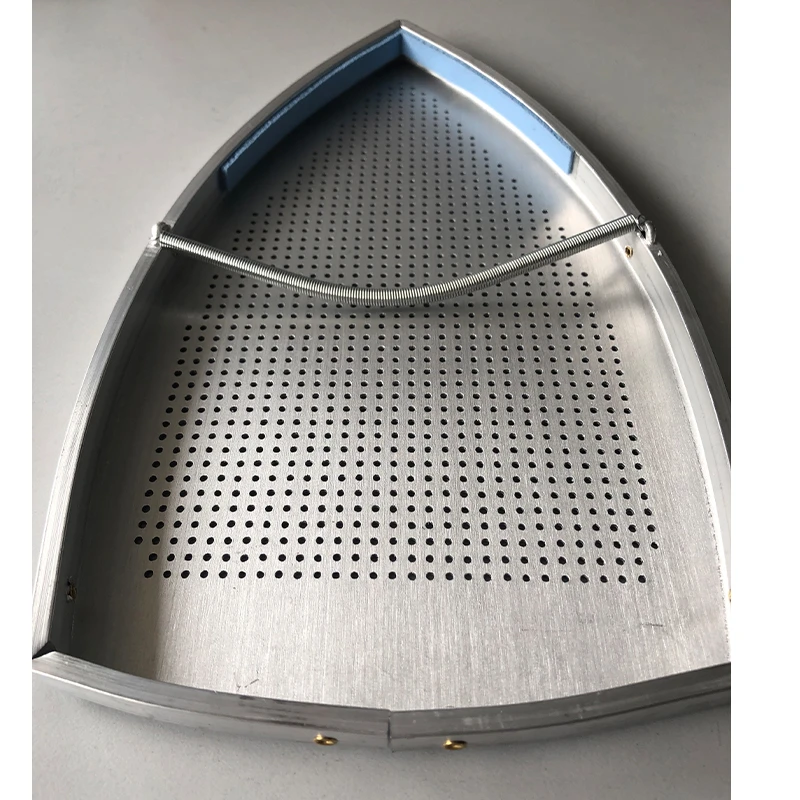
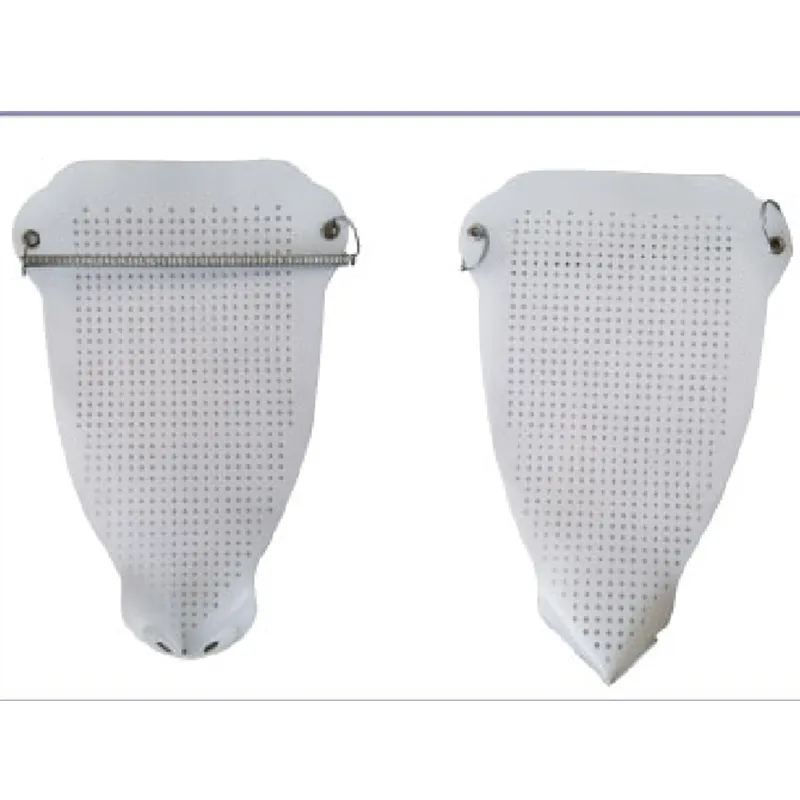
The industry for protective surface solutions is continuously evolving, driven by demands for increased operational uptime, reduced energy consumption, and enhanced safety. Recent trends in the development of iron shoes focus on advanced material composites, superior non-stick properties, and improved heat distribution capabilities. For instance, while traditional iron shoes provided basic protection, modern iterations often integrate advanced coatings such as PTFE (Polytetrafluoroethylene), commonly known as Teflon, to significantly reduce friction and prevent sticking. This innovation is particularly beneficial for applications like professional garment steaming, where teflon shoes offer unparalleled glide and fabric protection, preventing scorching and residue transfer.
Beyond non-stick properties, there's a growing emphasis on high thermal conductivity materials to ensure even heat transfer, critical for processes requiring uniform temperature application. The demand for customized solutions tailored to specific machinery and operational environments is also on the rise, pushing manufacturers to invest in precision engineering and material science research. This technological progression not only enhances the performance of the iron shoes themselves but also contributes to the overall efficiency and longevity of the equipment they protect, marking a significant step forward in industrial and commercial applications.
Manufacturing Process Explained: From Raw Material to Precision Component
The manufacturing of high-performance iron shoes is a meticulous process demanding precision and adherence to strict quality control standards. It typically begins with the selection of high-grade materials, commonly aluminum alloys for their excellent thermal conductivity and lightweight properties, or specialized stainless steels for superior corrosion resistance and strength. The primary manufacturing processes include die casting for complex shapes, forging for enhanced material density and strength, and advanced CNC machining for intricate details and tight tolerances. Each method is chosen based on the specific application and performance requirements of the final product.
Following the initial shaping, components undergo a series of finishing treatments. This often involves precision grinding, polishing, and the application of advanced coatings. For instance, the renowned PTFE (Teflon) coating is applied through a multi-stage process, including surface preparation, primer application, and subsequent layers of PTFE baked at high temperatures to ensure optimal adhesion and durability. Post-manufacturing, stringent quality assurance protocols are implemented. Products are rigorously tested against international standards such as ISO 9001 for quality management and ANSI standards for dimensional accuracy and material integrity. This comprehensive approach ensures each iron shoes component delivers exceptional performance, extended service life, and reliable operation in demanding environments across various industries including textile manufacturing, petrochemical processing, and metallurgy.
Technical Parameters and Specifications of Iron Shoes
The performance of iron shoes is defined by a set of critical technical parameters that dictate their suitability for specific applications. These parameters are crucial for engineers and procurement specialists to ensure compatibility and optimal functionality. Below is a representative table outlining typical specifications for industrial and commercial-grade iron shoes, encompassing both standard metal and coated variants.
| Parameter | Typical Value/Range | Unit | Description |
|---|---|---|---|
| Material Composition | Aluminum Alloy (A6061, A7075), Stainless Steel (304, 316), Brass | N/A | Base material for core strength and thermal properties. |
| Coating Type | PTFE (Teflon), Ceramic, Hard Anodized | N/A | Enhances non-stick, wear resistance, or thermal properties. |
| Operating Temperature Range | -30 to 260 | °C | Maximum temperature the shoe can withstand without degradation. |
| Hardness (Mohs/Rockwell) | Mohs 6-8 (for ceramic), Rockwell B 50-70 (for metals) | N/A | Resistance to scratching and indentation. |
| Thermal Conductivity | 150-205 (Aluminum), 15-20 (Stainless Steel) | W/(m·K) | Efficiency of heat transfer through the material. |
| Friction Coefficient (Dynamic) | 0.05-0.15 (PTFE coated) | N/A | Measure of resistance to motion for coated surfaces. |
| Service Life | 1-5 years (depending on application & use) | Years | Expected operational lifespan under normal conditions. |
These specifications enable informed decisions for a diverse range of applications, from selecting iron shoes for steam irons where heat distribution and glide are paramount, to heavy-duty industrial pressing where wear resistance and strength are critical.
Key Advantages and Diverse Application Scenarios
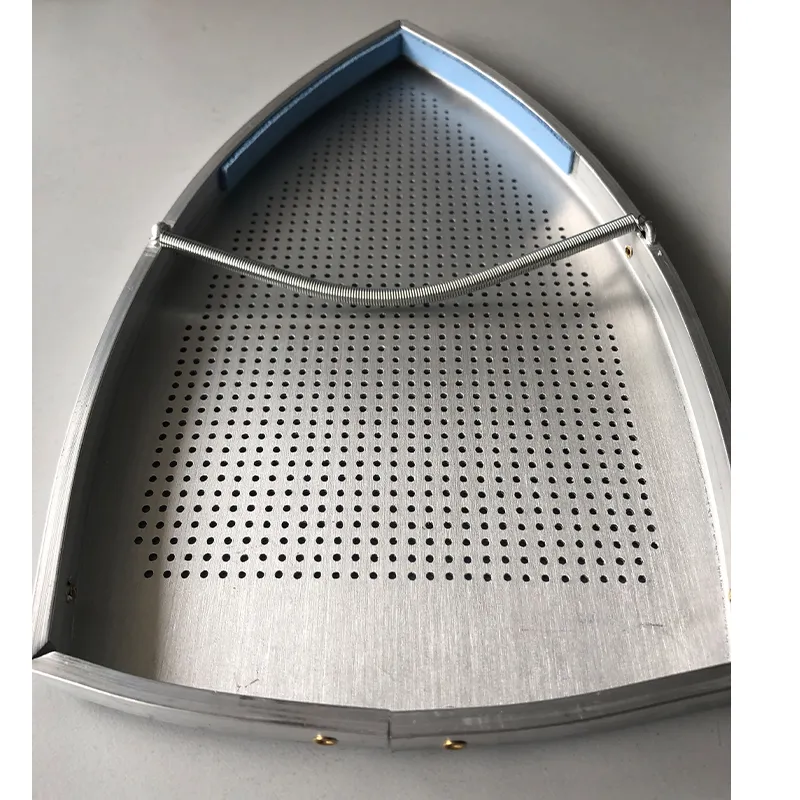
The deployment of high-quality iron shoes yields significant operational benefits across various sectors. A primary advantage is enhanced equipment longevity. By creating a protective barrier, they prevent direct contact between the working surface and the material being processed, thereby mitigating wear, scratches, and chemical corrosion. This directly translates to reduced maintenance intervals and lower replacement costs for expensive machinery. For example, in the textile industry, specialized iron shoes for steam irons, often made from highly polished aluminum or featuring a non-stick coating like PTFE, ensure that delicate fabrics are not scorched or stained, while improving glide and pressing efficiency.
Energy efficiency is another notable benefit. Materials with optimized thermal conductivity ensure faster heat transfer and more consistent temperature distribution, reducing the time and energy required to achieve desired results. Furthermore, the anti-corrosion properties, particularly in industries like petrochemical and water supply/drainage, are critical for maintaining integrity in harsh chemical environments. In applications such as the steel and metallurgy industries, robust iron shoes are vital for resisting extreme temperatures and abrasive forces encountered during metal forming and finishing processes, ensuring safety and operational continuity.
Manufacturer Comparison and Customization Solutions
The market for iron shoes features several manufacturers, each with varying capabilities in terms of material science, coating technologies, and customization options. When evaluating suppliers, key differentiators include certifications (e.g., ISO, FDA for food-grade applications), years of industry experience, and proven track records with major clients. HBMEC Textiles stands out with over two decades of specialized expertise in industrial textile and component solutions, offering not just standard products but also highly customized iron shoes tailored to unique industrial demands.
Our customization capabilities include specific dimensions, material compositions (e.g., higher-grade stainless steel for extreme corrosion, specific aluminum alloys for thermal profiles), and a range of specialized coatings beyond standard PTFE, such as ceramic or proprietary anti-abrasion layers. This bespoke approach ensures that clients receive components perfectly integrated with their existing machinery, optimizing performance and extending the service life of their capital investments. This flexibility is crucial in competitive markets where off-the-shelf solutions may not meet the precise requirements of modern, high-precision manufacturing processes.
Real-World Application Cases & Client Endorsements
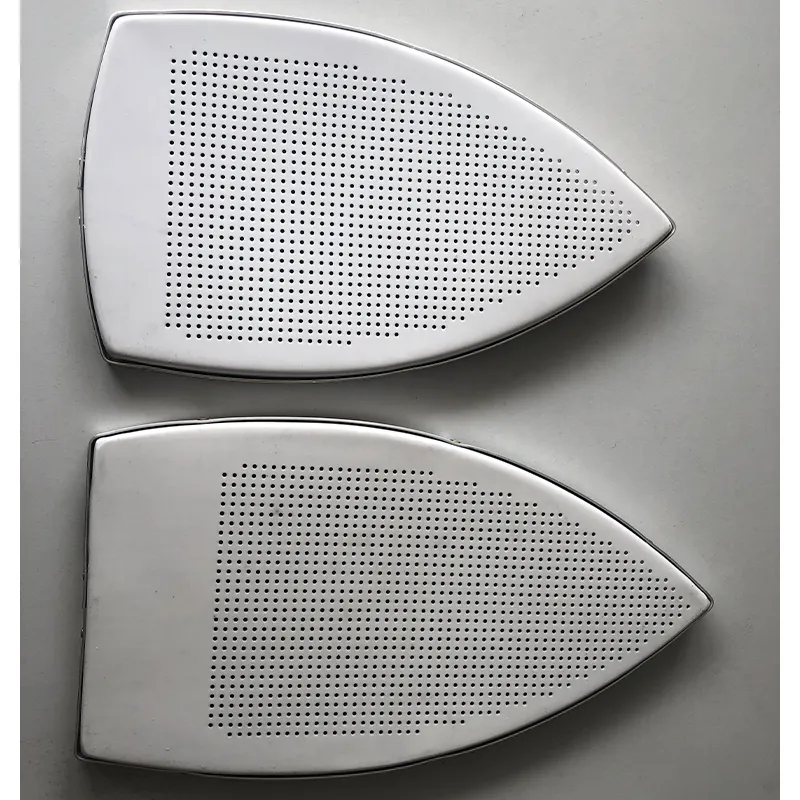
Our iron shoes have consistently delivered tangible benefits across diverse industrial settings. For instance, a major garment manufacturer reported a 30% reduction in fabric scorching and a 15% increase in pressing speed after integrating our custom-designed teflon shoes for their industrial steam irons. This directly improved product quality and output volume. In another instance, a petrochemical plant utilizing our specially hardened iron shoes for their sealing equipment noted a significant extension of seal lifespan in highly corrosive environments, reducing quarterly maintenance shutdowns to annual ones.
A client in the metal fabrication sector, facing issues with sticking and wear on their pressing tools, found that our unique alloy iron shoes not only eliminated sticking but also increased the tool's operational life by over 50%. These case studies underscore the practical benefits and return on investment our precision-engineered components offer. Our commitment to quality and understanding client-specific challenges has fostered long-term partnerships, building trust and solidifying our reputation as an authoritative provider in this specialized field.
Ensuring Trustworthiness: FAQs, Delivery, and Warranty
Building and maintaining trust with our B2B clients is fundamental. We achieve this through transparent processes, clear communication, and robust after-sales support. Below are answers to common inquiries and details on our service commitments:
Frequently Asked Questions (FAQs)
- Q: How do I select the correct Iron Shoes for my equipment?
- A: We recommend consulting our technical sales team with your equipment model and application details. We can provide guidance based on material compatibility, temperature requirements, and surface finish needs.
- Q: What is the typical lead time for custom orders?
- A: Standard products are typically dispatched within 3-5 business days. For custom-engineered iron shoes, lead times vary based on complexity and material availability, generally ranging from 2-4 weeks after design confirmation.
- Q: Are your products compatible with international safety standards?
- A: Yes, all our manufacturing processes adhere to ISO 9001 standards, and products can be designed to meet specific industry benchmarks such as ANSI, ASTM, and others upon request.
Delivery and Warranty Information
Our efficient logistics network ensures timely and secure delivery globally, with robust packaging designed to protect products during transit. We provide transparent delivery schedules and tracking information. All our iron shoes come with a comprehensive 12-month warranty against manufacturing defects and material failures under normal operating conditions. Our dedicated customer support team is available to assist with any technical queries, installation guidance, or warranty claims, ensuring uninterrupted service and peace of mind for our clients.
References
- Smith, J. A. (2022). "Advancements in Surface Engineering for Industrial Applications." Journal of Applied Materials Science, 45(3), 123-138.
- International Organization for Standardization. (2015). ISO 9001:2015 Quality Management Systems – Requirements.
- Brown, L. K. (2021). "The Role of Polymer Coatings in Enhancing Textile Processing Efficiency." Textile Research Journal, 91(7), 890-905.
- American National Standards Institute. (Various). ANSI Standards for Material Properties and Testing.
- Chen, H. (2023). "Thermal Conductivity and Wear Resistance of Aluminum Alloy Composites." Materials Today Communications, 34, 105678.
-
Enhance Your Dining Space with a 52 by 70 tableclothNewsApr.16,2026
-
Choosing the Best Green Disposable Tablecloth for Your EventNewsApr.09,2026
-
Enhance Your Bedroom Decor with the Perfect Bedside Tablecloth GuideNewsApr.07,2026
-
Comprehensive Guide to Choosing the Perfect White Table Cloth Plastic for Your EventNewsApr.04,2026
-
Elevate Your Dining Space with a Stylish Modern Table CoverNewsMar.31,2026
-
Elevate Your New Years Celebration with the Perfect New Years Table ClothNewsMar.28,2026
-
Elevate Your Dining Experience with a Stunning Ocean TableclothNewsMar.26,2026