The humble ironing board cover, often overlooked, is a cornerstone of efficient household management. The elasticated ironing board cover, in particular, represents a significant advancement in convenience and functionality. It’s a globally relevant product, found in homes across continents, streamlining a universally practiced chore. Understanding the nuances of its construction, materials, and benefits is crucial for both consumers seeking quality and manufacturers striving for innovation.
The demand for effective ironing solutions remains consistently high, driven by a desire for well-maintained clothing and a presentable appearance. Statistically, a large percentage of households globally utilize ironing boards – with an estimated market size reflecting this widespread use. The elasticated ironing board cover addresses a key challenge: ensuring a secure and consistent fit, preventing slippage and improving ironing efficiency.
Beyond the domestic sphere, the elasticated ironing board cover finds applications in commercial settings like laundromats, tailoring shops, and hospitality industries. The continued evolution of materials and design promises even more durable, heat-resistant, and user-friendly options, solidifying its position as an indispensable household item.
The Importance of Elasticated Ironing Board Covers
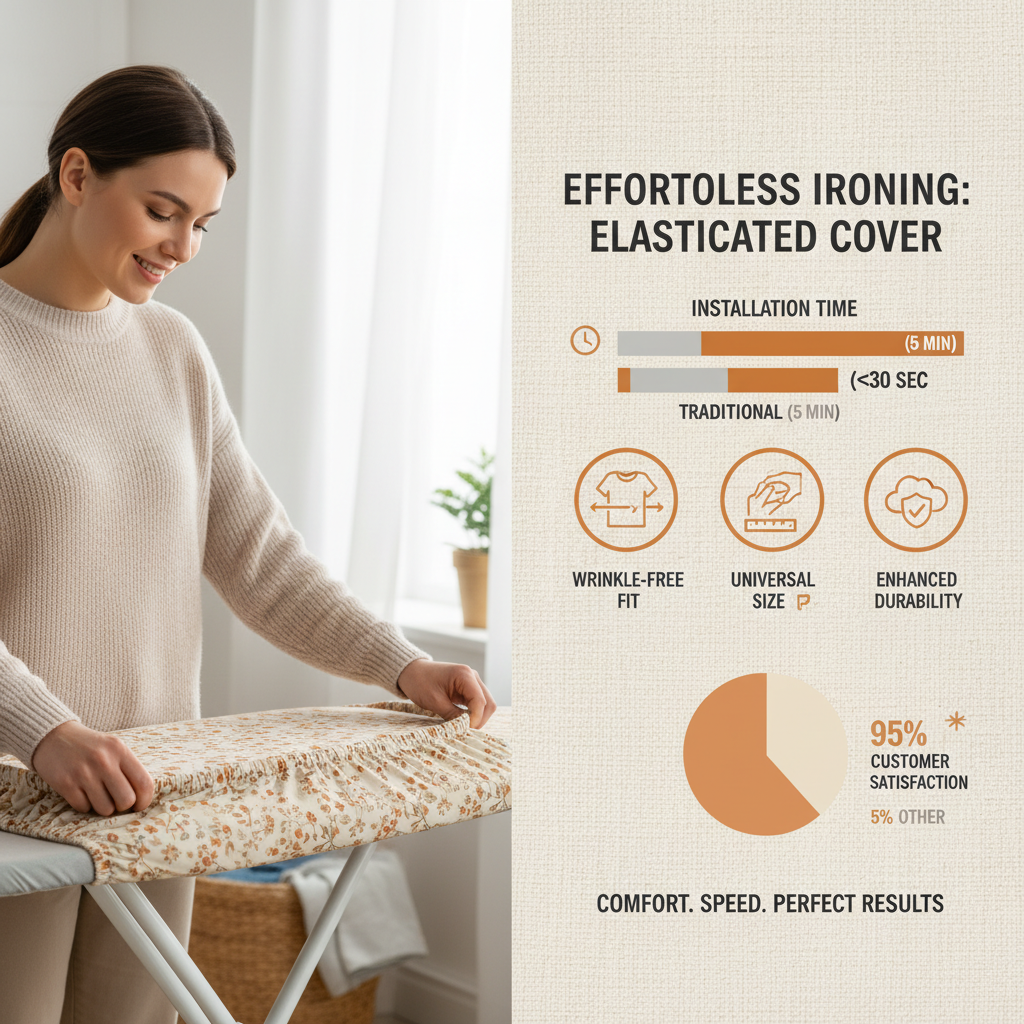
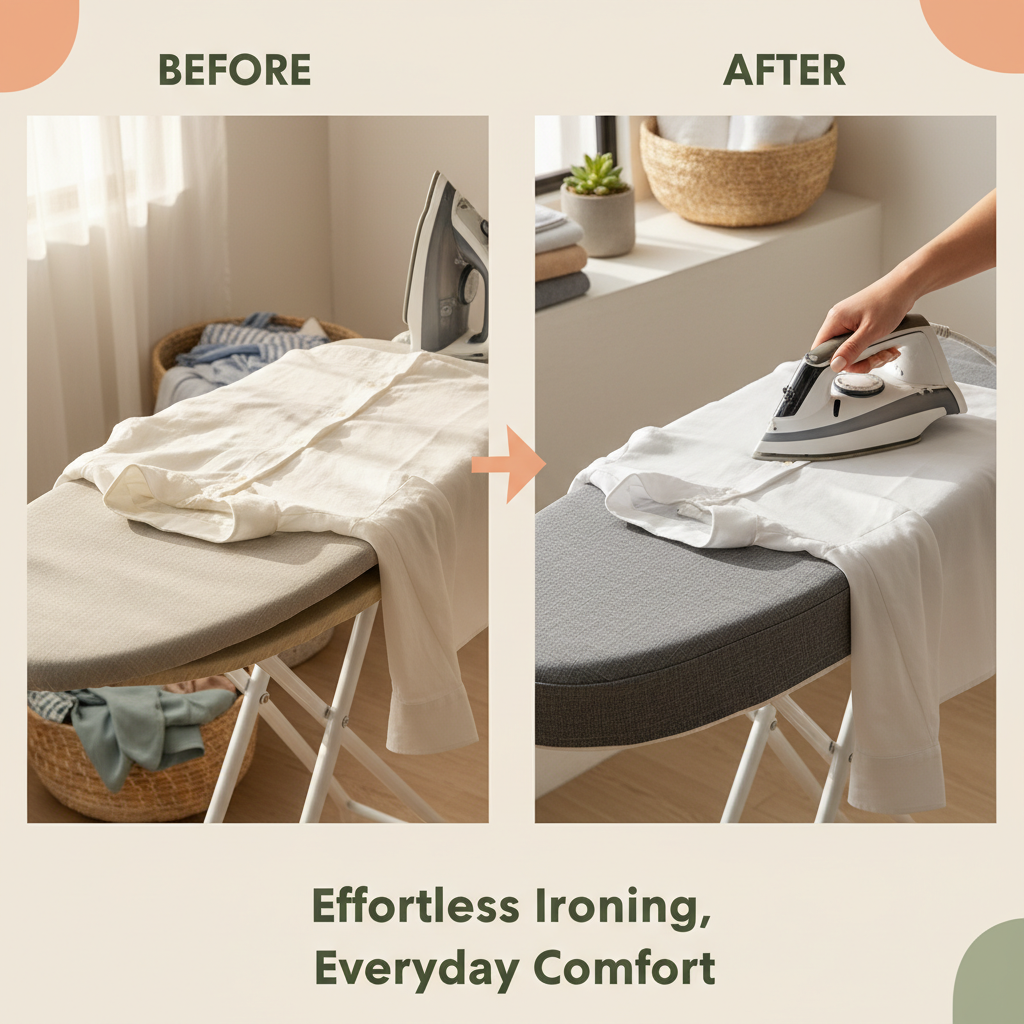
The modern elasticated ironing board cover represents a crucial step forward in ironing efficiency and user experience. Prior to their widespread adoption, covers often slipped, creating frustration and hindering the ironing process. The elasticated design ensures a snug and secure fit, minimizing movement and delivering a smoother, more consistent ironing surface.
Beyond convenience, a well-fitted cover contributes to safety. A slipping cover can pose a burn risk, and the stability provided by an elasticated cover reduces this hazard. The significance of this seemingly small feature cannot be overstated; it fundamentally improves the practicalities and safety of a common household task.
Defining the Elasticated Ironing Board Cover
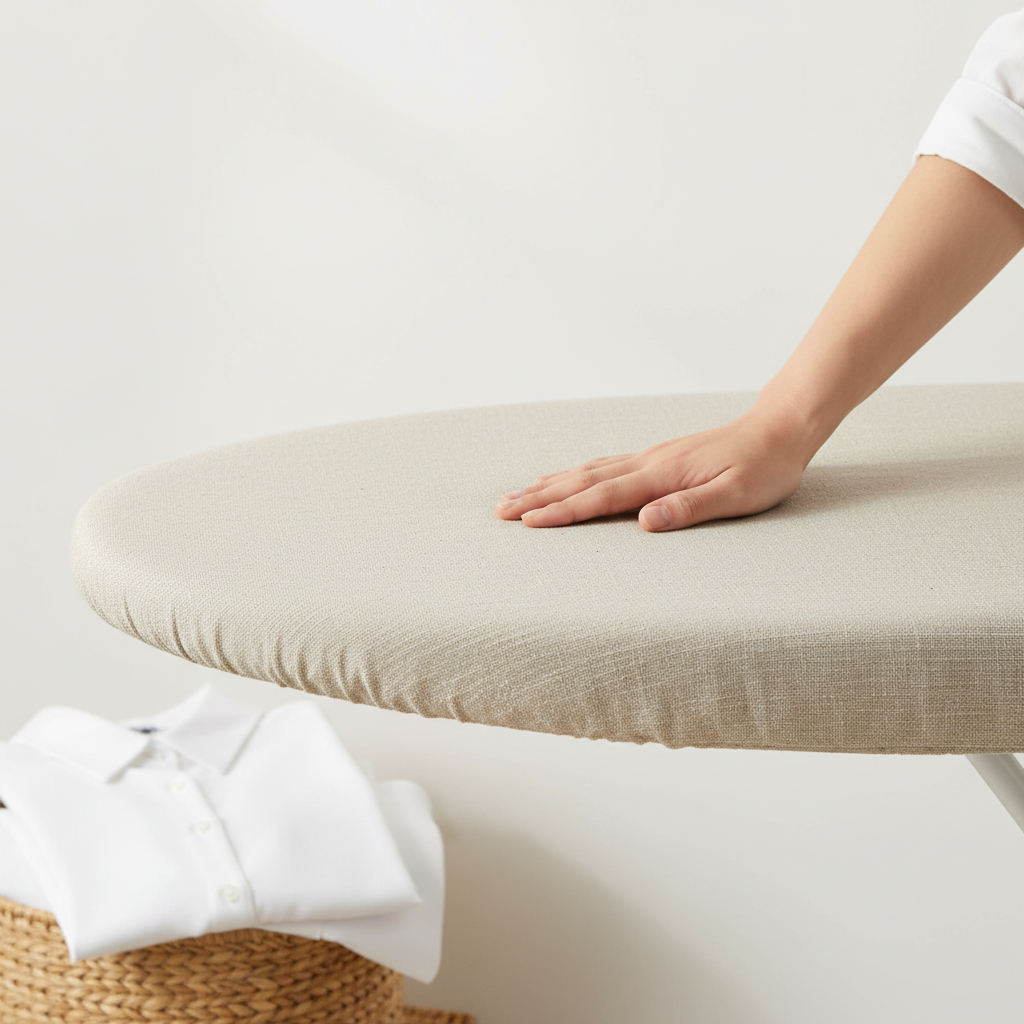
An elasticated ironing board cover is a protective layer designed to fit securely over the surface of an ironing board. Its primary function is to provide a smooth, heat-resistant surface for ironing clothes while protecting the board itself from damage. The ‘elasticated’ aspect refers to the presence of elastic material incorporated into the edges of the cover, creating a tight and reliable fit.
This design is a significant departure from older-style covers that relied solely on ties or straps, which could loosen during use. The elasticated cover streamlines the setup process and provides continuous stability. It's a direct response to the need for a more user-friendly and effective ironing experience.
In the context of modern manufacturing and consumer goods, the elasticated ironing board cover exemplifies a focus on practicality and enhanced functionality in everyday products. It demonstrates a commitment to improving even the most routine tasks through thoughtful design and material selection.
Core Components and Key Features
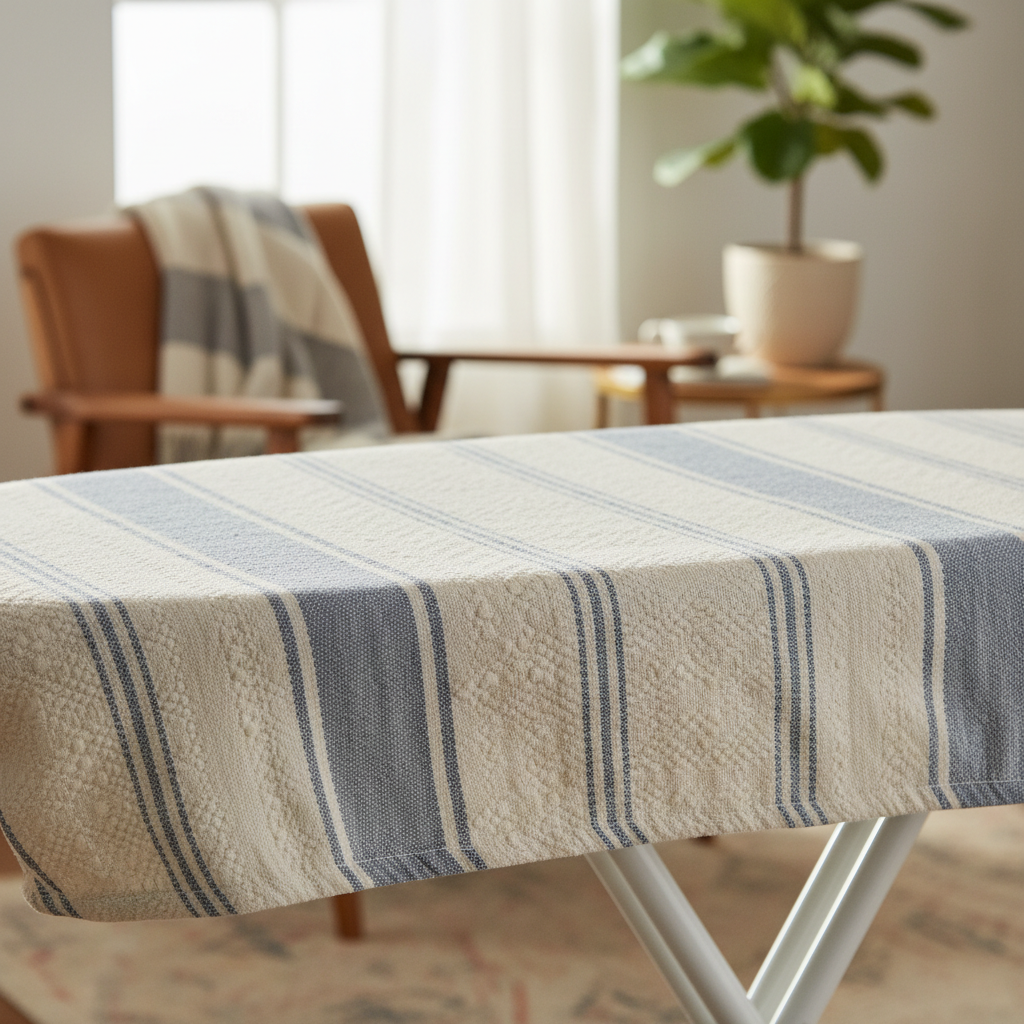
The key to a high-quality elasticated ironing board cover lies in its component materials and construction. Typically, the cover consists of a top layer of heat-reflective fabric (often cotton or a cotton blend), a padding layer for cushioning and heat distribution, and an elasticated edge for a secure fit. The quality of the elastic itself is also paramount, influencing the cover’s longevity and ability to maintain tension.
Beyond the core materials, several key features distinguish superior covers. These include reinforced stitching to prevent fraying, a breathable fabric to allow steam to circulate, and a secure, all-around elastic design that minimizes shifting. Some covers also incorporate scorch-resistant treatments for added protection. The specific blend of materials impacts the cover’s lifespan, heat resistance, and overall performance.
Understanding these components allows consumers to make informed purchasing decisions, selecting covers tailored to their specific needs and ironing habits. A elasticated ironing board cover is not merely a fabric accessory; it’s a carefully engineered product designed to enhance the effectiveness and safety of ironing.
Durability and Material Science
The durability of an elasticated ironing board cover is directly linked to the materials used and the quality of their construction. Cotton, while a common choice, can wear out relatively quickly under high heat and frequent use. Polyester blends offer improved heat resistance and longevity. Increasingly, manufacturers are exploring innovative materials with enhanced durability and performance characteristics.
Material science plays a crucial role in optimizing the cover’s functionality. Heat-reflective coatings help to distribute heat evenly and prevent scorching, while specialized padding materials improve ironing efficiency. The type of elastic used also impacts the cover’s lifespan; higher-quality elastic maintains its tension for a longer period.
Elasticated Ironing Board Cover Material Performance
Global Applications and Market Reach
The market for elasticated ironing board covers is truly global, spanning developed and developing nations alike. The demand is driven by the universal need for clean and presentable clothing, making it a staple household item across diverse cultures. Major markets include North America, Europe, and Asia, with growing demand emerging in regions with rising disposable incomes.
Beyond residential use, these covers are widely utilized in commercial laundries, hotels, and tailoring businesses. These institutions require durable, reliable covers that can withstand frequent use and high temperatures. The commercial sector often demands specialized covers with enhanced features, such as fire retardancy and antimicrobial properties.
In post-disaster relief operations, elasticated ironing board covers can be included in aid packages, providing a small but significant comfort and contributing to a sense of normalcy for those affected. The practicality and relatively low cost make them a valuable resource in emergency situations.
Advantages and Long-Term Value
The advantages of using an elasticated ironing board cover extend beyond mere convenience. The secure fit minimizes the risk of accidents, enhancing safety, while the improved ironing surface contributes to more efficient and professional-looking results. The long-term value lies in the increased lifespan of the ironing board itself, as the cover protects it from heat damage and wear and tear.
From a sustainability perspective, a durable cover reduces the need for frequent replacements, minimizing waste. Choosing a cover made from eco-friendly materials further enhances its environmental benefits. Investing in a high-quality cover is not simply a purchase; it’s a commitment to practicality, safety, and sustainability.
Future Trends and Innovations
The future of elasticated ironing board covers is likely to be shaped by several key trends, including the development of smart textiles with integrated sensors. These sensors could detect temperature fluctuations and adjust heating levels accordingly, preventing scorching and optimizing ironing performance.
Another trend is the increasing use of recycled and biodegradable materials, aligning with growing consumer demand for sustainable products. Manufacturers are also exploring innovative coating technologies to enhance heat resistance and stain repellency. Digital printing techniques allow for customizable designs, catering to individual preferences and brand aesthetics.
Automation and the integration of ironing boards into smart home systems could also play a role in the future. Imagine an ironing board that automatically adjusts to the optimal temperature and settings for different fabrics. These advancements promise to further revolutionize the ironing experience.
Challenges and Solutions
One of the primary challenges facing the elasticated ironing board cover industry is maintaining consistent quality control, particularly in mass production. Ensuring that the elastic retains its stretch and the fabric withstands repeated use requires rigorous testing and adherence to high manufacturing standards.
Another challenge is addressing consumer concerns about environmental impact. Moving towards more sustainable materials and production processes is crucial. Solutions include utilizing recycled fibers, reducing water consumption during manufacturing, and minimizing packaging waste. Transparency in sourcing and production is also key to building consumer trust.
Finally, competition from lower-priced alternatives can pose a challenge for manufacturers focused on quality and durability. Differentiation through innovation, superior materials, and exceptional customer service are essential strategies for maintaining a competitive edge.
Summary of Challenges and Solutions for Elasticated Ironing Board Covers
| Challenge |
Impact on Product |
Proposed Solution |
Implementation Cost (1-10) |
| Inconsistent Quality Control |
Reduced Product Lifespan |
Implement Rigorous Testing Protocols |
6 |
| Environmental Concerns |
Negative Brand Perception |
Utilize Recycled & Biodegradable Materials |
7 |
| Competition from Low-Priced Alternatives |
Reduced Market Share |
Focus on Innovation & Superior Quality |
8 |
| Elastic Degradation |
Loose Fit and Reduced Safety |
Use High-Quality, Durable Elastic Materials |
5 |
| Fabric Scorching |
Reduced Lifespan, Unsightly Appearance |
Apply Scorched-Resistant Coatings |
4 |
| Lack of Customization |
Limited Consumer Appeal |
Offer Digital Printing & Design Options |
9 |
FAQS
The best material depends on your needs. Cotton blends offer a good balance of heat resistance and affordability. Polyester blends are more durable and wrinkle-resistant. Covers with a silver coating provide superior heat reflection and protection against scorching. Consider your ironing frequency and the types of fabrics you typically iron when making your choice. An elasticated ironing board cover should combine durability with functionality.
Generally, you should replace your elasticated ironing board cover every 6-12 months, depending on frequency of use and the quality of the cover. Look for signs of wear and tear, such as fraying, thinning of the fabric, or a loss of elasticity. A worn cover can affect ironing performance and pose a safety hazard. Regular replacement ensures optimal results.
Most elasticated ironing board covers are machine washable. Check the care label for specific instructions. Generally, a gentle cycle with mild detergent is recommended. Avoid using bleach or harsh chemicals. Allow the cover to air dry completely before placing it back on the ironing board. Regular cleaning helps maintain its freshness and performance.
An elasticated cover provides a much more secure and consistent fit than a traditional tie-on cover. The elastic ensures that the cover stays firmly in place during ironing, preventing slippage and bunching. This leads to a smoother ironing experience and reduces the risk of accidents. The ease of application and removal is another significant benefit of an elasticated design.
Yes, some elasticated ironing board covers are specifically designed for high-heat settings, often featuring a silver coating or a specialized heat-reflective fabric. These covers provide enhanced protection against scorching and are ideal for ironing delicate fabrics or using steam irons at higher temperatures. They are a great investment for serious ironers.
To prolong the life of your elasticated ironing board cover, avoid using excessive heat, clean it regularly, and store it properly when not in use. Consider using a spray starch sparingly, as it can build up and damage the fabric over time. A well-maintained cover will provide reliable performance for longer.
Conclusion
In conclusion, the elasticated ironing board cover represents a significant evolution in a seemingly simple household item. Its impact extends beyond mere convenience, encompassing safety, durability, and even sustainability. Understanding the core components, materials, and future trends surrounding this product allows consumers to make informed decisions and appreciate the value it brings to their daily lives.
Looking ahead, innovation in materials and design will continue to drive improvements in performance and longevity. Embracing sustainable practices and prioritizing quality will be crucial for manufacturers to meet evolving consumer demands. The elasticated ironing board cover, though often overlooked, remains an essential part of a well-managed and comfortable home.