
The Ultimate Guide to Replacement Covers for Table Top Ironing Boards
A Practical Look at Replacement Covers for Table Top Ironing Boards
Ever paused to wonder why something as simple as a replacement cover for a table top ironing board can matter so much? It’s one of those small but critical household and professional accessories that often go unnoticed—until the original cover wears out, and suddenly you’re dealing with a subpar ironing surface that ruins shirts or fabrics. Globally, ironing boards and their covers aren’t just domestic essentials; they’re vital in textile industries, garment production, and even humanitarian setups, where clean, pressed clothes are a symbol of dignity. Understanding these replacement covers means better fabric care, prolonged equipment life, and even sustainability gains, which ripple beyond just your kitchen or laundry room.
Why Replacement Covers for Table Top Ironing Boards Matter Worldwide
According to ISO reports on textile care and consumer habits, households worldwide spend hundreds of millions annually on ironing equipment maintenance and replacement parts. The humble table top ironing board itself is a convenient, space-saving tool, growing in popularity due to urban living and smaller homes. But its efficiency depends heavily on the quality of its cover. Globally, worn-out covers lead to inefficient ironing, fabric damage, and increased energy use because the heat isn’t optimally transferred or reflected.
Moreover, in commercial settings—think garment factories across Asia or small tailors in Africa—table top ironing boards are indispensable. A replacement cover here isn’t just a cost item; it’s a productivity tool. Problems arise keeping these covers in optimal shape, especially where supply chains are shaky or access to quality replacements is limited.
Mini takeaway: Replacement covers aren’t just about domestic convenience—they’re subtle levers in global textile care efficiency and sustainability.
What Exactly Is a Replacement Cover for a Table Top Ironing Board?
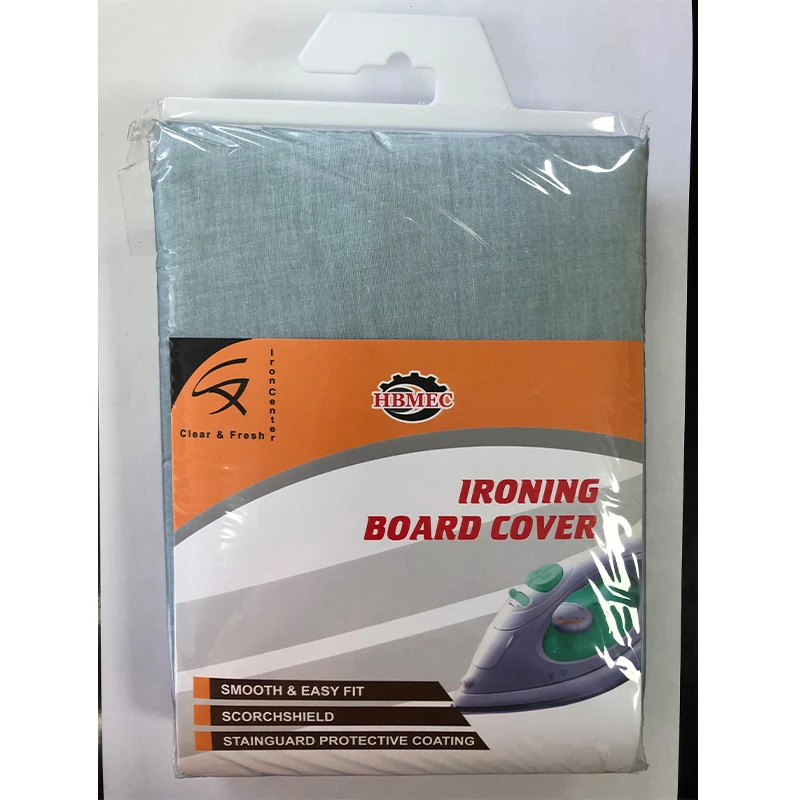
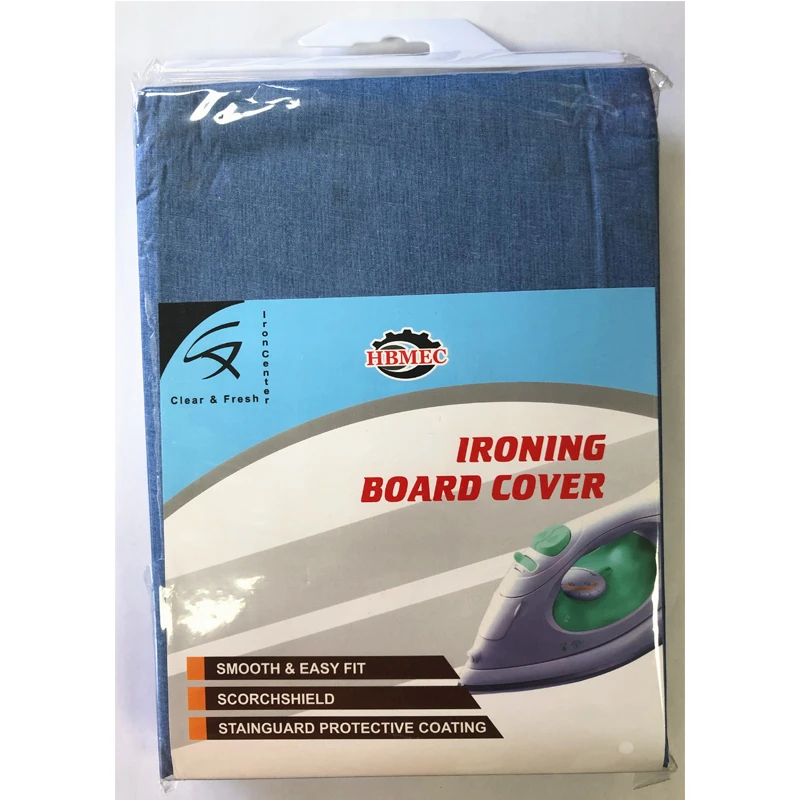
In plain terms, it’s the fabric layer and padding that wrap snugly over the flat surface of a table top ironing board. They provide a smooth, heat-resistant surface for ironing clothes or fabrics, enhancing heat reflection and cushioning.
These covers generally consist of heat-resistant cotton or synthetic blends, sometimes with reflective layers like aluminum foil. The padding underneath — typically felt or foam — helps smooth out the ironing surface and absorbs steam and heat effectively.
In industrial or humanitarian contexts, good-quality replacement covers mean easier maintenance, extended product life, and sometimes even help maintain hygiene standards by allowing frequent, affordable replacement.
Core Components That Make a Replacement Cover Great
1. Durability
A replacement cover should withstand repeated heating cycles without degrading. Materials like woven cotton blends combined with silicone coatings or reflective foils can last longer and resist scorching.
2. Heat Resistance & Reflection
Ironing works best when heat is efficiently reflected through the fabric. Covers with reflective layers improve ironing speed and reduce energy use — something many users overlook but that’s crucial to note.
3. Fit & Attachment Mechanism
Simply put, a cover that slips off or bunches up during ironing is a nightmare. Elastic corners, drawstrings, or hook-and-loop fasteners help keep the cover taut and smooth.
4. Padding Thickness
The right density balances cushioning—which protects your fabric and ironing board—and heat transfer. Too thick, and ironing feels sluggish. Too thin, and you risk scorching the board or clothes.
5. Breathability & Steam Absorption
Good padding coupled with breathable fabric lets steam escape efficiently, avoiding damp spots and prolonging board life.
6. Cost Efficiency
Affordable pricing paired with longevity makes a replacement cover practical. Costs vary widely depending on materials and brand but weigh that against replacement frequency.
Mini takeaway: When shopping for these covers, look beyond price — think about fit, fabric technology, and how it impacts ironing quality.
How Replacement Covers Are Used Around the World
Interestingly, the needs vary. In small apartments in Tokyo or London, compact table top ironing boards and their covers save precious space. In garment workshops in Bangladesh or Vietnam, sturdy covers support long work hours and industrial steam irons. Even humanitarian aid agencies sometimes provide portable ironing setups with durable covers to help refugees maintain hygiene and dignity in displacement camps.
For example, in post-disaster relief camps in Southeast Asia, replacing covers on mobile ironing units can mean the difference between volunteers ironing bulk clothing efficiently or struggling with worn-out equipment. In remote industrial zones—mining sites or oil rigs—workers rely on compact, durable ironing solutions where replacement covers must endure rough handling.
Typical Product Specification Table for Replacement Covers
| Feature | Specification | Notes |
|---|---|---|
| Material | Cotton + Heat-Reflective Coating | Enhances heat efficiency |
| Padding | 3mm Thick Felt | Optimal cushioning |
| Attachment | Elastic Edges with Drawstring | Secures tight fit |
| Dimensions | 120cm x 37cm (standard) | Fits most tabletop boards |
| Color | Grey or White | Neutral & hides stains |
Top Vendor Comparison for Replacement Covers
| Brand | Material Quality | Price Range | Durability (Rating) | Special Features |
|---|---|---|---|---|
| IronEase Pro | Premium cotton with foil layer | $25–35 | 4.7/5 | Anti-scorch, quick-fit drawstring |
| SteamSmart Covers | Cotton blend | $15–22 | 4.0/5 | Reflective layer, elastic edges |
| BudgetIron | Basic cotton | $10–15 | 3.5/5 | Standard elastic fit |
Why Investing in a Quality Replacement Cover Pays Off
Using a high-quality replacement cover means fewer scorch marks, faster ironing times, and less energy spent. In the grand scheme, this contributes to a small but important step toward sustainability—less electricity, less fabric waste.
And don’t forget the subtle emotional angle: ironed clothes symbolize care, professionalism, and even personal dignity. This is why many hospitality and textile industries insist on premium covers to keep their ironing standards flawless.
Emerging Trends in Replacement Covers for Table Top Ironing Boards
Interestingly, the market is seeing innovation in eco-friendly materials—organic cotton paddings, recycled polyester coatings, and even antibacterial layers to keep covers fresh longer. Some manufacturers are experimenting with smart fabrics that react to heat or moisture, though this is still early days.
On a broader industry level, digital marketplaces now allow more customization options—size, color, and even pattern choices—to suit personal or professional styles. Sustainability certifications and greener production methods are increasingly demanded by consumers too, reflecting global priorities.
Challenges and How to Overcome Them
One of the big challenges is fit: ironing boards come in quirky sizes, and a generic cover often bunches or slips. Also, not all covers are equally resistant to wear and tear—some stretch out or discolor quickly.
To fight this, some vendors offer adjustable or stretch-fit covers with reinforced seams. Others back products with satisfaction guarantees or recommend frequent, small batch replacements to avoid long-term frustration.
Frequently Asked Questions About Replacement Covers for Table Top Ironing Boards
- Q1: How do I know which size replacement cover fits my table top ironing board?
- Measure the length and width of your ironing board surface (not the legs). Most replacement covers list compatible dimensions. If your board has rounded edges, adding 2-3 cm helps ensure a snug fit. Some covers have adjustable drawstrings for flexibility.
- Q2: Can I use any heat-resistant fabric as a replacement cover?
- While many heat-resistant fabrics exist, those specifically designed for ironing boards often include reflective coatings and padding optimized for heat distribution. Kitchen oven mitts or other heat fabrics might not provide the smoothness or durability needed.
- Q3: How often should I replace the cover?
- This depends on use intensity. For regular household use, every 1–2 years is typical. In heavy commercial use, replacement might be quarterly or semi-annually. Signs like scorching, peeling, or permanent creases signal a cover is past its prime.
- Q4: Are there eco-friendly options for replacement covers?
- Yes. Many manufacturers now offer covers made from organic cotton, natural paddings like wool felt, or recycled materials. These may cost more but align with sustainable living practices.
Wrapping It Up: Why a Replacement Cover Is More Than Just Fabric
Honestly, replacement covers for table top ironing boards feel like a niche topic, but they intersect with larger themes like sustainability, workplace efficiency, and everyday comfort. Choosing the right cover can extend your ironing board’s life, save energy, and keep your clothes looking sharp — which frankly makes a subtle but real difference in daily routines.
If you’re hunting for a new cover or just curious about options, take a peek at replacement cover for table top ironing board specialists who combine quality, variety, and fair prices. Your shirts—and your ironing board—will thank you.
References
-
Enhance Your Dining Space with a 52 by 70 tableclothNewsApr.16,2026
-
Choosing the Best Green Disposable Tablecloth for Your EventNewsApr.09,2026
-
Enhance Your Bedroom Decor with the Perfect Bedside Tablecloth GuideNewsApr.07,2026
-
Comprehensive Guide to Choosing the Perfect White Table Cloth Plastic for Your EventNewsApr.04,2026
-
Elevate Your Dining Space with a Stylish Modern Table CoverNewsMar.31,2026
-
Elevate Your New Years Celebration with the Perfect New Years Table ClothNewsMar.28,2026
-
Elevate Your Dining Experience with a Stunning Ocean TableclothNewsMar.26,2026