
The Ultimate Guide to Thick Table Cloths: Benefits, Uses, and Global Trends
The Thick Table Cloth: More Than Just a Fabric
When you think of a thick table cloth, maybe you imagine cozy family dinners or elegant banquet settings. But odd as it sounds, this humble textile plays a surprisingly big role globally — from industrial applications to humanitarian relief. Understanding what makes a thick table cloth valuable is more than just about aesthetics or durability; it touches on sustainability, economics, and sometimes even cultural dignity.
Why Does It Matter Globally?
Globally, textiles form a foundational part of industries that impact billions of people. According to the International Organization for Standardization (ISO), quality fabric standards influence everything from home textiles to heavy-duty industrial materials. Thick table cloths, by virtue of being more robust and long-lasting than their thinner counterparts, address challenges such as repeated use, ease of maintenance, and even environmental impact — which aligns with global sustainability goals set by the United Nations.
Take, for example, the hospitality industry where wear and tear on standard table cloths can mean constant replacement — a hidden cost with significant environmental footprint. Thick table cloths offer an alternative that helps reduce waste and lower long-term costs. Frankly, this kind of textile innovation matters more than you might expect.
What is a Thick Table Cloth?
Simply put, a thick table cloth is a fabric covering for tables that has a higher weight and tighter weave than typical table linens. This thickness usually comes from heavier yarns, multiple fabric layers, or added backing materials like vinyl or soft foam. The end result is a product that resists stains, abrasions, and wrinkles better than standard cloths — making it ideal for both busy restaurant settings and formal events.
In modern industry, thick table cloths also find use beyond homes and eateries. They're integral in trade show displays, protective work surfaces, and even in field hospitals where hygiene and durability are critical.
Core Components and Factors of Thick Table Cloths
Durability
The thicker weave and sometimes added coatings mean these cloths can handle forks, glasses, and even spills without immediate damage. Good quality thick table cloths are tested to withstand multiple wash cycles per ISO fabric care standards.
Cost Efficiency
While premium thick table cloths come with a steeper upfront cost, they last longer, reducing frequent replacements and laundry expenses. Over time, this balances out and often results in lower lifecycle costs.
Aesthetic Versatility
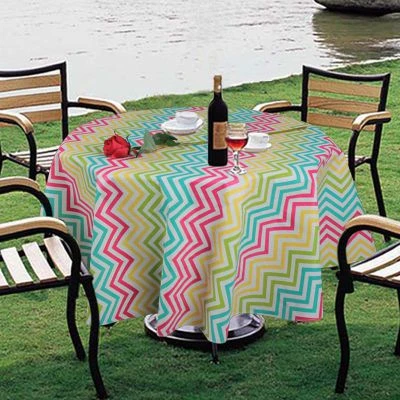
From textured weaves to bold patterns, thick table cloths can be customized extensively, making them suitable for upscale hotels and casual bistros alike.
Eco-Friendly Options
Many manufacturers now produce thick table cloths with organic cotton, recycled polyester, or biodegradable fibers that align with sustainable development goals.
Maintenance
Thickness does not mean difficult to care for. Most are machine washable and retain color and texture even after repeated cleaning.
Quick Product Specification Table
| Feature | Standard Range | Description |
|---|---|---|
| Weight | 250–350 gsm (grams per square meter) | Heavier fabric for durability and less transparency |
| Material | Cotton, Polyester, Blended | Varied materials provide balance of softness and strength |
| Finish | Stain-resistant, waterproof coatings available | Extra protection for longer use in heavy traffic areas |
| Maintenance | Machine washable, fade-resistant | Designed for ease of use in professional settings |
Global Applications & Use Cases
- Hospitality & Catering: Thick table cloths are front and center — think busy hotels, conferences, weddings. Their durability means they survive high-volume laundering and occasional spills with grace.
- Industrial: Protective surfaces for workshops, craft areas, and exhibitions, where tables need cover that can endure mechanical stress.
- Humanitarian Aid: Emergency shelters and field clinics rely on thick textiles for hygiene and dignity, where disposable options aren’t practical.
- Retail & Trade Shows: Heavy-duty fabric assures visual appeal withstanding constant use and transport stress.
Interestingly, regions in Europe and North America lead in demand due to commercial hospitality prominence, while emerging markets in Asia increasingly adopt thick table cloth solutions as part of sustainable consumption initiatives. The thick table cloth trend is picking up everywhere.
Advantages & Long-Term Value
Looking beyond immediate comfort and function, thick table cloths bring sustainability and social value. Environmentally, their longer lifespan means reduced textile waste. Economically, they reduce the frequency of replacement purchases, which is great for tight budgets. On the softer side, they deliver tactile comfort, adding warmth and an inviting look to dining or workspaces — elements that build trust and positive experiences.
My own conversations with facility managers confirm many swear by these cloths for “keeping things together” during hectic events – literally and figuratively. It’s funny how a thick cloth can subtly anchor an environment.
Future Trends & Innovations
In terms of what’s next, companies are exploring smart textiles — fabrics embedded with sensors that can detect spills or stains and can even self-clean using catalytic coatings. Moreover, recycled fibers and bio-based polymers are reshaping the fabric industry to reduce environmental impact. Add digital printing and on-demand manufacturing, and you get tailored thick table cloths delivered just in time, minimizing stock and waste.
Challenges & Solutions
On the flip side, thicker fabrics can sometimes feel heavier or less drapey, which might deter a few customers. Also, initial costs can be a hurdle for small businesses. But innovations like lighter yet strong hybrid weaves and leasing models for commercial textiles are helping overcome these barriers. Thick table cloth manufacturers are continuously refining the balance between thickness, feel, and price.
Vendor Comparison Table
| Vendor | Material Options | Price Range (per sqm) | Sustainability Certifications | Lead Time |
|---|---|---|---|---|
| TextilePro | Cotton, Polyester | $12–18 | OEKO-TEX Standard 100 | 2–3 weeks |
| EcoFabrics | Recycled Polyester, Organic Cotton | $15–22 | GOTS, FSC | 3–4 weeks |
| Duratextiles | Blended Fabrics with Stain Resistant Finish | $10–16 | ISO 14001 Certified | 1–2 weeks |
Frequently Asked Questions About Thick Table Cloth
- What makes a thick table cloth better than standard table linens?
- Thick table cloths offer increased durability, stain resistance, and generally better longevity. This means fewer replacements and less overall cost, plus they typically look better longer under heavy use.
- Are thick table cloths easy to clean and maintain?
- Yes, most thick table cloths are designed for machine washing and maintain their color and texture up to many wash cycles. Many also have stain-resistant finishes making clean-up easier.
- Can thick table cloths be customized for events or branding?
- Absolutely. Modern manufacturing techniques enable printing logos, custom colors, and patterns even on thick fabrics—you can make your event or venue uniquely yours.
- How sustainable are thick table cloth options?
- Increasingly sustainable options are available, including fabrics made from recycled fibers or certified organic cotton. Their longer lifespan also reduces waste, contributing positively to eco-friendly practices.
- Where can I buy commercial-grade thick table cloths?
- Many specialized textile suppliers and online vendors offer commercial-grade thick table cloths. You can visit this site for a broad selection and professional support.
In Conclusion
Thick table cloths might not be the flashiest topic, but they offer long-term benefits encompassing durability, cost savings, sustainability, and even comfort. Whether you’re running a large hospitality business, organizing a community event, or outfitting humanitarian spaces, these textiles deliver quality you can count on. If you want to explore the latest thick table cloth solutions, I highly recommend visiting our website.
Quick takeaway: Choosing the right thick table cloth isn’t just about how it looks—it’s about value, sustainability, and reliability for the long haul.
References
-
How ironing board cover manufacturers can match USA and European cover specificationsNewsNov.09,2026
-
Iron shoes: fit, fabric protection and steam useNewsNov.02,2026
-
Extra Large Shopping Cart Liners: Specifications, Ordering and Support FAQNewsOct.28,2026
-
How to Buy Washing Machine Cover Stock: Choosing a PEVA Washing Machine CoverNewsOct.22,2026
-
Choose a Quality Ironing Board Cover for Professional ResultsNewsJul.01,2026
-
Best Mini Ironing Board Cover and Pad for Professional PressingNewsJun.29,2026
-
Improve Pressing Efficiency with Medium Ironing Board CoverNewsJun.27,2026