The humble ironing board cover, often overlooked, is a surprisingly vital component of household functionality and safety. Beyond simply protecting the ironing board itself, a quality ironing board cover significantly impacts the effectiveness of ironing, influencing fabric care and overall results. Its importance extends beyond domestic use, finding applications in professional laundry services and even specialized industries where precise fabric finishing is crucial. Understanding the nuances of ironing board cover design and materials is key to maximizing its utility and longevity.
Globally, the demand for ironing board covers is consistently high, driven by widespread use of clothing and textiles. While not a headline-grabbing industry, it represents a stable market with continuous innovation in materials and construction. The United Nations Sustainable Development Goal 12, responsible consumption and production, increasingly influences the industry’s focus on durable, sustainable materials. Furthermore, the need for efficient garment care solutions, particularly in densely populated urban areas and developing nations, ensures a continued demand for reliable ironing board covers.
The challenge often lies in balancing cost-effectiveness with quality and durability. Many consumers seek affordable options, but these can often wear quickly or provide inadequate heat reflection and cushioning. This prompts a need for increased consumer education regarding the long-term benefits of investing in a higher-quality ironing board cover, highlighting its contribution to both efficient ironing and garment longevity.
The Significance of Ironing Board Covers
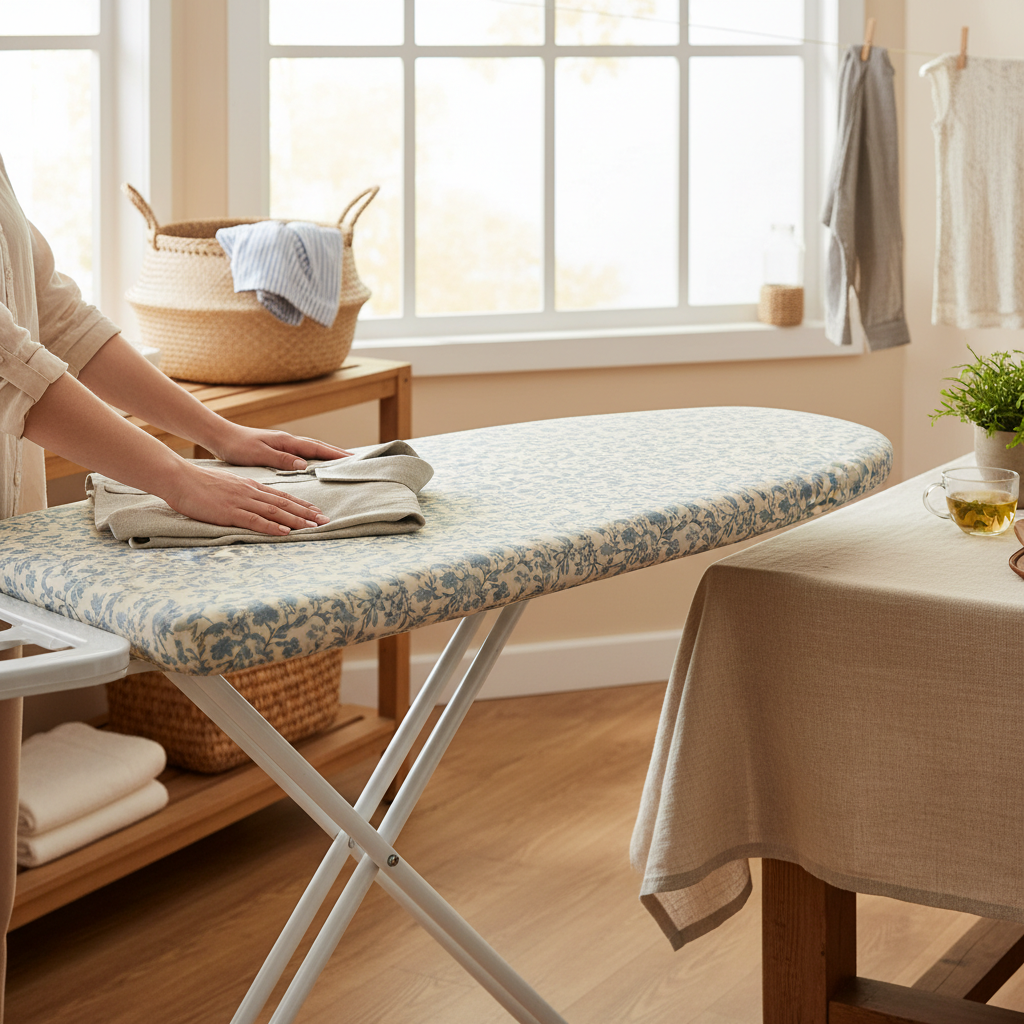
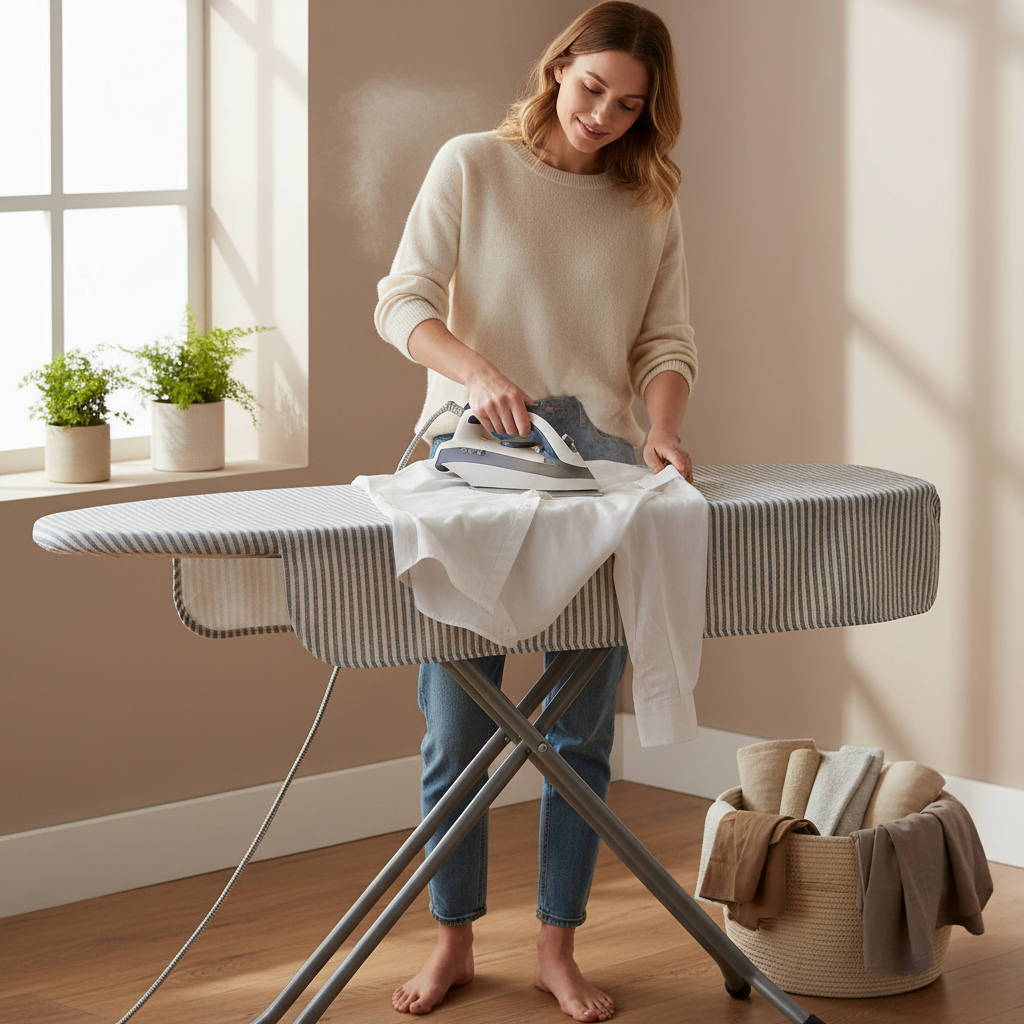
An often-underestimated household item, the ironing board cover is a crucial element in maintaining clean, pressed clothing. It’s not merely a protective layer for the board itself, but an integral part of the ironing process. A quality cover ensures smooth gliding of the iron, even heat distribution, and protection for delicate fabrics. Without it, ironing can be inefficient, damaging to clothes, and even pose a safety risk.
The modern ironing board cover evolved from simple cloth layers to sophisticated designs incorporating heat-reflective materials, padding, and secure fastening systems. This evolution reflects a growing understanding of the importance of fabric care and the need for durable, reliable household products.
Defining the Ironing Board Cover
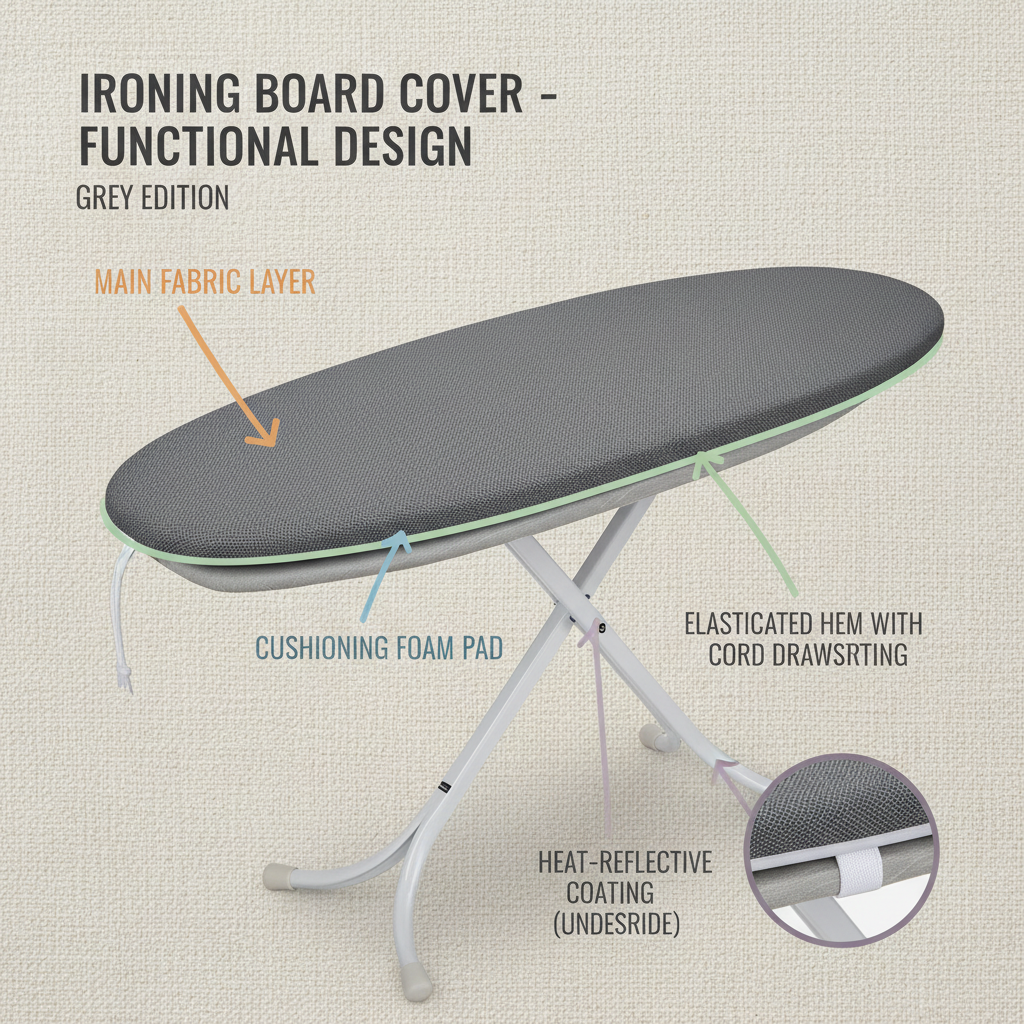
In its simplest form, an ironing board cover is a padded fabric layer designed to fit securely over the surface of an ironing board. However, the definition extends beyond this basic description. A modern ironing board cover incorporates multiple layers, typically including a top layer for ironing, a padding layer for cushioning and heat absorption, and an underside layer for secure attachment. Its primary function is to provide a smooth, heat-resistant surface for ironing clothes.
The connection to modern industry lies in the principles of textile engineering and material science used in its construction. Heat resistance, durability, and fabric compatibility are key considerations, mirroring the demands of other textile-based industries. Moreover, the production of these covers supports a network of manufacturers, distributors, and retailers, contributing to economic activity on a global scale.
Its relevance extends beyond just household applications. Commercial laundries, dry cleaners, and even fashion design studios rely on high-quality ironing board covers for their operations, highlighting its significance in maintaining professional standards of garment care and finishing.
Key Factors Influencing Cover Quality
Several factors determine the quality and performance of an ironing board cover. These include the material composition of each layer (top, padding, underside), the thickness and density of the padding, the effectiveness of the fastening system, and the overall durability of the construction. The heat resistance of the top layer is especially critical to prevent scorching fabrics and ensure safe ironing.
Heat reflectivity plays a vital role in reducing ironing time and energy consumption. Covers with a metallic or reflective underside layer bounce heat back up towards the garment, effectively utilizing the iron's energy and providing a more efficient ironing experience. Secure fastening is also paramount, preventing the cover from shifting during use, which can lead to uneven ironing and potential safety hazards.
Finally, the ability of the cover to withstand repeated use and washing is a critical indicator of its long-term value. Higher-quality covers are typically made with more robust materials and construction techniques, ensuring they can maintain their shape and performance over time.
Core Components of an Ironing Board Cover
The modern ironing board cover is more than just a piece of cloth. It’s an engineered product designed for optimal performance. Four core components are essential: the top layer, the padding, the underside layer, and the fastening system. The top layer’s material dictates heat resistance and smoothness, often utilizing cotton, linen, or synthetic blends.
The padding layer provides cushioning and heat absorption. Variations in padding thickness and material—from felt to foam—impact the ironing experience. A thicker, denser padding results in a smoother, more comfortable ironing surface.
Comparison of Ironing Board Cover Features
Global Applications and Usage Scenarios
The use of ironing board covers spans across the globe, found in nearly every household that utilizes ironing as a garment care practice. Developed nations see widespread adoption due to the emphasis on well-maintained clothing, while developing nations often rely on ironing board covers to extend the lifespan of garments and maintain a professional appearance.
Beyond residential use, commercial laundries, hotels, and dry-cleaning services depend on durable, high-performance ironing board covers to meet the demands of frequent, heavy-duty use. In the fashion industry, designers and tailors utilize specialized covers to achieve precise finishing on garments during production.
Advantages and Long-Term Value Proposition
Investing in a quality ironing board cover offers several tangible benefits. A well-constructed cover extends the lifespan of the ironing board itself, protecting it from heat damage and wear. It also contributes to more efficient ironing, reducing energy consumption and saving time. Furthermore, it helps protect delicate fabrics from scorching, preserving the appearance and longevity of clothing.
From a sustainability standpoint, a durable cover reduces the frequency of replacements, minimizing textile waste. Emotionally, a well-maintained ironing board and clean, pressed clothes contribute to a sense of order and well-being. Logically, the long-term cost savings associated with reduced energy bills and garment replacement make a quality cover a sound investment.
The trust instilled by a reliable, consistent ironing experience cannot be overlooked. A quality ironing board cover contributes to a more positive and productive household routine.
Future Trends and Innovative Materials
The future of ironing board cover technology is focused on sustainability and enhanced performance. Emerging materials include recycled polyester fabrics, bamboo fibers, and innovative heat-reflective coatings. These materials aim to reduce the environmental impact of production and improve energy efficiency during use.
Digital integration is another potential trend. Smart covers equipped with sensors could provide feedback on temperature and pressure, optimizing ironing for different fabric types. Automation could also play a role, with self-adjusting covers that automatically adapt to the size and shape of the ironing board.
The increasing focus on sustainable manufacturing practices and eco-friendly materials will undoubtedly shape the future of the ironing board cover industry, aligning it with broader trends towards responsible consumption and environmental stewardship.
Summary of Ironing Board Cover Material Properties
| Material Type |
Heat Resistance (1-10) |
Durability (1-10) |
Environmental Impact |
| Cotton |
7 |
6 |
Moderate |
| Linen |
8 |
8 |
Moderate |
| Polyester |
6 |
9 |
High (unless recycled) |
| Recycled Polyester |
6 |
8 |
Low |
| Bamboo Fiber |
7 |
7 |
Low |
| Silicone-Coated Fabrics |
9 |
10 |
Moderate |
FAQS
The "best" material depends on your needs. Cotton is a classic, breathable option, while linen offers excellent heat resistance. However, for durability and wrinkle resistance, polyester or a polyester blend is often preferred. Recycled polyester provides a more sustainable choice. Silicone-coated fabrics offer the highest heat resistance and longevity, but can be more expensive.
This depends on usage frequency and the quality of the cover. Generally, you should replace your ironing board cover every 6-12 months if you iron frequently. Look for signs of wear and tear, such as thinning fabric, burns, or a loose fit. A worn cover can compromise ironing performance and pose a safety risk.
Most ironing board covers are machine washable. Check the care label for specific instructions. Typically, you can wash it on a gentle cycle with mild detergent. Avoid harsh chemicals or bleach. Allow it to air dry completely before reattaching it to the ironing board. Regular cleaning helps maintain hygiene and prolong the cover's lifespan.
A secure fastening system is crucial for safe and efficient ironing. A loose cover can shift during use, leading to uneven ironing, potential burns, and frustration. Look for covers with elastic straps, drawstring ties, or a combination of both to ensure a snug and stable fit. Regularly check the fastening system for wear and tear.
Not all covers are suitable for delicate fabrics. Silk, rayon, and other sensitive materials require a smooth, well-padded surface to prevent damage. A cotton or linen cover with a thick padding layer is recommended. Consider using a pressing cloth in addition to the cover for extra protection. Avoid covers with rough textures or exposed metal parts.
Heat-reflective covers contain a layer of metallic material that bounces heat back up towards the garment. This reduces ironing time, saves energy, and can improve the effectiveness of ironing. They are particularly beneficial for thicker fabrics or when ironing multiple layers. They also help to prevent scorching and damage to delicate materials.
Conclusion
The ironing board cover, though often overlooked, is an essential component of modern household care and beyond. From protecting the board to ensuring efficient ironing and preserving garment quality, its functions are multifaceted. Understanding the key factors influencing cover quality – material composition, padding, fastening systems – empowers consumers to make informed decisions that optimize their ironing experience and contribute to sustainable practices.
Looking ahead, innovations in materials and design promise even more durable, efficient, and eco-friendly options. The adoption of recycled materials, coupled with advancements in heat-reflective technology, will shape the future of this seemingly simple product. Investing in a quality ironing board cover is therefore not just a matter of convenience, but a step towards a more sustainable and efficient lifestyle. Visit our website at www.hbmectextiles.com to explore our range of premium ironing board covers.