
Vintage Ironing Board Cover - Durable, Sustainable, and Stylish Textile Solutions
Understanding the Vintage Ironing Board Cover: A Nostalgic Yet Practical Textile Solution
At first glance, a vintage ironing board cover might seem like a simple household accessory—a quaint throwback to decades past. Yet its significance stretches beyond vintage charm. Globally, this textile piece combines history, craftsmanship, and functionality, offering more than just an aesthetic upgrade to the humble ironing board. From sustainable textile practices to enhancing the garment care industry, understanding vintage ironing board covers unlocks insights into material durability, design, and cultural nostalgia.
The Global Context of Vintage Ironing Board Covers
Across continents, traditional ironing practices persist, especially in households and small businesses where garment care remains paramount. The vintage ironing board cover taps into this need by offering a durable, reusable surface that often resists heat and improves ironing efficiency. According to the United Nations Environment Programme (UNEP), textiles contribute significantly to global waste, pushing consumers and manufacturers to explore longevity and reuse in household items like ironing board covers. A vintage cover, often crafted from sturdy fabrics like cotton twill with heat-resistant coatings, presents a more sustainable option than modern disposable or plastic-coated covers.
However, the challenge lies in balancing vintage aesthetics with modern requirements—durability, ease of cleaning, and heat resistance that meet current safety standards (ISO 105-B02 for colorfastness, for example). This balance is crucial to align old-school charm with practical, global needs.
What Is a Vintage Ironing Board Cover?
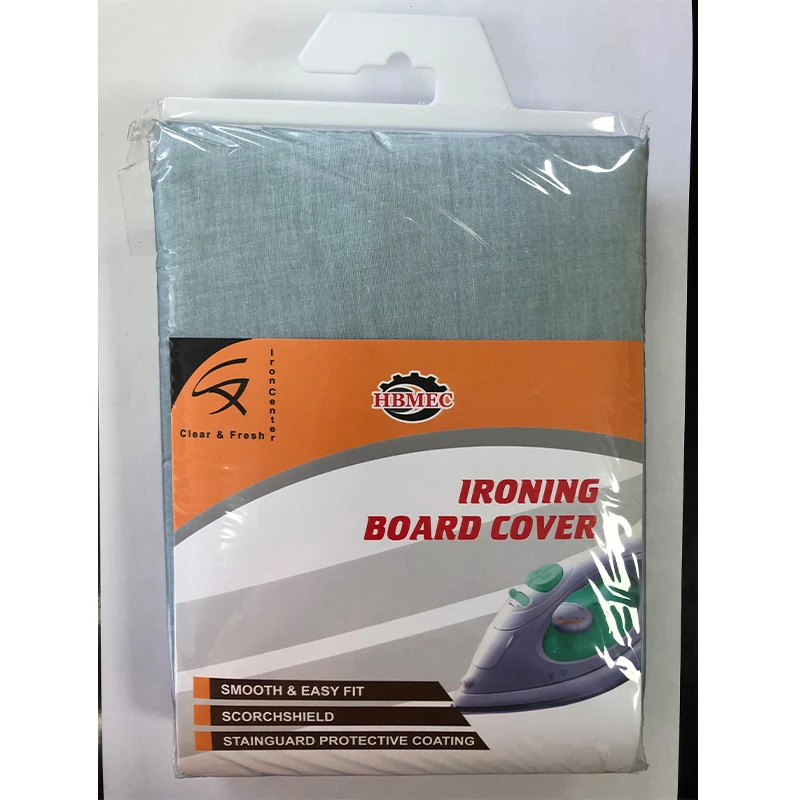
Simply put, a vintage ironing board cover is a fabric overlay designed to fit snugly over an ironing board, often showcasing patterns and textures reminiscent of mid-20th-century styles. In practical terms, it's about material and construction quality: heavy-duty cotton or linen, sometimes with felt padding underneath, creating a smooth yet heat-resistant surface for pressing clothes.
Its relevance today extends into both domestic and small commercial garment care, as well as vintage clothing preservation, where the right ironing surface helps maintain fabric integrity while preventing scorching or shine marks.
Key Factors that Define Quality Vintage Ironing Board Covers
1. Durability
These covers are typically made from dense, woven cotton or linen, often reinforced with heat-reflective layers. The toughness not only extends lifespan but also maintains a firm ironing surface. Oddly enough, vintage covers often outlast many modern counterparts.
2. Heat Resistance
Essential for any ironing board cover, heat resistance prevents fabric damage and ensures safer ironing. Some vintage covers include reflective foil layers or are impregnated with fire-retardant coatings, meeting or approaching modern safety standards.
3. Fit & Scalability
The snugness of the cover—achieved via elastic edging or drawstrings—ensures wrinkle-free ironing and adaptability to boards of various shapes. This versatility is not only practical but also a hallmark of quality design.
4. Aesthetic Design
Patterns and fabric textures offer more than nostalgia; they help reduce eye strain during prolonged tasks and reflect cultural heritage. Vintage covers often sport geometric shapes, florals, or muted color palettes that subtly enhance the ironing experience.
Product Specifications of a Vintage Ironing Board Cover
| Feature | Specification |
|---|---|
| Material | Heavyweight cotton with felt padding |
| Heat Resistance | Up to 220°C (428°F) with reflective coating |
| Fit Type | Elastic with drawstring for adjustable fit |
| Dimensions | Standard sizes from 110x30 cm to 130x45 cm |
| Cleaning | Machine washable, air dry recommended |
Mini takeaway: The vintage ironing board cover offers durability with a practical, heat-safe surface and flexible fit — blending historic charm with everyday utility.
Vintage Ironing Board Cover Vendors: A Quick Comparison
| Vendor | Material Quality | Design Variety | Price Range | Sustainability |
|---|---|---|---|---|
| ClassicTex | Premium 100% cotton | Wide (50+ patterns) | $$$ (USD 40-60) | Uses organic fabrics |
| RetroFits | Cotton blend with felt | Limited (10 patterns) | $$ (USD 25-40) | Recycled packaging |
| EcoCover Co. | Hemp & cotton mix | Moderate (20 patterns) | $$$ (USD 35-55) | Certified organic & fair trade |
How Vintage Ironing Board Covers Are Used Globally
In households around Europe and North America, vintage covers are prized for both their style and their reliability in prolonging the life of garments during ironing. Meanwhile, in regions like Southeast Asia, small tailoring businesses rely on durable covers that can withstand daily use without significant wear.
There’s something deeply practical about these covers in post-disaster relief scenarios, too — where fragile garments need careful maintenance under often rough conditions. NGOs sometimes employ vintage-inspired covers made from recycled fabrics to aid in textile care workshops, supporting sustainable practices.
Advantages and Long-Term Value
- Cost Savings: Sturdy vintage covers reduce the frequency of replacement.
- Sustainability: Reuse of cotton and natural materials aligns with eco-conscious goals.
- Emotional Connection: Nostalgic designs can boost user satisfaction and downtime comfort.
- Reliability: Heat resistance and good fit minimize ironing mishaps, saving clothes.
Future Trends and Innovations in Vintage Ironing Board Covers
Frankly, the vintage ironing board cover is getting a subtle tech upgrade. Innovators are integrating natural heat-reflective fibers and antimicrobial coatings that don’t detract from its classic look. Also, digital textile printing is enabling customizable patterns that resonate with modern consumers' preferences for personalization without sacrificing vintage appeal.
There’s also an emerging shift towards fully biodegradable covers and zero-waste manufacturing processes. This fits neatly with broader green energy and sustainability goals outlined by ISO 14000 environmental management standards.
Challenges & Solutions
One tricky part about vintage ironing board covers is their care needs—some vintage fabrics can shrink or lose texture if cleaned improperly. Experts recommend gentle machine wash cycles with cold water and air drying to maintain form and function.
Another challenge is achieving a universal fit, which manufacturers are addressing by incorporating adjustable drawstring mechanisms. This flexibility extends the cover’s compatibility across various board shapes and sizes without compromising tension or surface smoothness.
FAQ: Frequently Asked Questions About Vintage Ironing Board Covers
- Q: How do vintage ironing board covers differ from modern ones?
A: Vintage covers usually feature thicker, natural fabrics with classic patterns and often come with additional padding or reflective layers offering enhanced durability and heat resistance compared to some modern plastic-coated versions. - Q: Can I machine wash a vintage ironing board cover?
A: Most vintage covers can be washed gently by machine in cold water, but air drying is advised to avoid shrinkage and fabric distortion. - Q: Are vintage ironing board covers environmentally friendly?
A: Generally, yes—especially if made from organic cotton or hemp—and they align with sustainable textile practices by being reusable and long-lasting. - Q: Where can I find authentic vintage ironing board covers?
A: They are available through specialty retailers and platforms like vintage ironing board cover suppliers that focus on authentic or reproduction designs.
Conclusion
In real terms, the vintage ironing board cover is far from just a retro novelty. Its continuing evolution underscores a unique combination of sustainability, durability, and cultural heritage—making it a smart choice for today's conscientious consumers. Whether you're preserving cherished garments or simply reveling in historical textile aesthetics, the vintage cover remains a pragmatic yet charming ally in garment care.
Ready to explore your options? Visit our website: hbmectextiles.com to find your perfect vintage ironing board cover.
References:
1. United Nations Environment Programme (UNEP), Textile Waste Reports.
2. ISO 105-B02: Test for color fastness applied to textiles.
3. ISO 14000 Environmental Management Standards.
-
Enhance Your Dining Space with a 52 by 70 tableclothNewsApr.16,2026
-
Choosing the Best Green Disposable Tablecloth for Your EventNewsApr.09,2026
-
Enhance Your Bedroom Decor with the Perfect Bedside Tablecloth GuideNewsApr.07,2026
-
Comprehensive Guide to Choosing the Perfect White Table Cloth Plastic for Your EventNewsApr.04,2026
-
Elevate Your Dining Space with a Stylish Modern Table CoverNewsMar.31,2026
-
Elevate Your New Years Celebration with the Perfect New Years Table ClothNewsMar.28,2026
-
Elevate Your Dining Experience with a Stunning Ocean TableclothNewsMar.26,2026