
Washer Cover Outdoor: Waterproof, UV-Proof, Heavy-Duty?
Outdoor Washer Covers: Field Notes, Specs, and What Actually Matters
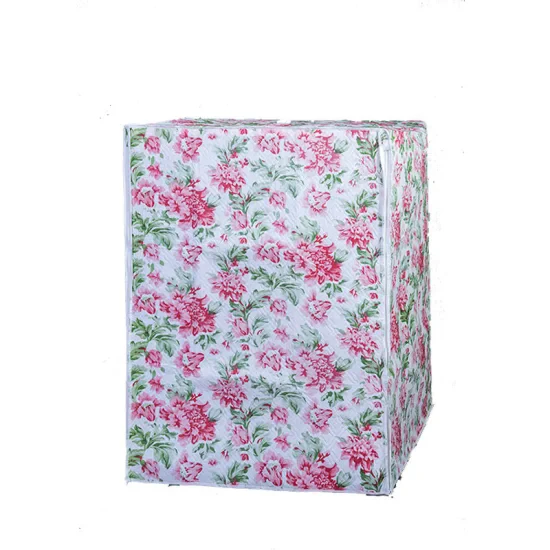
If you’ve ever walked onto a breezy balcony after a rainstorm and found your washer sulking under a damp towel—been there. A proper washer cover outdoor is one of those unglamorous upgrades that quietly saves money, time, and frankly, frustration. I’ve toured factories from coastal China to the Gulf and watched how the good ones are made. The short version: materials and sealing make or break performance.
What’s trending (and why PEVA is winning)
In the last 18 months, balcony laundry setups exploded—from Manila to Miami. Customers keep asking for lighter, odor-free covers with UV stability. PEVA (polyethylene vinyl acetate) has edged ahead because it’s PVC-free, wipe-clean, and—surprisingly—pretty tough when it’s properly heat-welded. That’s why the Peva Washing Machine Cover from HBMEC Textiles has been getting attention. It’s made in No.71, Hezuo Road, Shijiazhuang, P.R. China, a hub that’s quietly specialized in coated fabrics for years.
Core specs at a glance
| Material | PEVA film, ≈0.12–0.18 mm; optional inner knit scrim |
| Water Protection | Hydrostatic head ≈1500–3000 mm (ASTM D751) |
| UV Resistance | 500–800 h QUV (ISO 4892-3), real-world use may vary |
| Seams | RF/heat-welded seams; reinforced stress points |
| Fit | Front/top load, 6–12 kg; custom sizes on request |
| Temp Range | ≈ -10°C to 60°C; salt-air tolerant |
| Closures & Vents | Zipper/Velcro options; drip hood; vent grommets |
| Service Life | 2–3 years outdoors depending on UV index and care |
| Compliance | REACH, RoHS, ISO 9001 factory; IPX3 splash testing |
How it’s made (short version)
Materials arrive as PEVA pellets and pigments, then calendered into film. Printing (if any), lamination, and die-cutting follow. Panels are RF/heat-welded to seal pinholes—this is key. QC pulls random samples for: hydrostatic head (ASTM D751), UV exposure (ISO 4892-3), flex/crease cycles, and an IPX3 spray rack (IEC 60529). Only after stitching zippers and vents do they pack it flat to prevent crease memory. To be honest, the welding is the secret sauce.
Where it shines
- Balconies and patios with sideways rain; coastal condos with salt mist.
- Back-of-house resort laundries; RV parks; rooftop utility closets.
- Dust-prone garages—some folks use it indoors simply to keep lint off.
Compared with polyester Oxford + PU, PEVA is lighter and easier to wipe. Compared with PVC, it’s less plasticky-smelling and generally more compliant with today’s import rules. Many customers say they’re surprised how “quiet” it is in wind.
Vendor snapshot (field notes)
| Vendor | Material & UV | MOQ | Lead Time | Certs |
|---|---|---|---|---|
| HBMEC Textiles (Shijiazhuang) | PEVA, 500–800 h UV | ≈500 pcs | 25–35 days | ISO 9001, REACH, RoHS |
| Vendor A (Polyester) | Oxford+PU, 300–500 h UV | ≈300 pcs | 20–30 days | ISO 9001 |
| Vendor B (PVC) | PVC, 400–600 h UV | ≈800 pcs | 30–40 days | RoHS (partial) |
Customization and real feedback
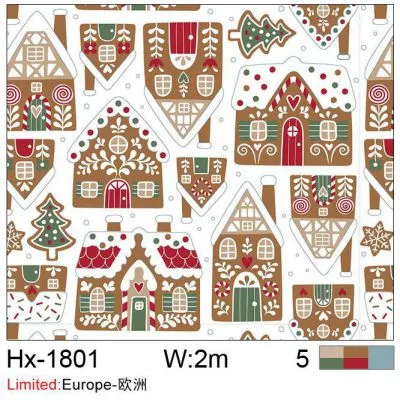
Options: logo print, matte or clear window for controls, flap for hoses, side pocket, elastic hem, colorways that match façade rules. One apartment manager in Manila told me their washer cover outdoor fleet hit 14 months with only mild fading. A homeowner in Perth ran side-by-side tests—PEVA vs polyester—and said the PEVA stayed cleaner after winter storms.
Mini case study
A boutique resort retrofitted 30 machines with PEVA covers before rainy season. Maintenance logged ≈40% fewer corrosion-related service calls and noted seals stayed pliable. It’s one project, sure, but the pattern repeats in coastal installs. That’s where washer cover outdoor construction—especially welded seams—pays back fast.
Testing, compliance, and care
- UV: ISO 4892-3; target ≥500 h for sun-baked balconies.
- Water: ASTM D751 hydrostatic head; splash per IEC 60529 IPX3/4.
- Chemicals: REACH & RoHS statements available on request.
- Care: Wipe with mild soap, no harsh solvents; avoid dragging on rough concrete (common sense, but still).
Factory origin: No.71, Hezuo Road, Shijiazhuang, P.R. China. For multi-unit projects, ask for a pre-shipment inspection report with UV and water test data. It seems basic, but I’ve seen buyers skip it and regret that choice.
References
- ISO 4892-3: Plastics—Methods of exposure to laboratory light sources—Fluorescent UV lamps. https://www.iso.org/standard/72247.html
- ASTM D751: Standard Test Methods for Coated Fabrics. https://www.astm.org/d0751-20.html
- IEC 60529: Degrees of protection (IP Code). https://webstore.iec.ch/publication/2452
- EU REACH Regulation (EC) No 1907/2006. https://echa.europa.eu/regulations/reach
- RoHS Directive 2011/65/EU. https://ec.europa.eu/environment/topics/waste-and-recycling/rohs-directive_en
-
Enhance Your Dining Space with a 52 by 70 tableclothNewsApr.16,2026
-
Choosing the Best Green Disposable Tablecloth for Your EventNewsApr.09,2026
-
Enhance Your Bedroom Decor with the Perfect Bedside Tablecloth GuideNewsApr.07,2026
-
Comprehensive Guide to Choosing the Perfect White Table Cloth Plastic for Your EventNewsApr.04,2026
-
Elevate Your Dining Space with a Stylish Modern Table CoverNewsMar.31,2026
-
Elevate Your New Years Celebration with the Perfect New Years Table ClothNewsMar.28,2026
-
Elevate Your Dining Experience with a Stunning Ocean TableclothNewsMar.26,2026