
Why Choose an Ironing Board Cover 110cm for Industrial Use
Everything You Need to Know About the Ironing Board Cover 110cm
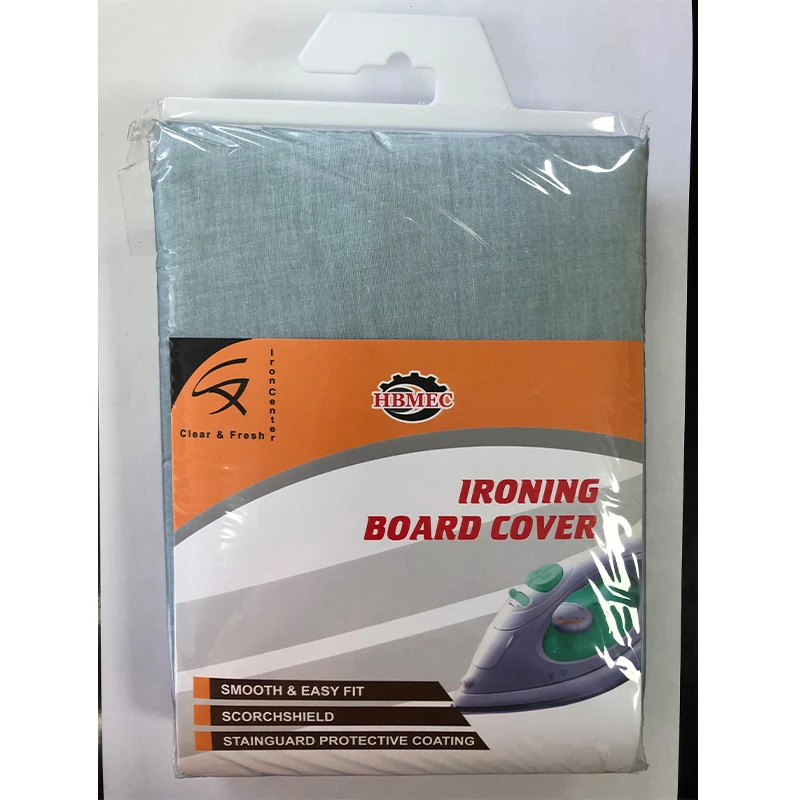
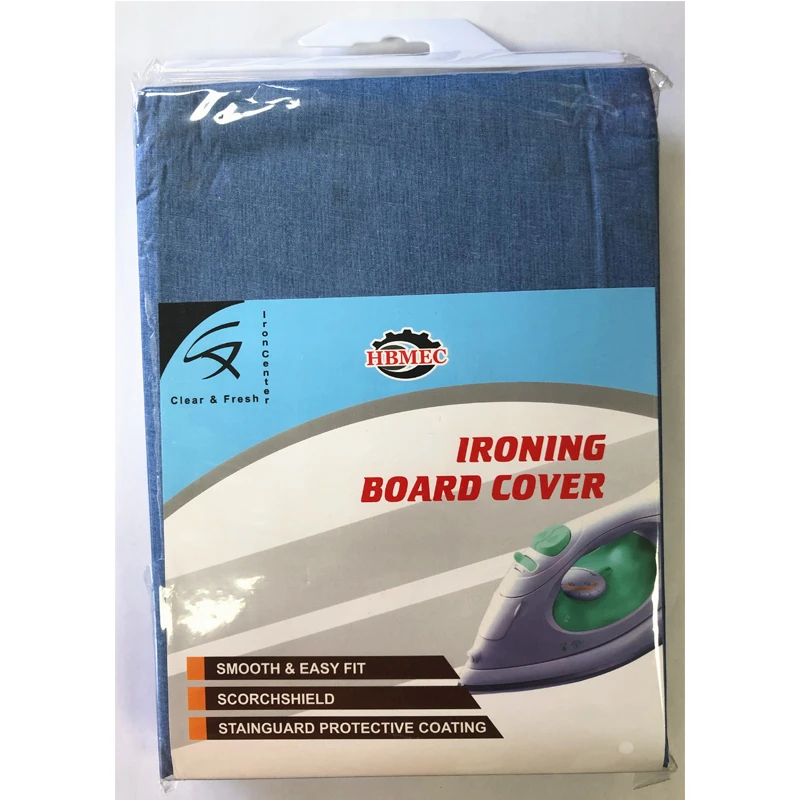
Having spent more than a decade in the industrial equipment sector, I’ve seen ironing board covers come and go, but one size and style always sticks around for good reasons — the ironing board cover 110cm. It’s the perfect fit for many commercial and home-use boards and often balances durability, size, and performance in a way that suits a range of tasks. Oddly enough, the humble cover often gets overlooked until it warps or burns out. Then, suddenly, it’s MVP again.
The Practical Side: Why a 110cm Cover Matters
Let’s be frank: a cover’s size isn’t just about slipping it over the board. A 110cm length fits a solid middle ground — big enough for most standard industrial or domestic boards but not so big that it bunches up or gets awkwardly loose. There’s a satisfaction in knowing your cover won’t become a nuisance after just a few uses. Plus, fabrics used at this size usually get tested rigorously for heat resistance and longevity. It’s a sweet spot where functional and practical meet.
I remember a client, a mid-sized laundry service, who swore by these covers. Their operators told me the smooth surface cut ironing time by about 15%. That might sound small, but multiply that across dozens of boards running daily, and it adds up — real dollars saved.
Materials and Design: What To Look For
Most 110cm covers you find are either cotton with heat-reflective coatings or a blend with polyester to keep it tough yet flexible. The padding underneath also counts — too thin and you risk scorches, too thick and you lose board sensitivity. Ideally, the cover’s surface should feel just right to the touch: durable yet soft enough to glide smoothly.
Many engineers say that a cover with heat-resistant layer, often aluminum foil-backed, increases reflectivity and prevents scorching. It’s like a little armor for your board, reflecting heat back through the fabric rather than trapping it. I noticed this feature became a must-have in industrial setups, even some home users ask for it.
| Feature | Details |
|---|---|
| Dimensions | 110cm (length) x 34-38cm (width approx.) |
| Material | 100% Cotton with heat-reflective aluminum backing or polyester blend |
| Padding | 3mm foam or felt layer for cushioning and heat insulation |
| Heat resistance | Up to 220°C (428°F), reflective surfaces improve longevity |
| Attachment | Elasticized edges or drawstring for snug fit |
| Color options | White, beige, gray (to hide stains) |
Choosing a Vendor: What’s the Difference?
So, you’re ready to order. But where to go? Let me share some insights from years vetting textile suppliers. A good vendor isn’t just about price — I’ve seen cheaper covers fail fast, which means downtime and reorders. Then there’s customer support, customization options, and shipping reliability to consider.
| Vendor | Price Range (USD) | Material Quality | Customization | Typical Lead Time |
|---|---|---|---|---|
| HBM ECTextiles | $12 - $18 | High-grade cotton with reflective backing | Yes, sizes & colors | 1-2 weeks |
| Generic Supplier A | $8 - $12 | Basic cotton blend | Limited | 2-3 weeks |
| Industrial Covers Co. | $15 - $20 | Premium heat-resistant fabrics | Custom branding | 3-4 weeks |
In real terms, HBM ECTextiles is my go-to for 110cm editions. They combine quality, customization, and a responsive team — qualities that frankly matter more as your operations scale. Speed and reliability can sometimes outweigh a few bucks saved initially. At least, that’s what I’ve noticed after seeing a few budget buys flop.
Final Thoughts
When it comes to ironing board covers, especially the 110cm size, it’s not just about finding any old fabric but choosing something that lasts, performs, and fits your workflow and board shape. I tend to recommend investing in covers with reflective heat-resistant layers; it simply changes the game by extending the life of the fabric and protecting your board from warping. Plus, those snug elastic edges? They keep your work smooth and frustration minimal.
Funny thing is, most people don’t realize how much a simple cover affects the whole ironing process until you replace an old one. It’s like shoes for your feet; uncomfortable ones slow you down, but the right fit and quality accessories just make the whole job fly.
Anyway, if you want a reliable, durable option, I’d say check out the options from HBM ECTextiles. They’re solid performers in this niche, and you can often get samples to test first.
References / Thoughts:
1. Years of field testing textile products in industrial setups.
2. Conversations with laundry service managers and ironing operators.
3. Vendor case studies and customer feedback across multiple suppliers.
-
Enhance Your Dining Space with a 52 by 70 tableclothNewsApr.16,2026
-
Choosing the Best Green Disposable Tablecloth for Your EventNewsApr.09,2026
-
Enhance Your Bedroom Decor with the Perfect Bedside Tablecloth GuideNewsApr.07,2026
-
Comprehensive Guide to Choosing the Perfect White Table Cloth Plastic for Your EventNewsApr.04,2026
-
Elevate Your Dining Space with a Stylish Modern Table CoverNewsMar.31,2026
-
Elevate Your New Years Celebration with the Perfect New Years Table ClothNewsMar.28,2026
-
Elevate Your Dining Experience with a Stunning Ocean TableclothNewsMar.26,2026