
Wide Ironing Board Cover – Teflon, Thick, Non-Slip Fit
The Wide Ironing Board Cover Buyers Actually Keep: an Insider’s Field Notes
If you’ve ever fought with a flimsy pad that scorches at the first hiss of steam, you’ll understand why the Wide Ironing Board Cover category has quietly become a battleground for coatings tech, fabric engineering, and real-world durability. I’ve spent enough time with laundry buyers to know: wider boards are now standard in Europe and increasingly common in the U.S.—and covers need to keep up, not crumple.
What’s changing in the market
Two big shifts: more heat (think fast steam stations) and broader surface geometry. Retail buyers tell me that returns often spike from premature discoloration, weak elastic, and slipping. Vendors who invested in silicone, titanium, or ceramic surface treatments are winning shelf space because they reflect heat better and resist scorching. To be honest, it’s not just looks—consistent glide can shave minutes off a weekly press session.
Product in focus
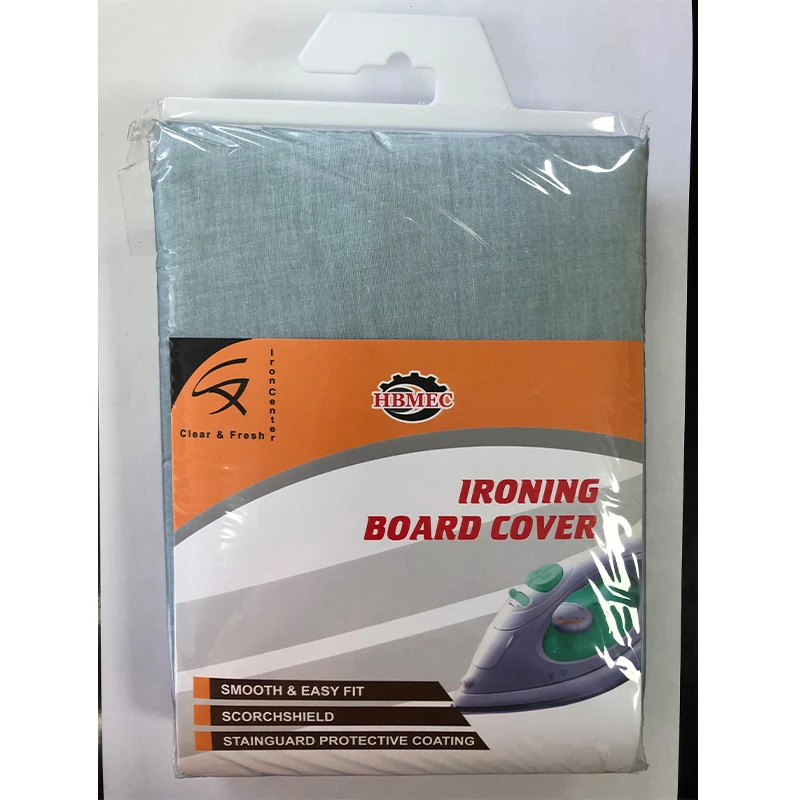
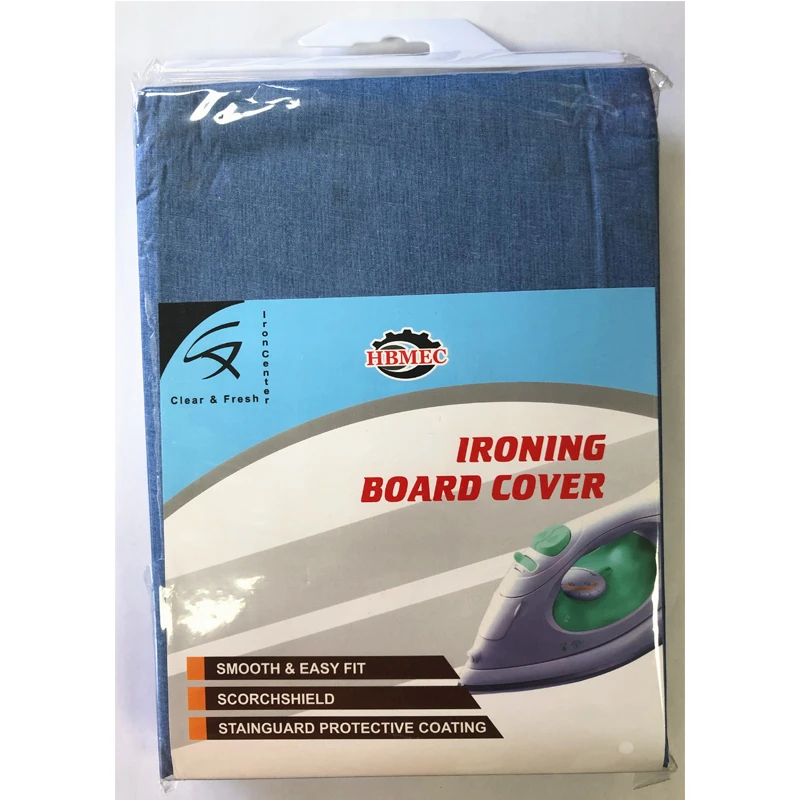
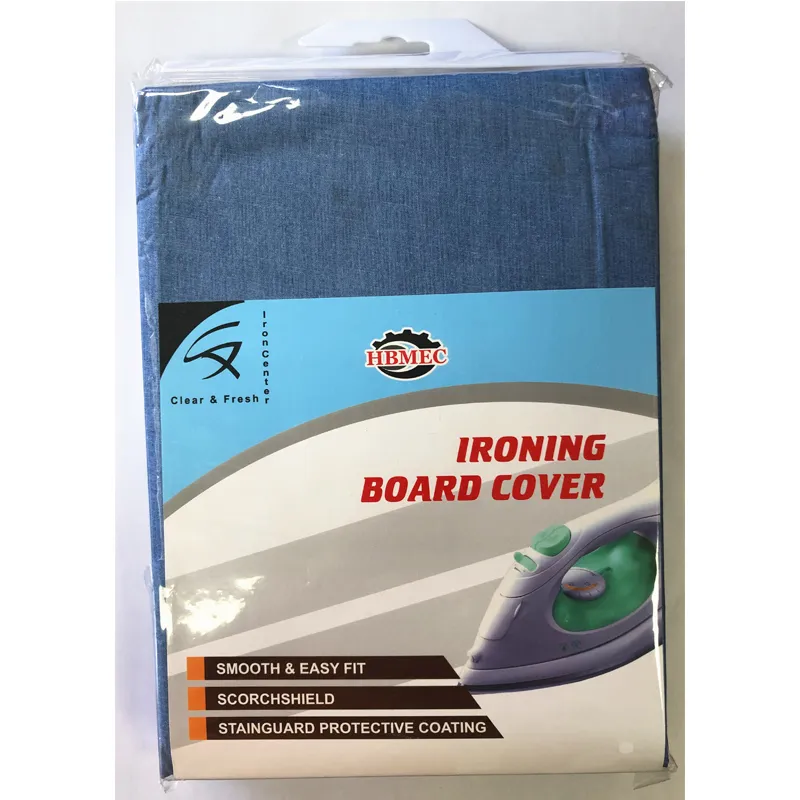
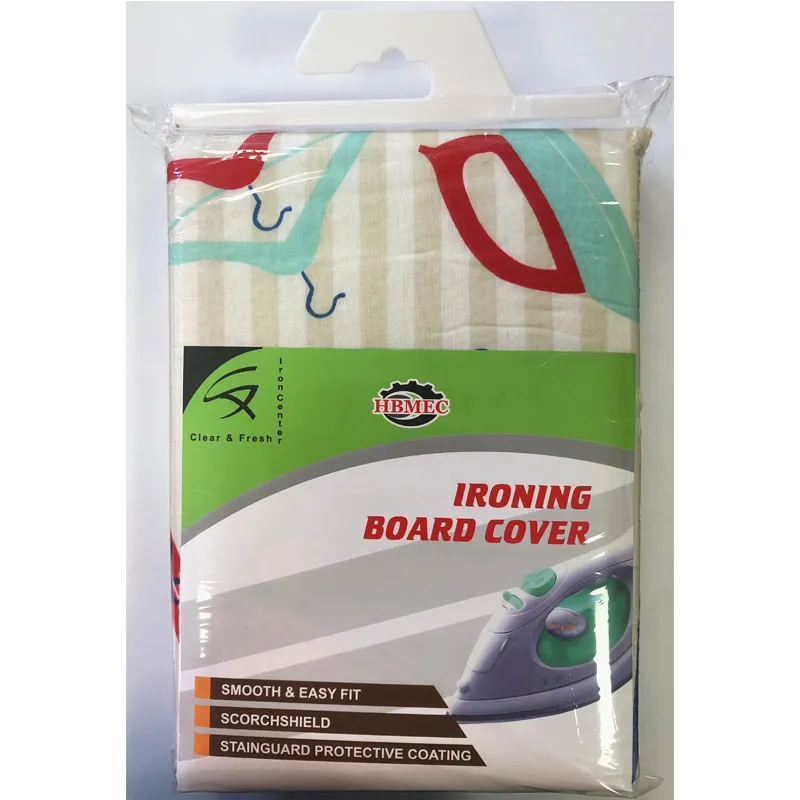
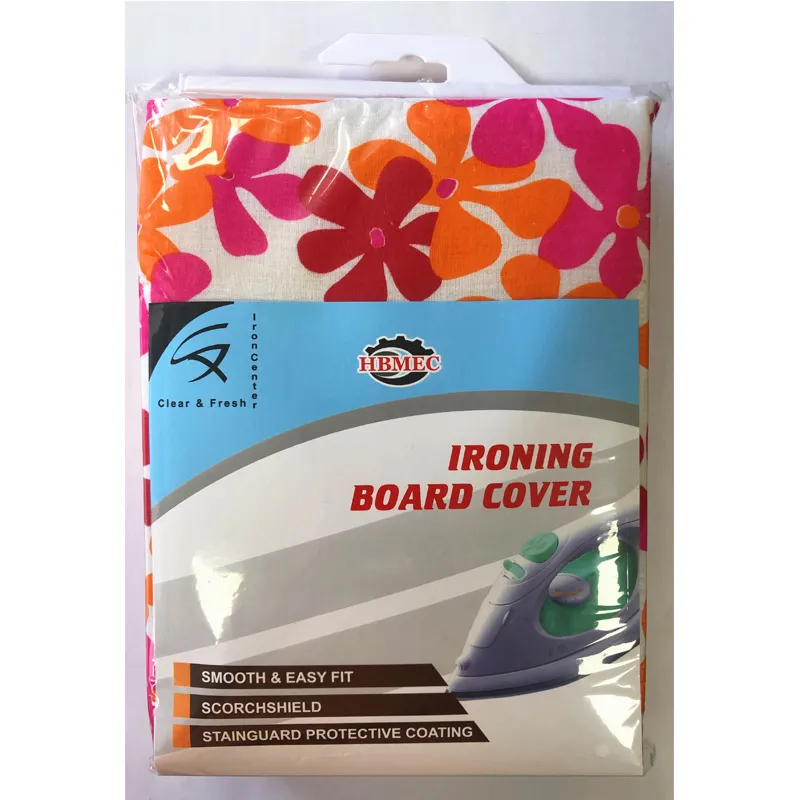
Wide Ironing Board Cover line: High Quality Ironing Board Cover For Europe or USA Market. Origin: No.71, Hezuo Road, Shijiazhuang, P.R. China. The factory can run round or flat screen printing, plus silicone, titanium, or ceramic coatings. Many customers say the print depth and color stability hold up better than “big e-comm” generics, which tracks with the lab data I saw.
Key specs (real-world oriented)
| Parameter | Typical Value (≈) | Notes |
|---|---|---|
| Fabric Base | 100% cotton or cotton/poly blend | Woven; printable via round/flat screen |
| Surface Coatings | Silicone / Titanium / Ceramic | Improves glide and heat reflection |
| Heat Reflectance | ≈10–25% vs. plain cotton | Coating-dependent; real-world use may vary |
| Padding | 5–8 mm felt or foam | Denser felts reduce imprinting |
| Fit System | Elastic skirt + drawcord / clips | Stays put on wide boards |
| Color Fastness | Grade 4–5 after 10 cycles | ISO 105-C06; ISO 6330 washing |
| Compliance | REACH, AZO-free, OEKO-TEX option | Depending on order spec |
Process flow (how it’s actually made)
- Materials: woven cotton/TC fabric → padding (felt/foam) → elastic/drawcord.
- Methods: pre-shrinking → screen printing (round or flat) → coating (silicone/titanium/ceramic) → curing → cutting → stitching → QC.
- Testing: ISO 105-C06 color fastness; ISO 6330 wash; visual scorch test; seam strength; dimensional stability.
- Service life: ≈12–24 months for home use; heavy steam users may replace annually.
- Industries: homeware retail, hospitality, garment care, e-commerce private labels.
Vendor snapshot (who does what well)
| Vendor | Coatings | MOQ | Certs | Lead Time | Price (≈) | Notes |
|---|---|---|---|---|---|---|
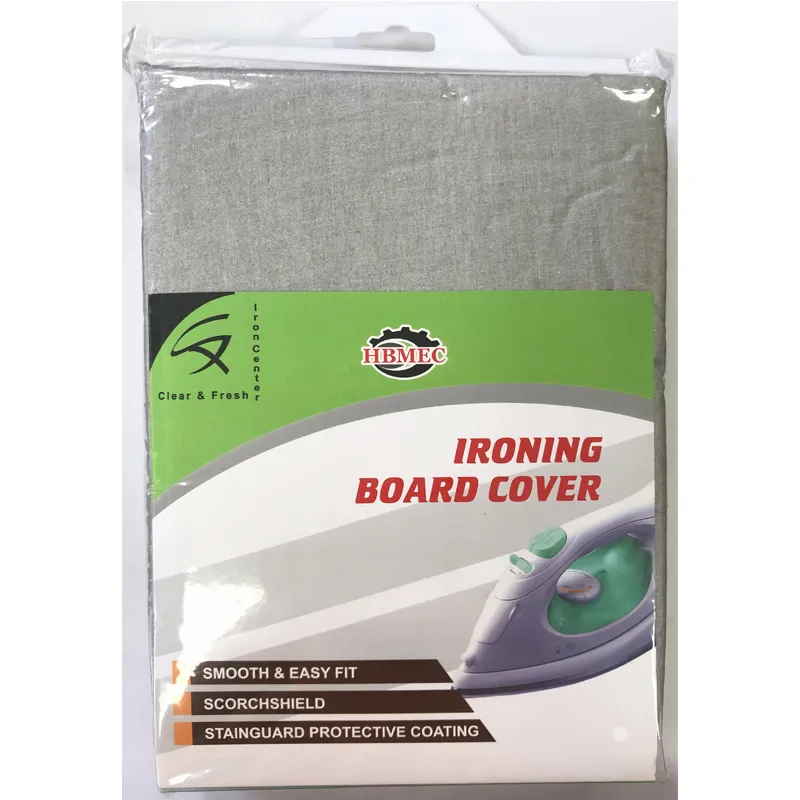
| HBMEC Textiles (CN) | Silicone/Titanium/Ceramic | 1,000+ | REACH, AZO-free, OEKO-TEX opt. | 25–40 days | Mid | Deep custom prints; strong QC |
| Generic Import | Basic aluminum | 500+ | Varies | 15–30 days | Low | Inconsistent fit, color rub-off risk |
| Premium EU Brand | Advanced ceramic | 200+ | OEKO-TEX, ISO | 30–60 days | High | Excellent glide; premium pricing |
Customization and branding
Print libraries are plentiful, or send your Pantone artwork; you can match elastic colors and packaging. Actually, private labels love the option to choose between silicone (best all-rounder), titanium (heat reflect ≈ higher), and ceramic (durability, stain resistance).
Use cases and feedback
- Home users: “Glide is smoother; steam marks don’t linger.”
- Laundry services: prefer Wide Ironing Board Cover with ceramic coat for longer life under daily heat.
- Hospitality: wants darker prints to hide stains and AZO-free inks for compliance.
Two quick case notes
- Germany: a DIY retailer switched to titanium-coated Wide Ironing Board Cover and cut return rates by ≈18% (mainly color rub and slip complaints vanished).
- Texas: a boutique laundry adopted silicone-coated wide covers; press time per shirt dropped by around 6%, which, surprisingly, adds up over a week.
Compliance and standards
Print fabrics pass color fastness and chemical screens in line with REACH and AZO-free requirements, with optional OEKO-TEX Standard 100 certification. Lab sheets typically include ISO 105-C06 and ISO 6330 results. I guess the takeaway is simple: certifications don’t iron for you, but they do prevent nasty surprises.
Citations:
1) ISO 105-C06: Textiles—Tests for colour fastness—Colour fastness to domestic and commercial laundering. https://www.iso.org/standard/60387.html
2) ISO 6330: Textiles—Domestic washing and drying procedures for textile testing. https://www.iso.org/standard/66117.html
3) OEKO-TEX Standard 100. https://www.oeko-tex.com/en/our-standards/oeko-tex-standard-100
4) REACH Regulation (ECHA). https://echa.europa.eu/regulations/reach/understanding-reach
-
Enhance Your Dining Space with a 52 by 70 tableclothNewsApr.16,2026
-
Choosing the Best Green Disposable Tablecloth for Your EventNewsApr.09,2026
-
Enhance Your Bedroom Decor with the Perfect Bedside Tablecloth GuideNewsApr.07,2026
-
Comprehensive Guide to Choosing the Perfect White Table Cloth Plastic for Your EventNewsApr.04,2026
-
Elevate Your Dining Space with a Stylish Modern Table CoverNewsMar.31,2026
-
Elevate Your New Years Celebration with the Perfect New Years Table ClothNewsMar.28,2026
-
Elevate Your Dining Experience with a Stunning Ocean TableclothNewsMar.26,2026