
Comprehensive Guide to Ironing Boardcovers: Materials, Uses & Innovations
Why Ironing Boardcovers Matter More Than You Might Think
At first glance, ironing boardcovers might not scream global significance. Yet, when you take a moment to think about the role they play in households, professional laundries, hotels, and garment industries worldwide, suddenly they become surprisingly important. These cover materials offer a simple but essential barrier that protects both the ironing surface and the fabric being pressed. More than that, high-quality covers improve ironing efficiency, safety, and garment quality — benefits that ripple through industries and homes alike.
In a world where appearance matters, and operational efficiency can mean the difference between profit and loss, understanding ironing boardcovers isn't just about buying the right fabric — it’s grasping an underappreciated piece of the textile puzzle that helps clothes look crisp, clean, and professional.
The Global Context: Why Ironing Boardcovers Are Essential
Globally, the apparel and hospitality industries alone represent multi-billion dollar markets, each relying heavily on garment care equipment — including ironing boardcovers. According to the International Organization for Standardization (ISO), maintaining textile quality is a key part of sustainable fashion initiatives today, where consumer expectations on fabric care are rising dramatically.
But here’s an interesting tidbit: in many emerging economies, ironing boardcovers are also foundational components in small-scale laundry businesses and garment production hubs. Often overlooked, an ill-fitting or worn-out cover can hamper productivity, increase burn risk, or even damage fabric. The demand for affordable, durable covers is rising in places where garment manufacturing drives local economies — countries like Bangladesh, Vietnam, and parts of Africa. And on the flip side, luxury brands in Europe and North America insist on premium materials for covers to protect delicate fabrics during pressing.
In short, ironing boardcovers address a very real challenge: balancing cost, durability, and safety while optimizing fabric care in vastly different contexts.
What Exactly Are Ironing Boardcovers?
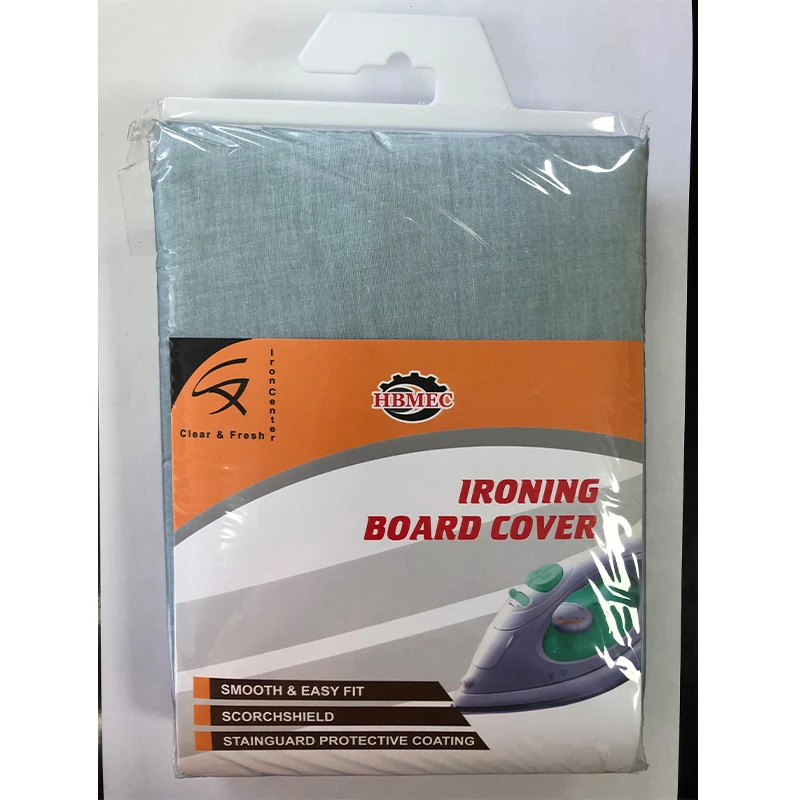
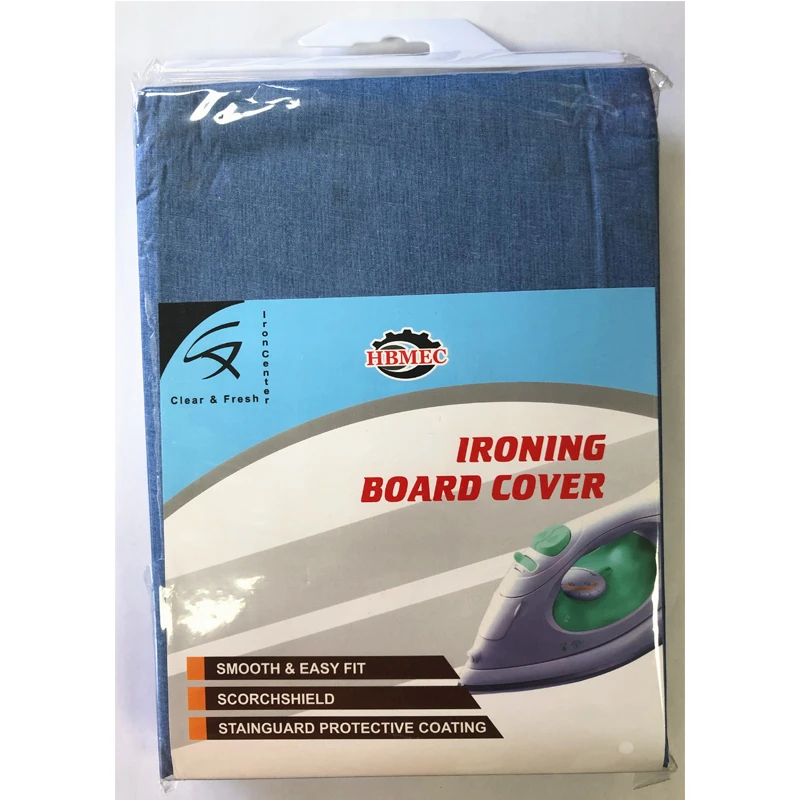
In simple terms, an ironing boardcover is the padded, often heat-reflective fabric layer that fits over an ironing board. It acts as a protective barrier to ease the pressing process by providing a smooth surface capable of withstanding heat and sometimes steam.
Though they might look like a simple household item, they've evolved into a specialized product category. Modern ironing boardcovers incorporate technology-driven fabrics, such as heat-resistant cotton blends and sometimes silicone-infused layers, designed to protect both the user and the garment during pressing. The right cover can improve heat distribution, reduce scorch marks, and even enhance the efficiency of steam iron penetration.
From an industrial perspective, ironing boardcovers represent a small but vital cog in the vast machine of textile finishing and garment manufacturing.
Key Factors to Consider in Ironing Boardcovers
1. Material Durability and Heat Resistance
Not all covers are created equal. Many engineers I spoke with emphasized the importance of high-quality cotton blends with silicone coatings. These materials resist scorching, stand up to constant heat, and last longer in heavy-use settings.
2. Fit and Elasticity
A snug fit isn’t just about aesthetics. Loose covers cause bunching, which leads to uneven pressing. Good covers employ elastic edges — making installation quick and keeping everything taut, reducing operator fatigue.
3. Heat Reflectivity
Some advanced covers feature aluminized backings or silicon layers that reflect heat upward — improving ironing efficiency. This means quicker pressing and, frankly, less time spent ironing. A small win, but valuable in commercial operations or busy households.
4. Thickness and Padding
The right foam or felt padding beneath the surface fabric moderates heat and provides cushioning. Too thin, and you risk burning through; too thick, and you lose responsiveness. It’s a fine balance suppliers try to hit.
5. Environmental & Safety Standards
Especially important today: the use of non-toxic materials and flame-retardant fabrics. ISO standards guide many manufacturers, ensuring safety when operating at high temperatures.
6. Cost-Effectiveness
Last but not least, the right cover is affordable without compromising durability. For many businesses, operating margins are razor-thin, so this is a key deciding factor.
Mini Takeaway:
Choosing ironing boardcovers isn’t just a matter of picking a pretty fabric; it’s about understanding material science, cost implications, and the pressing environment. If you ignore these factors, you might end up ironing yourself into trouble — literally.
How Ironing Boardcovers Are Applied Worldwide
From cramped urban laundrettes in South Asia to high-end fashion ateliers in Paris, ironing boardcovers play their role silently but indispensably.
- In Post-Disaster Relief: Makeshift laundry setups often rely on durable and portable ironing boards. Covers used here need to be resilient and quick-drying, sometimes repurposed for other functions.
- Industrial Laundries: In massive operations servicing hotels and hospitals, covers must withstand constant use. Imagine ironing thousands of linens daily — only the best materials survive.
- Fashion and Textile Industries: Precision ironing demands wrinkle-free, smooth pressing surfaces. High-end covers prevent fabric marking and allow for fast turnaround.
- Hospitality Sector: The simple cover upgrade can increase efficiency and safety for housekeeping staff, reducing burn injuries and speeding up linen care.
Mini Takeaway:
I find it fascinating how something so humble adapts all around the world, tuned to diverse needs — from disaster zones to luxury boutiques.
Advantages and the Long-Term Value of Quality Ironing Boardcovers
For a moment, consider the emotional side: the pride of a perfectly pressed shirt. That feeling stems partly from something beneath the surface — the quality ironing boardcover ensuring the iron glides smoothly without snagging or marking.
Practically, high-quality covers:
- Decrease ironing time by improving heat transfer
- Reduce fabric damage and scorch marks
- Extend the life of your ironing board itself
- Enhance user safety through flame-retardant materials
- Support sustainable practices by lasting longer, minimizing waste
Ironing Boardcovers: Product Specifications Table
| Specification | Description |
|---|---|
| Material Composition | 100% Cotton with silicone coating & foam padding |
| Heat Resistance | Up to 220°C (428°F) |
| Thickness | 5 mm foam padding for cushioning |
| Edge Design | Elastic all-around for snug fit |
| Safety Features | Flame retardant & non-toxic materials |
| Sizes Available | Multiple standard sizes and custom options |
A Quick Comparison of Popular Ironing Boardcover Vendors
| Vendor | Material Quality | Price Range | Customization | Eco-Friendly Options |
|---|---|---|---|---|
| CoverMaster | Premium Silicone-Coated Cotton | $$$ | Yes (sizes/colors) | Limited |
| IronPro | Standard Cotton Blend | $ | Few | No |
| GreenPress | Organic Cotton with Natural Foam | $$ | Yes | Yes (certified organic) |
| EcoIron | Recycled Polyester Blend | $$ | No | Yes |
Looking Ahead: Future Trends in Ironing Boardcover Technology
It feels like even something as ‘old school’ as an ironing boardcover is not immune from innovation. We’re beginning to see more eco-conscious fabrics, such as organic cotton blended with recycled fibers, gaining traction. Alongside rising environmental regulations from agencies like the United Nations Environment Programme, manufacturers are focusing on sustainable production cycles.
There’s also talk about integrating smart textiles — imagine covers that indicate optimal ironing temperature or wear level through embedded sensors. A little futuristic? Sure, but the smart home and connected industrial equipment wave is washing over every product category these days.
Automation in laundry and garment finishing facilities might soon require covers that withstand robotic ironing systems, demanding new material properties. So, the field is far from stagnant.
Challenges in the Ironing Boardcover World & How to Navigate Them
One major issue is balancing durability with cost. Many budget covers fail prematurely or lack safety features. On the other hand, premium covers might be priced out of reach for small laundries or homes.
Material sourcing can also be tricky — global textile markets fluctuate, and supply chain disruptions impact availability of specialized fabrics.
The solution? Increasingly, vendors are turning to modular cover designs (easy to replace just the top layer), or hybrid materials that mix affordability with performance. For bigger operations, bulk purchasing combined with supplier partnerships ensures steady supply and cost savings.
Frequently Asked Questions About Ironing Boardcovers
- What materials make the best ironing boardcovers for heavy use?
- High-quality cotton blends with heat-resistant silicone coatings and foam padding tend to perform best. They withstand prolonged heat and offer durability in commercial settings.
- How often should I replace my ironing boardcover?
- In heavy domestic use, every 1-2 years is common. Commercial settings might require replacement every 6-12 months depending on volume and material quality.
- Can ironing boardcovers help prevent fabric damage?
- Yes, good covers ensure even heat distribution and a smooth surface, reducing the risk of scorch marks and fabric burns.
- Are eco-friendly ironing boardcovers as durable as standard ones?
- Advances in organic and recycled materials have narrowed the durability gap, though some eco-friendly covers might require more careful handling.
- Where can I find custom-sized ironing boardcovers?
- Many specialized vendors offer custom sizing and colors. Checking with suppliers like ironing boardcovers providers can help you find tailored solutions.
Wrapping Up: Why Investing in the Right Ironing Boardcover Pays Off
It’s easy to overlook ironing boardcovers until you’re wrestling with a sagging, scorched mess. Yet picking the right cover boosts efficiency, safety, and garment care every time you press clothes. Industries benefit with happier customers and reduced downtime. Households save time and frustration.
If you’re serious about textile care, whether for home or business, it’s worth exploring quality covers and their options. Curious? You might want to browse available ironing boardcovers to see what suits your needs.
Remember, the small details often make all the difference — sometimes literally when smoothing fabric.
References
-
Enhance Your Dining Space with a 52 by 70 tableclothNewsApr.16,2026
-
Choosing the Best Green Disposable Tablecloth for Your EventNewsApr.09,2026
-
Enhance Your Bedroom Decor with the Perfect Bedside Tablecloth GuideNewsApr.07,2026
-
Comprehensive Guide to Choosing the Perfect White Table Cloth Plastic for Your EventNewsApr.04,2026
-
Elevate Your Dining Space with a Stylish Modern Table CoverNewsMar.31,2026
-
Elevate Your New Years Celebration with the Perfect New Years Table ClothNewsMar.28,2026
-
Elevate Your Dining Experience with a Stunning Ocean TableclothNewsMar.26,2026