
Jumbo Ironing Board Cover: Durable, Eco-Friendly & Custom Sizes for Professionals
Why a Jumbo Ironing Board Cover Matters More Than You Think
At first glance, a jumbo ironing board cover might seem like something trivial—or at least, something only niche users care about. But zoom out a bit and you’ll see it’s surprisingly relevant, globally. Whether you’re a small business ironing linens at scale, a professional tailor, or even managing facilities in humanitarian settings, the quality and design of your jumbo ironing board cover make a real difference. Not only does it improve efficiency and garment quality, but it also speaks to sustainability and long-term cost savings—two big global trends right now. Plus, using the right cover can prevent downtime and costly equipment wear, which manufacturers worldwide are increasingly focused on.
Introduction: The Global Context of Jumbo Ironing Board Covers
Did you know the global textile and garment industries contribute billions to world economies but also face numerous operational challenges? According to the International Labour Organization (ILO), the textile sector employs about 60 million workers worldwide, many of whom work under demanding conditions that require reliable equipment. The jumbo ironing board cover, a seemingly modest accessory, directly addresses the challenge of maintaining high-quality garment finishing under high-volume and high-stress scenarios.
Ironically, while automation and digital tech surge forward in so many manufacturing areas, ironing remains quite hands-on—making every piece of supporting equipment crucial. Poor covers can cause uneven heat, fabric slipping, or even damage. In humanitarian and industrial zones—where resources and replacement time are limited—this humble cover becomes even more essential. Throw in rising energy costs and sustainability pressures, and the math starts adding up.
Mini takeaway:
- The jumbo ironing board cover isn’t just a cover—it’s a strategic tool in textile production efficiency worldwide.
What Exactly Is a Jumbo Ironing Board Cover?
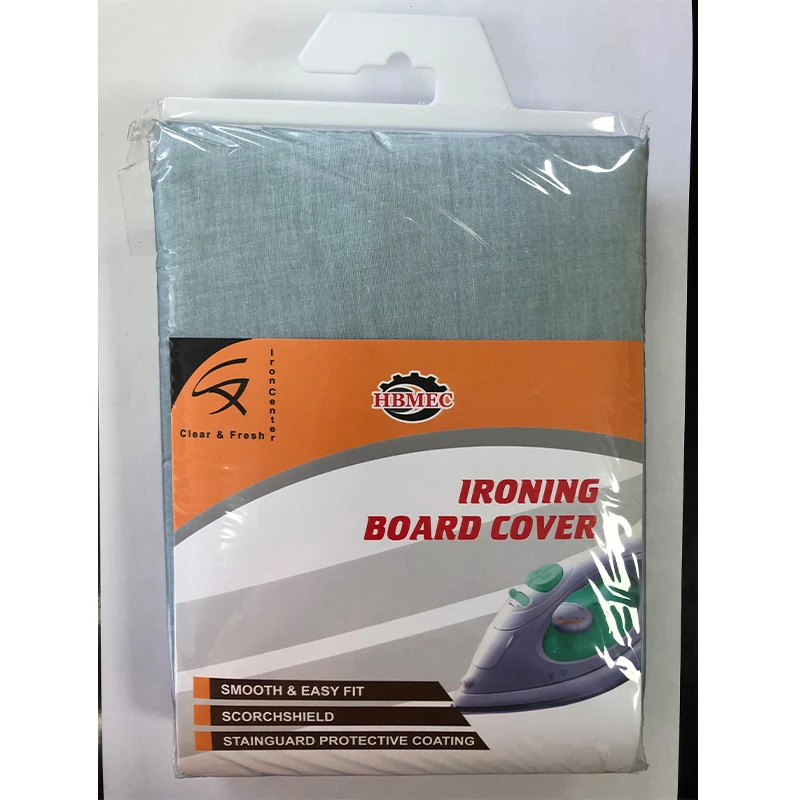
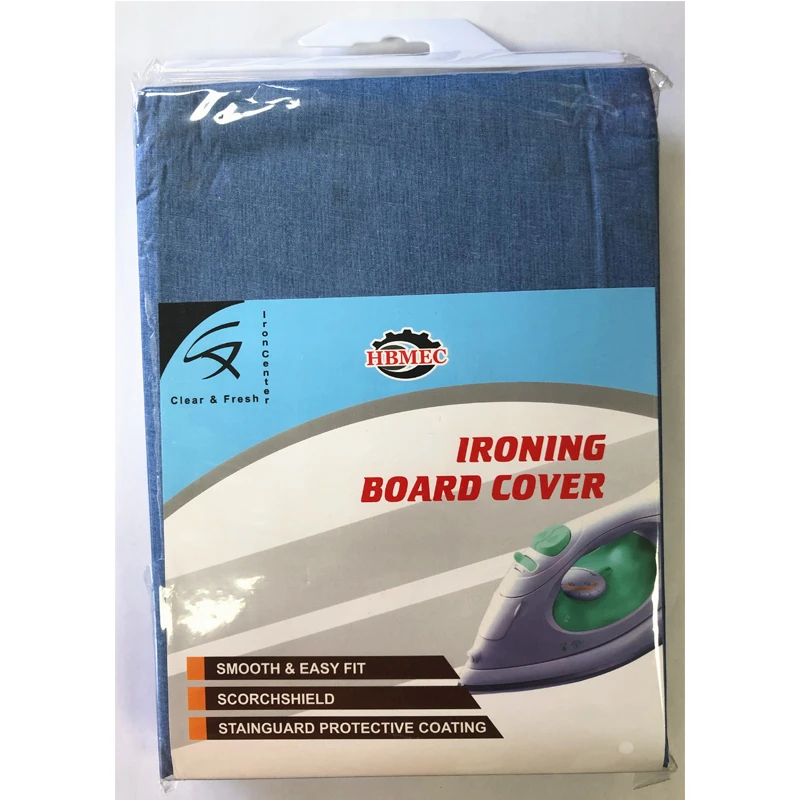
Simply put: a jumbo ironing board cover is a large, durable fabric cover designed to fit over oversized ironing boards. These boards are bigger than your average domestic ones, catering to garment factories, professional ironing services, and even large households or institutions. The cover acts as a surface that evenly distributes heat and steam, protects the board itself, and ensures smooth, crease-free ironing—especially for large or bulky items.
In industrial or humanitarian contexts, such as rehabilitation centers or disaster relief bases, where massive amounts of laundry get processed, these covers help maintain speed and quality. Oddly enough, they’ve also evolved with advances in materials science, incorporating heat-reflective coatings or silicone layers to optimize the ironing process and protect workers’ safety.
Mini takeaway:
- Think of the jumbo ironing board cover as the unsung hero in garment finishing—simple but crucial for performance and protection.
Key Features of an Effective Jumbo Ironing Board Cover
Durability and Heat Resistance
Given the frequent exposure to high temperatures and steam, the cover needs to resist wear and tear. Many modern covers use woven cotton treated with heat-reflective compounds or reinforced silicone layers. Some even meet ISO 13997 for thermal resistance, which might be surprising in such a niche product.
Size and Fit
A jumbo ironing board cover must fit snugly on large boards, ranging typically from 36” × 13” up to 60” × 18” or more. Loose fits cause slipping, which wastes time and risks errors. Elastic edges or adjustable cords help keep the cover taut.
Steam Permeability and Breathability
It might sound counterintuitive, but the best covers balance steam permeability so moisture escapes, preventing dampness buildup while enabling smooth ironing. Some use layered fabrics or special membranes to regulate vapor flow.
Cost Efficiency and Longevity
Initially, opting for a pricier cover might seem like an added expense, but in real terms, it translates to fewer replacements and reduced clothing defects, which saves money long-term.
Eco-Friendliness
Recent trends show growing demand for covers made from organic cotton, recycled fibers, or biodegradable coatings. Sustainability is no longer a buzzword but a deciding factor for procurement managers.
Vendor customization options
Many suppliers offer customization: adding heat-reflective layers, antimicrobial finishes, or branded logos tailored to client needs. This matters for industries wanting to combine functionality with marketing or safety standards.
Mini takeaway:
- Cover specs aren’t trivial—they directly influence output, energy use, and worker safety.
Global Applications & Use Cases of Jumbo Ironing Board Covers
From sprawling garment factories in Bangladesh to dry cleaning businesses in Europe, the need for jumbo ironing board covers is truly worldwide. In the hospitality industry—think hotels and cruise liners—a durable cover handles bulk linen smoothly, ensuring guests get crisp sheets every time.
In humanitarian efforts, like post-disaster relief operations managed by UN agencies or NGOs, the covers provide a hygienic ironing surface in makeshift laundry setups, helping restore dignity through clean clothing. Similarly, military bases and remote industrial zones use these boards and covers to maintain uniforms and gear in challenging environments.
Even luxury fashion houses emphasize the importance of these covers in their finishing salons to protect delicate fabrics during pressing — speed and precision matter.
Mini takeaway:
- The jumbo ironing board cover adapts across diverse sectors, from disaster relief to haute couture.
Advantages and Long-Term Value
In practical terms, these covers reduce wear on ironing boards, lower fabric damage, and can improve overall throughput by enabling faster, more consistent pressing. Emotionally, they provide peace of mind for workers who know their tools won’t fail mid-shift, and for managers who avoid costly rework or downtime.
Socially, sustainable cover choices contribute to less environmental waste, aligning with corporate social responsibility policies. And logically, investing in quality covers pays off by extending the ironing board life and reducing the frequency of costly replacements or repairs.
Typical Specifications of a Jumbo Ironing Board Cover
| Specification | Details |
|---|---|
| Material | Woven cotton with silicone heat-reflective coating |
| Sizes Available | 36"×13" to 60"×18" (custom sizes on request) |
| Heat Resistance | Up to 220°C (428°F) |
| Features | Elastic edging, steam permeable, antimicrobial finish (optional) |
| Lifespan | 12-24 months under normal industrial use |
Vendor Comparison: What to Look For
| Vendor | Customization | Material Quality | Price Range (USD) | Sustainability Features |
|---|---|---|---|---|
| HBME Textiles | High – custom sizes & coatings | Premium woven cotton + silicone | $50–$120 | Organic & recycled options |
| Global Iron Covers Inc. | Medium – limited size options | Standard cotton | $30–$80 | No special certifications |
| EcoPress Solutions | Low – standard sizes only | Recycled fibers blend | $40–$100 | Certified biodegradable |
Future Trends & Innovations Shaping Jumbo Ironing Board Covers
The textile and finishing industries increasingly focus on sustainability and smarter materials. Soon, you might see covers embedded with nanofibers that repel stains and moisture or even smart fabrics that signal when replacement is needed. Automation in ironing might also drive demand for covers compatible with robotic arms or smart presses.
Low-energy irons combined with high-efficiency covers can dramatically cut energy bills, aligning with ISO 50001 standards on energy management. A push for carbon-neutral textile finishing poses both a challenge and an opportunity for innovation.
Challenges and How to Overcome Them
One common challenge is finding covers that balance durability with breathability. Too dense, and moisture gets trapped; too thin, and coverage is compromised. Also, custom sizing can cause delays and cost spikes. The solution often lies in collaboration with suppliers offering adjustable systems or modular covers that fit a range of board dimensions.
Another hurdle: environmental impact. Many covers still use PVC-based coatings or non-recyclable elements. Thankfully, innovations in biodegradable or reusable materials are gaining traction.
FAQ: Common Questions About Jumbo Ironing Board Covers
- Q: What makes a jumbo ironing board cover better than standard covers?
A: Jumbo covers are sized for larger boards and usually have enhanced heat resistance and durability to handle industrial-scale pressing, resulting in efficiency and better fabric care. - Q: How often should I replace my jumbo ironing board cover?
A: Under industrial use, replacement is generally recommended every 12 to 24 months, depending on frequency and heat exposure. - Q: Are eco-friendly jumbo ironing board covers as durable as traditional ones?
A: Many eco-friendly covers now match or exceed durability standards by using organic cotton blends and innovative coatings, so they are increasingly reliable. - Q: Can I get customized covers to fit non-standard ironing boards?
A: Most reputable suppliers offer customization services to tailor covers by size, thickness, and special finishing features to fit unusual board specs.
Conclusion: Why Investing in a Jumbo Ironing Board Cover Is a Smart Move
Ultimately, the humble jumbo ironing board cover packs a punch far beyond its price and size. It’s essential for anyone serious about quality garment finishing—or needing a reliable, energy-efficient, and sustainable ironing setup. So if you want to cut defects, protect your boards, and keep your operation smooth — whether in textile factories, hotels, or relief camps — you really do want the right cover in place. Curious? Check out the options available at jumbo ironing board cover specialists and experience the difference.
Mini takeaway:
- Good covers are a small step with outsized benefits — cost-saving,环保-friendly, and peace of mind included.
References
-
Enhance Your Dining Space with a 52 by 70 tableclothNewsApr.16,2026
-
Choosing the Best Green Disposable Tablecloth for Your EventNewsApr.09,2026
-
Enhance Your Bedroom Decor with the Perfect Bedside Tablecloth GuideNewsApr.07,2026
-
Comprehensive Guide to Choosing the Perfect White Table Cloth Plastic for Your EventNewsApr.04,2026
-
Elevate Your Dining Space with a Stylish Modern Table CoverNewsMar.31,2026
-
Elevate Your New Years Celebration with the Perfect New Years Table ClothNewsMar.28,2026
-
Elevate Your Dining Experience with a Stunning Ocean TableclothNewsMar.26,2026