
Discover Durable & Eco-Friendly Non Drip Ironing Board Covers | HBME Textiles
The Quiet Revolution of the Non Drip Ironing Board Cover
At first glance, a non drip ironing board cover might not sound like something to write home about. But if you’ve ever dealt with pesky water dripping during ironing sessions — leaving your fabric damp, wrinkled, or worse, stained — you’ll immediately appreciate why this under-the-radar product is making waves worldwide. In a global marketplace increasingly concerned with efficiency, sustainability, and user satisfaction, understanding non drip ironing board covers unlocks not only better ironing experiences but aligns with broader environmental and industrial trends.
Why Does a Non Drip Ironing Board Cover Matter Globally?
Oddly enough, ironing boards and their covers are a tiny yet telling piece of the puzzle in household energy consumption and textile maintenance. The World Bank estimates that over 2 billion households globally own irons, translating into millions of ironing boards with covers in constant use. Conventional covers, especially those with poor water-resistant qualities, waste water and lead to inefficiencies in the ironing process — which, cumulatively, can drive up energy consumption.1
Furthermore, in regions with high humidity or where water quality is uneven, non drip ironing board covers prevent the seepage of moisture and mineral stains on clothing, extending the lifespan of garments. For textile industries and humanitarian agencies alike, these covers provide practical solutions to maintain clothing quality under challenging conditions.
Explore our selection of non drip ironing board coversWhat Is a Non Drip Ironing Board Cover?
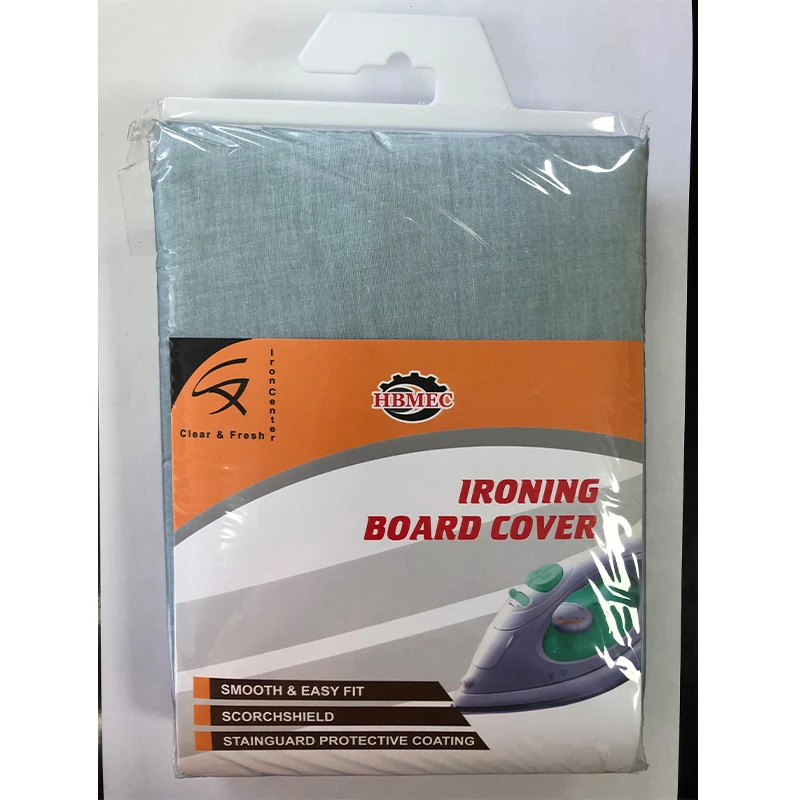
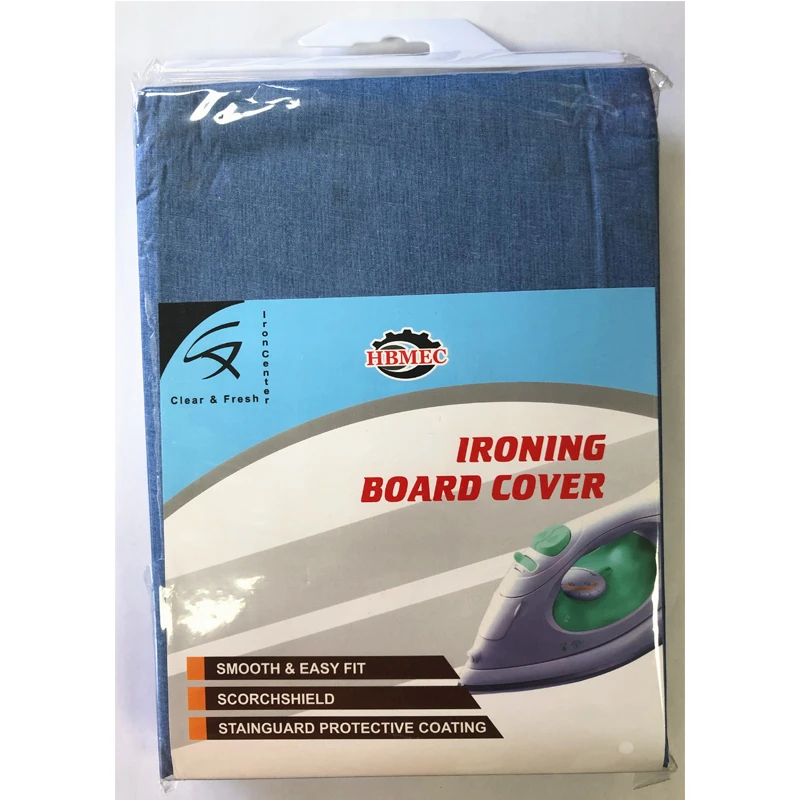
Simply put, a non drip ironing board cover is a specially designed textile layer that sits atop an ironing board, engineered to resist and prevent water or steam from leaking through during ironing. Unlike conventional covers, which often absorb water and let it drip through — leaving annoying spots and watermarks — non drip varieties utilize waterproof or water-resistant materials, combined with thermal insulation layers, to create a seamless barrier.
In practical terms, this means fewer interruptions, cleaner garments, and an ironing process that is far more efficient and less frustrating. Beyond homes, such covers find use in professional laundries, hotels, and industries where fabric care is not just convenience but a necessity.
Key Characteristics of an Effective Non Drip Ironing Board Cover
1. Durability & Heat Resistance
The ironing surface can get hot — often up to 220°C in some irons. Non drip covers use heat-tolerant fabrics (like cotton blends with silicone coatings or Teflon overlays) to survive daily wear and tear while resisting scorch marks or melting.
2. Water-Resistant Layering
This is the MVP feature. Layers of waterproof membranes, such as polyurethane laminates, stop water or steam condensate from trickling onto clothes or the board. It’s a mini engineering marvel, really.
3. Comfort & Thickness
It needs enough padding to ensure smooth ironing—usually foam or felt beneath the non drip layer—but not so thick as to make the board unstable or crinkly. Striking that balance is key for ease of use.
4. Ease of Maintenance
Washing ironing board covers is a pain — you want materials resistant to staining, and ideally, they shouldn’t stiffen or lose their water-resistant qualities after repeated cleaning.
5. Safety and Eco-friendliness
Modern covers often comply with ISO standards on flammability and unscented water-resistant coatings. Many brands now opt for non-toxic, eco-conscious materials, which is a huge plus amidst rising environmental awareness.
Mini takeaway:
Choosing a cover with these core traits ensures longevity, efficiency, and a much more pleasant ironing experience.
How Are Non Drip Ironing Board Covers Used Around the World?
Think of the sweltering monsoons of Mumbai, where humidity battles against dry Indoors, or the quick-turnover laundry services in European hotels that demand durability and efficiency. Non drip ironing board covers step into these settings to solve real problems.
- Industrial laundries: To handle massive loads without water damage on delicate fabrics.
- Disaster relief operations: NGOs provide portable ironing boards and covers to refugees, where water scarcity and hygiene are pressing concerns.
- High-humidity climates: Prevent ongoing moisture seepage to keep fabrics fresh longer.
- Commercial tailoring shops: Precision ironing matters — drip marks can ruin a suit or wedding dress.
These examples highlight an overlooked but vital product niche tied directly to economic efficiency and user dignity — even in extreme or resource-limited environments.
Advantages & Long-Term Value of Non Drip Ironing Board Covers
The benefits are multifaceted — and beyond the obvious no-drip advantage. The covers reduce clothing replacement rates with less water damage, decrease ironing time, and support energy conservation efforts by making heat use more effective.
On a social level, especially in humanitarian contexts, reliable ironing gear promotes clean, neat clothing — a tremendous dignity booster that can’t be overstated. Frankly, there’s an emotional layer here: a person’s appearance affecting confidence, work prospects, or social acceptance.
Product Specification Table
| Feature | Typical Specification |
|---|---|
| Material | Cotton with silicone coating + polyurethane laminate |
| Thickness | 5-8 mm foam + textile layers |
| Temperature resistance | Up to 230°C |
| Waterproof rating | IPX6 (high water resistance) |
| Washability | Machine washable, retains properties for 50+ wash cycles |
| Eco certifications | OEKO-TEX Standard 100 |
Comparing Leading Non Drip Ironing Board Cover Vendors
| Vendor | Materials Used | Durability (Years) | Price Range (USD) | Eco-Friendly Options |
|---|---|---|---|---|
| HBME Textiles | Silicone-coated cotton, polyurethane laminate | 4-6 years | $25 - $40 | Yes (OEKO-TEX certified) |
| IronGuard Co. | Teflon-based fabrics | 3-5 years | $28 - $45 | Limited |
| EcoPress Materials | Recycled cotton blend, natural latex coating | 2-4 years | $30 - $50 | Extensive (fully biodegradable) |
Looking Ahead: Future Trends in Non Drip Ironing Board Covers
Innovation isn’t just for flashy tech. The ironing industry is slowly but surely embracing advancements like:
- Nanotechnology coatings: Creating ultra-thin water repellents that don’t interfere with heat flow.
- Green materials: Using organic, biodegradable fabrics paired with natural waterproofing to reduce landfill waste.
- Smart textiles: Imagine covers that adjust thermal resistance based on iron temperature or humidity levels.
- Customization: Brands now let consumers order custom sizes, thicknesses, or branding elements, helping commercial clients.
These developments echo broader industrial trends toward sustainability, smart homes, and user-tailored products.
Challenges & Solutions in Using Non Drip Ironing Board Covers
Some users find it tricky to balance comfort and waterproofing — thicker covers can feel clunky or unstable, while thinner ones risk leaking. Another common complaint is that some covers stiffen or lose waterproofing after washing.
Manufacturers are answering with multi-layer laminates that remain flexible, and care instructions optimized for longevity. Also, some companies offer replacement parts or warranty for defects — because longevity really matters here.
FAQ: Practical Questions About Non Drip Ironing Board Covers
- Q: How does a non drip ironing board cover improve the ironing process?
- A: By preventing water or steam from leaking through, these covers help maintain dry, smooth fabric surfaces. This reduces spotting, lowers ironing time, and protects garment fibers from moisture damage.
- Q: Can I wash my non drip ironing board cover, or will it lose waterproof qualities?
- A: Most modern covers are machine washable up to moderate temperatures and retain their water resistance for 50+ wash cycles if you follow manufacturer instructions (gentle cycle, mild detergents recommended).
- Q: Are these covers eco-friendly?
- A: Increasingly yes. Look for products with OEKO-TEX certification or that use natural or recycled materials with non-toxic coatings. Some vendors specialize in biodegradable options.
- Q: How can commercial users select the right thickness or material?
- A: It depends on ironing volume and fabric types. Higher volumes benefit from thicker, more durable covers; delicate fabrics require smooth heat distribution. Vendors often offer consultation based on user needs.
- Q: Where can humanitarian organizations source reliable non drip ironing board covers?
- A: Organizations should seek vendors experienced with relief operations, offering durable, portable, and easy-to-clean covers. HBME Textiles, for example, provides tailored solutions and international shipping.
Wrapping Up: Why a Non Drip Ironing Board Cover Is Worth Your Attention
Passing on the stereotypical “boring staple” image, non drip ironing board covers combine clever materials science with practical benefits that ripple across households, industries, and humanitarian missions worldwide. It’s surprising how such a seemingly simple product can help save water, protect fabrics, and even boost confidence by keeping clothes spotless.
If you’re done with drip marks and soggy ironing, I warmly suggest diving into the world of quality non drip ironing board covers — and yes, visit our website to start your search with trusted products designed for real-world use.
References:
- World Bank Household Energy Use Statistics, 2023. data.worldbank.org
- OEKO-TEX Association, Textile Sustainability Standards, 2022. oeko-tex.com
- ISO 3795: Materials — Determination of burning behavior, 2018. iso.org
-
Enhance Your Dining Space with a 52 by 70 tableclothNewsApr.16,2026
-
Choosing the Best Green Disposable Tablecloth for Your EventNewsApr.09,2026
-
Enhance Your Bedroom Decor with the Perfect Bedside Tablecloth GuideNewsApr.07,2026
-
Comprehensive Guide to Choosing the Perfect White Table Cloth Plastic for Your EventNewsApr.04,2026
-
Elevate Your Dining Space with a Stylish Modern Table CoverNewsMar.31,2026
-
Elevate Your New Years Celebration with the Perfect New Years Table ClothNewsMar.28,2026
-
Elevate Your Dining Experience with a Stunning Ocean TableclothNewsMar.26,2026