
Non Slip Ironing Board Cover – Durable, Safe & Efficient Covers for Every Ironing Board
Non Slip Ironing Board Cover: The Unsung Hero of Laundry Rooms Worldwide
Ironing might not be the most glamorous chore, but ask anyone who’s ever dealt with a slipping ironing board cover—it's downright frustrating. A non slip ironing board cover isn’t just a laundry room luxury; it’s an essential component that prevents accidents, improves ironing efficiency, and extends the life of your board. Globally, as textile and hygiene standards rise, having a high-quality ironing board cover is more important than ever whether for domestic or industrial use.
Understanding these simple covers might seem trivial, but it’s about more than just fabric on a foam layer. It’s about safety, durability, and a smoother ironing experience. So, why do they matter globally? Especially in industries like garment manufacturing or humanitarian relief, where time and safety count, the right cover can be a game changer.
The Global Importance of Non Slip Ironing Board Covers
At first glance, an ironing board cover feels like such a niche product. However, the global garment industry, which employs over 60 million people as per ILO stats, relies heavily on efficient garment finishing processes. Ironing is crucial, and a slipping board can slow down production lines or even cause injuries.
In emerging markets across Asia and Africa, rapid industrial growth has increased demand for affordable yet durable ironing board solutions. Even in domestic contexts worldwide, consumers want safer, more reliable household products. The non slip ironing board cover addresses these needs by preventing dangerous slips and improving the ironing workflow.
Oddly enough, there’s more to it than meets the eye: related industries like hospitality and disaster relief (where temporary shelters need constant upkeep) often deploy ironing boards with non slip covers to maintain hygiene and garment quality under challenging conditions.
What Exactly Is a Non Slip Ironing Board Cover?
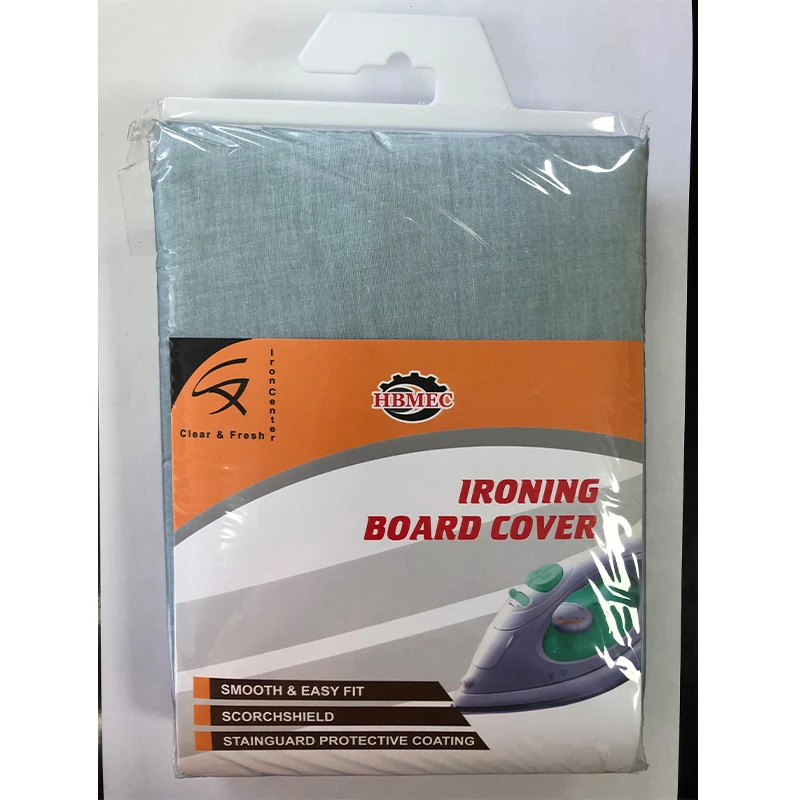
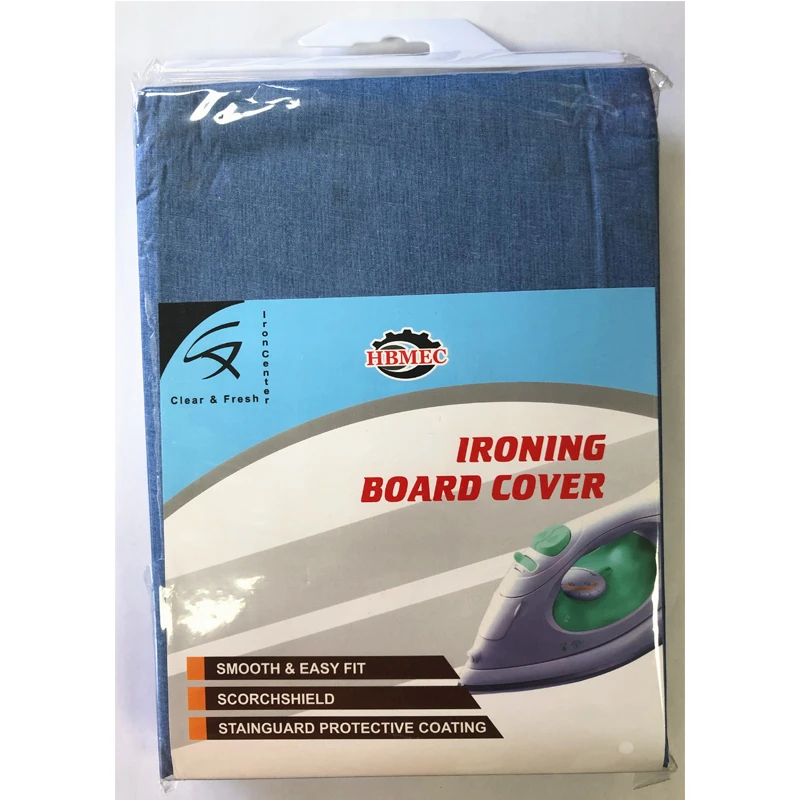
Put simply, it’s a specially designed fabric layer fitted over an ironing board that sticks firmly to prevent sliding or wrinkling. Most covers incorporate silicone dots, rubber backings, or textured weaves to create friction between the board surface and the cover itself.
These covers must balance heat resistance, durability, and smoothness — so your iron glides without catching yet stays firmly in place. In industrial settings, these covers often come with extra padding to withstand high-volume use.
More than just an accessory, they’re a practical solution enhancing safety and efficiency, making ironing quicker and less stressful.
Key Components That Make a Great Non Slip Ironing Board Cover
1. Material Quality & Heat Resistance
Most covers fuse cotton or heat-resistant polyester with special pads for thermal stability. This ensures the fabric can handle iron temperatures (sometimes up to 220°C) without scorching or deforming.
2. Non Slip Technology
This is the heart of the cover – whether it’s silicone dots on the underside or rubberized backings. It prevents movement on metal or wooden boards, which can be slippery or uneven. Some models use additional elastic borders to keep covers taut.
3. Thickness & Padding
Thicker covers offer better ironing quality by smoothing out board imperfections and providing a cushion for creases. Too thin, and the board’s shape shows through. Too thick, and heat transmission reduces.
4. Ease of Installation & Maintenance
You want covers that slip on easily and wash well without fading or shrinking. Quick drying and stain resistance are pluses, especially in commercial settings.
5. Size & Fit
Variety matters because boards come in all shapes. A snug fit is critical to prevent movement during ironing. Some manufacturers offer custom sizes or adjustable options.
Common Applications Worldwide
In Europe and North America, the highest demand is from households and dry cleaners who seek premium covers for daily iron use.
Asia’s garment hubs — think Bangladesh and Vietnam — rely on ultra-durable covers that handle long shifts. In harsh industrial environments, these covers reduce downtime and protect fabric quality.
Humanitarian NGOs working in remote post-disaster zones use portable ironing setups with non slip covers to manage clean clothing distribution, uplifting dignity and hygiene under tough conditions.
Incidentally, the hospitality sector universally values these covers to keep linens crisp and staff efficient.
Mini takeaway:
- A non slip ironing board cover is not just for neatness—it’s a practical tool improving safety and efficiency across industries.
- Its design specifics cater to diverse global needs, from households to large garment factories and humanitarian efforts.
Advantages & Long-Term Benefits
- Reliability: No more shifting covers equals fewer mistakes and less ironing time.
- Safety: Reduced risk of burns and accidents.
- Durability: High-quality covers last years, cutting down replacement costs.
- Sustainability: Some brands incorporate eco-friendly materials or production processes.
- User Comfort: Better padding means less wrist strain and smoother ironing.
Honestly, these benefits mix logic with emotional relief — imagine tackling your laundry without the tiny annoyances or hazards. For commercial customers, they foster trust and maintain workplace morale.
Product Specifications – Example Table
| Feature | Specification |
|---|---|
| Material | 100% Cotton with Silicone Dot Backing |
| Heat Resistance | Up to 220°C (428°F) |
| Thickness | 6mm padded foam layer |
| Fit | Elastic edges for universal fit (max 135cm length) |
| Care | Machine washable, colourfast |
Top Vendor Comparison
| Vendor | Material | Price Range | Special Features | Warranty |
|---|---|---|---|---|
| HBMEC Textiles | Cotton + Silicone Dots | $15–$25 | Eco-friendly dyes, custom sizing | 2 years |
| IronSafe Co. | Polyester & Neoprene | $10–$18 | Quick-dry tech, anti-stain finish | 1 year |
| SafeGlide | Cotton with Rubber Backing | $12–$22 | Extra thick padding | 18 months |
Looking Ahead: Future Trends & Innovations
Technology in ironing board covers might not seem headline-worthy, but it’s evolving. Manufacturers are exploring sustainable fabrics like organic cotton blends and recycled fibers.
Smart textiles that regulate heat or incorporate antibacterial treatments are on the brink of common use, especially in healthcare or hospitality. Automation in ironing factories also demands covers that can endure robot handling.
Digitally printing custom designs for branding or aesthetic appeal is also increasingly popular. And then there’s the push for locally sourced materials to reduce carbon footprints — all in all, it’s an interesting niche where innovation quietly simmers.
Common Challenges and Practical Solutions
One hurdle is finding covers that fit all ironing boards well — too loose and they slip; too tight and they ripple. The solution lies in adjustable, elasticated designs or custom fitting from vendors like HBMEC Textiles.
Another issue is maintaining heat resistance over time as coatings degrade. Choosing covers with tested materials against ISO heat standards helps.
Last but not least — cleaning non slip covers can get tricky. Manufacturers increasingly add stain-repellent finishes making routine care simpler.
FAQ: Common Questions About Non Slip Ironing Board Covers
Q1: How do non slip ironing board covers improve safety?
A1: They prevent the cover from moving during ironing, reducing the risk of accidents like burns or fabric slipping off the board. The enhanced grip means you don’t have to constantly readjust the cover or garments, leading to a safer and more comfortable ironing experience.
Q2: Can I use a non slip cover on any ironing board size?
A2: Most covers come with elastic edges designed to fit a wide range of board sizes. However, for uniquely shaped or oversized boards, selecting a custom-fitted cover ensures optimal performance and safety.
Q3: Are these covers heat resistant enough for professional use?
A3: Yes. High-quality non slip ironing board covers are tested to withstand ironing temperatures up to 220°C. Industrial-grade covers often have additional padding and heat-resistant materials specially designed for heavy-duty use.
Q4: How often should I replace my ironing board cover?
A4: Depending on usage, a quality cover can last 2–5 years. Frequent ironing or commercial environments might require more regular replacement to maintain non slip properties and heat resistance.
Q5: Is it difficult to clean these covers?
A5: Not at all. Many covers are machine washable and designed with stain-resistant fabrics, making maintenance easy. Always follow manufacturer care instructions to extend longevity.
In Conclusion: Why Invest in a Non Slip Ironing Board Cover?
Choosing the right non slip ironing board cover is a smart, long-term investment. It brings together safety, reliability, and comfort, whether you’re ironing a shirt at home or finishing thousands of garments in a factory. Plus, the growing attention to sustainability in textiles makes these covers more responsible choices too.
If you’re looking for trustworthy, high-quality covers designed for diverse needs, visit our website: HBMEC Textiles. It could be the small upgrade that makes a big difference in your ironing routine.
Sometimes, it’s these little details that change the game...
References
-
Enhance Your Dining Space with a 52 by 70 tableclothNewsApr.16,2026
-
Choosing the Best Green Disposable Tablecloth for Your EventNewsApr.09,2026
-
Enhance Your Bedroom Decor with the Perfect Bedside Tablecloth GuideNewsApr.07,2026
-
Comprehensive Guide to Choosing the Perfect White Table Cloth Plastic for Your EventNewsApr.04,2026
-
Elevate Your Dining Space with a Stylish Modern Table CoverNewsMar.31,2026
-
Elevate Your New Years Celebration with the Perfect New Years Table ClothNewsMar.28,2026
-
Elevate Your Dining Experience with a Stunning Ocean TableclothNewsMar.26,2026