
Durable and Sustainable Plain Ironing Board Covers | Quality Textile Care Solutions
Why a Plain Ironing Board Cover Matters More Than You Think
At first glance, the humble plain ironing board cover might seem like just a simple household accessory — a necessity to protect your ironing board and aid smooth pressing. But frankly, it’s a little more fascinating and globally relevant than most consumers realize. Understanding plain ironing board covers touches on practical benefits like durability and heat resistance, while also opening conversations about sustainability, cost-efficiency, and even humanitarian logistics.
Globally, millions rely on advanced textile solutions every day, and ironing board covers play a role in smoothing our daily routines. More so, the demand for reliable, quality covers spans households, laundries, tailor shops, hotels, and even disaster relief programs seeking efficient apparel maintenance. Quality covers keep fabrics safe, enhance ironing efficiency, and reduce wear-and-tear — small things with surprisingly big impacts.
Mini takeaway: The plain ironing board cover, though overlooked, safeguards fabric integrity, enhances heat distribution, and reflects broader concerns of material sustainability and practical convenience worldwide.
The Global Context: Why Plain Ironing Board Covers Are Part of a Larger Story
Did you know that the textile industry is the second-largest polluter globally, after oil? That means every piece of cloth, and everything related—including ironing equipment—has a part to play in the environmental footprint. While ironing board covers are tiny cogs in this vast industry, their materials and lifecycle contribute cumulatively.
Reports from bodies like the International Organization for Standardization (ISO) emphasize the importance of using quality materials to increase product durability while minimizing waste. Across Europe and the US, households throw out millions of worn-out ironing board covers annually, many made from synthetic materials posing recycling challenges. Developing plain ironing board covers from eco-friendly fabrics could mean less landfill volume in the future.
On the flip side, in regions where clothing care is vital for professional presentation—like hospitality hubs in Asia or healthcare uniforms in Africa—reliable ironing board covers improve garment longevity and care standards. So, the impact isn’t just environmental but economic and social too.
Mini takeaway: Intersecting environmental concerns and industry uses make plain ironing board covers a surprisingly integral part of textile sustainability and global fabric maintenance.
What Exactly Is a Plain Ironing Board Cover?
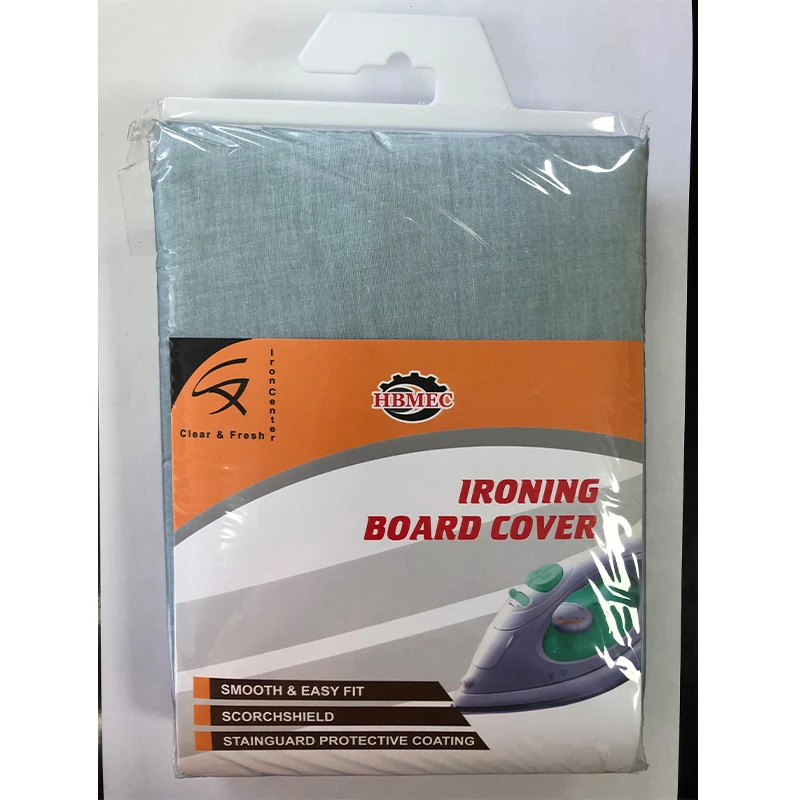
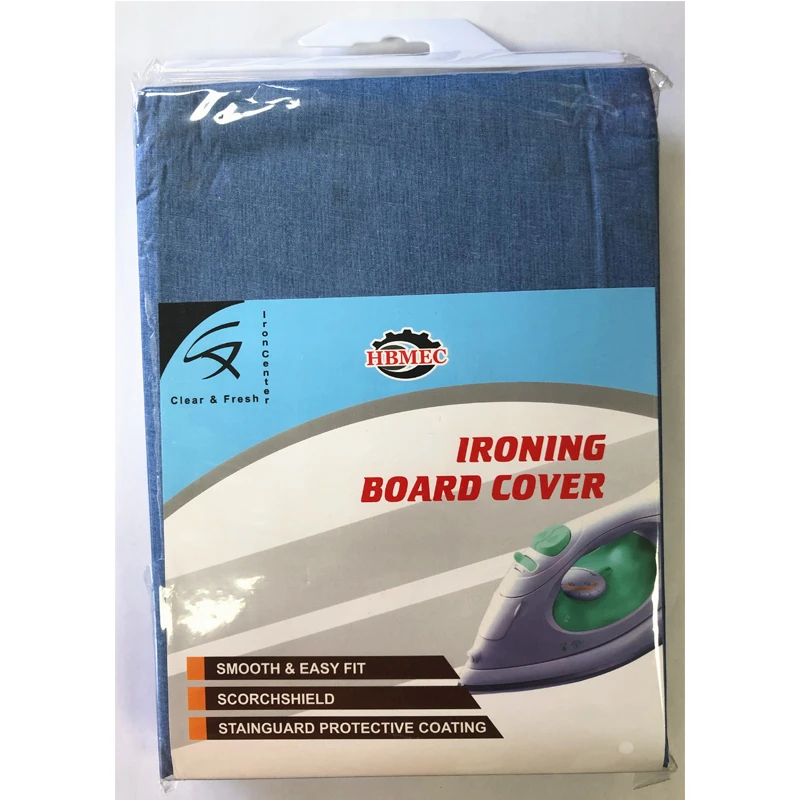
Simply put: a plain ironing board cover is a fabric sheet designed to wrap over an ironing board’s surface, providing a smooth, padded, and heat-resistant workspace for pressing clothes. “Plain” here refers to a design free from patterns or print, focusing on minimalist looks and sometimes reflecting preferences for ease of matching or cleaning.
These covers typically consist of a combination of cotton, polyester, and heat-reflective layers. Their role is twofold: protect the ironing board's surface from scorch marks and distribute the iron's heat evenly for wrinkle-free finishes. Fancy covers may have silicon or reflective foil layers built inside to boost efficiency.
In industrial setups, like laundry services or costume departments, plain covers are preferred for their neutrality—they don’t distract during detailed work and can be standardized easily across equipment.
Mini takeaway: A plain ironing board cover is more than a fabric wrap; it’s a tool enhancing ironing quality, protecting both board and clothes.
Key Features That Make a Good Ironing Board Cover
1. Durability & Heat Resistance
High-quality covers resist repeated exposure to heat without degrading or discoloring. Multi-layered covers with thermal padding offer protection up to 220°C (428°F), ensuring the board beneath doesn’t warp and your ironing remains effective. Durability also means less frequent replacements — a win for wallets and the environment.
2. Fabric & Padding Material
Cotton blends provide softness and breathability, while blends with polyester add strength and wrinkle resistance to the cover itself. Silicone or foam padding helps smooth out lines and absorb heat. Oddly enough, some manufacturers now use recycled fibers to reduce waste without sacrificing performance.
3. Fit & Attachment Style
Good covers come with elasticized edges, drawstrings, or Velcro straps to fit snugly on boards of various sizes. A loose cover can disrupt ironing quality, making this an often overlooked but crucial detail.
4. Ease of Cleaning
Regular use attracts starch, burns, and perspiration stains. Machine washable covers that dry quickly are favored for maintenance ease. Some even offer stain-resistant coatings to prolong lifespan.
5. Cost Effectiveness
While premium covers cost more upfront, their longevity and performance make them cost-effective in the long run compared to cheap, disposable covers. This balance is vital for both households and commercial users.
Mini takeaway: When choosing a plain ironing board cover, prioritize heat resistance, durable materials, secure fit, and cost-to-longevity ratio for best results.
Product Specification Table
| Feature | Specification |
|---|---|
| Material | 80% Cotton / 20% Polyester blend |
| Padding | 4mm Foam heat-insulation layer |
| Heat Resistance | Up to 220°C / 428°F |
| Attachment | Elastic edge with adjustable drawstring |
| Color | Plain white / Off-white / Grey options |
| Care | Machine washable, quick-dry |
How Plain Ironing Board Covers Are Used Across the Globe
From home kitchens to large-scale laundry operations, plain ironing board covers are everywhere.
- Households: Basic ironing comfort and protection remain paramount. Families in Europe and the US often change covers every 1-2 years.
- Hotels and Hospitality: Uniform presentation is key. Smooth, reliable covers speed up ironing, ensuring crisp uniforms and linen.
- Tailoring and Textile Industries: Precision ironing needs a faultless surface, so durable, heat-resistant covers are preferred.
- Humanitarian & Disaster Relief: NGOs operating in remote areas often equip mobile laundry and clothing care stations with simple, easy-to-clean covers to maintain hygiene and morale.
- Commercial Laundries: Usage is intense; standardized covers help maintain consistent service quality over thousands of pressing cycles.
Mini takeaway: The plain ironing board cover is a surprisingly versatile product found in diverse contexts worldwide, serving both everyday and critical needs.
Advantages That Outlast the Usual Wear & Tear
Talk about long-term value — a good ironing board cover isn’t just a quick fix.
- Cost Savings: Durable covers mean fewer replacements, saving money and reducing waste. Industrial laundries have reported up to 25% savings on ironing board maintenance costs after upgrading to high-grade covers.
- Sustainability: Some brands now use recycled cotton or bamboo fibers, reducing environmental impact.
- Social Impact: For NGOs and charities, reliable covers help improve sanitation and clothing care standards in vulnerable communities, supporting dignity and health.
- Ease of Maintenance: Washable, stain-resistant, and quick-dry designs save time and effort.
- Trust & Reliability: Knowing your ironing surface won’t scorch saves frustration and injury risk.
Mini takeaway: Beyond fabric and fit, plain ironing board covers represent sustainability, economic sense, and reliable garment care.
Looking Ahead: Future of Plain Ironing Board Covers
Innovation isn’t just for smartphones. The plain ironing board cover industry is quietly moving towards eco-friendly fibers, nanotechnology coatings for stain and heat repellency, and integration of smart textiles that can indicate wear or temperature zones.
Likewise, automation in laundry services demands covers that last longer and withstand industrial presses and steamers. Some vendors are even experimenting with antimicrobial fabrics — ideal for hospital or hospitality use, where hygiene is paramount.
In alignment with global green initiatives (as supported by the United Nations Climate Change Program), adopting sustainable production methods and certifications is on the rise, with the aim to reduce carbon footprints at every stage.
Mini takeaway: Sustainable, smart, and durable are the future — an exciting niche fusion of traditional needs with advanced materials science.
Common Challenges & Practical Solutions
Plain ironing board covers occasionally face issues with fit, especially for non-standard or older board shapes. A loose cover frustrates the user and undermines ironing efficiency.
Material degradation under constant heat and starch buildup also shortens lifespan. A few tips to solve these:
- Opt for adjustable-sized covers with elastic or drawstring mechanisms.
- Use covers with washable and stain-resistant layers to maintain cleanliness.
- Rotate covers in commercial environments to reduce wear on one single unit.
- Prefer certified eco-friendly materials that resist degradation better.
Mini takeaway: Many ironing problems are fixable with the right cover choice and timely maintenance.
FAQ: Your Plain Ironing Board Cover Questions Answered
- Q: What makes a plain ironing board cover better than patterned or printed ones?
- A: Plain covers offer neutrality, easier detection of stains, and often come in simpler, more durable fabric blends designed purely for function rather than decor.
- Q: How often should I replace my ironing board cover?
- A: For regular household use, replacement every 1-2 years is common. Commercial setups may require changes every 6 to 12 months depending on intensity.
- Q: Can I use a plain ironing board cover for heavy-duty industrial pressing?
- A: Yes, but make sure the cover is specifically designed for high heat resistance and reinforced padding, as typical home covers may not withstand industrial steamers.
- Q: Are eco-friendly ironing board covers effective?
- A: Absolutely — many use natural fibers and recycled materials without compromising heat resistance or durability. They also reduce landfill waste.
- Q: Where can I buy quality plain ironing board covers?
- Look for reputable vendors specializing in textile home accessories and commercial laundry suppliers. Checking industry certifications and customer reviews is a good start.
Vendor Comparisons: Choosing the Right Supplier
| Vendor | Material Quality | Price Range | Sustainability | Customization Options |
|---|---|---|---|---|
| EcoPress Textiles | Organic cotton blend | $$$ | High (Cert. GOTS) | Custom sizing & color |
| InstaCover Supplies | Standard cotton/polyester | $ | Low | Limited sizes |
| ProIron Equipment | Heavy-duty multi-layer fabric | $$ | Medium (partial recycled content) | Custom padding thickness |
Wrapping Up: Why Investing in a Plain Ironing Board Cover Makes Sense
Ultimately, the plain ironing board cover is one of those silent heroes in the realm of textile care. It supports heat distribution, fabric protection, and even environmental goals when chosen wisely. Whether you’re an individual seeking a better daily ironing experience or a large commercial operator seeking consistent, durable covers, the right product offers tangible, long-term value.
If you’re curious to explore premium options or want to dive deeper into materials and uses, visit plain ironing board cover supplier pages to learn more and find your ideal fit.
After all, it’s not just about looking neat on paper — or clothes, really — it’s about smoothing out life’s little wrinkles with a smart, sustainable touch.
References
-
Enhance Your Dining Space with a 52 by 70 tableclothNewsApr.16,2026
-
Choosing the Best Green Disposable Tablecloth for Your EventNewsApr.09,2026
-
Enhance Your Bedroom Decor with the Perfect Bedside Tablecloth GuideNewsApr.07,2026
-
Comprehensive Guide to Choosing the Perfect White Table Cloth Plastic for Your EventNewsApr.04,2026
-
Elevate Your Dining Space with a Stylish Modern Table CoverNewsMar.31,2026
-
Elevate Your New Years Celebration with the Perfect New Years Table ClothNewsMar.28,2026
-
Elevate Your Dining Experience with a Stunning Ocean TableclothNewsMar.26,2026