
Personalized Ironing Board Covers: Benefits, Trends, and Buying Guide
Why Personalized Ironing Board Covers Are More Relevant Than You Think
At first glance, a personalized ironing board cover might seem like a simple household accessory. But dig a little deeper, and it turns out these covers play a surprisingly crucial role not only in our daily lives but also across various industries worldwide. Understanding the nuances of personalized covers — their materials, functionality, and adaptability — can unlock benefits ranging from improved fabric care to sustainable manufacturing methods.
Especially in today’s global textile industry, which is valued at trillions of dollars and deeply intertwined with fast fashion and sustainability movements, the humble ironing board cover is no longer just about aesthetics or protection. It’s an engineered product that balances practical durability with consumer needs. And those needs, mind you, are shifting quite rapidly. Pretty compelling for something often overlooked, right?
The Global Context: Why Personalized Ironing Board Covers Matter Today
Let’s talk big picture: The global textile care market, which includes ironing accessories, is projected to exceed several billion dollars within the next decade. According to ISO standards on textile care, ironing improves not just the look but the longevity of garments — saving resources in the long run. But here’s the rub: generic ironing board covers often fail in high-demand environments, resulting in uneven heat distribution or fast wear and tear. This is where personalization matters.
Whether it’s commercial laundries in Europe, garment factories in Southeast Asia, or home users in North America, having an ironing board cover crafted or tailored to specific dimensions, materials, and heat resistances is increasingly important. The World Bank has reported that improving operational efficiency in the textile sector can reduce waste substantially. Personalized ironing board covers fit neatly into that puzzle — optimizing ironing quality and reducing fabric damage.
Frankly, with the sharp rise of bespoke fashion and home care, these covers don’t just shield the board; they become a vital part of sustainable fabric maintenance.
What Exactly Is a Personalized Ironing Board Cover?
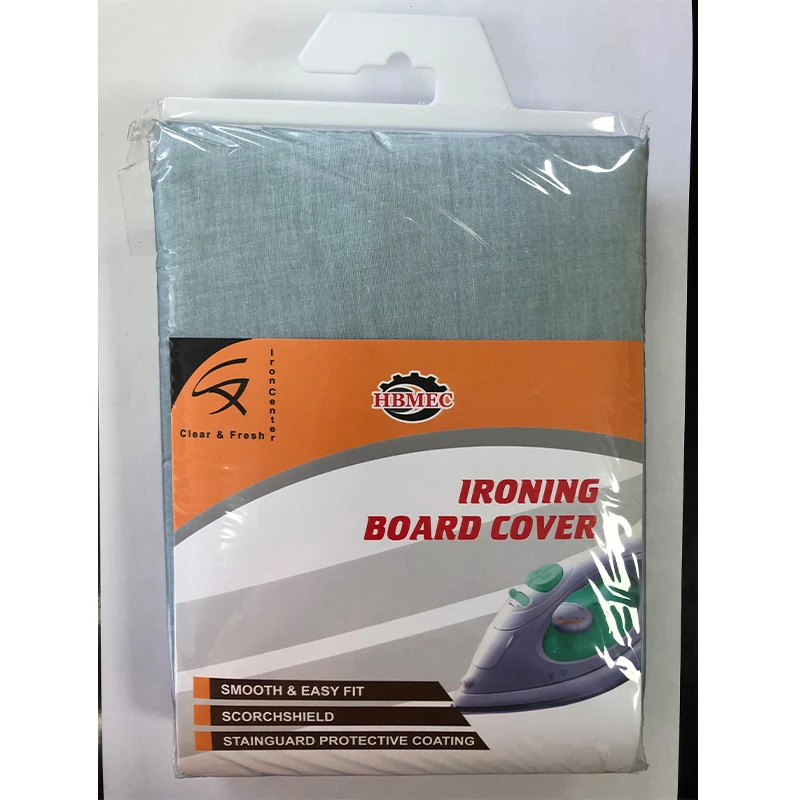
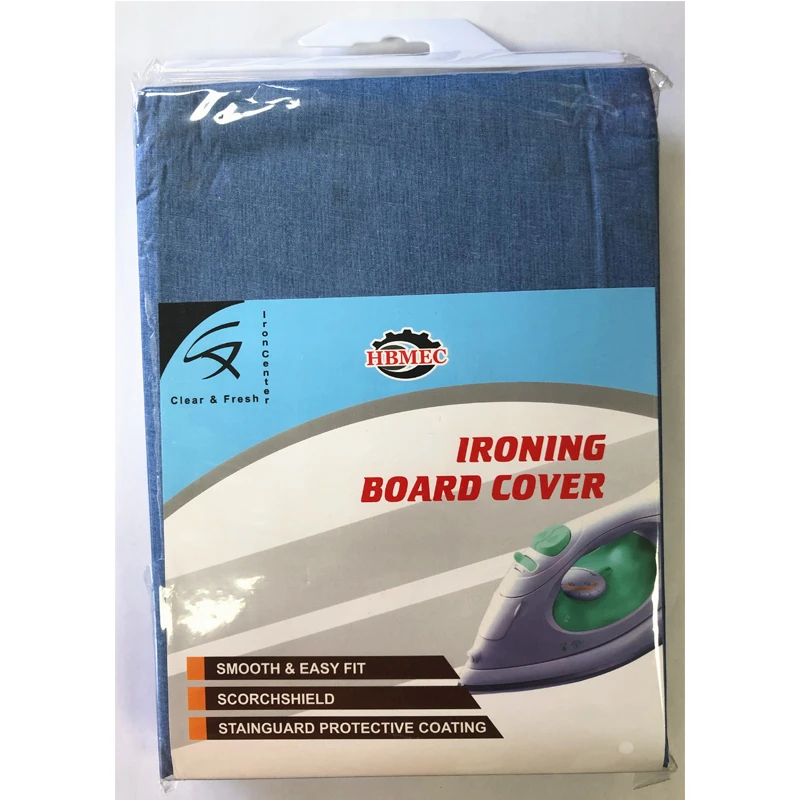
Put simply, a personalized ironing board cover is a fabric or material overlay designed specifically for an ironing board’s unique dimensions and intended use. Unlike off-the-shelf covers, personalized options take into account variables such as board shape, thickness, and intended heat settings. Sometimes the personalization extends to surface texture – such as cotton, silicone-coated layers, or reflective foils – to optimize heat distribution.
In industry terms, it’s a small but tailored textile solution, blending craftsmanship with function. Outside home use, these covers often appear in commercial settings where fabric care precision counts, like dry cleaners or clothes manufacturers. Some NGOs even bring them into relief operations where quick clothing repairs are necessary, underscoring both a humanitarian and technical side.
Core Components of a Good Personalized Ironing Board Cover
1. Material Quality
Durability and heat resistance are the name of the game. Popular materials include cotton, felt underlays, silicone coatings, and aluminized foils. Each offers different thermal characteristics and longevity. High-grade cotton covers paired with felt pads absorb moisture and distribute heat evenly — a must for professional fabric care.
2. Fit & Dimensions
Precision fit isn’t just about looks; it enhances safety and ironing efficiency. Ill-fitting covers bunch or slip, leading to uneven pressure and fabric damage. Measuring the board carefully ensures a snug, taut fit which makes all the difference during long ironing sessions.
3. Heat Reflectivity & Distribution
Some personalized covers incorporate reflective materials that bounce heat back into the fabric, allowing faster, more even pressing. This means less time and energy spent — a subtle, yet impactful efficiency booster.
4. Quick Installation & Maintenance
Elasticized edges, drawstrings, or hook-and-loop fasteners make covers easy to install and remove. This isn’t trivial; in commercial contexts, time saved during turnover translates directly to productivity gains.
5. Aesthetic Customization
Many users — whether households or businesses — appreciate personalized prints, logos, or colors. This adds a brand touch, or simply personal flavor, to a functional item.
Real-World Applications of Personalized Ironing Board Covers
- Garment Manufacturing: Precision ironing boards with specialized covers ensure that fabrics are not only wrinkle-free but that fibers stay intact during mass production.
- Commercial Laundry Services: Durable, heat-reflective covers speed up ironing, improving turnaround times and energy savings in laundromats.
- Home Use: Customized covers fit older, uniquely shaped boards, renewing their usefulness and protecting fabrics better.
- Relief & NGO Operations: In post-disaster areas, portable ironing kits with tailored covers help maintain clothing hygiene and dignity.
For example, in South Asia’s textile hubs, production lines deploy personalized covers that tolerate industrial steam irons. Meanwhile, some European eco-conscious laundries use covers made from recycled cotton blends — showing innovation at every stage.
Advantages & Long-Term Value of Personalized Ironing Board Covers
On paper, the benefits are straightforward: Reduced fabric damage, better heat efficiency, and extended product lifespan. But then there’s the emotional value — think safety, dignity, and trust. A crinkled shirt can ruin a day, sure, but a smooth, well-pressed garment supports confidence and professionalism.
Environmentally, covers tailored to use less energy and last longer reduce overall waste — quite in line with UN Sustainable Development Goals about responsible consumption (reference: UN SDG 12). Plus, businesses report fewer downtime interruptions and cost savings due to less frequent replacements.
| Feature | Benefit |
|---|---|
| Durable Materials | Long-lasting, reduces replacement frequency |
| Custom Fit | Prevents fabric slip and damage |
| Reflective Surfaces | Improves ironing speed and energy use |
| Easy Installation | Saves time in busy operations |
| Branding Options | Adds a professional or personal touch |
Looking Ahead: Trends and Innovations Shaping Personalized Ironing Board Covers
It feels like the future will hold lighter, more sustainable, and smarter materials. New tech is enabling covers that can monitor ironing temperature or even change their reflectivity on demand. Green energy policies are pushing production toward recycled fabrics and low-impact dyes. Plus, digital customization tools mean you can order with exact specifications — no guesswork involved.
Moreover, automation in garment manufacturing requires ironing boards that keep up with high-speed workflows, demanding covers that tolerate harsher conditions without losing function.
Common Challenges and How Experts Suggest Overcoming Them
Some hurdles remain. For instance, finding the perfect balance between durability and affordability can be tricky. Some materials that last longer might raise production costs. Also, custom sizing requires accurate measurement skills, and small errors can undermine the whole product's function.
Experts advise investing in digital measurement tools and modular designs that accommodate slight size variations. Using layered materials, combining silicone and cotton, can extend durability without a large price jump.
Frequently Asked Questions About Personalized Ironing Board Covers
- Q: How do I know if my ironing board cover really fits my board?
- A: Measure your board’s length, width, and thickness precisely. Compare with the cover specs. Remember to account for any padding or extra layers. Some vendors provide measurement guides or offer custom cutting services.
- Q: Can a personalized ironing board cover save me money in the long run?
- A: Yes — by protecting fabrics more effectively and lasting longer, they reduce the need for ironing repairs or board replacements. Energy-efficient designs also cut electricity use, saving money over time.
- Q: Are personalized covers eco-friendly?
- A: They can be, especially if made with recycled fabrics or natural fibers. Look for certifications like OEKO-TEX or GOTS to ensure sustainability standards are met.
- Q: Where can businesses order personalized covers in bulk?
- Many manufacturers specialize in bulk orders tailored to industrial or commercial needs. Contact certified vendors who provide samples and fabrication specs to ensure fit and performance.
Vendor Comparison: Choosing the Right Personalized Ironing Board Cover Supplier
| Vendor | Customization Options | Material Quality | Lead Time | Price Range |
|---|---|---|---|---|
| HBMEC Textiles | Tailor-fit, printed logos | Premium cotton + silicone layers | 2-3 weeks | Mid to high |
| TechIron Covers | Standard sizes, limited colors | Cotton blend | 1-2 weeks | Budget |
| EcoPress Fabrics | Custom sizes, eco-friendly prints | Recycled cotton & hemp blends | 3-4 weeks | Mid |
Conclusion: Why You Should Consider a Personalized Ironing Board Cover Today
In short, investing in a personalized ironing board cover isn’t just a functional choice — it’s a sustainable, cost-effective, and sometimes even transformative one. Whether you run a busy laundry, a fashion workshop, or just want to elevate your home setup, a custom cover enhances ironing performance and garment care. It’s one of those small upgrades that ripple outward, saving time, energy, and maybe even a bit of sanity.
So if you’re thinking about upgrading your ironing board, why not personalize? There’s more to it than meets the eye.
Visit HBMEC Textiles for a wide range of customizable, quality covers designed to meet your unique needs.
-
Enhance Your Dining Space with a 52 by 70 tableclothNewsApr.16,2026
-
Choosing the Best Green Disposable Tablecloth for Your EventNewsApr.09,2026
-
Enhance Your Bedroom Decor with the Perfect Bedside Tablecloth GuideNewsApr.07,2026
-
Comprehensive Guide to Choosing the Perfect White Table Cloth Plastic for Your EventNewsApr.04,2026
-
Elevate Your Dining Space with a Stylish Modern Table CoverNewsMar.31,2026
-
Elevate Your New Years Celebration with the Perfect New Years Table ClothNewsMar.28,2026
-
Elevate Your Dining Experience with a Stunning Ocean TableclothNewsMar.26,2026