
Discover the Benefits of Personalised Iron Board Covers for Home and Industry
The Subtle Power of Personalised Iron Board Covers in Everyday and Industrial Use
At first glance, a personalised iron board cover might seem like a simple household accessory, but globally, its relevance stretches far beyond just aesthetics or a neat fit. This little textile, custom-fit for your ironing board, can significantly transform ironing efficiency, fabric longevity, and even impact sustainability efforts around the world. As modest as it appears, understanding the nuances of personalised iron board covers opens up surprising benefits, from improved heat distribution to adaptable designs for industrial pressing – a niche that's quietly evolving as we speak.
Setting the Stage: Why Personalised Iron Board Covers Matter Globally
The market for ironing accessories is creeping upwards quietly, yet steadily. According to industry studies, fabric care and maintenance products have seen a 4.5% global growth annually in recent years, fueled by increased textile consumption and a rising focus on garment longevity (Source: ISO Textile Care Guidelines, 2022). But here's the catch: ironing boards, and their covers, are seldom one-size-fits-all. The challenge? Standard covers can warp with heat, wear unevenly, or fail to suit different ironing needs – from delicate silks to heavy denim.
Introducing personalised iron board covers tackles this head-on by catering to specific board sizes, preferences, and ironing habits. In industries where uniform appearance and fabric integrity matter — think hospitality, fashion, or manufacturing — the right cover can mean fewer ruined shirts and less wasted energy. In humanitarian contexts, as odd as it sounds, durable and tailored ironing setups aid in maintaining cleanliness and professional presentation, improving dignity in shelters or temporary housing.
What Exactly Is a Personalised Iron Board Cover?
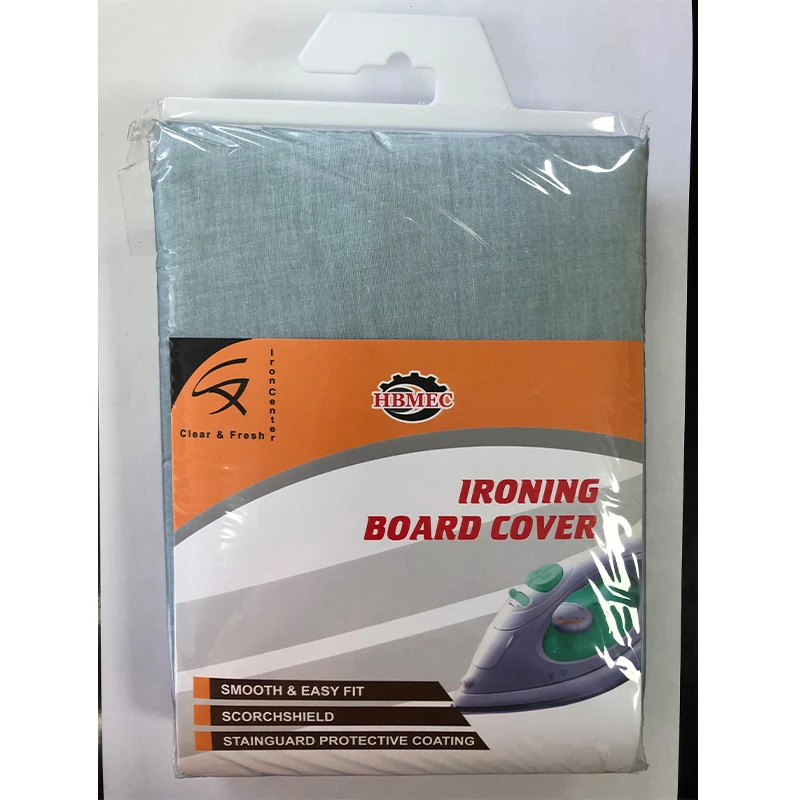
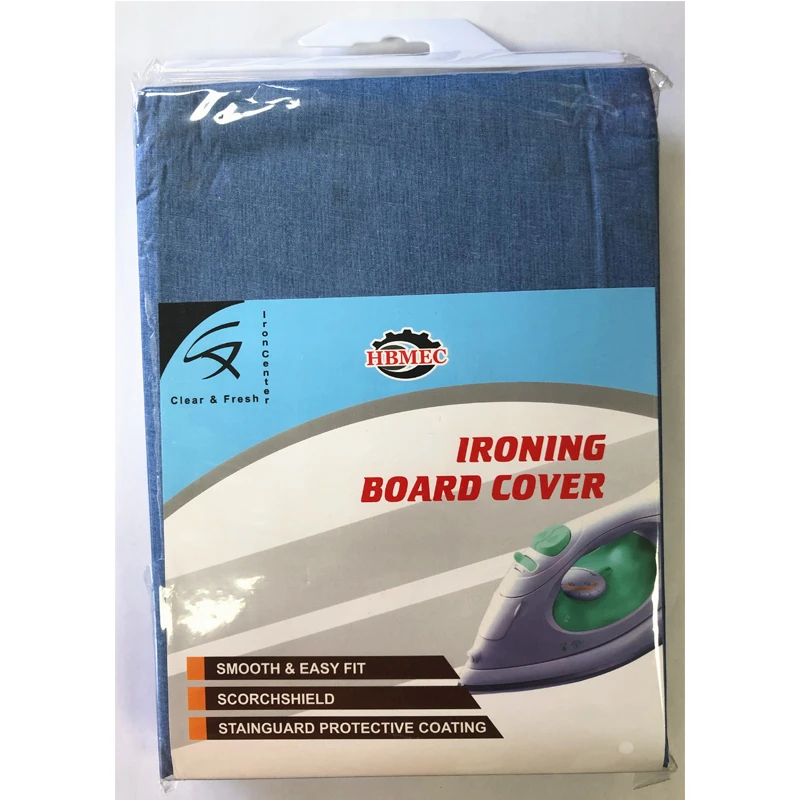
Simply put, a personalised iron board cover is a custom-sized, often custom-designed fabric layer placed over an ironing board to optimize ironing performance. Unlike the generic, off-the-shelf covers, these are crafted to precisely fit the contours and size of a particular board, sometimes enhanced with specialized materials like heat-reflective foil, extra padding, or vapor permeability layers.
Modern manufacturing techniques have enabled this tailoring, incorporating durable fabrics, fire retardants, and even eco-friendly composites. It’s a small innovation that links household utility to broader industrial and humanitarian needs by improving ironing comfort, safety, and efficiency.
Four Critical Components That Define Personalised Iron Board Covers
1. Material Quality and Thickness
From a thin cotton layer to several layers of cotton, foam, and heat-reflective foil, the material combo defines heat distribution and durability. A 100% cotton cover is breathable but wears faster, whereas multi-layer covers offer better padding and heat bounce-back, speeding up ironing and reducing fabric scorch.
2. Fit and Elasticity
Customised covers come with high-elasticity edges or adjustable straps, ensuring the cover clings tightly without wrinkles that hinder ironing. Oddly enough, a loose cover can add minutes to ironing time—time many professionals wish they could reclaim.
3. Heat Reflective Layers
Many personalised covers feature a heat-reflective foil layer underneath the top fabric, bouncing heat back through the garment to quicken the process. This is particularly valued in industrial pressing setups where time efficiency counts seriously.
4. Safety Features
Fire-retardant treatments make these covers safer by reducing ignition risk during prolonged use. Some covers also incorporate vapor-permeable membranes to prevent steam buildup, prolonging both cover and ironing board life.
Mini takeaway: A personalised iron board cover blends form and function, improving ironing performance through a mix of tailored fit, durable materials, and safety features.
Where in the World Are Personalised Iron Board Covers Making a Difference?
These covers have quietly woven their way into diverse sectors globally:
- Hospitality and Textile Industries: Hotels and garment factories in Europe and Asia invest in customised covers to maintain uniform fabric appearance while speeding up laundering cycles.
- Humanitarian Relief: Organizations operating in refugee camps in Africa employ durable, customised ironing solutions to uphold hygiene and dignity by reducing garment wear.
- Domestic Markets: In North America and Australia, rising consumer interest in home care products has spurred personalised options as gifts or lifestyle upgrades.
- Remote Industrial Zones: In areas lacking steady power or with harsh conditions, covers with insulating and steam-venting properties protect expensive ironing boards for longer.
Mini takeaway: Customisation serves local needs—from luxury hotels to makeshift shelters—reinforcing how a simple product adapts worldwide.
Advantages and Long-Term Value of Personalised Iron Board Covers
Honestly, many overlook ironing covers as trivial. But the right cover means:
- Cost Savings: Less fabric damage and fewer replacements.
- Energy Efficiency: Faster ironing means less electricity use and lower bills.
- Sustainability: Durable materials reduce waste; some even use recycled or organic fabrics.
- Safety First: Fire retardancy safeguards homes and workplaces.
- Emotional Satisfaction: A perfectly fitted cover turns ironing from a chore to a rewarding experience.
And there’s an oddly satisfying feeling in folding clothes off a crisply ironed, unwrinkled shirt — all made easier by that modest, personalised textile that often goes unnoticed.
Future Trends and Innovations on the Horizon for Personalised Iron Board Covers
The ironing accessory world is slowly embracing tech and eco-awareness:
- Smart Covers: Embedded temperature sensors warn against overheating or fabric damage.
- Eco-Friendly Textiles: Biodegradable and sustainable fibers from bamboo, organic cotton, or recycled polyester.
- Advanced Coatings: Anti-bacterial, water-repellent, and even stain-resistant layers that enhance cleanliness.
- Digital Customization: Online platforms where users can specify exact dimensions and design preferences, linking directly to manufacturing.
These trends suggest ironing—and the humble cover—will evolve beyond utility towards a blend of sustainability and smart convenience.
Challenges Facing Personalised Iron Board Covers and Approaches to Overcome Them
Like any product, some hurdles linger:
- Cost vs. Accessibility: Custom covers can be pricier than generic ones. Bulk manufacturing and digitized orders are helping lower costs.
- Material Wear: Even high-quality fabrics degrade—ongoing research into nano-enhanced, longer-lasting textiles offers promise.
- Consumer Awareness: Many users don’t see the value in upgrading covers. Brands investing in education and demos see higher adoption.
- Fitting Odd Sizes: Less common boards can pose fitting challenges; adjustable designs and universal fit technologies are improving.
Innovative manufacturers and retailers are responding by blending affordability with customization options and broadening educational outreach.
Product Specifications at a Glance
| Feature | Specification |
|---|---|
| Materials | Cotton, Heat-reflective Foil, Foam Padding |
| Thickness | 5-8 mm (multi-layer) |
| Fit | Customized per board size with elastic edges |
| Special Features | Fire retardant, Vapor permeable, Heat reflective |
| Lifespan | 2-5 years (dependent on use and care) |
Vendor Comparison: Picking Your Best Personalised Iron Board Cover Supplier
| Vendor | Customization Options | Price Range | Eco-Friendly Materials | Lead Time |
|---|---|---|---|---|
| HBMEC Textiles | Full dimension & fabric customization, branding options | $$ | Yes, organic cotton and recycled fibers | 2-3 weeks |
| IronEase Ltd. | Preset sizes, limited color options | $ | No | 1 week |
| EcoCover Supplies | Full custom, limited branding | $$$ | 100% sustainable fibers | 3-4 weeks |
FAQ: Your Top Questions About Personalised Iron Board Covers
1. How do I measure my ironing board for a personalised cover?
Measure the length, width, and thickness of your ironing board's surface, including any tapered areas. For best results, use a flexible tape to wrap around edges. Providing accurate dimensions ensures the cover fits snugly without wrinkles.
2. Can personalised iron board covers be washed regularly?
Absolutely. Most cotton and composite covers are machine washable on gentle cycles. Avoid bleach or harsh detergents. Removing the cover promptly after washing prevents shrinkage and keeps elastic snug.
3. Are personalised covers more durable than standard ones?
Generally yes. Tailored covers use higher-grade materials and better construction methods, so they typically last longer and resist heat damage or scuffing better than mass-produced options.
4. Does a heat-reflective layer really make a difference?
It does. Heat-reflective layers improve ironing efficiency by bouncing heat back through the fabric, shortening ironing time and reducing energy consumption – a small but appreciable improvement.
5. Can I get a personalised cover with branding or color patterns?
Yes, many vendors offer personalization beyond sizing, including custom colors, prints, or embroidered logos. This is especially popular for commercial clients aiming for brand consistency.
Bringing It All Together
The personalised iron board cover might not be the headline star of your laundry room, but it plays a quiet yet vital supporting role. By fitting precisely, harnessing smart materials, and adapting to various needs — from household to humanitarian — it smooths out wrinkles not only in clothes but in workflows, costs, and sustainability. In real terms, investing in a good personalised cover is a small step that pays steady dividends. If you're curious to explore tailored options or want to upgrade your ironing setup, why not check out personalised iron board cover specialists for your next best fit?
Thanks for reading this slightly niche but surprisingly impactful topic. Ironing has never felt so... tech-forward?
References:
-
Enhance Your Dining Space with a 52 by 70 tableclothNewsApr.16,2026
-
Choosing the Best Green Disposable Tablecloth for Your EventNewsApr.09,2026
-
Enhance Your Bedroom Decor with the Perfect Bedside Tablecloth GuideNewsApr.07,2026
-
Comprehensive Guide to Choosing the Perfect White Table Cloth Plastic for Your EventNewsApr.04,2026
-
Elevate Your Dining Space with a Stylish Modern Table CoverNewsMar.31,2026
-
Elevate Your New Years Celebration with the Perfect New Years Table ClothNewsMar.28,2026
-
Elevate Your Dining Experience with a Stunning Ocean TableclothNewsMar.26,2026