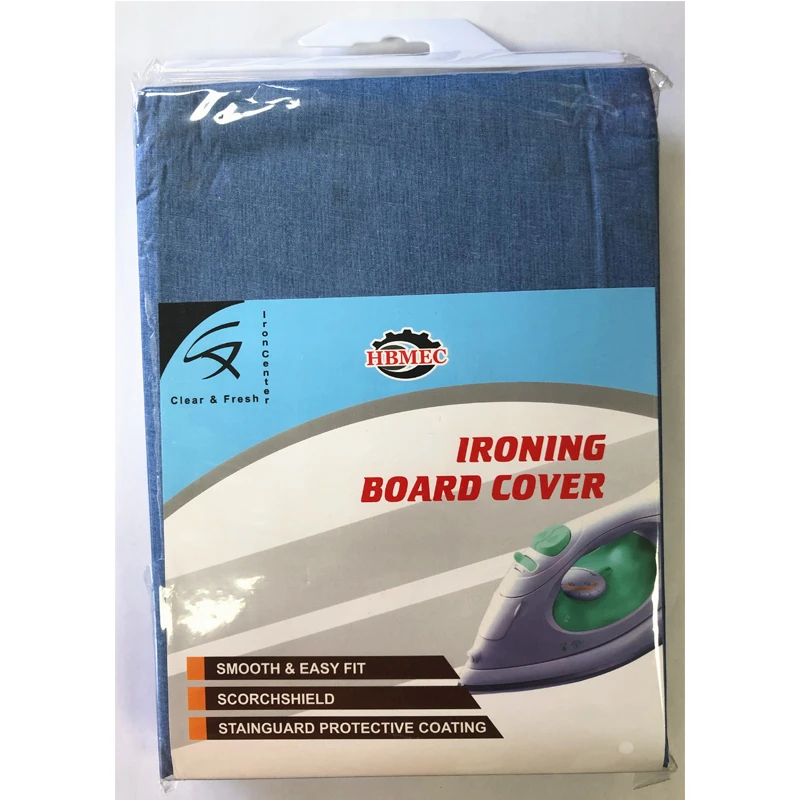

Essential Guide to Padding for Ironing Board Cover – Materials, Benefits & Trends
Why Padding for Ironing Board Covers Matters More Than You Think
At first glance, padding for ironing board cover sounds like a straightforward, almost trivial topic — just some soft material under your ironing cloth, right? Well, it's a bit more complex and surprisingly important than many realize, especially when factoring in global use, sustainability, and even the quality of our daily lives. Whether you’re a textile professional, a product designer, or just someone who irons clothes regularly (maybe on weekends, or whenever laundry piles up), understanding the nuances behind this padding pays off in comfort, efficiency, and durability.
Globally, the ironing board is a staple household and commercial tool. The quality of its padding influences how well the board retains heat, how smooth fabrics turn out, and even how quickly the ironing process goes. For factories producing uniforms or NGOs offering relief kits in developing regions, getting this right transcends comfort; it’s about functionality and trust. So, this seemingly simple component plays a quiet but essential role, from homes in Europe to humanitarian efforts in Asia and Africa.
Here’s a brief takeaway before we dive deeper: The padding of an ironing board cover isn’t just fluff — it is a prime factor influencing heat distribution, safety, durability, and ultimately, how people experience one of those routine, daily chores that, let’s face it, no one really loves but everyone does.
The Global Context: Why the Padding on Ironing Boards Has Industry-Wide Attention
According to data from the International Textile Manufacturers Federation (ITMF) and various ISO standards on household linen care, ironing supports fabric longevity by removing wrinkles efficiently. And the way heat and steam interact with fabric depends heavily on the ironing board’s surface, largely driven by the quality of the padding beneath the cover.
Challenges arise especially in humid climates or in areas with power supply issues — if the board doesn’t handle heat correctly, you risk uneven ironing, fabric scorching, or just plain frustration. NGOs providing textile repair kits in refugee camps or small businesses in South America trying to scale up garment production often face these exact problems. So, here’s a takeaway: Well-designed ironing board padding—beyond just a “nice-to-have”—becomes a tool for quality assurance in many industries worldwide.
What Exactly Is Padding for Ironing Board Cover?
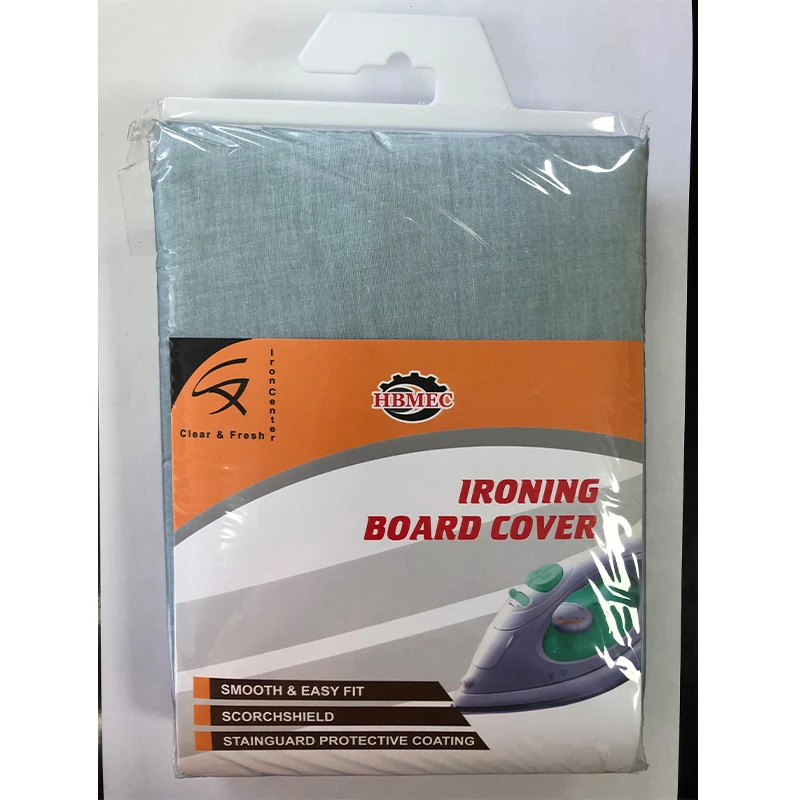
Simple definition: it’s the soft layer beneath the ironing board cover, typically made of materials like foam, felt, or woven cotton blends. Its purpose is to cushion the fabric being ironed, provide an even surface to press against, and absorb excess heat or steam. This layer helps distribute pressure and improves ironing efficiency by preventing marks or creases on clothes.
On a bigger scale, the concept reflects how “little” textile innovations integrate with current manufacturing and humanitarian efforts. Soft materials that withstand heat and moisture without degrading fit perfectly in sustainable product design and circular economies — both hot topics globally. For instance, some vendors now use natural wool blends or recycled fibers for the padding, adding environmental benefits to the already practical features.
Key Factors Behind Effective Padding
1. Heat Resistance
The padding must resist scorching and maintain integrity at ironing temperatures, usually up to 220°C. A board that fails here can burn or degrade quickly.
2. Thickness & Density
Oddly enough, too thick padding can actually make ironing cumbersome by absorbing excessive heat, while too thin may lead to uneven pressure. Most quality paddings range between 3-6 mm thickness.
3. Material Composition
Fiberglass-infused felts, wool blends, and silicone-coated foams offer different pros and cons. Wool, for example, breathes well and offers natural resilience but costs more.
4. Moisture Handling
Since many use steam irons, the padding should quickly wick or repel moisture to avoid sogginess or mildew, especially in humid regions.
5. Durability
Frequent use means frequent washing — more durable materials keep their shape and performance longer.
Mini Takeaway:
Think of ironing board padding as a blend of science and craft. The right mix creates a smooth and sturdy stage for fabric — which is exactly what you want.
Putting Padding to Work Around the World
From Parisian upscale laundries to small tailoring shops in Nairobi, padding for ironing board covers adapts to diverse environments.
- Europe and North America: Premium wool or combined foam pads dominate, prioritizing eco-friendliness and lifespan.
- Asia: Foam with fiberglass layers is common, balancing cost and performance for mass production ironing stations.
- Africa: Solutions lean towards robust, water-resistant paddings that can endure less-than-ideal storage and care conditions.
- Humanitarian Missions: Lightweight, quick-dry padding incorporated into portable ironing kits, aiding in refugee camps or refugee-focused vocational training centers.
For example, a relief group installing garment sewing workshops in Bangladesh noticed that upgraded padding helped both speed up workflow and reduce accidental burning of apparel, boosting morale and quality.
The Benefits: Why Invest in Quality Padding?
Here’s the thing: quality padding leads to economically sensible and environmentally smart outcomes. Some benefits:
- Cost Efficiency: Lasts longer, reduces replacement needs.
- Improved Fabric Longevity: Avoids burn marks or press creases.
- Enhanced Safety: Materials that resist heat lower fire risks.
- Sustainability: Natural or recycled fibers reduce ecological footprint.
- Social Impact: Better tools support small businesses and NGOs making clothes for underserved communities.
Emotionally, when your ironing board performs well, chores feel less like drudgery. Trust me, it’s a small joy when the clothes come out crisp, no fuss, no scorching spots.
Future Trends and Innovations in Ironing Board Padding
Looking ahead, the textile industry is experimenting with:
- Smart Materials: Heat-reactive paddings that adjust their firmness or heat resistance dynamically.
- Eco-conscious Fibers: Using fibers harvested from agricultural waste or algae.
- Antimicrobial Pads: Especially for commercial settings with heavy use.
- Improved Manufacturing: Digital textile printing and laser cutting can customize padding thickness layers for specific ironing needs.
Also, sustainability policies push manufacturers to rethink their supply chains, with emphasis on circular economies.
Common Challenges and How to Overcome Them
Padding isn’t perfect. Typical problems include:
- Compression Over Time: Padding can flatten and lose bounce with heavy use. Solution: Use multi-layer padding or hybrids (foam + felt).
- Moisture Retention: Can cause mildew. Better drying techniques and synthetic blends help reduce this risk.
- Cost Barriers: High-quality materials like wool can be pricier. Innovative blends and sourcing sustainable wool can lower costs.
- Incompatibility: Some covers and paddings don’t “play nice” together. Ensuring compatibility via vendor-supplied combos or testing is smart.
Product Specification Snapshot
| Feature | Foam Padding | Wool Felt Padding | Fiberglass Felt |
|---|---|---|---|
| Thickness | 4-6 mm | 3-5 mm | 3-8 mm |
| Heat Resistance | Up to 220°C | Up to 200°C | Up to 260°C |
| Moisture Handling | Moderate Absorption | Excellent Wicking | Low Absorption |
| Durability | Medium | High | Very High |
| Eco-friendliness | Low (Synthetic) | High | Medium |
Vendor Comparison: Choosing Your Padding Partner
| Vendor | Material Focus | Price Range | Sustainability Credentials | Customization |
|---|---|---|---|---|
| HBM Textiles | Foam & Recycled Wool | $$ | ISO 14001 Certified | High |
| EcoPad Solutions | Natural Wool Felt | $$$ | 100% Biodegradable | Medium |
| FibraTech Corp | Fiberglass & Foam Hybrid | $ | Mixed | Low |
FAQ: Your Top Questions About Padding for Ironing Board Cover
What makes quality padding different from cheaper options?
Good padding offers the right balance between thickness, heat resistance, and moisture handling. Cheaper alternatives often lack durability or can compress quickly, leading to poor ironing results. If you iron frequently, investing in higher-grade materials like wool or fiberglass blends pays off.
Can I use any padding material under my ironing board cover?
Not really. The padding must withstand ironing temperatures and avoid absorbing excessive moisture. Materials like foam or felt are common, but avoid cotton batting alone, as it can compress and hold water, leading to mildew or heat damage.
How often should ironing board padding be replaced?
Generally, every 1-3 years depending on use and material quality. Signs for replacement include uneven surface, thinning spots, or discoloration. Keeping it clean and dry extends lifespan considerably.
Are eco-friendly paddings less effective?
Not necessarily. Natural wool paddings are breathable, durable, and environmentally friendly. Though often pricier, their performance matches or exceeds synthetic options.
Where can I find high-quality padding for ironing board cover?
Check specialized textile suppliers or manufacturers like padding for ironing board cover vendors who emphasize quality and sustainability. Custom options are also widely available for commercial uses.
Wrapping Up: Why Padding for Ironing Board Cover Is Worth Your Attention
It’s easy to overlook, but the padding beneath your ironing board cover silently influences everything from the ease of pressing to the longevity of your garments. Investing in the right type means better ironing results, safer use, and even a small contribution to environmental sustainability.
Want to explore materials that balance innovation, durability, and eco-consciousness? Visit our website at https://www.hbmectextiles.com and see how top-tier padding solutions can transform your ironing experience — professionally or at home.
References
-
Enhance Your Dining Space with a 52 by 70 tableclothNewsApr.16,2026
-
Choosing the Best Green Disposable Tablecloth for Your EventNewsApr.09,2026
-
Enhance Your Bedroom Decor with the Perfect Bedside Tablecloth GuideNewsApr.07,2026
-
Comprehensive Guide to Choosing the Perfect White Table Cloth Plastic for Your EventNewsApr.04,2026
-
Elevate Your Dining Space with a Stylish Modern Table CoverNewsMar.31,2026
-
Elevate Your New Years Celebration with the Perfect New Years Table ClothNewsMar.28,2026
-
Elevate Your Dining Experience with a Stunning Ocean TableclothNewsMar.26,2026