
Ironing Board Pad & Cover – Improve Fabric Care & Efficiency Globally
Understanding Ironing Board Pad & Cover: Why It Still Matters Worldwide
Talk about something that could seem so simple, yet carries more weight than you might expect — the ironing board pad & cover. It’s easy to overlook in the grand scheme of garment care or industrial laundry setups, but get this: the quality of these pads and covers can actually ripple out to affect everything from energy efficiency to worker safety and even long-term fabric care around the globe. Honestly, it’s the unsung hero in ensuring smooth, crease-free clothes, whether you’re a tailor in Bangladesh or a uniform manager in London.
Understanding what makes a good ironing board pad & cover is a key benefit because it ties directly into productivity, sustainability, and even user comfort. I’ve seen factories skimp on these basics and how fast it backfires — damaged shirts, higher energy bills, even burnt surfaces. So knowing what to look for can save money and effort in ways many don’t expect.
Global Relevance: Why Ironing Board Pad & Cover Is More Than Just a Household Item
When you expand your view, the ironing board pad & cover connects to broader industrial practices worldwide. According to the International Organization for Standardization (ISO), textile care and maintenance demand precise standards to reduce environmental impact and extend the life of garments and workwear.
Back in 2022, a UN report highlighted how garment manufacturing hubs in Southeast Asia and parts of Africa rely heavily on ironing infrastructure that includes these pads and covers — but often without proper quality control. This means avoidable wear-and-tear, wastage, and even workplace injuries.
The problem? Not all ironing board pads and covers are created equal. Some absorb heat poorly or degrade rapidly, causing inefficiency and frustration. So the challenge is global: how do we ensure that this seemingly minor detail supports larger sustainability and industrial safety goals?
What Exactly Are Ironing Board Pads and Covers?
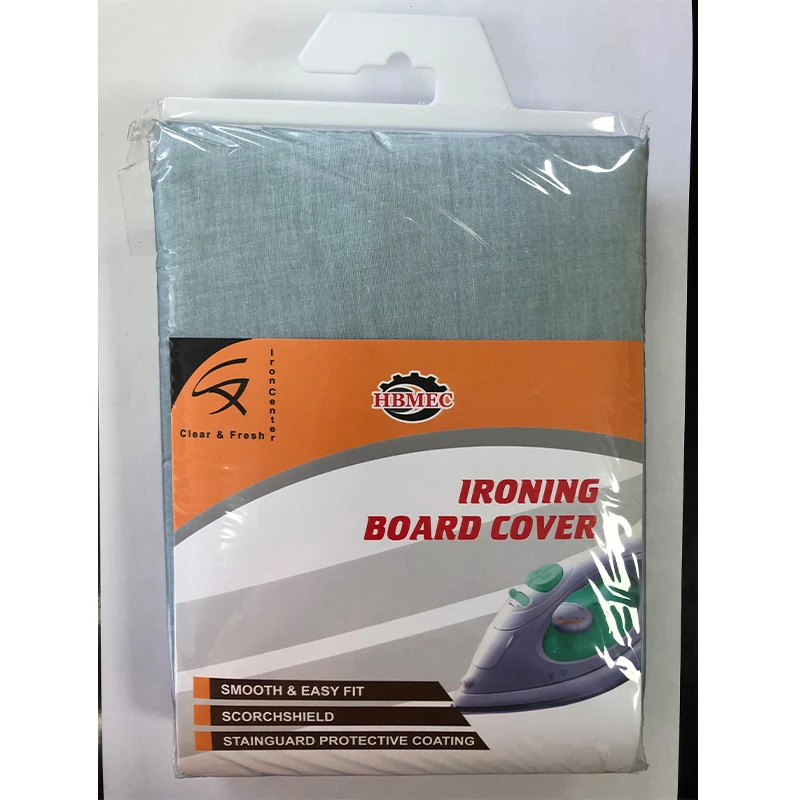
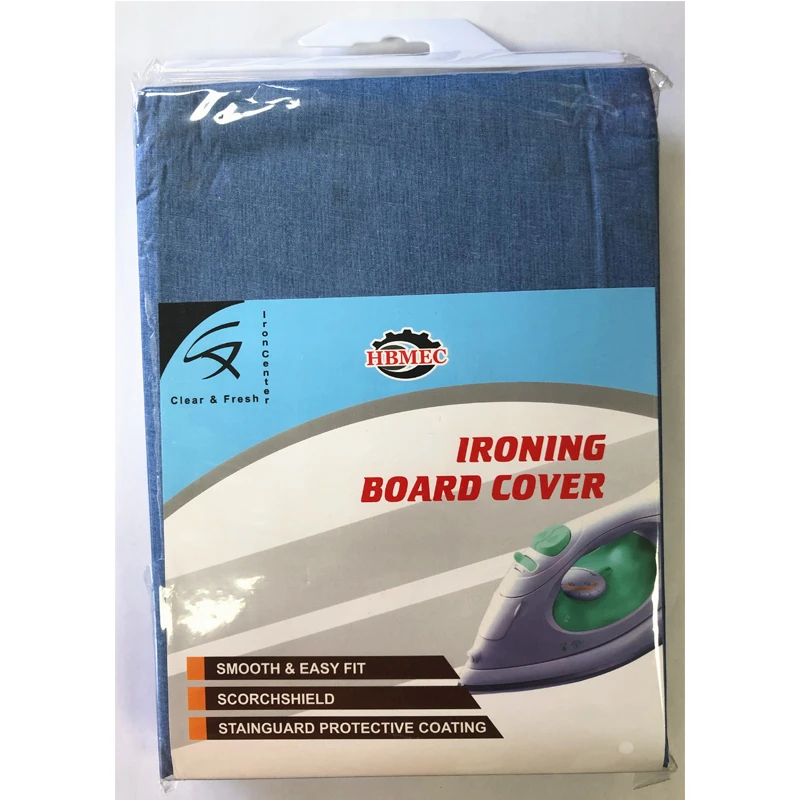
Let’s get on the same page. An ironing board pad is usually a thick, heat-resistant cushion layer that sits atop the board, while the cover is the outer fabric — often made from cotton, silicone-coated polyester, or reflective materials — that you actually press the iron against. Together, they act like a small, specialized workstation tailored for heat management and fabric protection.
As odd as it sounds, these pads and covers are kind of the backstage crew of textile maintenance. Without a thoughtful design and quality materials, they’ll either scorch, leave marks, or — worst case — cause fabric damage during ironing.
In humanitarian contexts, like disaster relief clothing distribution or field hospitals, these essentials also support hygiene and durability — keeping uniforms and linens in good nick longer under tough conditions.
Key Features That Matter
1. Heat Resistance and Insulation
A quality pad & cover will evenly distribute heat and prevent scorching. This means higher efficiency and fewer ruined fabrics. Many engineers recommend heat-reflective covers that push the heat back into the garment, speeding ironing and saving time.
2. Durability and Wear Resistance
Pads need to hold their shape and thickness without compressing heavily over time. A thin, flattening pad means uneven ironing and frustration. Covers, ideally, should resist tearing or staining — and be washable without losing texture.
3. Steam Permeability & Moisture Management
For steam ironing, a pad that allows vapor to escape efficiently without soaking is essential. This prevents soggy patches and mold growth — an often-overlooked point that’s pretty critical in humid factories or home setups.
4. Fit and Thickness
Slippage or ill-fitting covers can cause a real hassle. Thickness also balances comfort with stability; you want enough padding for softness but not so thick that your iron sinks too far.
5. Environmental Credentials
More manufacturers are moving towards organic cotton covers or recycled foam pads. It’s not just about the “feel good” factor — these materials reduce landfill waste and energy footprint significantly.
Mini takeaway:
When picking a new ironing board pad & cover, look beyond aesthetics. The right combination of insulation, durability, and eco-awareness can actually improve your ironing process and extend the life of your boards and garments alike.
Where You’ll See Ironing Board Pads & Covers Making a Real Difference
From bustling laundry services in Europe to remote tailoring shops across Africa and Asia, this humble product is everywhere. Post-disaster relief camps, for instance, depend on quick drying and sturdy pads to help volunteers process donated clothing swiftly. Some industrial laundries in the US have also adopted heat-reflective covers to cut down on energy use — that’s a neat win-win.
In hospitality sectors, hotels often replace their ironing pads on a regular schedule to maintain hygiene and ironing quality, emphasizing that it’s about more than just keeping clothes looking nice.
Ironing Board Pad & Cover: Product Specification Table
| Feature | Description | Typical Materials |
|---|---|---|
| Pad Thickness | 8-12 mm for residential; up to 20 mm for industrial | Felt, foam, woven cotton batting |
| Cover Fabric | Heat-resistant, reflective options available | Cotton, silicone-coated polyester, aluminized fabrics |
| Fit | Elastic or drawstring tight fit | N/A |
| Steam Permeability | Moderate, to allow vapor escape without soaking | Porous cotton blends |
| Eco-friendly Options | Organic cotton, recycled foam | Certified organic textiles |
Comparing Key Vendors of Ironing Board Pads & Covers
I've looked at a few suppliers, because honestly, with so many options, it’s easy to get lost. Here’s a quick breakdown of some big names:
| Vendor | Material Quality | Price Range | Eco-Friendly Features | Typical Use Cases |
|---|---|---|---|---|
| Brand A | Premium felt + cotton cover | $$$ | Certified organic cotton options | Professional laundries, tailoring |
| Brand B | Silicone coated polyester | $ | Limited, standard synthetic | Budget conscious markets |
| Brand C | Multi-layer reflective covers | $$ | Recycled foam padding | Eco-conscious consumers, industries |
Advantages & Enduring Value of Quality Ironing Board Pads & Covers
Look, it’s not just about looking sharp. A well-chosen ironing board pad & cover adds to operational efficiency by speeding up the ironing process and reducing the number of passes needed on tricky fabrics. That == less energy consumption, lower costs, and ultimately greener practices — which happens to be a hot topic everywhere these days.
On the emotional side, users often report the comfort of a smooth, responsive ironing surface makes the task less tedious, even enjoyable. There’s something satisfying about the feel of a well-padded board beneath your hands. It also brings peace of mind knowing your delicate fabrics are protected from unintended damage.
Innovations on the Horizon
Interestingly, some manufacturers are experimenting with nano-coatings to make covers truly stain repellent and heat resistant beyond anything currently on the market. Others are working on integrating smart sensors into pads to monitor temperature and pressure. Imagine an ironing board that "talks" to your iron to optimize settings automatically – quite the leap!
And sustainability keeps shaping the industry. Innovations like 100% biodegradable padding materials or reusable cover fabrics that significantly reduce waste are becoming more common, driven by both consumer demand and stricter regulations globally.
Common Challenges and How the Industry Tackles Them
Some sticking points: pads that compress too quickly, covers that slip off mid-task, and materials that can’t handle continuous steam pressure. These issues can be frustrating and costly.
Experts suggest looking for reinforced edges, strong elastic or drawstring fixings, and testing for moisture resistance before investing. Some brands also offer lifetime warranties or trial periods — always a good sign you’re buying quality.
FAQ: Your Questions About Ironing Board Pad & Cover
- Q: How often should I replace my ironing board pad & cover?
A: Typically every 1-3 years depending on use and quality. Heavy industrial use calls for more frequent changes, while residential pads last longer if cared for properly. - Q: Can I use any cover with any ironing board pad?
A: Not quite. Covers come in different thicknesses and fits; mismatches can lead to poor ironing results and slipping. Always check compatibility or buy sets from the same brand. - Q: Are heat-reflective covers really worth the extra cost?
A: Many users report faster ironing with less energy required, which can offset upfront expenses over time — especially in commercial settings. - Q: How do eco-friendly pads compare to traditional ones?
A: They often use sustainable materials without sacrificing performance, but can be slightly pricier. Long-term benefits to environment and health can make them a smart buy. - Q: Can I find custom-sized pads and covers?
A: Yes. Many vendors offer custom solutions to fit non-standard boards, which is crucial for specialty or industrial uses.
Wrapping It All Up
In real terms, the ironing board pad & cover are small but mighty players in textile maintenance, global industrial workflows, and even sustainability efforts. They improve efficiency, protect fabrics, support user comfort, and increasingly align with environmental goals. So next time you see a worn-out cover or a flat pad, you might think twice about just how much impact these subtle items have.
Ready to upgrade your ironing setup? Check out our range — you’ll find durable, eco-friendly, and tailored options at ironing board pad & cover.
References
-
Enhance Your Dining Space with a 52 by 70 tableclothNewsApr.16,2026
-
Choosing the Best Green Disposable Tablecloth for Your EventNewsApr.09,2026
-
Enhance Your Bedroom Decor with the Perfect Bedside Tablecloth GuideNewsApr.07,2026
-
Comprehensive Guide to Choosing the Perfect White Table Cloth Plastic for Your EventNewsApr.04,2026
-
Elevate Your Dining Space with a Stylish Modern Table CoverNewsMar.31,2026
-
Elevate Your New Years Celebration with the Perfect New Years Table ClothNewsMar.28,2026
-
Elevate Your Dining Experience with a Stunning Ocean TableclothNewsMar.26,2026