
Comprehensive Guide to Ironing Board Protective Cover – Materials, Uses & Innovations
The Unsung Hero of Household Comfort: Ironing Board Protective Cover
Ironing board protective covers might not be the flashiest topic, but they're surely one of those quietly essential household items that keep life running smoothly. Globally, billions rely on ironing to maintain crisp, professional attire, and the covers beneath the clothes are the unsung stalwarts. Why does understanding ironing board protective covers matter? Because their design and material choices affect everything from ironing efficiency to fabric longevity and even environmental impact.
It's not just about looking sharp. In factories, dry cleaners, and humanitarian relief setups, these simple textile accessories play a bigger role than you'd expect. Let’s unravel what makes these covers a surprisingly important piece of the puzzle.
Global Context: How Ironing Board Covers Fit Into Everyday and Industrial Life
Ironing remains a key household chore worldwide despite the rise of wrinkle-free fabrics. In fact, according to the International Textile Manufacturers Federation, over 6 billion garments are processed every day globally — many using traditional ironing setups. What's striking is the growing demand for ironing board protective covers engineered for durability, safety, and sustainability to meet modern needs.
We haven't quite cracked the code on completely eliminating the need for ironing (and, frankly, some fabrics just need that passionate human touch). Yet, one widely reported issue is how cheaply made covers wear out fast, leading to increased waste and frustrating ironing experiences — burnt fabric, uneven pressing, or frustratingly slippery surfaces. Not to mention, ironing boards themselves wear faster if the cover isn’t doing its job.
This challenge has pushed manufacturers and textile engineers to innovate materials and designs for covers that are both environmentally friendly and tough enough for commercial use. The global textile care market was valued at over $8 billion in 2023 and is expected to grow steadily, so the ironing board protective cover is quietly pivotal in that ecosystem.
What Exactly Is an Ironing Board Protective Cover?
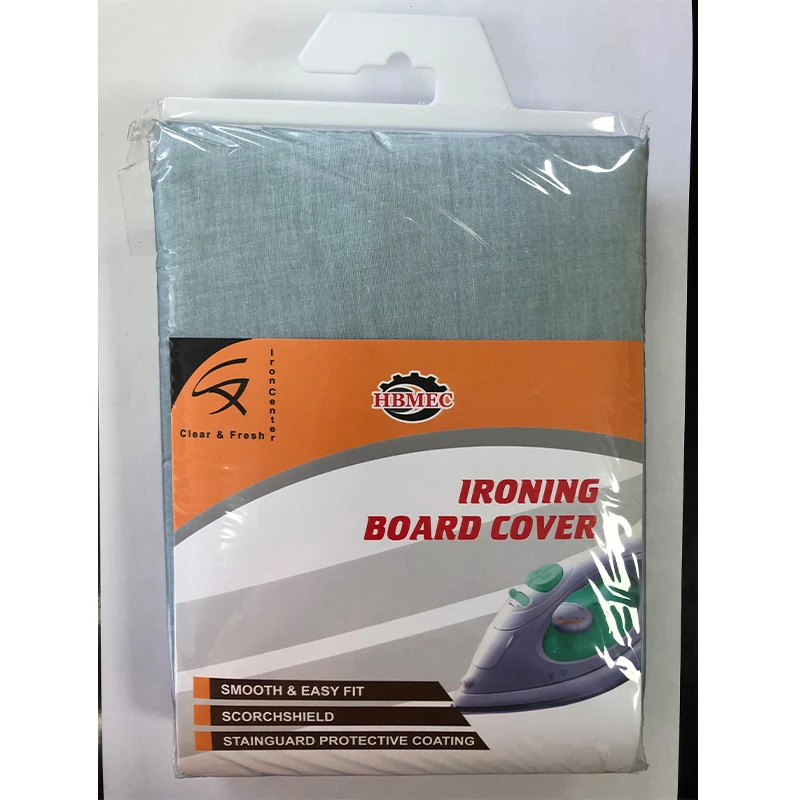
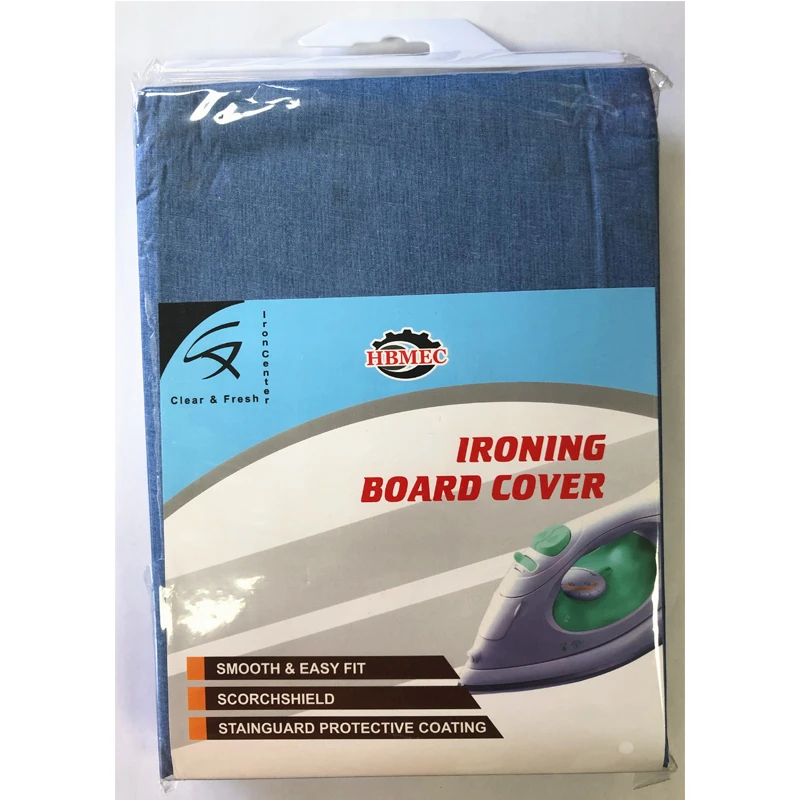
Simply put, an ironing board protective cover is a textile sheet that fits snugly over the ironing board. Its job? To create a smooth, heat-resistant, and cushioned surface that enhances ironing quality while protecting both the board and clothes.
In humanitarian and industrial contexts, robust covers are essential to maintain hygiene and durability — imagine busy laundromats or temporary disaster relief centers where clean, reliable ironing stations promote dignity and order. Even small improvements in cover quality can translate to significant time and cost savings.
Core Components That Make a Difference
1. Durability & Heat Resistance
Covers must withstand repeated direct heat from irons or steamers without degrading or melting. In practice, this requires specialized fabrics or coatings, like woven cotton blends infused with silicone or flame retardants. The difference? A durable cover resists scorch marks and shrinks slowly — critical in commercial and home use.
2. Cushioning & Thickness
A heavy-duty foam or felt padding beneath the surface fabric is commonly used to give that perfect “give,” which prevents fabric creasing and ensures smooth ironing. Too thin, and the clothes may crease or get uneven pressing; too thick and it reduces heat transmission.
3. Reflective or Reflective-Backed Layers
Some advanced covers incorporate aluminum or reflective layers to bounce heat back upward, speeding up the ironing process and improving energy efficiency. This is oddly satisfying if you’ve ever ironed for a long session — it feels like the board is helping you along.
4. Fit & Attachment
Elastic hems, drawstrings, or Velcro edges are typical to keep the cover taut. Slippage during ironing leads to frustration and wrinkles, so a secure fit isn’t negotiable.
5. Environmental Considerations
Eco-friendly options using organic cotton, recycled materials, or water-based coatings have emerged, aligning with global pushes for sustainability in textiles. This is a growing priority, especially among conscientious consumers.
Mini takeaway: A good ironing board protective cover is more than just fabric — it's a carefully engineered system blending materials science, ergonomics, and eco-consciousness.
Worldwide Applications and Real-Life Use Cases
It may seem like a humble household item, but ironing board protective covers see varied uses worldwide:
- In textile factories: High-volume ironing boards use industrial-grade covers designed to endure continuous heat and mechanical wear.
- Disaster relief operations: Organizations set up temporary laundry and clothing repair stations equipped with durable covers, ensuring proper hygiene and fabric care.
- Home environments: Versatile covers tailored to popular ironing board sizes and preferences — some even resistant to pet hair or dust.
- Dry-cleaning and alteration shops: They rely on covers that resist stains, moisture, and absorb steam efficiently.
Oddly enough, in parts of Asia and Europe, premium covers with reflective layers have become a niche trend, speeding up household chores in small apartments.
Advantages and Long-Term Value of Quality Ironing Board Protective Covers
Why invest in the right cover instead of grabbing any old one? Many users report:
- Cost savings: A long-lasting cover protects both the ironing board and clothes, reducing replacement needs.
- Improved ironing efficiency: Heat-reflective layers can decrease ironing time — every minute saved counts.
- Social impact: Durable covers in community centers promote hygiene and dignity.
- Sustainability: Eco-conscious designs aid in reducing landfill waste and harmful chemicals.
Behind these practical benefits is a subtle emotional connection: knowing you’re caring for your wardrobe and maybe even the planet. That reassuring sense that your morning routine is working smoothly, just like it should.
Product Specification Table
| Feature | Standard Cover | Premium Reflective Cover | Eco-Friendly Organic Cover |
|---|---|---|---|
| Material | Cotton blend with foam padding | Cotton with aluminum foil backing | 100% organic cotton with natural latex foam |
| Heat Resistance | Up to 200°C | Up to 230°C | Up to 190°C |
| Attachment Method | Drawstring | Elastic with Velcro | Elastic drawstring |
| Thickness | 8 mm | 10 mm | 9 mm |
| Sustainability | Standard production process | Partly recyclable materials | Certified organic & biodegradable |
Vendor Comparison: Choosing the Right Ironing Board Protective Cover Provider
| Vendor | Product Range | Price Range (USD) | Sustainability | Lead Time | Customer Ratings |
|---|---|---|---|---|---|
| CoverPro Textiles | Standard & Premium Options | $15–$40 | Partial eco-friendly options | 2–4 weeks | 4.3/5 |
| EcoIron Covers | Organic & sustainable lines | $25–$60 | 100% eco-certified | 3–5 weeks | 4.7/5 |
| ProPress Supplies | Industrial grade covers only | $40–$90 | Limited sustainability focus | 1–3 weeks | 4/5 |
Innovations and Future Trends in Ironing Board Protective Covers
Looking ahead, there’s a wave of new materials and smart technologies reshaping ironing board covers:
- Nanotechnology coatings: Adding water, stain, or smudge resistance without compromising heat conductivity.
- Smart textiles: Imagine covers embedding temperature sensors or feedback systems to optimize ironing pressure and heat.
- Fully sustainable processes: New biodegradable foams and organic dyes reducing environmental footprints extensively.
- Customization and sizing AI: Automated production lines tailoring covers to exact board dimensions from scans.
It feels like something only a few decades ago might have seemed fanciful is now quietly becoming real. A small part of the textile world is slowly transforming the humble ironing experience.
Common Challenges and How To Overcome Them
Not everything’s rosy. Common issues users and manufacturers face with ironing board protective covers include:
- Wear and tear: Coverage frays and padding compresses over time, degrading performance.
- Heat damage: Lower-end covers scorch or discolor easily.
- Fit problems: One size doesn’t always fit all boards, leading to slip issues.
- Environmental concerns: Many covers use plastics or chemically intensive treatments.
Solutions? Innovative foams and textiles are extending life cycles, while modular or adjustable designs improve fit. Sourcing and transparency in supply chains also helps consumers identify greener options. It’s a small ecosystem evolving with consumer awareness.
FAQ: Frequently Asked Questions About Ironing Board Protective Cover
Q1: How often should I replace my ironing board protective cover?
A: It depends on usage, but generally every 1–2 years for home users, and more frequently (6–12 months) in commercial settings to maintain optimum heat resistance and cushioning.
Q2: Can I use just any fabric as an ironing board cover?
A: Not really. Covers designed specifically for ironing are made to handle heat and provide proper cushioning. Using cotton fabric without padding risks uneven pressing and damage.
Q3: Are there environmentally friendly ironing board covers?
A: Yes. Organic cotton covers with natural padding and water-based coatings are available, offering biodegradability and reduced chemical exposure.
Q4: How do I clean or maintain my ironing board cover?
A: Most covers can be wiped with a damp cloth or machine-washed if the material allows. Avoid high heat drying to preserve elasticity and padding.
Q5: Can a good cover speed up my ironing?
A: Absolutely. Reflective or heat-efficient covers improve ironing speed by bouncing heat back into clothes and providing consistent pressure.
Final Thoughts: Why It Pays to Choose the Right Ironing Board Protective Cover
Choosing the right ironing board protective cover is a modest but meaningful way to boost your ironing experience, save money, and even help the planet. Whether you’re a busy professional, a family doing laundry, or part of a disaster relief team, a well-made cover supports efficiency, sustainability, and quality.
Looking to explore premium options? Check out reliable sources like ironing board protective cover providers for tailored solutions suited to your needs.
Oddly enough, the simplest household items often have the most layered stories.
Mini takeaway: A quality cover not only protects but empowers — taking a humble chore up a notch.
References
-
Enhance Your Dining Space with a 52 by 70 tableclothNewsApr.16,2026
-
Choosing the Best Green Disposable Tablecloth for Your EventNewsApr.09,2026
-
Enhance Your Bedroom Decor with the Perfect Bedside Tablecloth GuideNewsApr.07,2026
-
Comprehensive Guide to Choosing the Perfect White Table Cloth Plastic for Your EventNewsApr.04,2026
-
Elevate Your Dining Space with a Stylish Modern Table CoverNewsMar.31,2026
-
Elevate Your New Years Celebration with the Perfect New Years Table ClothNewsMar.28,2026
-
Elevate Your Dining Experience with a Stunning Ocean TableclothNewsMar.26,2026