
Nov . 29, 2025 06:55
Back to list
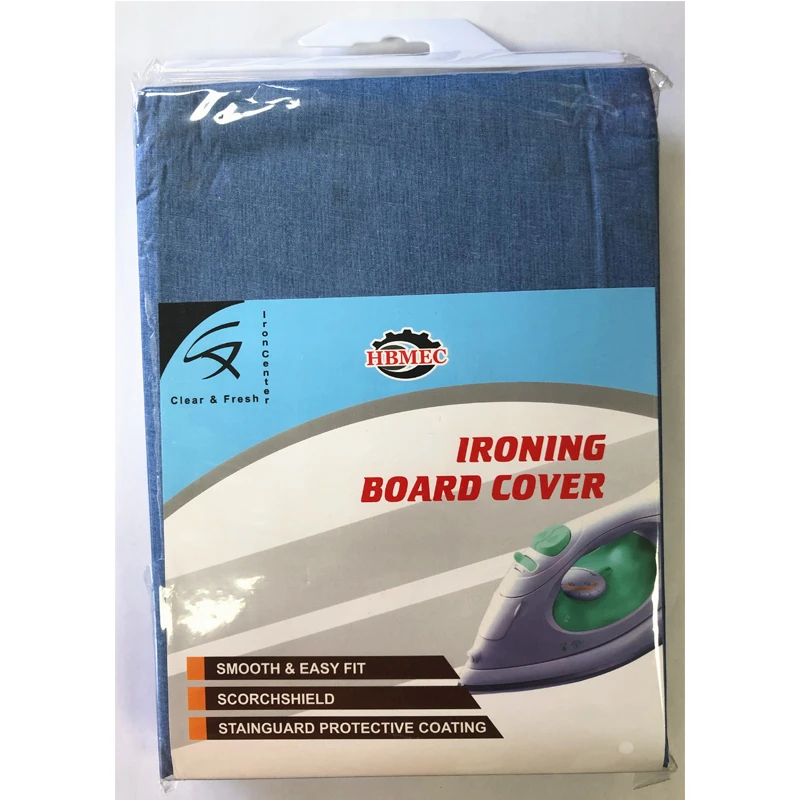
Ironing Board Table Cover: Modern Solutions for Durable, Efficient Ironing
Why the Ironing Board Table Cover Matters in Everyday Life
Whether you’re a meticulous home user or a professional in the textile or garment industry, the ironing board table cover is surprisingly pivotal. You might say it’s just a simple item — a protective layer for an ironing board — but it turns out, the right cover can make a big difference in productivity, appearance, and even safety. On a global scale, the market for ironing accessories has seen stable growth, underscoring the common human desire for crisp, flawless clothing and textiles. Frankly, once you start understanding the benefits, it’s hard to go back to a worn or subpar board cover. In a nutshell: an ironing board table cover provides a flat, heat-resistant surface with padding and smoothness that protects both your clothes and your board. This small innovation supports the entire pressing process — ensuring better results, fewer burns or shiny patches, and longer lifespan for the ironing board itself.Global Context: Why Ironing Board Covers Are More Relevant Than You Think
Globally, textile and garment production represents a massive industry. According to the United Nations Industrial Development Organization (UNIDO), the textile sector employs over 60 million people worldwide, many of whom rely on quality ironing equipment to finish their products. Moreover, in emerging markets, affordable and durable ironing board covers reduce the need for replacement boards — an economic and environmental win. But here’s the kicker: many garment workers and domestic users face challenges due to cheaply made or worn-out covers, which hamper efficiency and quality. Especially in countries like Bangladesh, Vietnam, and parts of Africa, access to reliable ironing board covers connects directly with minimizing production delays and waste. Even in western households, upgrading your ironing setup can save time and stress. So when you hear "ironing board table cover," think beyond a simple accessory — it’s part of a global chain linking craft, commerce, and care.What Exactly Is an Ironing Board Table Cover?
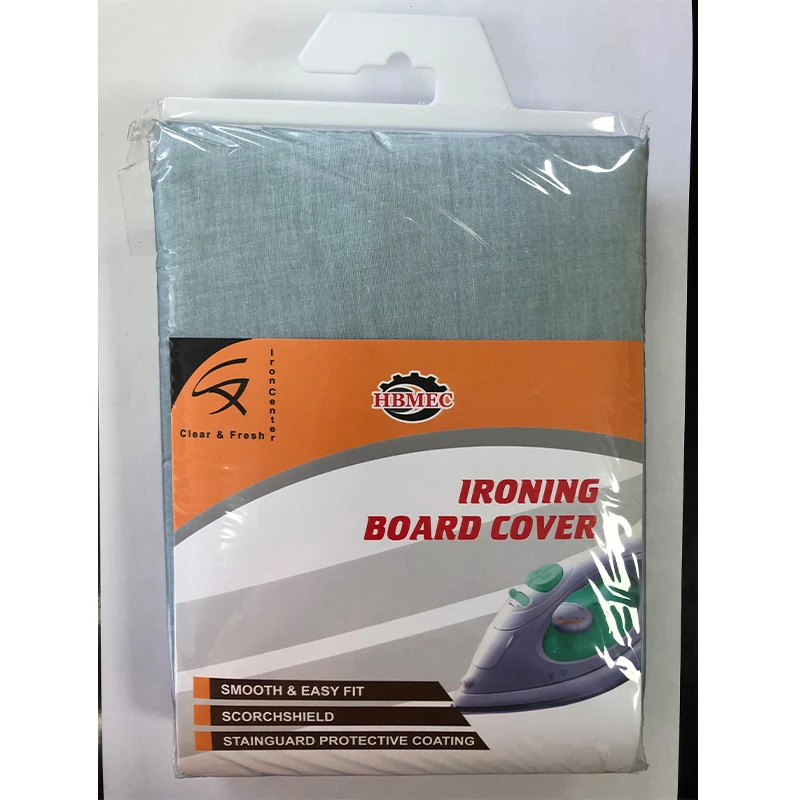
At its core, an ironing board table cover is a fabric or composite layer designed to snugly fit over the ironing board’s surface. It typically combines these elements: - A heat-resistant outer fabric, often cotton or a cotton blend, sometimes treated with Teflon or silicone for durability and heat reflectivity. - Padding underneath, which might be foam, felt, or felt with foam mixed in, providing a smooth surface that helps steam penetrate evenly into fabrics. - An elastic or drawstring edge that ensures the cover stays taut and wrinkle-free during ironing. Think of it as the ironing board’s “skin,” crucial for optimal heat transfer and comfort. Without it, you risk snagging fabrics, uneven pressing, and shortened board lifespan.Durability
The cover must withstand repeated high temperatures and pressure. High-quality covers resist scorching and discoloration, extending both the cover’s and board’s life.Surface Smoothness
A wrinkle-free, cushioned surface smooths fabrics and reduces creasing, critical for garments with subtle textures or delicate materials like silk and linen.Heat Reflectivity
Some advanced covers include a heat-reflective layer, bouncing heat back through the fabric for faster ironing and reduced energy use.Fit and Stability
Elastic edges or adjustable straps help the cover stay firmly in place, preventing shifting that would disrupt smooth ironing.Cost Efficiency
Durable covers may cost a bit more upfront but save money over time through enhanced board protection and fewer replacements.In Real Life: How Ironing Board Covers Are Used Worldwide
The ironing board table cover is standard in various sectors: - Households: From busy parents to sartorial hobbyists, the right cover means fewer frustrating wrinkles and a more comfortable ironing experience. - Clothing Manufacturing: Factories in Asia and Europe equip pressing stations with industrial-grade covers that optimize finish quality. - Hospitality and Uniform Services: Hotels and restaurants rely on dependable covers for large-scale laundering and ironing of linens and uniforms. - Disaster Relief and Field Operations: Oddly enough, NGOs deploying mobile ironing stations post-disaster use specialized covers designed for rough environments, emphasizing durability and portability. - Remote Industrial Zones: In places where replaceable parts aren’t easy to come by, having a trustworthy, long-lasting cover is vital. Mini Takeaway: Whether you’re ironing a blouse or assisting a textile factory, the right board cover bridges user needs with fabric care.What You Gain: The Advantages and Long-Term Impact
So why bother investing in a high-quality ironing board table cover? - Cost Savings: Lasting covers reduce the frequency of board replacements and prevent damage to costly garments. - Sustainability: Resistant, reusable covers mean less waste heading to landfills. Some brands even produce eco-friendly versions using organic cotton and recycled padding. - Safety and Comfort: Heat-resistant fabrics avoid accidents; smoother paddings reduce the risk of fabric damage. - Efficiency: Faster ironing speeds mean more productivity in commercial settings and less fatigue at home. - Aesthetic Boost: High-end covers come in varied designs to suit personal style or professional branding. - Trust and Innovation: Brands focusing on materials innovation build credibility, encouraging users to return again and again. In short, this isn’t just a household necessity — it’s a fine tool improving every steaming moment.Future Trends Shaping Ironing Board Table Covers
The future looks promising for ironing board covers, blending tech and sustainability: - Smart Materials: Researchers are experimenting with fabrics that adjust heat reflectivity dynamically or repel stains outright. - Bio-based Padding: New foam alternatives from plant-based sources are appearing, reducing reliance on petrochemicals. - Digital Customization: Imagine covers tailored via 3D scanning to fit non-standard boards or ironing tables perfectly. - Automation Compatibility: As steam presses and robotic ironing machines grow more common, covers are adapting for better compatibility. - Circular Economy Policies: Brands adopting take-back programs help recycle worn covers responsibly. In real terms, it feels like even the humble ironing board cover is riding the wave of green innovation and smart design.Common Challenges and Clever Solutions
Of course, not everything is perfect. Typical ironing board covers face these hurdles: - Wear and Tear: Fibers break down over time from heat and abrasion. - Fit Issues: Generic sizing sometimes leads to wrinkles or slipping. - Heat Damage: Lower-quality covers might yellow or scorch with regular use. - Environmental Concerns: Disposal of synthetic padding is problematic. Solutions? Manufacturers are focusing on robust materials and adjustable fittings. Some brands now offer replacement covers with warranties, reducing waste. Meanwhile, consumer education helps users choose the right thickness and fabric type for their needs.Product Specification at a Glance
| Feature | Standard Model | Premium Model |
|---|---|---|
| Outer Fabric | 100% cotton, Teflon treated | Silicone coated cotton blend |
| Padding | Felt + foam layer (5mm) | High-density heat-reflective foam (8mm) |
| Fit Type | Elastic edge with drawstring | Adjustable strap system + elastic |
| Heat Resistance | Up to 220 °C | Up to 250 °C, reflective surface |
| Color Options | Basic white & gray | Multiple patterns and colors |
| Price Range | $15–25 | $30–50 |
Comparing Top Ironing Board Table Cover Vendors
| Vendor | Material Quality | Price Range | Eco-Friendly Options | User Ratings |
|---|---|---|---|---|
| CoverPro Textiles | Premium silicone coated cotton | $25–45 | Yes, organic cotton padding | 4.7/5 |
| IronEase Supplies | Standard cotton with foam | $15–25 | Limited options | 4.1/5 |
| EcoPress Goods | Recycled cotton & bio-foam | $20–40 | Fully sustainable | 4.5/5 |
Ironing Board Table Cover FAQ
- Q: How often should I replace my ironing board cover?
A: Generally, covers last 1 to 3 years depending on usage and material quality. Look for discoloration, thinning padding, or loose elastic as signs to replace it. - Q: Can I use any cover on my ironing board table?
A: While many covers fit standard boards, exact sizing and depth vary. It's best to measure your board carefully and choose covers with adjustable straps or elastic for secure fit. - Q: Are heat-reflective ironing board covers worth the extra cost?
A: Yes, they help reduce ironing time by bouncing heat back into fabric, promote even pressing, and can extend cover and board life by reducing overheating. - Q: Is it possible to get eco-friendly ironing board covers?
A: Absolutely. Increasingly, vendors offer covers using organic cotton, recycled padding, or bio-based foams, which reduce environmental impact without sacrificing performance. - Q: Where can I find quality ironing board table covers with good durability?
A: Reputable manufacturers such as ironing board table cover specialists or major housewares suppliers typically stock reliable, tested products. Read reviews and check specifications before purchase.
Final Thoughts on Ironing Board Table Covers
It’s fascinating how a seemingly basic product like the ironing board table cover quietly supports so many lives and industries worldwide. From helping families keep their clothes crisp on weekends, to boosting efficiency in garment factories, these covers are small yet mighty allies. Looking ahead, innovations in material science and sustainability promise covers that are safer, more efficient, and kinder to our planet. If you’re ready to upgrade your ironing setup — or simply curious about modern options — be sure to explore trusted suppliers that balance quality and eco-consciousness. After all, a simple textile accessory can make ironing less chore and more charm. Visit our website: ironing board table cover to discover a range of stylish, durable options tailored for your needs.References:
Share
Latest news
-
Enhance Your Dining Space with a 52 by 70 tableclothNewsApr.16,2026
-
Choosing the Best Green Disposable Tablecloth for Your EventNewsApr.09,2026
-
Enhance Your Bedroom Decor with the Perfect Bedside Tablecloth GuideNewsApr.07,2026
-
Comprehensive Guide to Choosing the Perfect White Table Cloth Plastic for Your EventNewsApr.04,2026
-
Elevate Your Dining Space with a Stylish Modern Table CoverNewsMar.31,2026
-
Elevate Your New Years Celebration with the Perfect New Years Table ClothNewsMar.28,2026
-
Elevate Your Dining Experience with a Stunning Ocean TableclothNewsMar.26,2026