
Organic Cotton Ironing Board Covers: Sustainable Comfort for Every Home
Why the Organic Cotton Ironing Board Cover is Gaining Global Attention
When you think about ironing, the classic image is simple: a steamy iron pressing clothes on a padded board. But there’s an often-overlooked hero behind smooth fabrics— the organic cotton ironing board cover. It might sound niche, but it actually taps into bigger global themes like sustainability, human health, and industrial ethics.
Globally, textile and household product markets are evolving fast. According to the United Nations Environment Programme (UNEP), textile production contributes a hefty chunk of pollution worldwide, prompting everyone from manufacturers to consumers to rethink what they use daily. This especially matters since ironing boards are ubiquitous, found in home laundries, hotels, and even mobile laundry services. Switching to organic cotton covers isn’t just a nice-to-have; it’s a meaningful step toward reducing chemical use, encouraging fair trade cotton farming, and improving indoor air quality.
A World Context: Why Organic Cotton Matters for Ironing Board Covers
Organic cotton has become a pivotal material in eco-conscious industries. As the World Bank highlights, cotton farming alone employs millions globally but still remains intensely pesticide-reliant, harming ecosystems and human health. By choosing organic cotton ironing board covers, manufacturers and consumers actively support farms that ban synthetic chemicals and protect natural biodiversity.
Additionally, ironing (despite being a daily chore) releases small amounts of volatile organic compounds (VOCs) from synthetic covers, which can worsen respiratory issues, especially indoors. Organic cotton covers significantly lower this hazard. Plus, the rising demand for such covers stems from a growing desire for sustainable home products without compromising durability or functionality.
Mini takeaway:
Switching to organic cotton ironing board covers aligns with a worldwide push for greener, healthier products and reduces environmental footprint—one ironing board at a time.
What Exactly Is an Organic Cotton Ironing Board Cover?
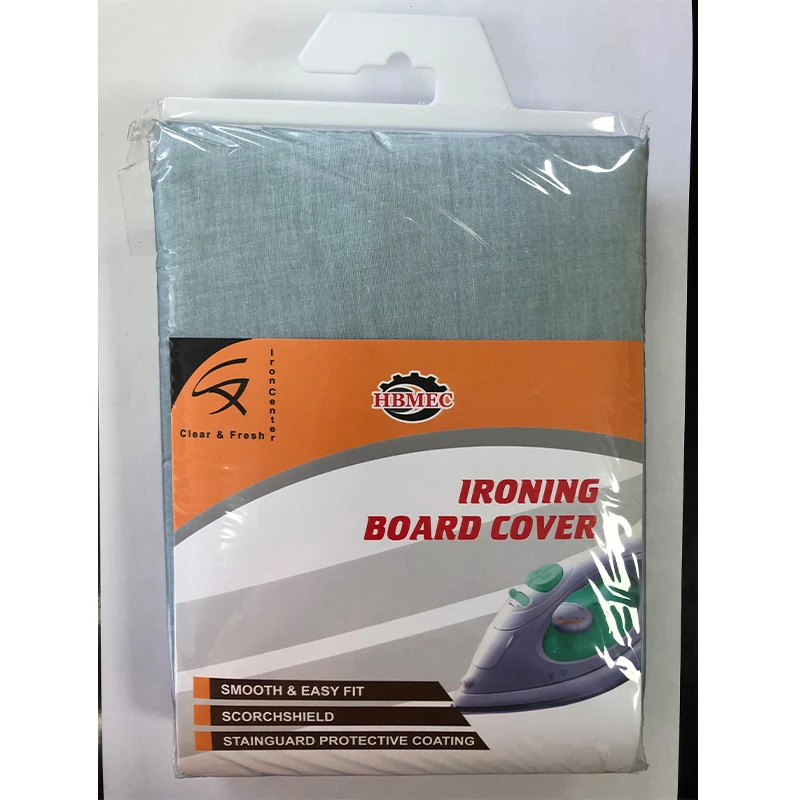
In essence, an organic cotton ironing board cover is a fabric layer made from cotton grown without synthetic pesticides or fertilizers, certified by recognized bodies like GOTS (Global Organic Textile Standard). It’s treated minimally, free from harsh dyes, ensuring it remains breathable and safe for direct contact with hot irons and clothes.
Unlike conventional covers made from polyester blends or chemically treated cotton, these covers offer an excellent heat-resistant surface that improves ironing efficiency. Plus, their production supports ethical farming practices contributing to social betterment in rural areas cropping organic cotton.
Mini takeaway:
It’s a simple substitution in everyday life with big ripple effects—from eco-friendly agriculture to safer indoor environments.
Key Features That Make Organic Cotton Ironing Board Covers Stand Out
Durability and Heat Resistance
Organic cotton fibers, being naturally stronger and thicker when unbleached and untreated, handle repeated ironing cycles without degrading or discoloration. Many users note the cover resists scorch marks better than synthetic-coating alternatives.
Breathability
One of the joys of organic cotton is how well it “breathes” — allowing steam to pass through without build-up, which prevents moisture pockets and makes ironing less sticky or clammy.
Environmental Impact
Less water usage and chemical runoff in organic cotton farming reduces soil and water pollution. Plus, organic covers are often biodegradable or recyclable at end-of-life, which aligns beautifully with circular economy ideas.
Comfort and Aesthetics
Natural cotton feels soft under your hands and looks appealing with earth-tone finishes—no glaring synthetic shine here. Many families say that switching to these covers makes ironing feel like less of a chore and more of a mindful routine.
Certification and Traceability
Reputable organic cotton covers come with GOTS or OEKO-TEX certifications, ensuring fair labor practices and chemical safety—not just a label, but peace of mind.
Mini takeaway:
These features mean you don’t sacrifice quality for sustainability; you get both, making the switch genuinely worthwhile.
Organic Cotton Ironing Board Cover: Real-World Applications
In hotels across Europe and North America, eco-conscious brands increasingly standardize organic cotton ironing board covers to reduce chemical exposure for guests and housekeeping staff. Hospitality managers report improved indoor air quality and positive customer feedback.
In developing regions like India and Central Asia, NGOs promoting sustainable farming champion organic cotton products to boost local economies while minimizing environmental damage. Ironing board covers become a value-added product for artisan cooperatives, simultaneously supporting livelihoods and green business.
Even in urban households worldwide, awareness of better textile choices drives demand for natural covers organic cotton ironing board cover, blending everyday convenience with responsibility.
Product Specifications at a Glance
| Specification | Details |
|---|---|
| Material | 100% Certified Organic Cotton, GOTS certified |
| Thickness | 3-5 mm padded cotton layer with natural felt backing |
| Heat Resistance | Up to 230°C without discoloration or damage |
| Dimensions | Fits standard boards 120x45 cm; custom sizes available |
| Certifications | GOTS, OEKO-TEX Standard 100 |
| Color Options | Natural cotton (undyed), light beige, earth tones |
Comparing Top Vendors for Organic Cotton Ironing Board Covers
| Vendor | Price Range | Certifications | Custom Orders? | Sustainability Initiatives |
|---|---|---|---|---|
| EcoBoard Covers Ltd. | $20–$30 | GOTS, OEKO-TEX | Yes | Carbon-neutral shipping, organic farm support |
| PureCotton Textile Co. | $18–$28 | GOTS only | Limited | Recycled packaging |
| GreenFiber Solutions | $22–$32 | GOTS, Fairtrade | Yes | Supports women’s cooperatives |
Why Invest in Organic Cotton Covers? The Long View
On a pragmatic level, organic cotton ironing board covers reduce repeated replacement needs thanks to better durability, which saves money and resources over time. Simultaneously, they bring down household chemical exposure, a plus for families with children or allergies.
Emotionally, using an organic cotton cover often connects people to the broader story behind their purchase—a story about farmers who avoided pesticides, about cleaner water downstream, or about a brand that cares. In our era of “mindful consumption,” that narrative matters as much as the product use itself.
From a sustainability lens, these covers contribute to reduced textile industry pollution and make recycling or composting straightforward when the cover’s life ends.
Mini takeaway:
The best choices blend logic, ethics, and personal comfort—and organic cotton covers fit that trio neatly.
The Future: Innovations on the Horizon
Oddly enough, what’s coming next isn’t just better fibers, but smarter integration. We’ll likely see organic cotton merged with natural mineral treatments that improve heat conduction and further reduce ironing time. Automation companies are also exploring smart ironing boards that sense fabric types and adjust temperatures accordingly — all designed with organic cotton covers to optimize safety and eco-performance.
On the policy front, many governments are rolling out stricter rules on chemical use in consumer textiles (ISO 14001 environmental management systems, for instance), which will push the entire market toward organic-certified options.
But They’re Not Perfect: Common Challenges and How They’re Overcome
A common hurdle is price sensitivity. Some buyers still see organic covers as a luxury due to their higher upfront costs. Yet, several brands counter this by offering bulk purchase discounts or long-term replacement guarantees to ease consumer hesitation.
Another challenge is sourcing uniform-quality organic cotton — since farming is climate-dependent, supply can be inconsistent. Innovative vendor partnerships with farming cooperatives and crop insurance schemes help stabilize availability, ensuring market reliability.
FAQs About Organic Cotton Ironing Board Covers
Q1: How much longer do organic cotton ironing board covers last compared to conventional ones?
A1: On average, organic cotton covers can last 20-30% longer thanks to stronger natural fibers and lack of damaging chemicals. Proper care — gentle washing and avoiding bleach — helps maximize lifespan.
Q2: Can I use any organic cotton cover on commercial ironing boards?
A2: Most organic cotton covers designed for standard household boards fit commercial ones, but it’s best to check dimensions or order custom sizes from suppliers specialized in commercial applications.
Q3: Are organic cotton covers suitable for steam ironing?
A3: Absolutely! Their breathability makes them ideal for steam ironing, allowing moisture to escape and preventing water pooling under the iron.
Q4: How do I clean and maintain an organic cotton ironing board cover?
A4: Machine washing on a gentle cycle with mild detergent (without bleach or fabric softeners) is recommended. Air drying is best to preserve fabric integrity and certifications.
Q5: Do certifications really matter when choosing an organic cotton cover?
A5: Yes, certifications like GOTS assure you the product meets strict environmental and social standards, not just marketing claims.
Wrap-Up: Why It’s Time to Switch
Choosing an organic cotton ironing board cover is much more than an eco-friendly trend. It’s a real, tangible way to support sustainable agriculture, improve your home's air quality, and enjoy a superior ironing experience. The comfort, ethics, and longevity offered make them an easy recommendation for anyone serious about sustainable living or quality household products.
Curious? Visit our website to explore the full range and tag along on this gentle but impactful transformation.
References
-
Enhance Your Dining Space with a 52 by 70 tableclothNewsApr.16,2026
-
Choosing the Best Green Disposable Tablecloth for Your EventNewsApr.09,2026
-
Enhance Your Bedroom Decor with the Perfect Bedside Tablecloth GuideNewsApr.07,2026
-
Comprehensive Guide to Choosing the Perfect White Table Cloth Plastic for Your EventNewsApr.04,2026
-
Elevate Your Dining Space with a Stylish Modern Table CoverNewsMar.31,2026
-
Elevate Your New Years Celebration with the Perfect New Years Table ClothNewsMar.28,2026
-
Elevate Your Dining Experience with a Stunning Ocean TableclothNewsMar.26,2026