
Sustainable Comfort: Why Organic Ironing Board Covers Are the Future
Why Organic Ironing Board Covers Matter More Than You Think
At first glance, an organic ironing board cover might sound like a trivial household accessory. But dig a little deeper, and you quickly realize it's part of a broader movement towards sustainability, health, and quality craftsmanship in everyday life. Around the world, millions are becoming aware of how seemingly small changes, like swapping a synthetic ironing board cover for an organic one, can ripple out into meaningful environmental and social benefits. Plus, these covers don’t just look or feel better—they last longer, reduce toxins, and even save money in the long run.
Globally, sustainability has shifted from a buzzword to a necessary goal. According to the United Nations’ Sustainable Development Goals, responsible consumption is key to a healthy planet (1). And it turns out, textiles, even niche ones like ironing covers, carry their own environmental footprint. Understanding what makes an organic ironing board cover valuable helps consumers and manufacturers embrace smarter, greener choices one home at a time.
The Broader Context: Why Organic Matters to Industry and Individuals
Statistics show that textile production accounts for nearly 10% of global carbon emissions and consumes vast amounts of water (2). Often, textiles are treated with harsh chemicals during production—think flame retardants, synthetic dyes, and other toxic treatments that linger in your homes. Enter organic alternatives that rely on natural fibers and treatments, delivering a healthier, safer product for users and the planet.
Ironing is a daily chore worldwide, and the surface your clothes touch during this process impacts the final finish. Unfortunately, easily overlooked items like ironing board covers often hide harmful synthetic chemicals or wear out prematurely, causing waste or creating microplastic pollution. So switching to organic ironing board covers addresses both health concerns and ecological responsibility.
Breaking It Down: What is an Organic Ironing Board Cover?
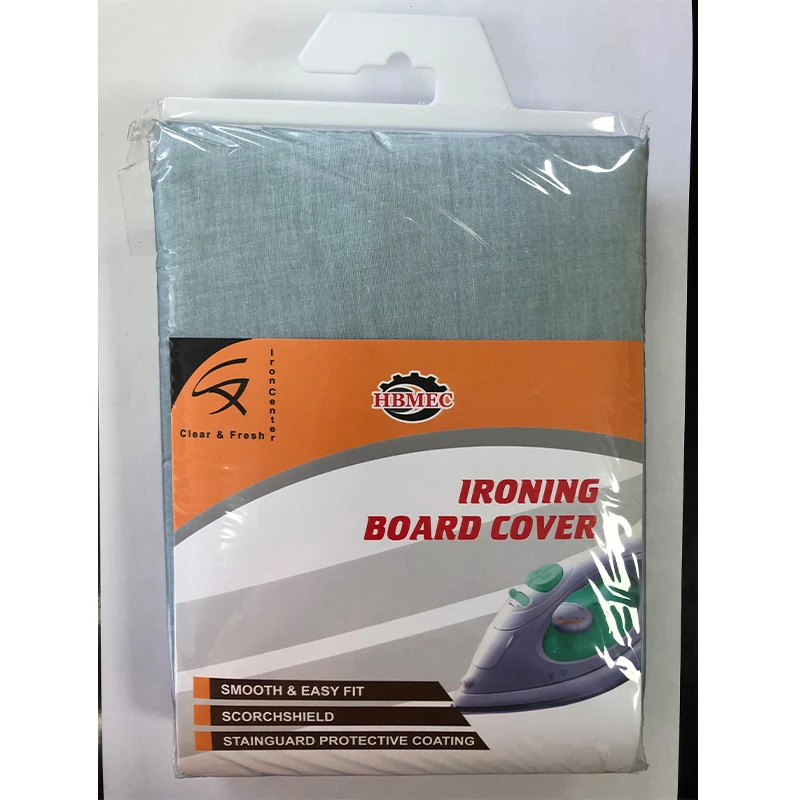
In plain terms, an organic ironing board cover is a fabric casing made primarily from certified organic natural fibers such as cotton or linen. It’s produced with strict adherence to organic farming principles—no synthetic pesticides or fertilizers—and commonly finished with natural dyes and treatments certified by organizations like GOTS (Global Organic Textile Standard).
The connection with modern industry is especially relevant as more manufacturers integrate environmental accountability. NGOs, boutique home brands, and even some mass-market companies now prioritize organic fabrics to respond to growing consumer demands for transparency and safety.
Core Components of Organic Ironing Board Covers
1. Durability
Many might assume organic textiles wear faster, but armed with proper weaving techniques and fiber choices, these covers can last longer than standard polyester blends. The tight handwoven cotton canvas or linen blends resist heat and abrasion—a must for ironing surfaces.
2. Heat Resistance
Organic covers often feature heat-reflective layers that improve ironing efficiency. Natural fibers don't melt under higher temperatures like some synthetics do—reducing the risk of burns or lingering odors.
3. Sustainability
Beyond cultivation, organic fibers are processed without hazardous chemicals that pollute waterways, making the covers truly green from seed to sewing machine.
4. Cost Efficiency
Initially, organic covers might come at a slight premium. But their durability and reduced need for replacement balance costs out, plus you gain peace of mind on health concerns.
5. Aesthetic & Comfort
Organic fabrics tend to have a softer, more natural texture. Plus, many come in earth-tone, minimal-dye varieties, perfectly complementing eco-conscious home decor.
Mini Takeaway:
If you’re looking for a product that balances comfort, performance, and sustainability, an organic ironing board cover delivers on multiple fronts—without compromise.
Global Applications: Where and Who Benefits?
Interestingly, organic ironing board covers have rapidly found popularity in regions with strong green consumer bases, like Northern Europe and parts of North America. But their reach stretches far beyond boutique homes.
Industrial laundries looking to green their operations, hospitality sectors aiming to reduce their chemical load, and even humanitarian missions in remote areas have adopted these covers. For example, NGOs providing housing and sanitation kits often include eco-friendly textile items to improve living standards sustainably. Switching to organic covers helps reduce potential chemical exposure for vulnerable populations, a small but thoughtful detail.
Example Use Case
In New Zealand, a pioneering eco-linen company outfitted several community laundromats with organic ironing board covers, emphasizing longevity and lower toxic profiles. The project led to a 15% decrease in replacement frequency and positive feedback on the quality and feel—a win for sustainability and user experience.
Mini Takeaway:
Whether home or commercial, embracing organic ironing board covers is not just a trend—it's a meaningful, measurable contribution to smarter textiles globally.
Advantages & Long-Term Value of Organic Covers
- Health & Safety: Keeping harmful chemicals out of your home supports respiratory health and skin safety, especially for sensitive users like children.
- Environmental Sustainability: Organic fibers ensure reduced pesticide use and water pollution, fitting into circular economy models.
- Cost Savings: Despite sometimes higher upfront costs, durability means less replacement and waste in the long term.
- Trust & Transparency: Certified organic standards give measurable proof of quality and ethics.
Specifications Table for a Popular Organic Ironing Board Cover
| Feature | Specification |
|---|---|
| Material | 100% GOTS Certified Organic Cotton Canvas |
| Thickness | 3mm (multi-layered) |
| Heat Resistance | Up to 220°C (428°F) |
| Eco-Certification | GOTS & OEKO-TEX Standard 100 |
| Dimensions | Approx. 54" x 15" (137cm x 38cm) |
| Warranty | 12 months |
Comparing Leading Organic Ironing Board Cover Vendors
| Brand | Material | Price Range | Certifications | Durability Rating |
|---|---|---|---|---|
| EcoIron | Organic Cotton + Wool Reflective Layer | $35–$45 | GOTS, OEKO-TEX | 9/10 |
| GreenPress | 100% Organic Linen | $30–$40 | GOTS | 8/10 |
| NaturCover | Organic Cotton Canvas + Natural Dyes | $25–$35 | OEKO-TEX | 7/10 |
Durability rating based on third-party user reviews and manufacturer specs over 12 months of typical use.
What’s Next? Future Trends in Organic Ironing Board Covers
There’s a quiet revolution brewing, frankly. Innovations in renewable plant-based fibers (like hemp and bamboo), combined with biodegradable heat-reflective coatings, are starting to hit the shelves. These advances promise even more eco-friendly, long-lasting covers that reduce climate impact and chemical use further.
We’re also seeing brands adopt digital tracking to assure consumers of origin, coupled with upcycling programs to reduce waste. It feels like the ironing board cover—once a dull household staple—has quietly stepped into the spotlight of sustainable design.
Challenges to Widespread Adoption & How They're Being Addressed
Cost remains a key barrier: organic raw materials and certification processes can add 10–20% to product price. Availability is another; fewer brands stock a comprehensive range, making it harder for consumers to find local options.
Innovative solutions include direct-to-consumer sales models, reducing middlemen, and partnerships with established apparel brands to leverage scale. Some companies also offer lifetime guarantees as a trust signal—kind of like saying, “we believe in our product for the long haul.” It all points to organic ironing board covers carving out a more significant market share soon.
FAQ: Common Questions About Organic Ironing Board Covers
Q1: How do organic ironing board covers differ from regular ones?
A1: Organic covers are made from certified natural fibers grown without synthetic chemicals, often treated with non-toxic finishes. This reduces harmful exposure and environmental impact compared to synthetic or chemically-treated covers.
Q2: Are organic ironing board covers heat-resistant?
A2: Yes. Despite being natural, high-quality organic fabrics like cotton canvas or linen are inherently heat-resistant and can handle typical ironing temperatures up to ~220°C without melting or releasing toxins.
Q3: Do organic covers cost significantly more?
A3: They can carry a modest premium upfront due to certification and production methods, but this is balanced by longer durability and health benefits, often making them more cost-effective over time.
Q4: Can I wash and maintain an organic ironing board cover easily?
A4: Absolutely. Most organic covers are machine washable and designed to withstand regular laundry. Avoid harsh bleaches to prolong life.
Q5: Where can I buy reliable organic ironing board covers?
A5: Several brands specialize in these products; check certifications like GOTS for authenticity. Our organic ironing board cover collection is a great starting point.
Conclusion: The Sustainable Choice You Didn’t Know You Needed
Choosing an organic ironing board cover might not sound like a huge life alteration, yet it’s part of a bigger shift toward conscious living. Long-term benefits include improved health within your home, reduced ecological harm, and greater product reliability. Next time you’re sprucing up your laundry area, think about the cover that holds it all together—literally and figuratively.
We invite you to explore more and join the movement: organic ironing board cover.
References:
1. United Nations, Sustainable Development Goals: Responsible Consumption and Production. sdgs.un.org/goals/goal12
2. Textile Industry Emissions Report, International Energy Agency (IEA), 2021. iea.org/reports/textiles
3. Global Organic Textile Standard (GOTS) overview. global-standard.org
-
Enhance Your Dining Space with a 52 by 70 tableclothNewsApr.16,2026
-
Choosing the Best Green Disposable Tablecloth for Your EventNewsApr.09,2026
-
Enhance Your Bedroom Decor with the Perfect Bedside Tablecloth GuideNewsApr.07,2026
-
Comprehensive Guide to Choosing the Perfect White Table Cloth Plastic for Your EventNewsApr.04,2026
-
Elevate Your Dining Space with a Stylish Modern Table CoverNewsMar.31,2026
-
Elevate Your New Years Celebration with the Perfect New Years Table ClothNewsMar.28,2026
-
Elevate Your Dining Experience with a Stunning Ocean TableclothNewsMar.26,2026