
Silicone Coated Ironing Board Cover – Durable, Heat-Resistant Solutions for Industry and Home
Silicone Coated Ironing Board Cover: What It Is and Why It Matters Globally
When it comes to ironing, the unsung hero is often the ironing board cover. Oddly enough, a simple silicone coated ironing board cover can make a world of difference—not just in home settings, but across multiple industries, including textile manufacturing and disaster relief. Understanding this product matters, especially when you consider its durability, heat resistance, and convenience on a global scale. Ironing board covers coated with silicone aren’t just practical for your morning routine; they address key industrial and humanitarian challenges, ensuring quality, safety, and efficiency.
Mini takeaway: The silicone coated ironing board cover is more than a household item—it’s a durable, heat-resistant tool with broad industrial and humanitarian implications.
Global Relevance of Silicone Coated Ironing Board Covers
Globally, textile industries generate trillions in revenue, and precise finishing is non-negotiable. According to Wikipedia’s Textile Industry overview, ironing is a critical step in textile craftsmanship. However, traditional materials often fail to endure the higher temperatures and repetitive use prevalent in industrial contexts. On the other hand, in humanitarian aid settings, especially in post-disaster zones, maintaining the quality and hygiene of clothing and linens is essential to protect victims’ dignity and health.
Manufacturers and NGOs alike turn to silicone coated covers because they resist scorching, last longer, and promote energy efficiency—helping reduce both costs and eco-impact. Interestingly, the ISO 105 standards for textile colorfastness emphasize the need for reliable ironing surfaces that don’t affect fabric quality.
Mini takeaway: Global textile and relief operations rely on silicone coated covers to balance quality, durability, and sustainability.
Defining Silicone Coated Ironing Board Covers
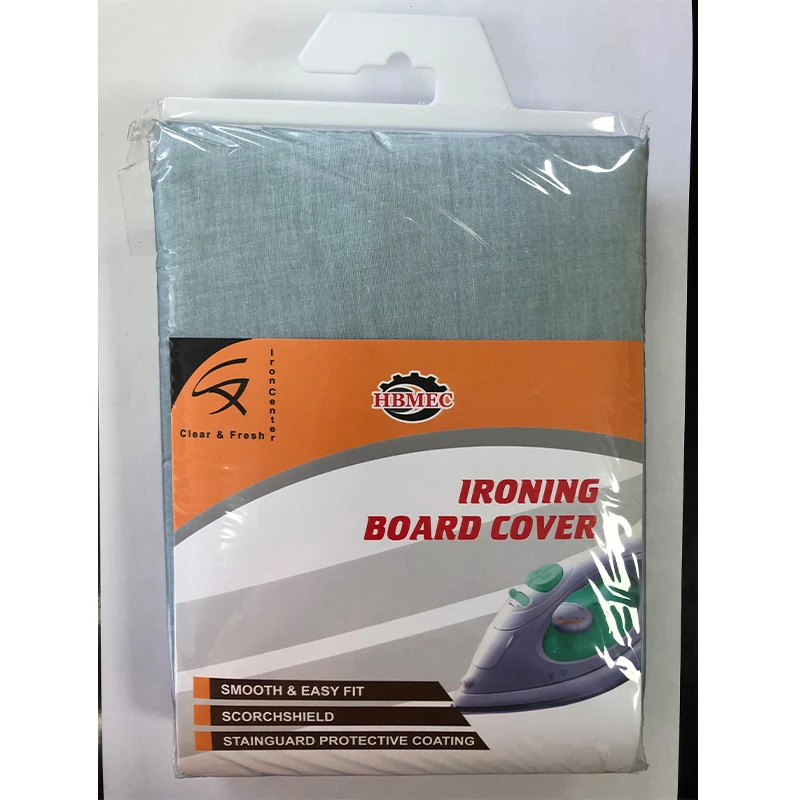
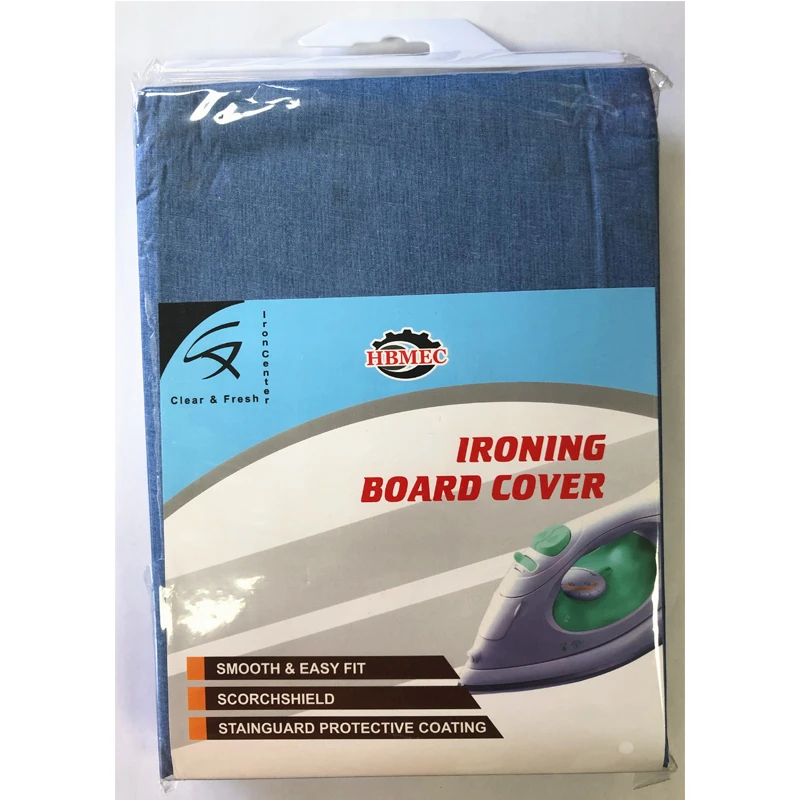
In the simplest terms, a silicone coated ironing board cover is a fabric cover, typically cotton or polyester, coated with a silicone layer. Silicone, a synthetic polymer, enhances its heat resistance and prevents scorching or sticking. This coating ensures the cover withstands high ironing temperatures while enabling smoother glide and reflecting heat evenly. Think of it like a protective shield that also improves ironing efficiency.
In industries, this means finished products are free from marks or damage, and in homes, it prevents accidental burns. Many workers in garment factories swear by them—you get fewer ironing stops and more consistent results, which frankly, everyone appreciates after hours of manual work.
Mini takeaway: Silicone coating transforms ordinary fabric covers into heat-tough, long-lasting ironing companions.
Core Components of Silicone Coated Ironing Board Covers
1. Durability
The silicone layer protects the fabric from heat degradation and abrasion. It typically extends the lifespan of the cover by 2-3 times compared to untreated counterparts. Industrial settings, in particular, benefit, because frequent ironing sessions demand resilience.
2. Heat Resistance
Silicone coatings can resist temperatures upward of 230°C (450°F) without melting or off-gassing harmful chemicals—crucial in both homes and factories to maintain safety and fabric integrity.
3. Ease of Maintenance
Thanks to silicone’s non-stick properties, stains and scorch marks are easier to clean. Manufacturers recommend simple wiping or mild washing, meaning longer intervals between full replacements.
4. Environmental Impact
Because covers last longer, there’s less waste. Plus, silicone as a material is stable and inert—it doesn’t contribute to microplastic release during use.
5. Cost Efficiency
Though a bit pricier upfront, the longevity and reduced replacement costs make these covers an economical choice over time.
6. Aesthetics & Comfort
The surface tends to be smoother, enhancing user experience and reducing frustration from uneven ironing surfaces.
Mini takeaway: Silicone coating offers an impressive balance of durability, usability, and sustainability.
Product Specification Table: Typical Silicone Coated Ironing Board Cover
| Feature | Specification | Notes |
|---|---|---|
| Material Base | Cotton or Polyester | Breathable and firm backing |
| Silicone Layer Thickness | 80-120 microns | Ensures optimal heat resistance |
| Heat Resistance | Up to 230°C / 450°F | Safe for commercial use |
| Durability | 3 years average lifespan | Depends on use frequency |
| Cleaning | Wipe or mild wash | Easy maintenance recommended |
Global Applications & Use Cases
From garment factories in Bangladesh to hotel laundries in Europe and remote aid camps in Africa, silicone coated ironing board covers see action everywhere. In post-disaster relief, for example, NGOs rely on durable and easy-to-clean covers to help efforts focused on clothing sanitation. Over in textile manufacturing hubs, they speed production, reduce defects, and increase worker safety from burns or irritants.
In remote industrial zones, where equipment maintenance is tougher, these covers help minimize downtime by reducing frequent replacements. An engineering manager in Vietnam once remarked, “It feels like investing in silicone coated covers paid for itself within the first production cycle.” For home users, the ease of use and long life are rapidly increasing appeal globally.
Mini takeaway: Silicone coated covers aid diverse sectors worldwide—from industrial powerhouses to remote humanitarian efforts.
Vendor Comparison Table
| Vendor | Material Quality | Price Per Unit | Lead Time | Special Features |
|---|---|---|---|---|
| HBMEC Textiles | Premium cotton base + 120 micron silicone | $12.50 | 2 weeks | Custom sizing, eco-friendly coating |
| TexCo | Polyester base + 100 micron silicone | $10.00 | 4 weeks | Standard sizing only |
| SilPro | Cotton base + 90 micron silicone | $14.00 | 3 weeks | Integrated heat reflective layer |
Advantages & Long-Term Value
Choosing a silicone coated ironing board cover is not just about price—it’s about reliability, sustainability, and feeling safe that your fabrics won’t get ruined. It reduces fabric waste by preventing scorching and burns, which saves money and cuts environmental strain. For businesses, it translates to fewer product returns and higher customer satisfaction.
Emotionally, instead of dreading uneven or scorched finishes, users gain confidence and pride in their work or home chores. This small innovation conveys respect for quality and care. Innovation in materials echoes in trust—once you try a good silicone coated cover, switching back feels like stepping backwards.
Future Trends & Innovations
Looking forward, manufacturers are combining silicone coating with nano-technology treatments that repel stains and even bacteria, aligning with growing hygiene demands post-pandemic. Additionally, sustainable sourcing and green energy-powered processes are becoming industry standards to lower carbon footprints.
Automation in manufacturing also means more customizable covers can be produced faster, and smart ironing boards with sensors might use these covers to optimize ironing temperature dynamically. So, there’s a fascinating intersection of traditional textile finishing and digital transformation unfolding.
Challenges & Solutions
Of course, there are hurdles. Silicone coated covers can be pricier initially and sometimes less available in smaller markets. Some users also find that thick silicone coatings alter the 'feel' or rigidity of the ironing surface. However, vendors like HBMEC Textiles offer custom thickness options to balance softness and durability, and educational resources help users get the most out of these covers.
Longevity also depends on maintenance; improper cleaning may degrade silicone layers prematurely. Experts recommend following precise washing instructions, and innovations in self-cleaning coatings could soon solve these pain points.
Frequently Asked Questions About Silicone Coated Ironing Board Covers
- Q: What makes silicone coated ironing board covers better than regular ones?
A: They provide superior heat resistance, durability, and are much less susceptible to burns, resulting in longer lifespan and better ironing performance. - Q: How long does a silicone coated cover typically last?
A: Generally, 2-3 years with regular use, depending on maintenance and ironing frequency. - Q: Are these covers easy to clean?
A: Yes. Silicone’s non-stick properties allow you to wipe stains easily or gently wash them without damaging the coating. - Q: Can I get custom sizes for industrial ironing boards?
A: Many suppliers, including HBMEC Textiles, provide custom sizing to fit unique board shapes or dimensions. - Q: Are silicone coated covers eco-friendly?
A: Silicone is inert and stable, reducing waste through durability; some manufacturers focus on eco-conscious coatings and materials.
Conclusion
In real terms, investing in a good silicone coated ironing board cover is about valuing durability, safety, and efficiency in one neat package. Whether you’re ironing at home, running a commercial laundry, or supporting disaster relief efforts, these covers offer a long-term solution that blends technological savvy with practical needs. Interested in upgrading your ironing experience? Visit HBMEC Textiles to explore high-quality, customizable options designed for your exact needs.
Mini takeaway: Silicone coated ironing board covers are small innovations that deliver major long-term benefits across industries and households.
References:
1. Textile Industry - Wikipedia
2. ISO 105 - Textile Color Fastness
3. World Health Organization - Emergencies & Disasters
-
Enhance Your Dining Space with a 52 by 70 tableclothNewsApr.16,2026
-
Choosing the Best Green Disposable Tablecloth for Your EventNewsApr.09,2026
-
Enhance Your Bedroom Decor with the Perfect Bedside Tablecloth GuideNewsApr.07,2026
-
Comprehensive Guide to Choosing the Perfect White Table Cloth Plastic for Your EventNewsApr.04,2026
-
Elevate Your Dining Space with a Stylish Modern Table CoverNewsMar.31,2026
-
Elevate Your New Years Celebration with the Perfect New Years Table ClothNewsMar.28,2026
-
Elevate Your Dining Experience with a Stunning Ocean TableclothNewsMar.26,2026