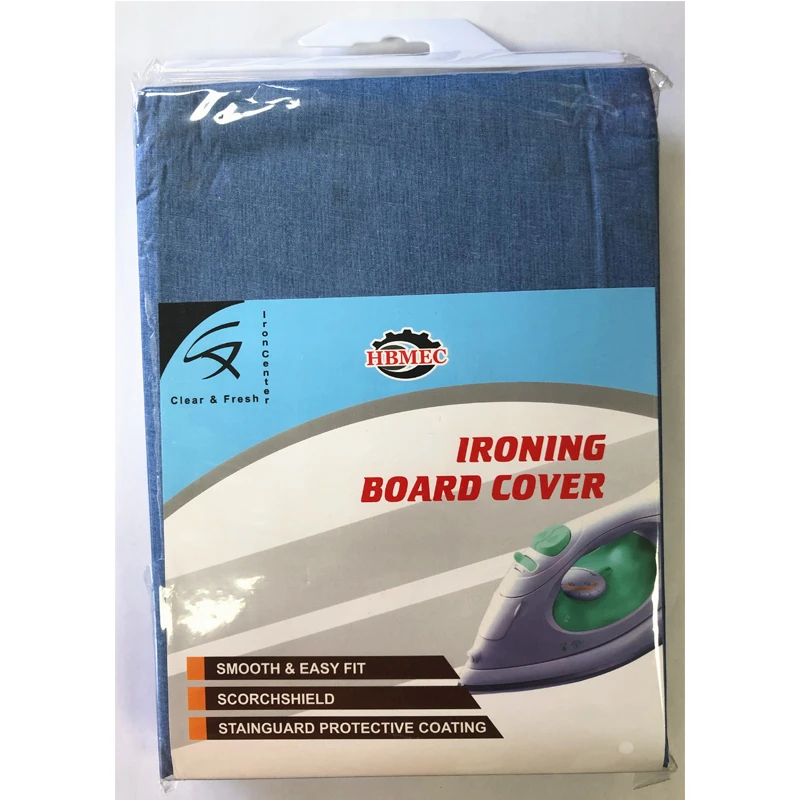

Silicone Iron Cover: Durable Heat-Resistant Protection for Irons & Fabrics
Understanding the Silicone Iron Cover: A Lightweight Shield for Every Ironing Task
If you’ve ever dealt with a popped iron plate or scorched clothing, you might appreciate how crucial a silicone iron cover really is. This somewhat humble, yet brilliant accessory serves as a protective layer between your iron and fabrics — preventing marks, burns, and even extending your iron’s lifespan. But beyond household use, the importance of silicone iron covers goes far deeper, influencing industries worldwide, from textile manufacturing to humanitarian relief operations.
Why Global Awareness of Silicone Iron Covers Matters
At first blush, the humble silicone iron cover might not seem like a global game-changer — but consider this: according to data from the International Labour Organization (ILO), over 60 million workers globally are engaged in garment and textile production. For them, a reliable silicone iron cover reduces workplace hazards and improves efficiency. In humanitarian contexts, where temporary shelters and clothing repairs are vital, these covers help maintain dignity and safety in some pretty harsh conditions. Many industries rely on this simple tool to ensure quality, safety, and cost control — that’s why understanding its design, benefits, and potential is worthwhile for anyone engaged in textiles or irons in any capacity.
What Is a Silicone Iron Cover — Really?
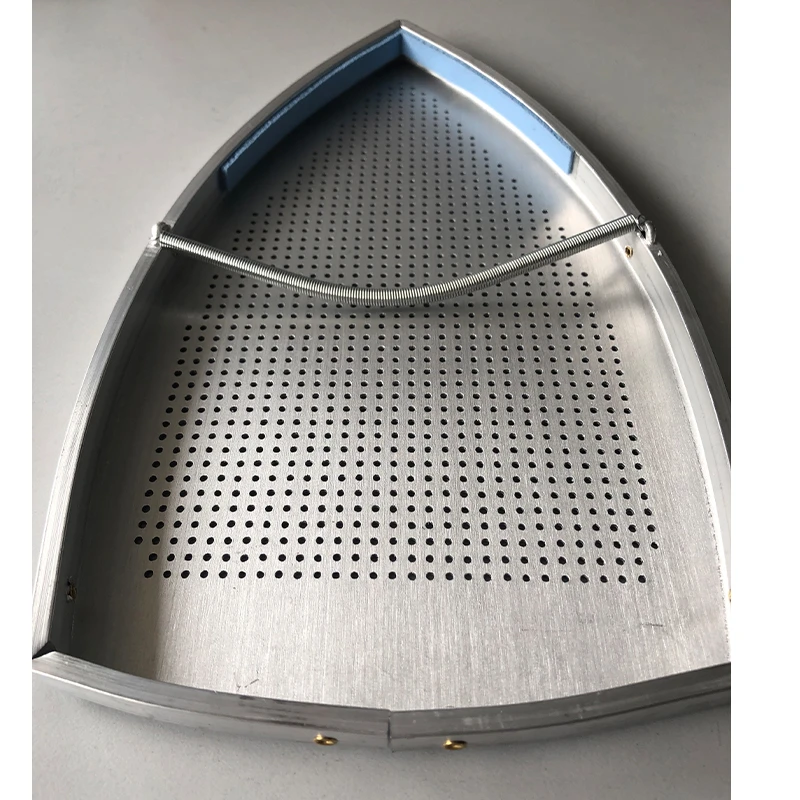
Simply put, a silicone iron cover is a thin, heat-resistant sheet made from silicone rubber that slips over the base of an iron. It forms a gentle barrier between the hot soleplate and the fabric underneath. This stops direct metal-to-fabric contact, which can cause scorch marks, shine effects, or melting — often disastrous for delicate and synthetic textiles. The cover’s non-stick properties mean it resists buildup like starch or adhesives, making it easier to maintain both the iron and your clothing.
In modern industries, especially textile manufacturing and garment finishing, these covers are invaluable tools, protecting not just fabrics but delicate patterns and finishes. Oddly enough, they even find uses in aid organizations where quick clothing repairs maintain community dignity after disasters.
Core Features of Silicone Iron Covers
Durability and Heat Resistance
Silicone iron covers handle temperatures up to around 230°C (450°F) without degrading — crucial for fabrics needing high heat for creasing or sterilization. Their sturdy, flexible construction means they last longer than alternatives like Teflon sheets, which can tear or deform quickly.
Non-stick Surface
The cover’s surface naturally repels adhesives, starch, and melted fibers, helping irons avoid clogging. This means better ironing sessions, fewer cleanings, and ultimately, longer iron life.
Fabric Protection
Because of their insulation and softness, silicone covers safeguard sensitive fabrics — silk, polyester, rayon — from stained or shiny spots, expanding the range of textiles safe to press.
Ease of Maintenance
Most covers are washable with mild soap and water, making ongoing care straightforward. This reduces costly downtime and keeps the cover performing at peak.
Cost Efficiency
Though pricier initially than some disposable alternatives, silicone covers are cost-effective over time due to their longevity and protective qualities — they save money on fabric and iron repairs.
| Feature | Specification | Typical Value |
|---|---|---|
| Material | Silicone Rubber | Food-grade, Heat resistant |
| Max Operating Temp | Up to | 230°C (450°F) |
| Thickness | Measured in mm | 0.5 - 1.5 mm |
| Dimensions | Fits soleplate sizes | Varies (Standard & custom sizes) |
| Lifespan | Typical Usage | 6-18 months (industrial) |
Global Applications: Where Silicone Iron Covers Shine
You might think this is just a household helper — but in real terms, using silicone iron covers spans many industries and regions.
- Textile and Apparel Manufacturing (Asia, Europe): Mass production lines rely on these covers to prevent fabric damage during pressing.
- Humanitarian Relief Efforts (Africa, South Asia): In disaster zones, field workshops use irons fitted with covers to mend clothing, maintaining dignity under tough conditions.
- Hospitality Industry (Worldwide): Hotels and uniform services use covers to achieve fast, flawless ironing while protecting delicate fabrics.
- Remote Industrial Zones: Portable irons with covers provide maintenance solutions where workforce safety and equipment longevity matter.
Honestly, the silicone iron cover quietly supports quality and safety in places we might overlook — a useful piece of gear for many.
Advantages & Long-Term Value
Besides the obvious protective functions, these covers offer some surprisingly impactful benefits:
- Cost Savings: By preventing fabric damage and iron plate wear, they reduce replacement and repair expenses.
- Sustainability: Longevity reduces waste; silicone is recyclable in some facilities — plus, fewer damaged garments mean less landfill.
- Workplace Safety: Reduces risks of burns or fabric ignitions, adding peace of mind for workers.
- Trust & Innovation: Many engineers say relying on quality protective gear nurtures innovation by allowing experimentation without fear of damage.
Future Trends: What’s Next For Silicone Iron Covers?
The future looks promising. Some emerging directions:
- Eco-Friendly Silicone Compositions: New bio-based silicones lower environmental impact.
- Smart Covers with Sensors: Imagine a cover that alerts you if the iron is overheating or fabric is scorched.
- Integration into Automated Pressing Machines: Covers adapted for industrial robot ironing lines enhance durability and performance.
- Customization: Tailored sizes and shapes for niche industrial irons becoming mainstream.
Challenges & Solutions
Despite many perks, there are some practical bumps:
- Initial Cost: Higher than disposable sheets, which can deter smaller operations.
- Fit & Compatibility: Not all irons easily accommodate covers, and improper fit can reduce effectiveness.
- Wear Over Time: Silicone can degrade if exposed to certain chemicals or rough use.
Innovation and education help: manufacturers offer fitting guides, and some companies trial rental programs for costly coverings. Plus, ongoing R&D targets more robust formulations.
Silicone Iron Cover FAQ
- Q1: How long does a silicone iron cover typically last?
- A1: Lifespan varies by usage; under industrial conditions, expect 6-18 months. For home use, it can last several years with gentle care.
- Q2: Can a silicone iron cover be used on all types of irons?
- A2: Mostly yes but check compatibility, especially with steam or specialty irons. Custom sizes are often available for unusual plates.
- Q3: How does silicone compare with Teflon covers?
- A3: Silicone is generally more durable and flexible, tolerates higher temperatures, and doesn’t tear as easily — though Teflon is thinner and sometimes cheaper.
- Q4: Is it difficult to clean silicone iron covers?
- A4: Not at all. Soap and water suffice for typical residue; avoid harsh abrasives which can damage the surface.
- Q5: Are silicone iron covers eco-friendly?
- A5: Silicone is more sustainable than many disposables and can be recycled in specialized facilities, making it a greener choice in many cases.
| Vendor | Material Quality | Price Range (USD) | Customization Options | Typical Industries Served |
|---|---|---|---|---|
| SilCover Inc. | Premium food-grade silicone | 20–50 | Yes (sizes & shapes) | Apparel, hospitality, home use |
| HeatGuard Solutions | Industrial-grade silicone with special coatings | 30–65 | Limited custom tooling | Textile manufacturing, industrial pressing |
| EcoIron Cover Co. | Bio-based silicone blends | 25–55 | Yes, with sustainable focus | Humanitarian, eco-conscious businesses |
Summary and Call to Action
In the grand scheme, the silicone iron cover is an unassuming but essential innovation — protecting fabrics, improving safety, and extending equipment life across the globe. Whether you’re a textile manufacturer in Asia, a hospitality manager in Europe, or part of a humanitarian relief effort in Africa, embracing this simple tool pays off in fewer damages, more efficiency, and less environmental waste.
Curious to explore options or custom solutions? Visit our website at https://www.hbmectextiles.com to learn more about silicone iron covers designed with quality and sustainability in mind.
A small shield offering big protection — that’s the promise of the silicone iron cover.
-
Enhance Your Dining Space with a 52 by 70 tableclothNewsApr.16,2026
-
Choosing the Best Green Disposable Tablecloth for Your EventNewsApr.09,2026
-
Enhance Your Bedroom Decor with the Perfect Bedside Tablecloth GuideNewsApr.07,2026
-
Comprehensive Guide to Choosing the Perfect White Table Cloth Plastic for Your EventNewsApr.04,2026
-
Elevate Your Dining Space with a Stylish Modern Table CoverNewsMar.31,2026
-
Elevate Your New Years Celebration with the Perfect New Years Table ClothNewsMar.28,2026
-
Elevate Your Dining Experience with a Stunning Ocean TableclothNewsMar.26,2026