
Slip-Resistance of Shopping Cart Liner
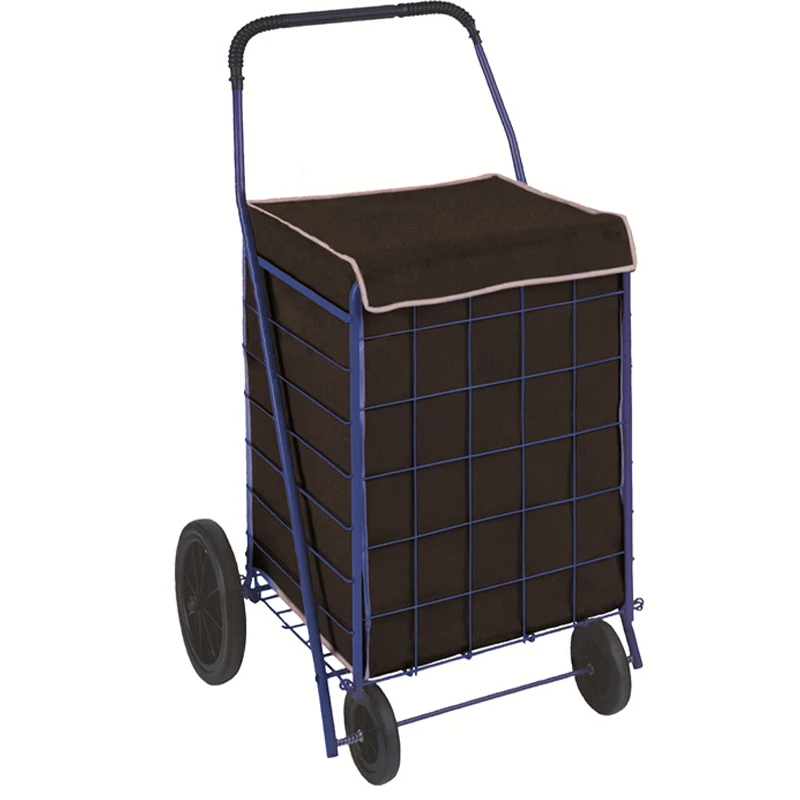
When selecting protective solutions for your retail or warehouse equipment, the slip-resistance of a shopping cart liner plays a crucial role in both safety and functionality. Whether you're using a standard cart liner for grocery stores or a heavy-duty utility cart liner for industrial applications, understanding how to maximize grip and prevent accidents is essential. This article explores the importance of slip-resistant features in these liners, the materials that enhance traction, and best practices for maintaining secure placement during use.
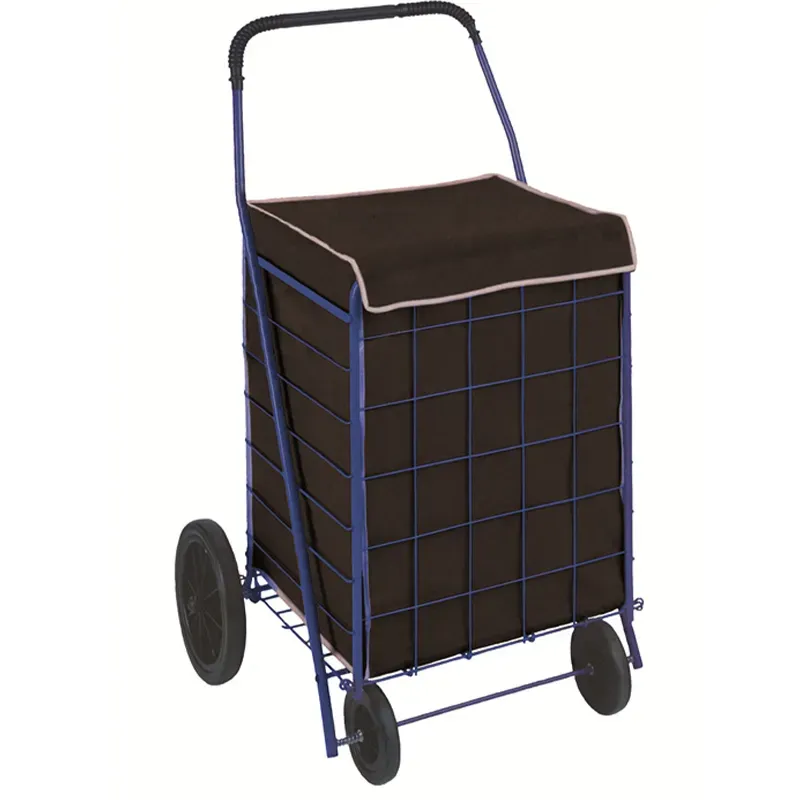
Key Features of a Slip-Resistant Cart Liner
The effectiveness of a cart liner in staying put depends on several design elements. Many premium liners incorporate non-slip backing materials such as rubberized coatings, silicone dots, or textured fabrics that grip the cart's surface. The weight and thickness of the liner also contribute to its stability—a heavier cart liner is less likely to shift than a lightweight one. Some designs feature elasticized corners or adjustable straps that secure the liner to the cart's frame, providing additional anti-slip protection. For utility cart liner applications, reinforced edges and thicker materials offer enhanced durability while maintaining the crucial slip-resistant qualities needed in demanding work environments.
Material Considerations for Your Utility Cart Liner
When selecting a utility cart liner for industrial or commercial use, material choice significantly impacts both slip-resistance and longevity. Vinyl and PVC options are popular for their durability and natural grip, while some fabric liners incorporate rubberized backing for added traction. Mesh designs allow for airflow while still providing excellent surface grip, making them ideal for wet or humid conditions where slipping might be a greater concern. For food service applications, FDA-approved silicone utility cart liner options combine hygiene requirements with superior non-slip performance. The material should not only resist movement on the cart surface but also provide enough friction to keep tools, parts, or products from sliding around during transport.
Maintaining the Slip-Resistance of Your Shopping Cart Liner
To preserve the slip-resistant qualities of your shopping cart liner, proper care and maintenance are essential. Regular cleaning removes dirt and debris that can reduce traction between the liner and cart surface. For rubber-backed liners, occasional wiping with a mild soap solution helps maintain grip without damaging the material. Avoid using harsh chemicals that might break down the slip-resistant coatings. When not in use, store cart liners flat or rolled rather than folded to prevent creases that could affect their ability to lie flat. Periodically inspect your utility cart liner for signs of wear, particularly in high-friction areas where the anti-slip properties might degrade first.
Comparing Slip-Resistant Solutions Across Different Cart Liner Types
While all quality liners incorporate some slip-resistant features, the specific needs vary between a standard shopping cart liner and a heavy-duty utility cart liner. Retail cart liners typically prioritize easy cleaning and subtle aesthetics while still providing sufficient grip for consumer use. In contrast, industrial-grade utility cart liner solutions often feature more aggressive traction patterns and heavier materials to handle tools, machinery parts, or other substantial loads. Some specialized liners even include raised edges or compartments to contain items more securely. Understanding these differences helps select the right liner with appropriate slip-resistance for your specific application, whether it's for gentle grocery transport or rugged industrial use.
Cart Liner FAQs
How Do I Know If My Shopping Cart Liner Has Lost Its Slip-Resistance?
If your shopping cart liner moves easily when the cart is in use or items slide more than usual, the slip-resistant properties may be wearing out. Visible smoothing of textured surfaces is another warning sign.
Can I Make My Existing Cart Liner More Slip-Resistant?
While you can't restore worn coatings, adding non-slip shelf liner underneath or using double-sided tape at the corners can temporarily improve grip for an aging cart liner.
Are Thicker Utility Cart Liners Always More Slip-Resistant?
Not necessarily—while thickness adds weight, the backing material and surface texture are more important factors in a utility cart liner's slip-resistance.
How Often Should I Replace My Shopping Cart Liner for Optimal Safety?
Replace your shopping cart liner when you notice significant loss of grip, visible wear in high-contact areas, or if it no longer stays securely in place during normal use.
Can a Utility Cart Liner Be Used Interchangeably Between Different Cart Types?
While possible, optimal slip-resistance requires a utility cart liner sized specifically for your cart's dimensions to ensure proper coverage and edge security.
Upgrade to Premium Slip-Resistant Liners Today,Don't compromise on safety and functionality—invest in high-quality, slip-resistant shopping cart liner solutions that stay securely in place. Whether you need reliable retail cart protection or rugged utility cart liner options for industrial applications, our collection offers superior traction and durability. Visit our website today to explore our range of professionally designed liners that combine safety, performance, and value for all your cart protection needs!
-
Enhance Your Dining Space with a 52 by 70 tableclothNewsApr.16,2026
-
Choosing the Best Green Disposable Tablecloth for Your EventNewsApr.09,2026
-
Enhance Your Bedroom Decor with the Perfect Bedside Tablecloth GuideNewsApr.07,2026
-
Comprehensive Guide to Choosing the Perfect White Table Cloth Plastic for Your EventNewsApr.04,2026
-
Elevate Your Dining Space with a Stylish Modern Table CoverNewsMar.31,2026
-
Elevate Your New Years Celebration with the Perfect New Years Table ClothNewsMar.28,2026
-
Elevate Your Dining Experience with a Stunning Ocean TableclothNewsMar.26,2026