The humble padded ironing board cover is often overlooked, yet it represents a significant intersection of household convenience, textile innovation, and even safety. A well-chosen padded ironing board cover not only protects the ironing board itself but also significantly impacts the quality of ironing, leading to crisper clothes and a more efficient household routine. Understanding the nuances of these covers – from materials and construction to heat resistance and longevity – is crucial for consumers seeking optimal performance and value.
Globally, the demand for ironing board covers is consistently high, driven by a continued preference for pressed clothing in both professional and personal settings. While some regions see a shift towards wrinkle-resistant fabrics, the need for occasional touch-ups and specialized ironing (e.g., for delicate materials) ensures a sustained market. This demand translates into a complex supply chain involving textile manufacturers, board producers, and retail distributors, impacting economies worldwide.
The importance of a quality padded ironing board cover extends beyond mere aesthetics. It's a key element in preventing scorching, protecting delicate fabrics, and ensuring a smooth ironing experience. Choosing the right cover can enhance the lifespan of both the ironing board and the clothes being pressed, representing a practical and economic benefit for households around the globe.
The Significance of Padded Ironing Board Covers
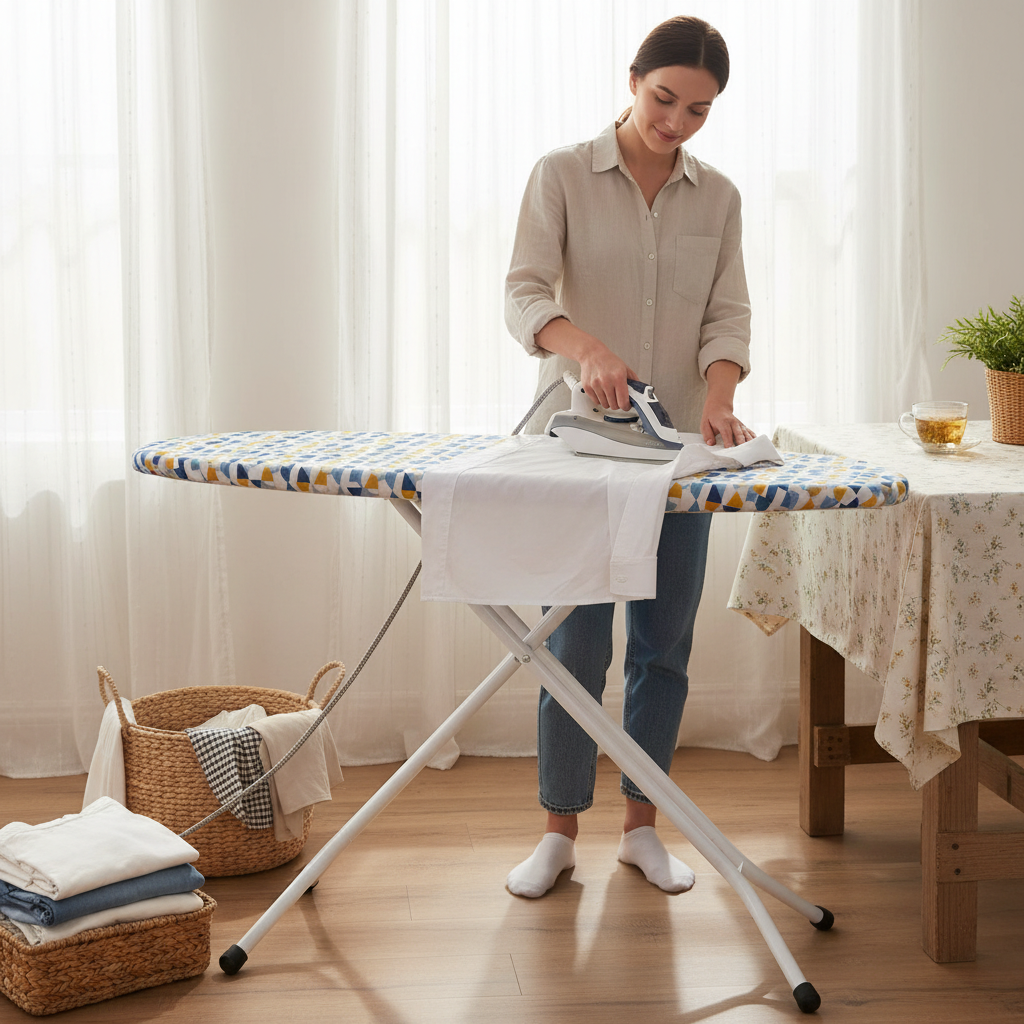
The significance of a padded ironing board cover extends far beyond simply protecting the board’s surface. It fundamentally influences the ironing process itself, impacting the quality of the finished result and the longevity of both your clothes and the ironing board. A superior padded ironing board cover provides a smooth, even surface for ironing, preventing unwanted creases and reducing the risk of scorching delicate fabrics.
Furthermore, the padding itself contributes to a more comfortable ironing experience, reducing strain and fatigue. The selection of materials – from the outer cover fabric to the inner padding – plays a crucial role in heat retention, steam diffusion, and overall durability, making the cover an essential component of any effective ironing setup.
Defining the Padded Ironing Board Cover
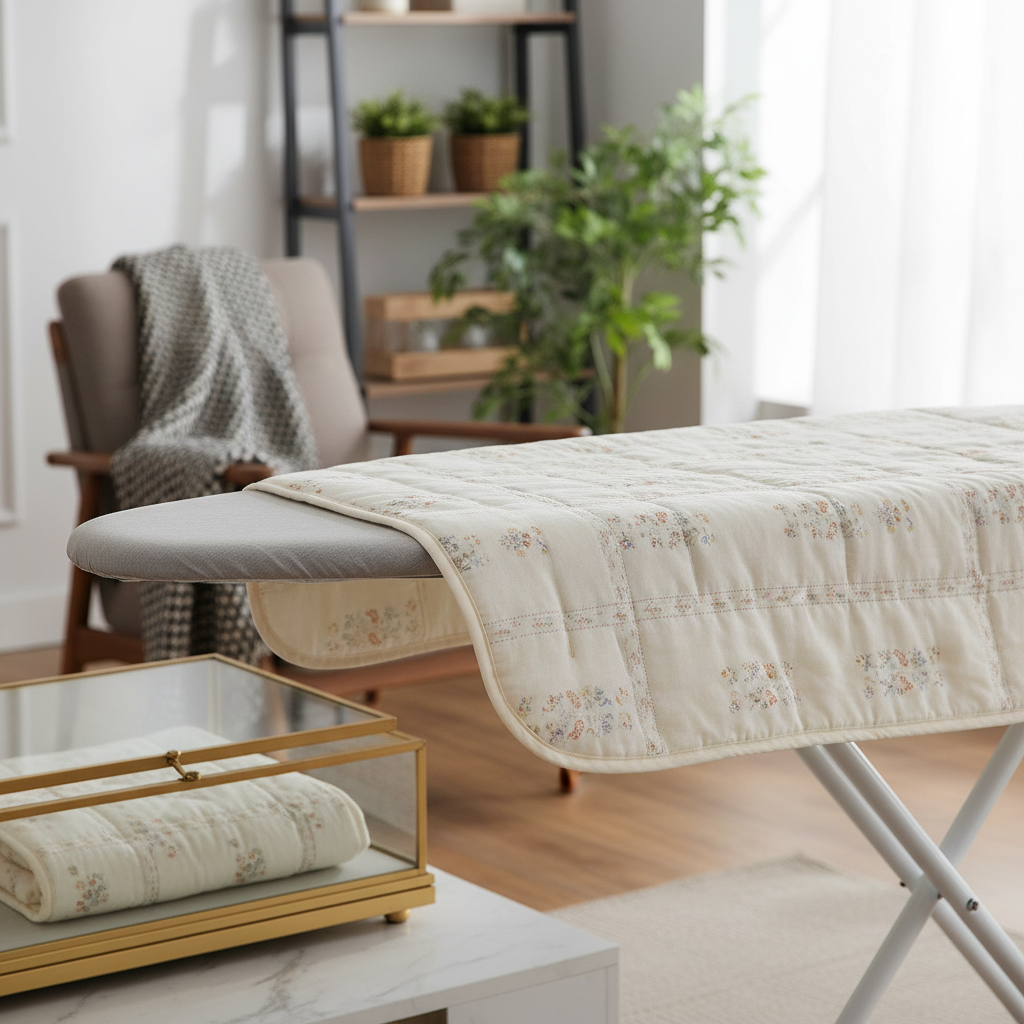
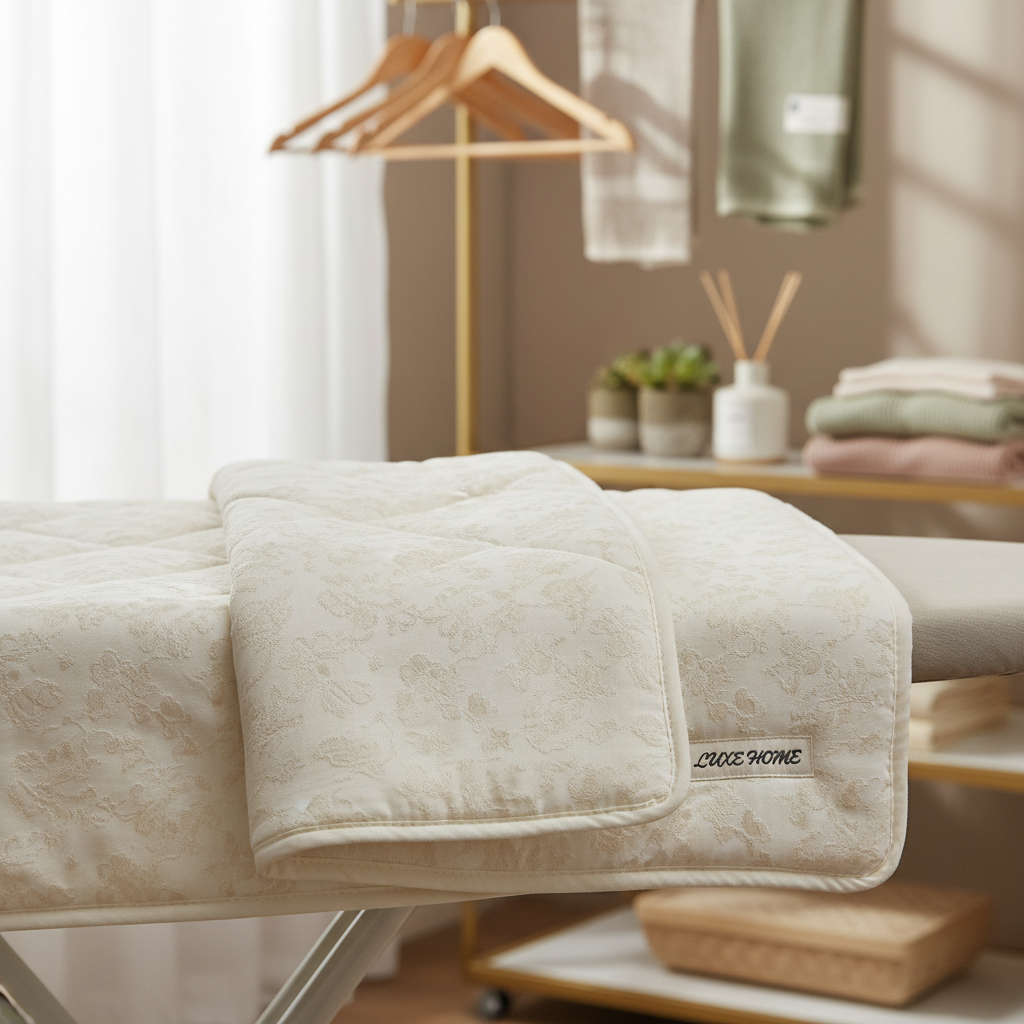
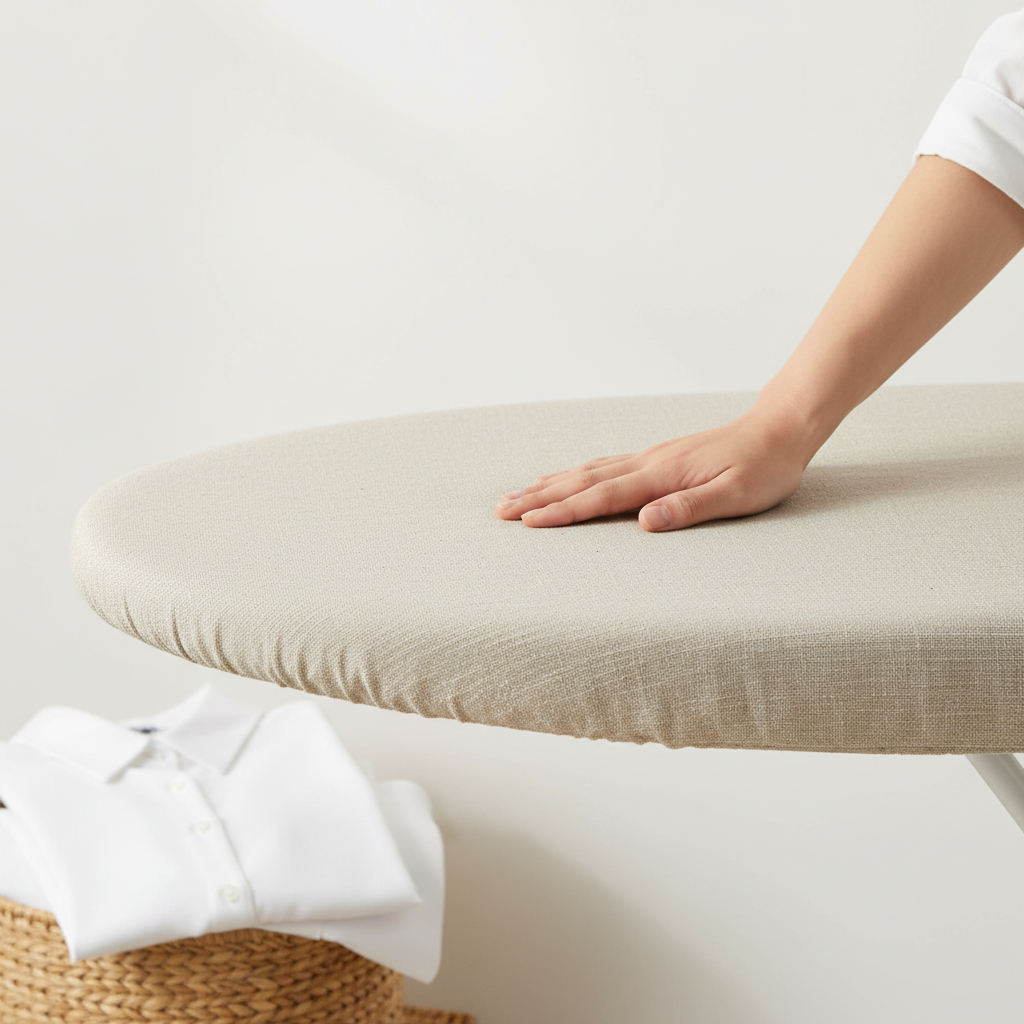
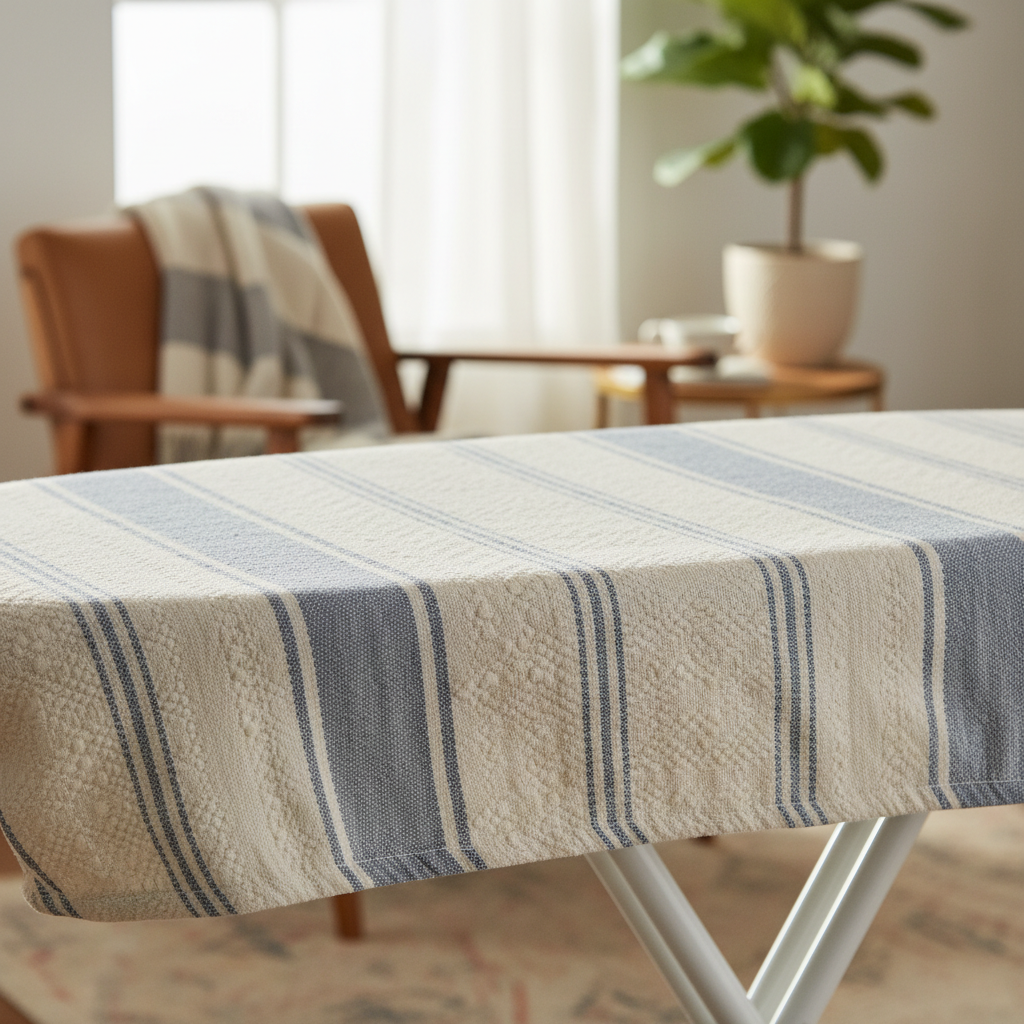
A padded ironing board cover is a protective layer designed to fit securely over the surface of an ironing board. It typically consists of two primary components: an outer fabric layer and an inner padding layer. The outer fabric, commonly made from cotton, polyester, or a blend of both, provides the visible surface for ironing and is responsible for heat resistance and durability.
The inner padding, often constructed from layers of felt, foam, or batting, provides cushioning and ensures a smooth ironing surface. This padding not only protects the underlying board but also helps distribute heat evenly, minimizing the risk of scorching. A well-designed padded ironing board cover will feature a snug fit with ties or elastic to secure it firmly to the board.
In modern industry, the design and manufacture of these covers have become increasingly sophisticated, with advancements in materials science leading to covers offering improved heat reflectivity, stain resistance, and overall performance. This exemplifies how even seemingly simple household items can benefit from continuous innovation.
Core Components of Quality Covers
The quality of a padded ironing board cover hinges on several core components, each contributing to its overall performance and longevity. First and foremost is the outer fabric. Cotton offers breathability and a natural feel, while polyester provides durability and wrinkle resistance. Blends often offer a balance of both. The weave of the fabric also matters, with tighter weaves offering better heat resistance.
Secondly, the inner padding is critical. A thicker, denser padding provides a smoother ironing surface and better heat distribution. Materials like felt and high-density foam are preferred for their heat-absorbing properties and resilience. The quality of the stitching and binding also plays a vital role in preventing fraying and ensuring a secure fit.
Finally, the securing mechanism – whether it’s ties, elastic, or a combination – determines how well the cover stays in place during use. A secure fit prevents shifting, ensuring a consistent ironing surface and enhancing safety. Investing in a cover with high-quality components translates to a more efficient and enjoyable ironing experience.
Key Factors Influencing Performance
Several key factors influence the performance of a padded ironing board cover. Durability, directly linked to the quality of materials and construction, determines how long the cover will withstand repeated use and heat exposure. Heat resistance is paramount, protecting both the cover itself and the fabrics being ironed.
Steam diffusion is another crucial element, allowing steam to penetrate fabrics effectively for wrinkle removal. A cover that restricts steam can lead to uneven ironing and potentially damage delicate materials. The ability to maintain a snug fit is also essential for a consistent ironing surface.
Padded Ironing Board Cover Performance Metrics
Global Applications and Market Reach
The market for padded ironing board covers is truly global, spanning both developed and developing nations. In North America and Europe, demand is driven by a strong tradition of pressed clothing and a focus on household convenience. Asia-Pacific represents a rapidly growing market, fueled by increasing disposable incomes and a rising middle class.
In post-disaster relief operations, even simple items like a padded ironing board cover can contribute to a sense of normalcy and dignity for displaced individuals. In remote industrial zones and garment factories, durable covers are essential for maintaining efficient production processes. The consistent need for pressed garments across various industries ensures a steady demand worldwide.
Advantages and Long-Term Value Proposition
Choosing a high-quality padded ironing board cover offers a multitude of advantages. Cost-effectively protecting your ironing board extends its lifespan, avoiding costly replacements. The enhanced ironing experience—smoother, faster, and more efficient—saves time and effort.
From a sustainability perspective, a durable cover reduces waste. The improved quality of ironing translates to better-maintained clothes, reducing the need for frequent replacements. Furthermore, the sense of satisfaction derived from a well-pressed garment contributes to a feeling of confidence and well-being. The long-term value of a reliable cover far outweighs the initial investment.
Future Trends and Innovation in Cover Technology
The future of padded ironing board cover technology is likely to see a greater emphasis on sustainability and smart materials. We can anticipate covers made from recycled fabrics and bio-based padding, reducing environmental impact. Integration of heat-reflective coatings and improved steam diffusion technologies will further enhance performance.
Digital integration, perhaps through sensors that monitor temperature and pressure, could offer real-time feedback to users, optimizing the ironing process. Automation in manufacturing processes will lead to more efficient production and potentially lower costs. These innovations will continue to elevate the humble ironing board cover to a more sophisticated and valuable household item.
The application of nanotechnology for stain-resistance and enhanced heat control is also a potential avenue for future development, offering long-lasting protection and superior performance for the padded ironing board cover.
FAQS
The "best" material depends on your needs. Cotton is breathable and feels natural, but polyester is more durable and wrinkle-resistant. A blend often offers a good compromise. Consider heat resistance and ease of cleaning. Look for a cover with a tightly woven fabric for better heat protection and stain resistance. A high-quality padded ironing board cover will offer a significant improvement over basic materials.
The lifespan of your cover depends on frequency of use and quality. Inspect it regularly for signs of wear and tear, such as fraying, staining, or loss of padding. If it's visibly damaged or no longer provides a smooth ironing surface, it's time to replace it. Typically, a well-maintained cover should last between 1-3 years.
Yes, most padded ironing board covers are washable. However, always check the care instructions on the label. Typically, machine washing on a gentle cycle with cold water and mild detergent is recommended. Avoid harsh chemicals or bleach. Tumble dry on low heat or hang to dry. Ensure the cover is completely dry before re-attaching it to the board.
Ensure the cover is the correct size for your ironing board. Most covers come with elastic straps or ties to secure them. Stretch the elastic firmly around the board or tie the straps tightly. A snug fit is essential for a smooth, consistent ironing surface. If your cover is too loose, it may shift during use.
The padding is crucial for providing a smooth, even surface for ironing. It absorbs heat, preventing scorching of fabrics, and helps distribute steam effectively for wrinkle removal. A thicker, denser padding generally provides better performance. A good padded ironing board cover ensures a more comfortable and efficient ironing experience.
Yes, some covers are specifically designed for delicate fabrics like silk or lace. These covers often feature a smoother, more reflective surface to prevent scorching and reduce the risk of damage. They may also be made from more breathable materials to allow for better steam penetration. Check product descriptions for "delicate fabric" compatibility.
Conclusion
In conclusion, the padded ironing board cover is far more than a mere accessory; it’s a critical component of a smooth, efficient, and safe ironing process. From the materials used to the quality of construction, every element contributes to its overall performance and longevity. Understanding these factors empowers consumers to make informed choices, maximizing their investment and enjoying consistently well-pressed clothes.
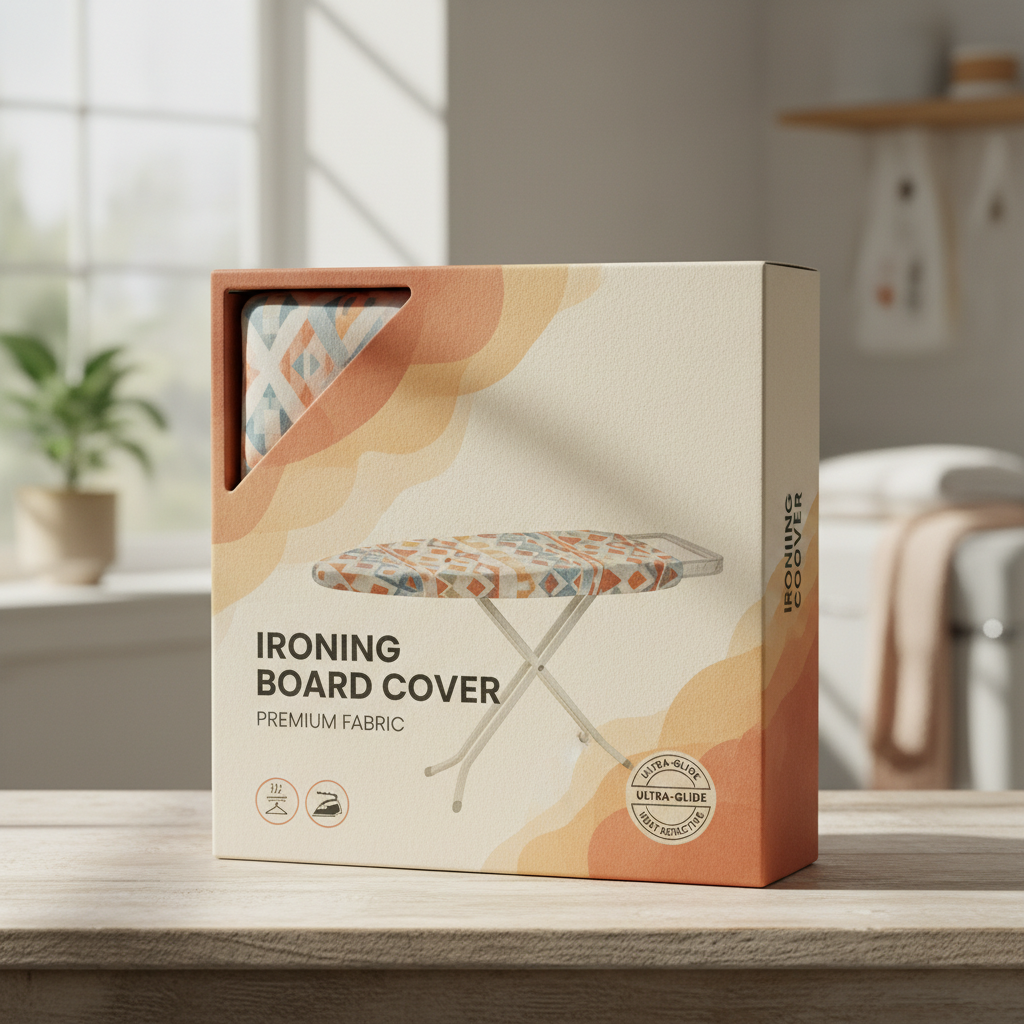
Looking ahead, innovation in materials and manufacturing will undoubtedly lead to even more sustainable, efficient, and technologically advanced covers. By prioritizing quality, durability, and responsible production, we can ensure that even this humble household item continues to serve its purpose effectively for years to come. Visit our website at www.hbmectextiles.com to explore our range of premium padded ironing board covers.