The tabletop ironing board cover, a seemingly simple household item, plays a crucial role in efficient and safe garment care. Its global relevance stems from the widespread practice of ironing – a fundamental aspect of maintaining presentable clothing across cultures and socioeconomic backgrounds. From bustling urban centers to remote rural communities, the need for a stable and protective ironing surface is universal. Understanding the nuances of tabletop ironing board covers, from material composition to heat resistance and ease of cleaning, empowers consumers to make informed choices, contributing to longer garment lifespans and reduced textile waste.
The demand for tabletop ironing board covers is significantly influenced by changing fashion trends, lifestyle factors, and economic conditions. As fast fashion continues to drive consumption, the need for convenient and effective garment care solutions increases. Moreover, a growing emphasis on home-based work and a desire for presentable appearances even in informal settings are further fueling demand. Data from the global textile machinery market suggests a sustained interest in technologies supporting garment finishing, indirectly reflecting the importance of ironing accessories like these covers.
Addressing the challenges of maintaining a clean, safe, and effective ironing surface is at the heart of the tabletop ironing board cover’s purpose. Traditional ironing boards can be bulky and inconvenient for smaller spaces. The tabletop version offers a compact, portable solution, making it particularly valuable for apartments, dorm rooms, and travel. The right cover safeguards both the ironing surface and the garment being pressed, preventing scorching, shine, and unwanted residue transfer.
The Significance of Tabletop Ironing Board Covers
Tabletop ironing board covers are more than just accessories; they represent a commitment to garment care and household efficiency. The ability to quickly and effectively iron clothes, even in limited spaces, enhances daily life. These covers contribute to a more organized and functional living environment, reducing clutter and simplifying routine tasks. Choosing a high-quality cover safeguards both your ironing surface and your clothes, protecting against damage and extending the life of your wardrobe.
The availability of a wide range of tabletop ironing board covers, catering to different budgets and preferences, underscores their widespread appeal. From basic cotton covers to advanced heat-reflective materials, consumers have options to suit their specific needs. This accessibility further solidifies the importance of these seemingly small items in the global landscape of home textiles.
Defining the Tabletop Ironing Board Cover
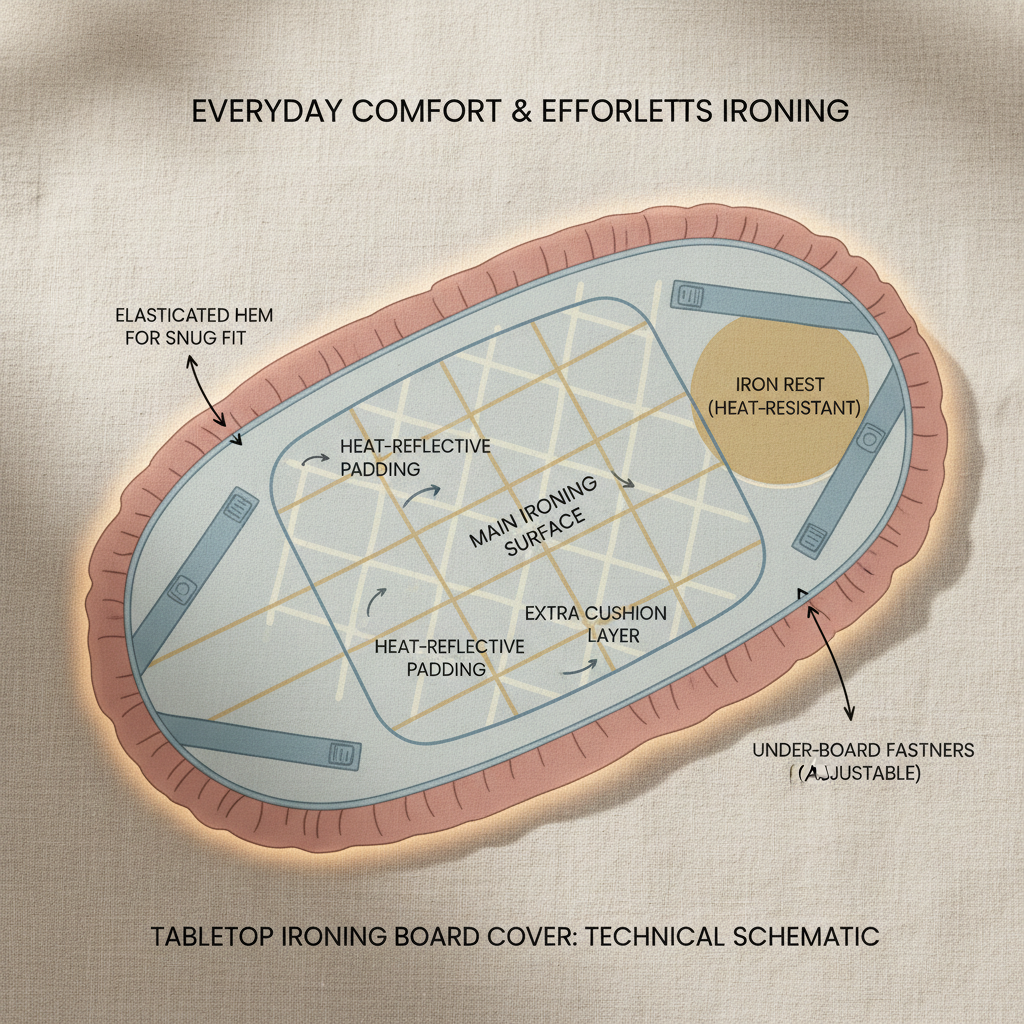
A tabletop ironing board cover is a protective layer designed to fit over a flat, heat-resistant surface – typically a tabletop or a dedicated ironing board – used for ironing clothes. Its primary function is to provide a smooth, clean, and safe surface for pressing garments, preventing scorching, shine, and the transfer of unwanted materials. Unlike full-sized ironing boards, tabletop versions offer a compact and portable solution, ideal for smaller living spaces or travel.
The connection to modern industry lies in the demand for efficient and cost-effective garment care solutions. As textile production continues to evolve, so does the need for tools and accessories that maintain the quality and appearance of clothing. Tabletop ironing board covers contribute to this ecosystem by enabling consumers to properly care for their garments, extending their lifespan and reducing textile waste.
In a humanitarian context, providing access to basic garment care tools, including tabletop ironing board covers, can restore a sense of dignity and normalcy in challenging situations. For individuals displaced by conflict or natural disasters, the ability to maintain presentable clothing can be crucial for self-esteem and social integration.
Core Components of Effective Covers
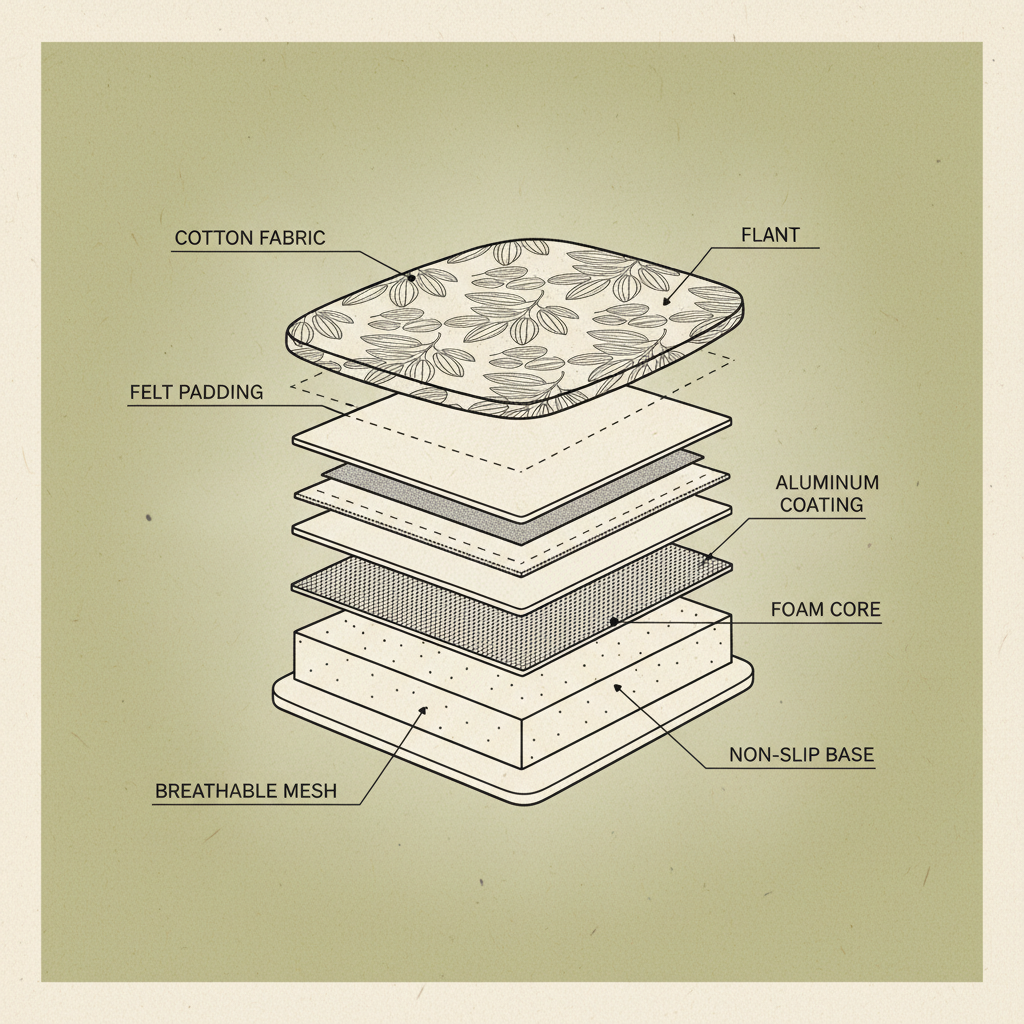
Durability is paramount. A high-quality tabletop ironing board cover should withstand repeated use and high temperatures without warping, shrinking, or tearing. Materials like cotton, linen, and specialized heat-resistant fabrics are commonly used, with varying degrees of longevity. The quality of the stitching and binding also significantly impacts the cover’s lifespan.
Heat reflectivity is another crucial factor. Covers made with metallic or heat-reflective materials can significantly reduce ironing time and energy consumption by bouncing heat back onto the garment. This also minimizes the risk of scorching delicate fabrics. Selecting the correct cover can greatly improve the ironing experience and maintain the condition of your clothes.
Cleanability is essential for maintaining hygiene and preventing the transfer of stains or odors to clothing. Ideally, the cover should be easily removable and machine washable. Some covers also feature stain-resistant coatings to further simplify cleaning.
Practical Applications Across Industries
Beyond the home, tabletop ironing board covers find applications in various industries. The hospitality sector utilizes them in guest rooms to provide convenient ironing facilities. Tailors and seamstresses rely on them for precise pressing during garment construction and alterations.
In post-disaster relief operations, compact ironing solutions, including tabletop setups with durable covers, can assist in providing clean and presentable clothing for affected populations. Similarly, in remote industrial zones where space is limited, these covers offer a practical ironing solution for workers.
The fashion industry benefits from tabletop ironing board covers in sample-making and design studios, where quick and efficient pressing is essential for evaluating garment fit and appearance. Photography and film productions also utilize them for on-set garment preparation.
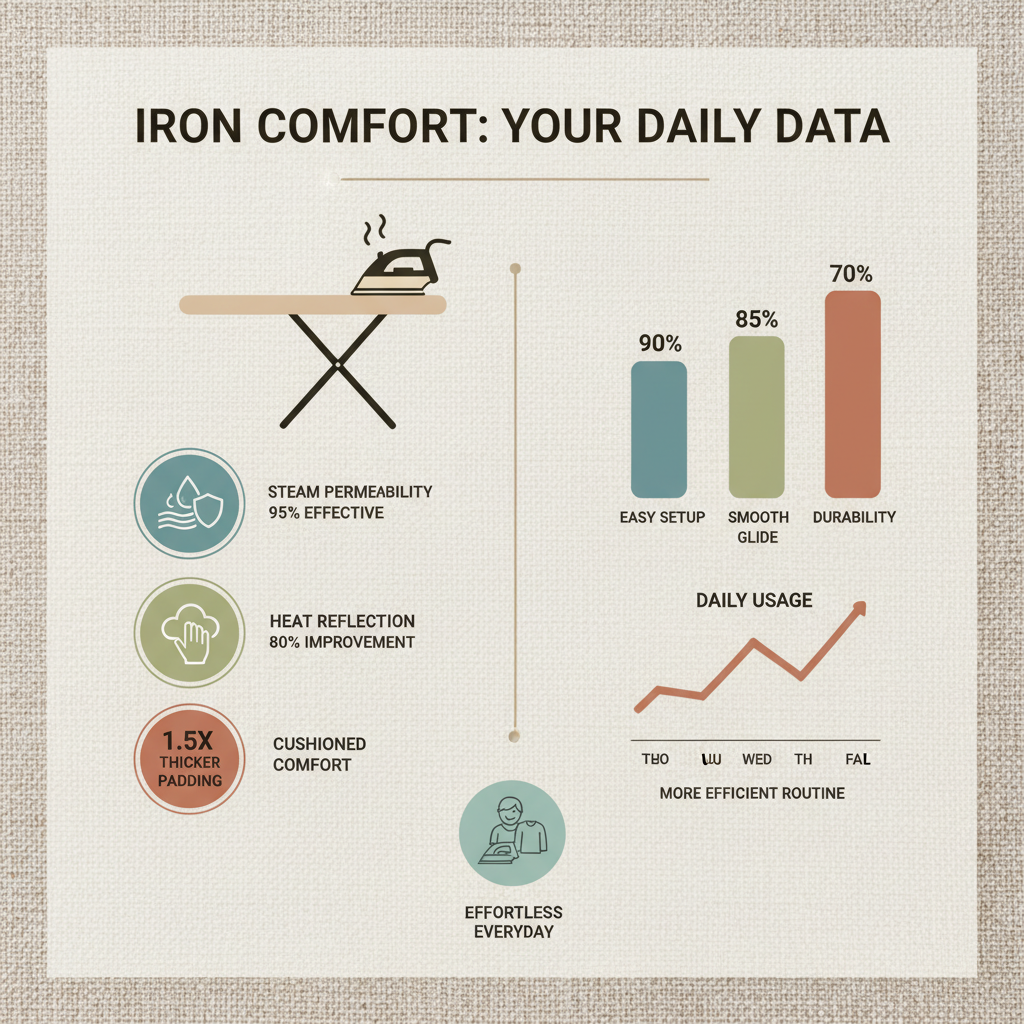
Tabletop Ironing Board Cover Performance Metrics
Advantages and Long-Term Value
The cost-effectiveness of tabletop ironing board covers is a significant advantage. They are generally less expensive than full-sized ironing boards, making them accessible to a wider range of consumers. Furthermore, their compact size reduces storage space requirements, saving valuable room in smaller homes.
From a sustainability perspective, choosing a durable and washable cover reduces the need for frequent replacements, minimizing textile waste. Selecting materials like organic cotton or recycled fabrics further enhances the eco-friendliness of the product. A well-maintained cover extends the life of garments, contributing to a more sustainable fashion cycle.
Future Trends in Cover Technology
Innovations in fabric technology are driving the development of advanced tabletop ironing board covers. Self-cleaning materials, incorporating antimicrobial properties, are gaining popularity, enhancing hygiene and reducing maintenance. Smart covers, equipped with sensors to monitor temperature and moisture levels, could offer improved ironing precision and fabric protection.
The integration of sustainable materials, such as bamboo or hemp, is expected to increase as consumer demand for eco-friendly products grows. Furthermore, advancements in manufacturing processes could lead to more durable and cost-effective covers, further expanding their accessibility.
Challenges and Sustainable Solutions
A common challenge is the potential for uneven heat distribution with some cover materials, leading to inconsistent ironing results. Addressing this requires careful selection of fabrics and construction techniques that promote efficient heat transfer. Another challenge is ensuring durability and preventing premature wear and tear.
Sustainable solutions include prioritizing materials with a low environmental impact, implementing responsible manufacturing practices, and designing covers that are easily repairable or recyclable. Promoting circular economy principles, such as offering repair services or take-back programs, can further minimize waste.
Investing in research and development to explore innovative materials and construction methods will be crucial for overcoming these challenges and ensuring the long-term sustainability of tabletop ironing board covers.
Table: Comparative Analysis of Tabletop Ironing Board Cover Materials
| Material Type |
Durability Score (1-10) |
Heat Resistance Score (1-10) |
Sustainability Rating (1-10) |
| Cotton |
7 |
6 |
8 |
| Linen |
8 |
7 |
9 |
| Polyester |
6 |
5 |
3 |
| Bamboo |
7 |
6 |
10 |
| Hemp |
9 |
8 |
9 |
| Silicone-Coated Fabric |
8 |
9 |
4 |
FAQS
The “best” material depends on your priorities. Cotton is a good all-around choice offering a balance of affordability and performance. Linen is more durable and heat resistant but also more expensive. For sustainability, bamboo or hemp are excellent options. Silicone-coated fabrics provide superior heat resistance and a smooth surface but may not be as breathable.
Generally, replace your cover every 6-12 months, depending on usage. If you notice signs of wear and tear, such as scorching, staining, or thinning fabric, it’s time for a replacement. A worn cover can compromise the quality of your ironing and potentially damage your clothes.
Most tabletop ironing board covers are machine washable. However, always check the care label for specific instructions. Typically, washing in cold water with a mild detergent and tumble drying on low heat is recommended. Avoid using bleach or harsh chemicals.
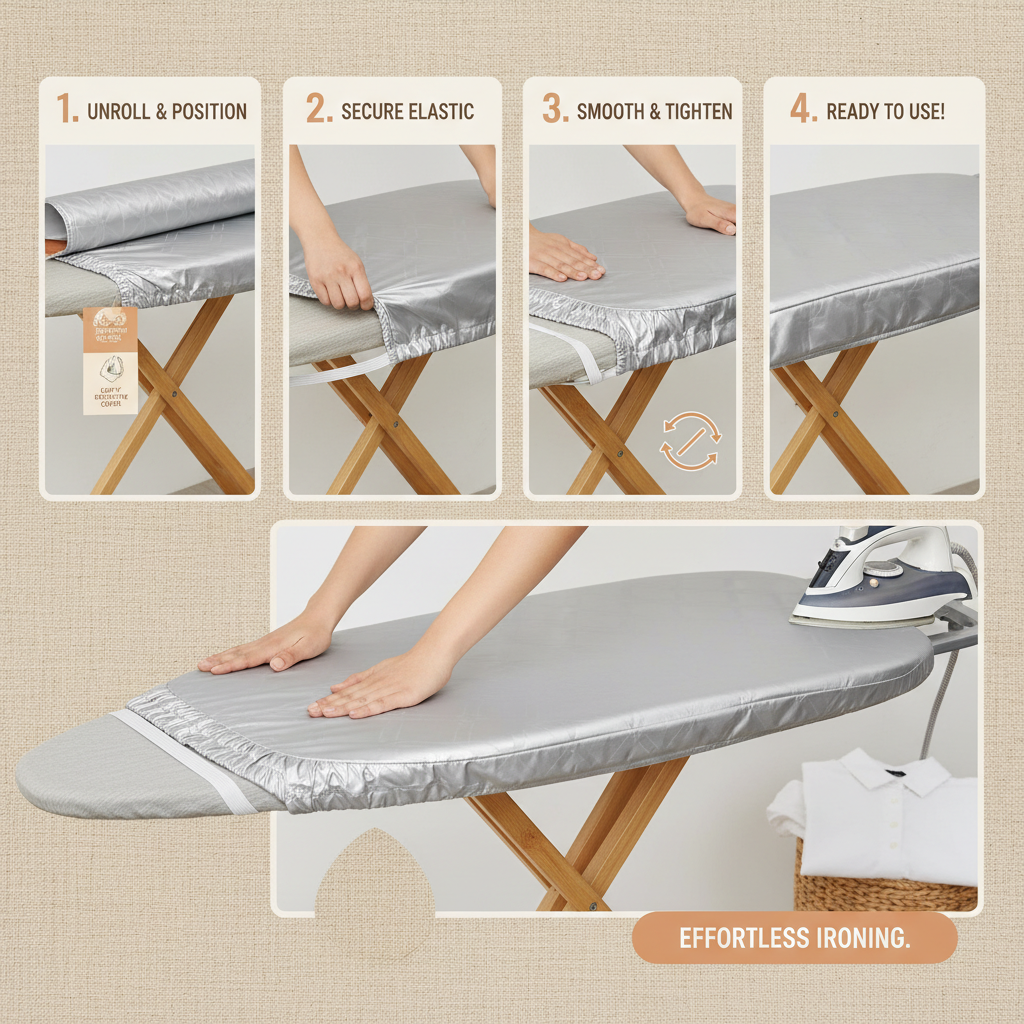
Ensure the cover is properly secured with elastic straps or ties. If the cover still slips, consider using a non-slip ironing board pad underneath. You can also lightly dampen the underside of the cover before placing it on the ironing board for a more secure grip.
Yes, many tabletop ironing board covers are now available with heat reflective properties. These covers are typically made with a metallic layer that bounces heat back onto the garment, reducing ironing time and energy consumption. They are particularly beneficial for delicate fabrics.
Measure the length and width of your tabletop ironing board to determine the appropriate size cover. Covers are typically available in standard sizes, but it's essential to choose one that fits snugly to prevent slipping and ensure effective ironing. Some universal-fit covers are also available.
Conclusion
The tabletop ironing board cover, often overlooked, plays a vital role in maintaining garment care standards and contributing to household efficiency. From its functional benefits – providing a stable, safe, and clean ironing surface – to its sustainable potential through material choices and durability, this simple accessory impacts both individual lifestyles and broader environmental concerns. Understanding the core components, practical applications, and future trends associated with these covers empowers consumers to make informed decisions.
Looking ahead, continued innovation in fabric technology and manufacturing processes will further enhance the performance and sustainability of tabletop ironing board covers. Embracing circular economy principles, such as repairability and recyclability, will be crucial for minimizing waste. For reliable, high-quality tabletop ironing board covers that combine functionality, durability, and sustainability, visit our website: www.hbmectextiles.com.